Oladoctor – online healthcare marketplace in Spain

Doctors for weight management

Book an online consultation with doctors for weight management (GLP-1). Discuss symptoms and treatment options online.


3 doctors
Sort by
5.0 (63)
Doctor

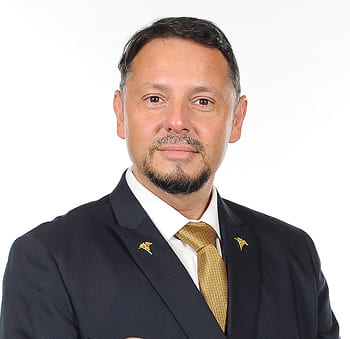
Nuno Tavares Lopes

Family medicine 18 years exp.

Dr. Nuno Tavares Lopes is a licensed physician in Portugal with 17 years of experience in emergency medicine, family and general practice, and public health. He is the Director of Medical and Public Health Services at an international healthcare network and serves as an external consultant for the WHO and ECDC.

  • Emergency care: infections, fever, chest/abdominal pain, minor injuries, paediatric emergencies
  • Family medicine: hypertension, diabetes, cholesterol, chronic disease management
  • Travel medicine: pre-travel advice, vaccinations, fit-to-fly certificates, travel-related illnesses
  • Sexual and reproductive health: PrEP, STD prevention, counselling, treatment
  • Weight management and wellness: personalised weight loss programmes, lifestyle guidance
  • Skin and ENT issues: acne, eczema, allergies, rashes, sore throat, sinusitis
  • Pain management: acute and chronic pain, post-surgical care
  • Public health: prevention, health screenings, long-term monitoring
  • Sick leave (Baixa médica) connected to Segurança Social in Portugal
  • IMT medical certificates for driving licence exchange
Dr. Nuno Tavares Lopes provides medical support for patients using GLP-1 medications (Mounjaro, Wegovy, Ozempic, Rybelsus) as part of a weight loss strategy. He offers individualised treatment planning, regular follow-up, dose adjustment, and advice on combining medication with sustainable lifestyle changes. Consultations follow the medical standards accepted in Europe.

Dr. Lopes also provides interpretation of medical tests, follow-up care for complex patients, and multilingual support. Whether for urgent concerns or long-term care, he helps patients act with clarity and confidence.

Camera Book a video appointment
€59
5.0 (140)
Doctor

Yevgen Yakovenko

General surgery 12 years exp.

Dr. Yevgen Yakovenko is a licensed surgeon and general practitioner in Spain and Germany. He specialises in general, paediatric, and oncological surgery, internal medicine, and pain management. He offers online consultations for adults and children, combining surgical precision with therapeutic support. Dr Yakovenko works with patients across different countries and provides care in Ukrainian, Russian, English, and Spanish.

Areas of medical expertise:

  • Acute and chronic pain: headaches, muscle and joint pain, back pain, abdominal pain, postoperative pain. Identifying the cause, selecting treatment, and creating a care plan.
  • Internal medicine: heart, lungs, gastrointestinal tract, urinary system. Management of chronic conditions, symptom control, second opinions.
  • Pre- and postoperative care: risk assessment, decision-making support, follow-up after surgery, rehabilitation strategies.
  • General and paediatric surgery: hernias, appendicitis, congenital conditions, both planned and urgent surgeries.
  • Injuries and trauma: bruises, fractures, sprains, soft tissue damage, wound care, dressing, referral when in-person care is required.
  • Oncological surgery: diagnosis review, treatment planning, and long-term follow-up.
  • Obesity treatment and weight management: a medical approach to weight loss, including assessment of underlying causes, evaluation of comorbidities, development of a personalised plan (nutrition, physical activity, pharmacotherapy if needed), and ongoing progress monitoring.
  • Imaging interpretation: analysis of ultrasound, CT, MRI, and X-ray results, surgical planning based on imaging data.
  • Second opinions and medical navigation: clarifying diagnoses, reviewing current treatment plans, helping patients choose the best course of action.

Experience and qualifications:

  • 12+ years of clinical experience in university hospitals in Germany and Spain.
  • International education: Ukraine – Germany – Spain.
  • Member of the German Society of Surgeons (BDC).
  • Certified in radiological diagnostics and robotic surgery.
  • Active participant in international medical conferences and research.

Dr Yakovenko explains complex topics in a clear, accessible way. He works collaboratively with patients to analyse health issues and make evidence-based decisions. His approach is grounded in clinical excellence, scientific accuracy, and respect for each individual.

If you are unsure about a diagnosis, preparing for surgery, or want to discuss your test results – Dr Yakovenko will help you evaluate your options and move forward with confidence.

Camera Book a video appointment
€50

Weight management with medical support

How doctors approach weight management, metabolism, and GLP-1–based treatment

What medical weight management means

What medical weight management means

Medical weight management is not about rapid weight loss or short-term dieting. It is a clinical approach that looks at weight as a complex interaction of metabolism, hormones, lifestyle, and underlying health conditions. Doctors focus on understanding why weight gain occurs and why it may persist despite repeated attempts to lose weight.

For many people, weight changes are influenced by factors such as insulin resistance, appetite regulation, stress, sleep patterns, and previous weight cycling. A medical approach allows these factors to be assessed together, rather than treated as isolated problems. This is especially relevant when weight gain is linked to long-term health risks.

Online consultations make it possible to discuss these issues in detail with a doctor. Symptoms, medical history, previous treatments, and lifestyle factors are reviewed to determine whether a structured weight management plan is appropriate.

Weight management in a medical context prioritizes sustainability. The goal is not only to reduce weight, but also to support overall health, reduce risk factors, and avoid approaches that are difficult to maintain over time.

How GLP-1 fits into weight management

How GLP-1 fits into weight management

GLP-1–based medications are used in medical weight management to support appetite regulation and metabolic control. These treatments work on hormonal pathways involved in hunger, satiety, and glucose metabolism, rather than relying solely on calorie restriction.

Doctors consider GLP-1 treatment as part of a broader clinical picture. It is not a standalone solution and does not replace lifestyle changes or medical follow-up. Instead, it may be recommended when other approaches have not been effective or when metabolic factors play a significant role.

During an online consultation, a doctor evaluates whether GLP-1 treatment may be appropriate based on symptoms, medical background, and individual risk factors. This helps avoid unnecessary treatment and ensures that expectations remain realistic.

GLP-1–based weight management requires medical supervision. Dosage, tolerance, and response can vary, which is why ongoing assessment is an important part of care.

Who may benefit from GLP-1–based weight management

Who may benefit from GLP-1–based weight management

GLP-1 treatment is not intended for everyone who wants to lose weight. Doctors usually consider it for people who experience persistent weight gain, difficulty controlling appetite, or repeated weight regain despite consistent efforts.

It may also be discussed when weight is associated with metabolic conditions such as insulin resistance or when excess weight contributes to other health concerns. In these cases, weight management is part of a broader health strategy rather than a cosmetic goal.

An online consultation allows doctors to assess whether these patterns are present. Patients can explain previous weight loss attempts, current symptoms, and any challenges that affect adherence to treatment plans.

This careful selection helps ensure that GLP-1–based weight management is used appropriately, with attention to safety and long-term outcomes rather than short-term results.

The doctor’s role in GLP-1 weight management

The doctor’s role in GLP-1 weight management

Doctors play a central role in evaluating whether GLP-1 treatment is suitable and how it should be used. This includes reviewing medical history, current medications, and possible contraindications before any treatment decisions are made.

Ongoing follow-up is equally important. Doctors monitor how the body responds, address side effects, and adjust the approach if needed. Weight management often evolves over time, and medical input helps keep treatment aligned with changing needs.

Online consultations make regular check-ins more accessible, especially for people managing weight alongside work, travel, or family responsibilities. This continuity supports safer and more consistent care.

Rather than focusing only on numbers on a scale, doctors look at overall progress, tolerance, and health indicators to guide next steps.

Safety, follow-up, and realistic expectations

Safety, follow-up, and realistic expectations

GLP-1–based weight management requires realistic expectations. Results vary between individuals, and treatment is not instant. Side effects may occur, particularly at the beginning, which is why medical follow-up matters.

Doctors help patients understand what changes are expected, how long adaptation may take, and when adjustments are needed. This reduces the risk of stopping treatment prematurely or using it incorrectly.

Follow-up consultations also help plan what happens over time, including how weight management is maintained and how treatment may change. Weight stability and long-term health are key considerations.

Medical weight management is a process. With proper guidance and monitoring, it can support meaningful change without relying on extreme or unsustainable methods.

Bg pattern

Your guide to healthcare in Spain

Practical information about the healthcare system, doctors and medical services in Spain.

Explore

Weight management and GLP-1: common questions

Answers to common questions about GLP-1 weight management and online consultations

What is GLP-1 weight management and how does it work?
GLP-1 weight management is a medical approach that uses GLP-1–based medications to support appetite control and metabolic regulation. These treatments act on hormonal pathways involved in hunger and satiety, rather than relying only on calorie restriction.

Doctors consider GLP-1 treatment when weight gain is linked to metabolic factors or when previous weight loss attempts have not led to sustainable results. The focus is on long-term management, not rapid or short-term weight loss.

GLP-1 is typically discussed as part of a broader medical plan. Follow-up and monitoring are important to ensure the approach remains appropriate over time.

Can I talk to a doctor online about GLP-1 for weight management?
Yes. GLP-1 weight management can be discussed during an online consultation with a doctor. This includes reviewing symptoms, medical history, previous treatments, and current concerns related to weight and metabolism.

Online consultations allow doctors to assess whether GLP-1 treatment may be suitable and to explain how it works, including potential benefits and limitations. The format also gives space to ask detailed questions before any decisions are made.

If GLP-1 is not appropriate, doctors may recommend alternative medical or lifestyle-based approaches tailored to the individual situation.

Who is GLP-1 weight management usually recommended for?
GLP-1 treatment is usually considered for people who experience persistent difficulty managing weight, frequent weight regain, or appetite-related challenges linked to metabolic factors.

Doctors look at patterns rather than a single number on the scale. This may include a history of repeated dieting, limited response to lifestyle changes, or symptoms suggesting altered appetite regulation.

An online consultation helps clarify whether these factors are present and whether GLP-1–based weight management is a reasonable option.

Is GLP-1 weight management safe when prescribed by a doctor?
Safety is a key part of medical weight management. Doctors assess medical history, current medications, and potential risk factors before discussing GLP-1 treatment.

Side effects can occur, especially during the initial phase, which is why follow-up matters. Doctors monitor tolerance and response and adjust the approach when needed.

Medical supervision helps reduce unnecessary risks and ensures that treatment decisions are based on individual health considerations rather than general recommendations.

What should I expect during follow-up for GLP-1 weight management?
Follow-up consultations focus on how the body responds to treatment over time. Doctors review progress, discuss side effects, and assess whether adjustments are needed.

Weight management often changes as treatment continues. Appetite, tolerance, and overall health indicators are considered together rather than in isolation.

Ongoing follow-up supports realistic expectations and helps plan next steps, including how weight management is maintained long term.

bg-pattern-dark

Stay informed about Oladoctor

News about new services, product updates and useful information for patients.

Follow us on social media