


Pediatric surgeons online in Spain
Book an online consultation with Pediatric surgeons. Discuss your symptoms or follow up on your treatment online.

Pediatric surgeons for surgical assessment and care in infants and children
What pediatric surgery covers, when a surgical opinion is needed, and how decisions are made over time

What pediatric surgery focuses on
Parents are often referred to pediatric surgeons not because surgery is immediately required, but to understand whether a condition needs monitoring, further tests, or intervention at all.
Pediatric surgery includes both congenital and acquired conditions. Some are present at birth, while others develop as a child grows.
The role of the pediatric surgeon is to assess the condition in the context of the child’s age, development, and overall health.
In many cases, careful observation and follow-up are part of standard care.

Common reasons to see a pediatric surgeon
Conditions such as undescended testicles, foreskin-related concerns, or developmental abnormalities are frequent reasons for consultation.
Parents may also seek assessment for cysts, swellings, or changes that persist or grow over time.
Some referrals are made after imaging or routine pediatric examinations identify a potential surgical condition.
Second opinions are also a common reason to consult a pediatric surgeon.

Congenital and developmental conditions in children
Developmental conditions can also become more apparent as a child grows. What appears concerning at one age may resolve naturally or evolve over time.
Pediatric surgeons assess how a condition may change with growth and whether intervention is likely to be beneficial.
Not all congenital or developmental findings require treatment. Some only require monitoring.
Understanding the natural progression of these conditions is a key part of pediatric surgical care.

When surgery may or may not be needed
Decisions are based on symptoms, progression, impact on development, and potential risks of intervention versus observation.
Some conditions are managed conservatively for months or years before surgery is considered, if at all.
Parents often consult pediatric surgeons to understand timing, necessity, and alternatives to surgery.
Clear explanation and shared decision-making are central to this process.

When pediatric surgery is not enough
Pediatric surgeons also identify when a child’s condition is better managed by another specialty, such as pediatrics, orthopedics, urology, or neurology.
Some symptoms may not have a surgical cause and require a different diagnostic approach.
Recognising these boundaries is part of responsible pediatric care.
Knowing when to seek routine evaluation and when urgent care is required is essential for child safety.


Your guide to healthcare in Spain
Practical information about the healthcare system, doctors and medical services in Spain.

Flu season in Spain 2025–2026
Nov 29, 2025

Prostate cancer screening after 40
Sep 11, 2025

Psychiatrist vs psychologist: what’s the difference?
Apr 30, 2025
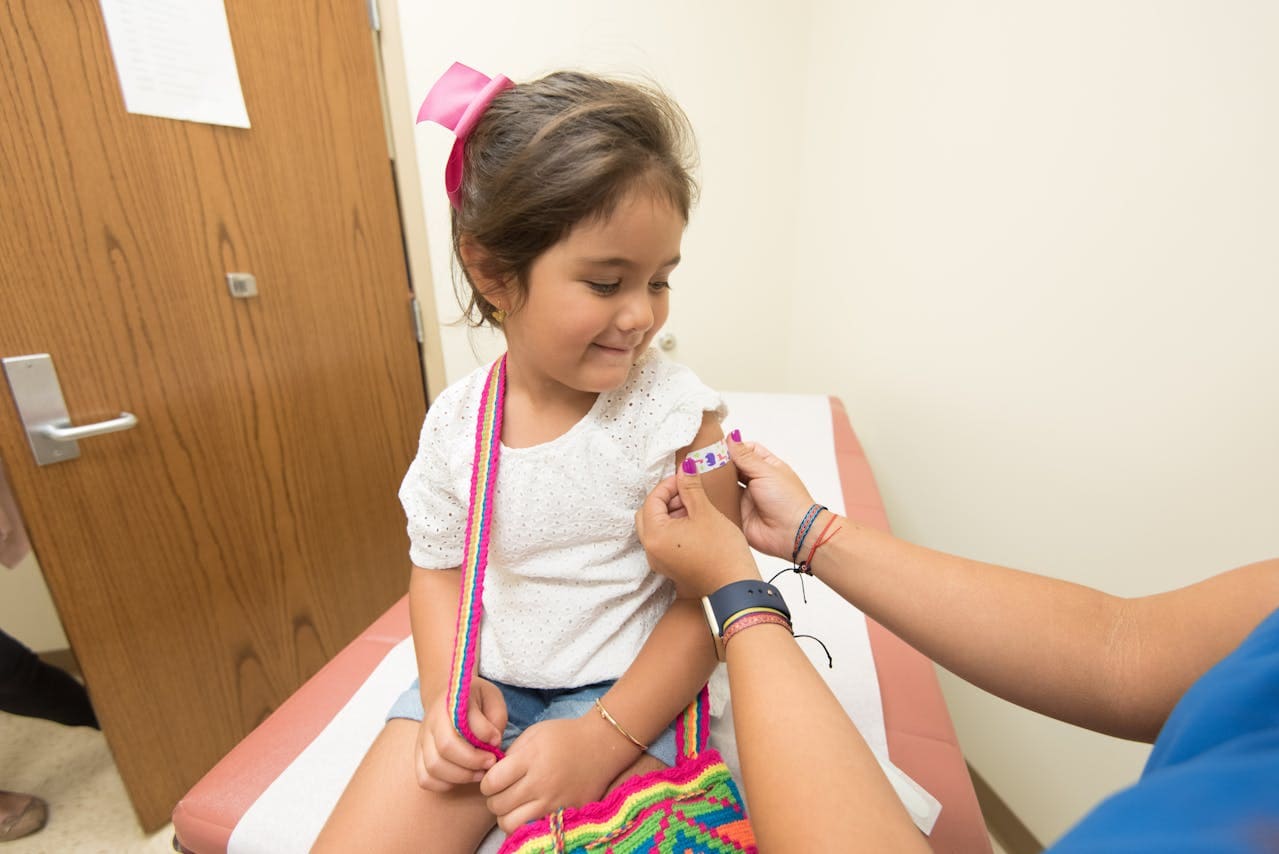
Children’s healthcare in Spain
Apr 9, 2025

Healthcare in Spain for expats in 2026
Apr 9, 2025
Flu season in Spain 2025–2026
Nov 29, 2025
Prostate cancer screening after 40
Sep 11, 2025
Psychiatrist vs psychologist: what’s the difference?
Apr 30, 2025
Children’s healthcare in Spain
Apr 9, 2025
Healthcare in Spain for expats in 2026
Apr 9, 2025
Pediatric surgeons: frequently asked questions
Answers to common questions about pediatric surgical evaluation and decision-making
