


Oncologists online in Spain
Book an online consultation with Oncologists. Discuss your symptoms or follow up on your treatment online.

Oncologists for cancer diagnosis, treatment planning, and long-term care
What oncologists treat, which symptoms or diagnoses lead to consultation, and when ongoing monitoring is required

What an oncologist does
People may consult an oncologist at different stages: after an initial diagnosis, during treatment planning, or for ongoing monitoring. Oncology care is often coordinated over time rather than limited to a single visit.
Cancer-related symptoms can be diverse and may develop gradually. An oncologist evaluates the condition in the context of diagnostic results, disease stage, and overall health.
Oncology frequently involves long-term care. Many patients require regular follow-up even after active treatment has ended.
An oncologist also helps coordinate care with other specialists involved in cancer management.

Common reasons to see an oncologist
Persistent or unexplained symptoms such as weight loss, fatigue, pain, or abnormal test results may also lead to oncology evaluation.
People undergoing or planning cancer treatment often consult an oncologist to discuss options, expectations, and monitoring strategies.
Follow-up after cancer treatment is another common reason. Regular monitoring helps detect recurrence or manage long-term effects.
Second opinions are also part of oncology care, especially when treatment decisions are complex.

Long-term oncology care and follow-up
Long-term care may involve regular assessments, review of symptoms, and evaluation of treatment-related effects.
Some cancers remain stable for long periods, while others require ongoing treatment adjustments. Oncology care adapts to changes over time.
Follow-up is also important for managing quality of life, including fatigue, pain, or other lasting effects.
Continuity of oncology care is particularly important for patients moving between healthcare systems.

How oncology assessment works
Test results, imaging, and pathology reports play a central role in oncology assessment. These help define disease type and stage.
Oncologists assess treatment response and potential risks, balancing effectiveness and safety.
Assessment also includes discussion of monitoring plans and next steps, depending on disease status.
Clear evaluation supports informed decision-making and coordinated care.

When oncology may not be enough
Oncologists also identify when symptoms are better addressed by other specialties, such as surgery, radiology, or palliative care.
Some symptoms may be unrelated to cancer and require separate assessment.
Recognising these limits is part of responsible oncology practice.
Knowing when to seek oncology input and when urgent care is needed is essential for patient safety.


Your guide to healthcare in Spain
Practical information about the healthcare system, doctors and medical services in Spain.

Flu season in Spain 2025–2026
Nov 29, 2025

Prostate cancer screening after 40
Sep 11, 2025

Psychiatrist vs psychologist: what’s the difference?
Apr 30, 2025
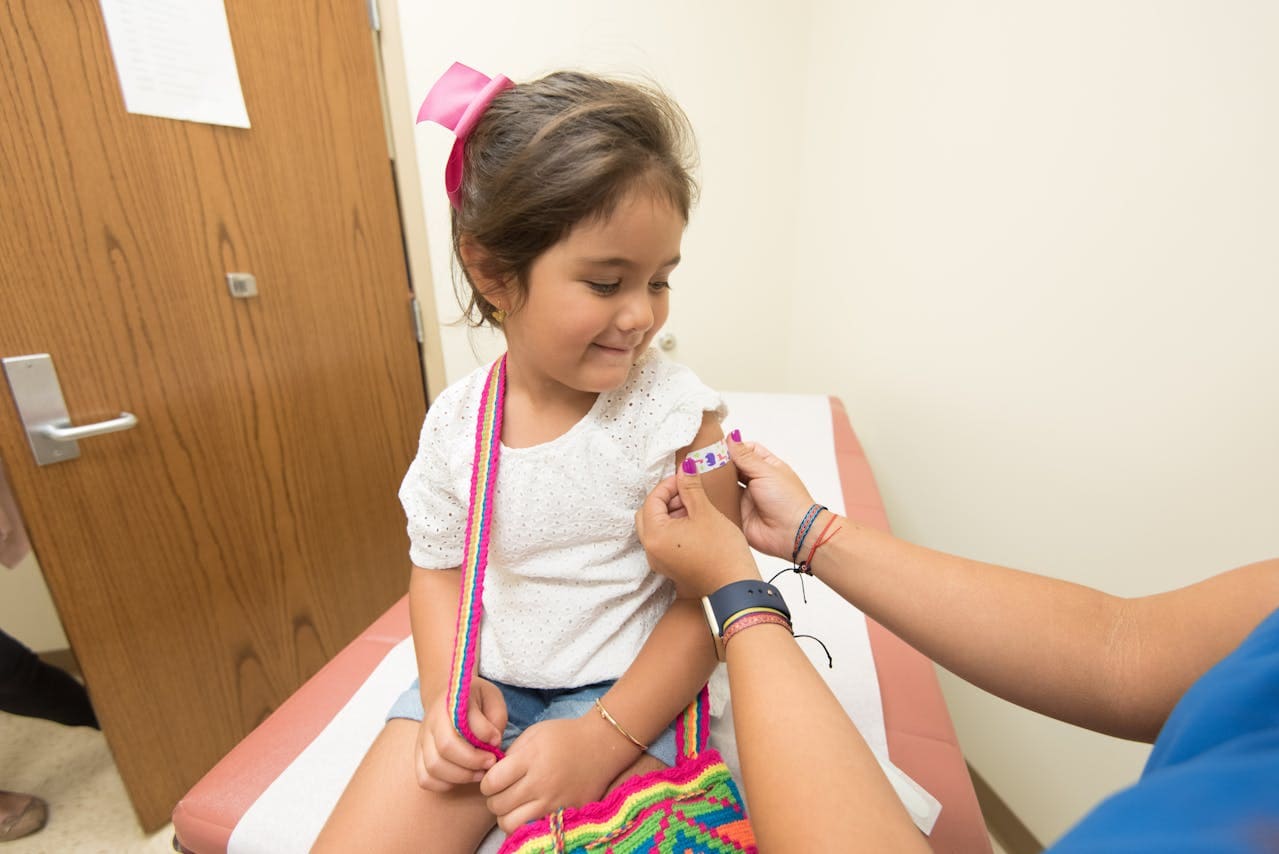
Children’s healthcare in Spain
Apr 9, 2025

Healthcare in Spain for expats in 2026
Apr 9, 2025
Flu season in Spain 2025–2026
Nov 29, 2025
Prostate cancer screening after 40
Sep 11, 2025
Psychiatrist vs psychologist: what’s the difference?
Apr 30, 2025
Children’s healthcare in Spain
Apr 9, 2025
Healthcare in Spain for expats in 2026
Apr 9, 2025
Oncologists: frequently asked questions
Answers to common questions about oncology, cancer care, and when to see an oncologist
