Oladoctor – online healthcare marketplace in Spain

Doctors for anxiety and panic attacks

Online consultations with doctors to assess anxiety symptoms, panic attacks, and related mental health concerns.

6 doctors
Sort by
5.0 (5)
Doctor

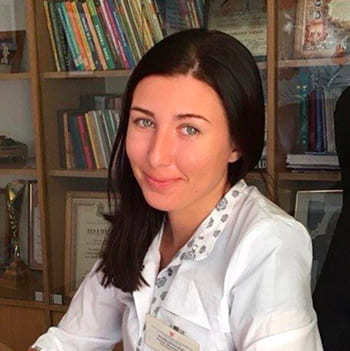
Anastasiia Hladkykh

Psychiatry 15 years exp.

Dr Anastasiia Hladkykh is a physician-psychotherapist and psychologist with over 14 years of experience working with individuals struggling with various types of addictions and their families. She provides online consultations for adults, combining medical knowledge with deep psychological support and practical tools.

Key areas of expertise:

  • Addiction treatment: alcohol and drug dependence, gambling addiction, compulsive behaviours, codependent relationships.
  • Support for families of addicted individuals, behavioural correction within the family system, guidance for maintaining remission.
  • Mental health: depression, bipolar disorder, obsessive-compulsive disorder (OCD), anxiety disorders, phobias, PTSD, generalised anxiety, emotional trauma, and the psychological impact of loss or emigration.
  • Psychoeducation: explaining complex mental health concepts in simple language, helping patients and their families understand diagnoses and treatment steps.
Therapeutic approach:
  • Client-centred, straightforward, and empathetic – focused on practical outcomes and emotional stabilisation.
  • Prescribes medications when needed, but always aims to minimise unnecessary pharmaceutical use.
  • Certified in multiple evidence-based methods: CBT, NLP (Master Practitioner), Ericksonian hypnosis, symbol drama, art therapy, and systemic therapy.
  • Each consultation results in a clear, structured plan – patients leave knowing exactly what to do next.
Experience and background:
  • Member of the German association Gesundheitpraktikerin and the NGO “Mit dem Sonne in jedem Herzen.”
  • More than 18 publications in international peer-reviewed journals, translated into several languages.
  • Volunteer work with Ukrainian refugees and military personnel at the University Clinic of Regensburg.
Camera Book a video appointment
€130
0.0 (2)
Doctor

Daria Portnova

Psychiatry 31 years exp.

Dr Daria Portnova is a psychiatrist and psychotherapist with over 30 years of clinical experience. She works with adults and adolescents aged 14 and over, providing online psychiatric and psychotherapeutic consultations.

In her practice, Dr Portnova supports patients facing the onset of mental health conditions, chronic psychiatric disorders, psychotic symptoms, trauma-related states, and complex emotional crises. Her work is structured and safety-focused, with an emphasis on stabilisation, accurate diagnosis, and long-term improvement in quality of life.

Patients consult Dr Daria Portnova for the following concerns:

  • existential crises and complex life situations;
  • loss, grief, and emotional exhaustion;
  • relationship difficulties, separation, and divorce;
  • psychological and psychiatric trauma, including complex PTSD (cPTSD);
  • anxiety disorders: generalised anxiety disorder and panic disorder;
  • social anxiety and social phobia;
  • obsessive-compulsive disorder (OCD);
  • sleep disorders;
  • depressive disorders;
  • bipolar affective disorder;
  • schizoaffective disorder;
  • schizophrenia;
  • personality disorders.
Dr Portnova combines psychiatric assessment with a psychotherapeutic approach. She works with evidence-based methods, including cognitive behavioural therapy (CBT) and third-wave approaches such as ACT, FACT, and CFT. Consultations are focused on clear clinical understanding, practical recommendations, and ongoing support over time.
Camera Book a video appointment
€110
5.0 (77)
Doctor

Sergey Ilyasov

Psychiatry 7 years exp.

Dr Sergey Ilyasov is an experienced neurologist and qualified psychiatrist who provides online consultations for adults and adolescents. Combining deep neurological expertise with a modern psychiatric approach, he ensures comprehensive diagnostics and effective treatment for a wide range of conditions affecting both physical and mental health.

Dr. Ilyasov helps patients in the following cases:

  • Chronic headaches (migraine, tension-type headache), back pain, neuropathic pain, dizziness, numbness in limbs, coordination disorders.
  • Anxiety disorders (panic attacks, generalized anxiety disorder), depression (including atypical and treatment-resistant forms), sleep disturbances (insomnia, hypersomnia, nightmares), stress, burnout.
  • Chronic pain syndromes and psychosomatic symptoms (e.g., irritable bowel syndrome related to stress, vegetative-vascular dystonia).
  • Behavioral disorders and concentration difficulties in adolescents (including ADHD, autism spectrum disorders), nervous tics.
  • Memory impairments, phobias, obsessive-compulsive disorder (OCD), emotional swings, and support for post-traumatic stress disorder (PTSD).

Thanks to his dual specialization in neurology and psychiatry, Dr Sergey Ilyasov offers integrated and evidence-based care for complex conditions requiring a multidisciplinary approach. His consultations focus on accurate diagnosis, development of an individualized treatment plan (including pharmacotherapy and psychotherapeutic methods), and long-term support adapted to each patient's unique needs.

Book an online consultation with Dr. Sergey Ilyasov to receive qualified assistance and improve your well-being today.

Camera Book a video appointment
€89
5.0 (139)
Doctor

Taisiia Proida

Psychiatry 7 years exp.

Dr. Taisiia Proida is a psychiatrist and cognitive behavioural therapist (CBT), and a member of the European Psychiatric Association. She offers online consultations for adults aged 18 and over, combining evidence-based medicine with an individualised approach to mental health care.

She specialises in consultations and ongoing support for a wide range of mental health concerns, including:

  • Mood disorders: depression, bipolar disorder, postpartum depression.
  • Anxiety disorders: generalised anxiety, OCD, panic attacks, phobias.
  • Post-traumatic stress disorder (PTSD) and complex PTSD.
  • Attention deficit hyperactivity disorder (ADHD) and autism spectrum disorder (ASD). Assessment is provided only after an initial psychiatric evaluation and during a follow-up appointment.
  • Personality disorders and emotional instability.
  • Cyclothymia and mood fluctuations.
  • Schizophrenia spectrum and related conditions.

Dr. Proida combines clinical expertise with an empathetic approach, offering structured support based on evidence-based practices. Her work integrates CBT techniques with medical management, with a focus on anxiety and depressive disorders.

She works with clients from different countries and cultural backgrounds, adapting her communication style and recommendations to individual needs. With experience in international clinical trials (Pfizer, Merck), she values clarity, trust, and collaborative partnership in patient care.

Camera Book a video appointment
€120

How doctors assess anxiety and panic symptoms

Understanding anxiety disorders, panic attacks, and related mental health conditions

What anxiety and panic attacks mean in medical practice

What anxiety and panic attacks mean in medical practice

Anxiety is a broad medical term that describes persistent feelings of fear, worry, or tension that interfere with daily life. Panic attacks are sudden episodes of intense anxiety that may include physical symptoms such as rapid heartbeat, shortness of breath, dizziness, or a sense of losing control.

From a clinical perspective, anxiety exists on a spectrum. Some people experience ongoing anxiety symptoms, while others primarily struggle with acute panic attacks that appear unexpectedly or in specific situations.

Anxiety and panic symptoms can be distressing, but they are also common reminders that the nervous system is under prolonged stress or dysregulation.

Medical assessment focuses on understanding how symptoms present, how often they occur, and how they affect daily functioning.

Why anxiety and panic symptoms should be discussed with a doctor

Why anxiety and panic symptoms should be discussed with a doctor

Many people live with anxiety symptoms for years without seeking medical advice. Symptoms are often normalised, minimised, or attributed to personality, stress, or life circumstances.

Panic attacks, in particular, can be frightening and are sometimes mistaken for cardiac or neurological problems. Without medical assessment, uncertainty and fear may increase.

Anxiety symptoms may overlap with other conditions, including depression, sleep disorders, hormonal changes, or physical health issues.

Discussing anxiety and panic symptoms with a doctor helps clarify possible causes and provides a structured medical perspective.

How doctors assess anxiety and panic attacks

How doctors assess anxiety and panic attacks

Doctors assess anxiety and panic symptoms through a detailed clinical conversation rather than a single test. This includes reviewing symptom patterns, triggers, duration, and physical manifestations.

Doctors may ask about sleep, mood, stress levels, recent life changes, and physical health, as these factors often influence anxiety symptoms.

The frequency and context of panic attacks are important, as they help distinguish between panic disorder, situational anxiety, or anxiety related to other conditions.

The goal is to understand the overall clinical picture rather than focusing on isolated episodes.

What is considered during an anxiety consultation

What is considered during an anxiety consultation

During an anxiety consultation, doctors assess both psychological and physical symptoms. These may include constant worry, restlessness, panic attacks, chest tightness, gastrointestinal discomfort, or fatigue.

Emotional wellbeing, daily functioning, and the impact of symptoms on work, relationships, and sleep are also discussed.

Doctors approach anxiety assessment in a structured and non-judgmental way, recognising that symptoms are real and medically relevant.

This allows anxiety and panic symptoms to be evaluated within the broader context of mental and physical health.

Anxiety, panic attacks, and realistic expectations

Anxiety, panic attacks, and realistic expectations

Anxiety symptoms and panic attacks do not follow a single pattern and can change over time. Some people experience periods of improvement followed by recurrence, while others notice gradual progression.

Medical assessment aims to provide clarity, reassurance, and appropriate guidance rather than immediate solutions.

Understanding anxiety as a health condition helps reduce self-blame and uncertainty.

Clear information and realistic expectations support better long-term management and follow-up.

Bg pattern

Your guide to healthcare in Spain

Practical information about the healthcare system, doctors and medical services in Spain.

Explore

Common questions about anxiety and panic attacks

Answers to frequent questions about symptoms, panic episodes, and medical assessment

What are the symptoms of anxiety?
Common anxiety symptoms include persistent worry, restlessness, difficulty concentrating, muscle tension, sleep problems, and physical discomfort.

Symptoms can vary in intensity and may fluctuate over time.

If symptoms interfere with daily life, medical discussion is appropriate.

What does a panic attack feel like?
A panic attack is a sudden surge of intense anxiety that may include rapid heartbeat, shortness of breath, dizziness, chest discomfort, trembling, or a sense of losing control.

Although panic attacks are not dangerous, they can feel overwhelming and frightening.

Medical assessment helps distinguish panic attacks from other conditions.

What triggers anxiety or panic attacks?
Triggers vary between individuals and may include stress, trauma, health concerns, hormonal changes, or specific situations.

In some cases, panic attacks occur without an obvious trigger.

Doctors assess triggers in context to better understand symptom patterns.

Which doctor should I see for anxiety or panic attacks?
Anxiety and panic symptoms can be assessed by doctors experienced in mental health, family medicine, or internal medicine.

In some cases, psychiatric assessment may be appropriate depending on symptom severity and complexity.

The doctor helps determine the most suitable clinical approach.

Can anxiety and panic attacks be discussed during an online consultation?
Yes. Anxiety and panic symptoms can be discussed effectively during online consultations through detailed clinical history and symptom review.

Online consultations provide privacy and convenient access to medical guidance.

What happens after an anxiety consultation?
After the consultation, the doctor explains their clinical assessment and how symptoms may be understood medically.

Depending on the evaluation, follow-up or further assessment may be discussed.

The aim is to provide clarity and appropriate medical direction.

bg-pattern-dark

Stay informed about Oladoctor

News about new services, product updates and useful information for patients.

Follow us on social media