-
On this page
Symptoms of vitiligoTypes of vitiligoNon-segmental vitiligoSegmental vitiligoWhat causes vitiligo?Autoimmune conditionsRisk factorsNeurochemicalsTriggersDiagnosing vitiligoWood's lampOther autoimmune conditionsTreating vitiligoComplications of vitiligo Treatment Vitiligo Protection from the sunVitamin DSkin camouflageTopical steroidsReferralTopical pimecrolimus or tacrolimusPhototherapySkin graftsDepigmentationOther treatmentsComplementary therapiesCounselling and support groupsUnlicensed medicines -
Medicines commonly prescribed for Vitiligo
For informational purposes only. Always consult a doctor before using any medicine.
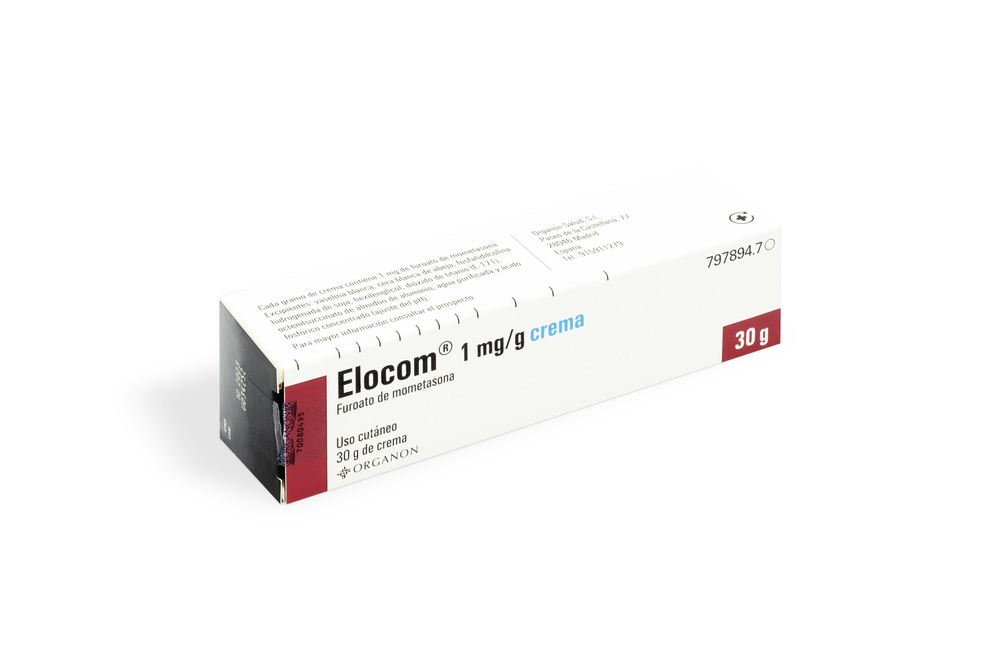
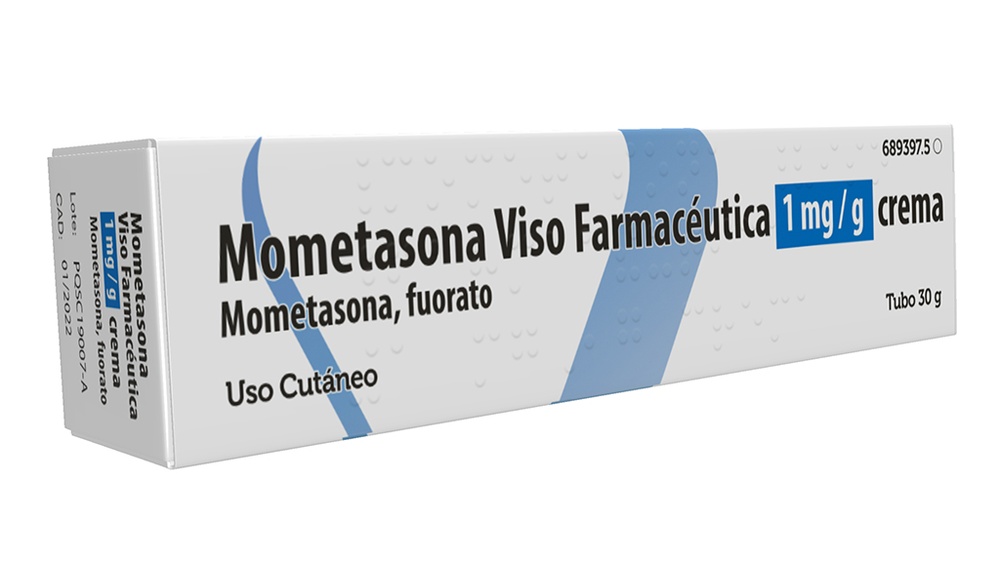
Dosage form: CREAM, 1 mg/gActive substance: mometasoneManufacturer: Organon Salud S.L.Prescription requiredDosage form: TOPICAL SOLUTION, 1 mg/gActive substance: mometasoneManufacturer: Korhispana S.L.Prescription requiredDosage form: CREAM, 1 mg/gActive substance: mometasoneManufacturer: Glenmark Arzneimittel GmbhPrescription required

Vitiligo is a long-term condition where pale white patches develop on the skin. It's caused by the lack of melanin, which is the pigment in skin.
Vitiligo can affect any area of skin, but it commonly happens on the face, neck and hands, and in skin creases.
The pale areas of skin are more vulnerable to sunburn, so it's important to take extra care when in the sun and use a sunscreen with a high sun protection factor (SPF).
Symptoms of vitiligo
The areas of skin most commonly affected by vitiligo include:
- mouth and eyes
- fingers and wrists
- armpits
- groin
- genitals
- inside your mouth
It can also sometimes develop where there are hair roots, such as on your scalp. The lack of melanin in your skin can turn the hair in the affected area white or grey.
Vitiligo often starts as a pale patch of skin that gradually turns completely white. The centre of a patch may be white, with paler skin around it. If there are blood vessels under the skin, the patch may be slightly pink, rather than white.
The edges of the patch may be smooth or irregular. They're sometimes red and inflamed, or there's brownish discolouration (hyperpigmentation).
Vitiligo does not cause discomfort to your skin, such as dryness, but the patches may occasionally be itchy.
The condition varies from person to person. Some people only get a few small, white patches, but others get bigger white patches that join up across large areas of their skin.
There's no way of predicting how much skin will be affected. The white patches are usually permanent.
Types of vitiligo
There are 2 main types of vitiligo:
- non-segmental vitiligo
- segmental vitiligo
In rare cases, it's possible for vitiligo to affect your whole body. This is known as universal vitiligo.
Non-segmental vitiligo
In non-segmental vitiligo (also called bilateral or generalised vitiligo), the symptoms often appear on both sides of your body as symmetrical white patches.
Symmetrical patches can appear on the:
- backs of your hands
- arms
- skin around body openings, such as the eyes
- knees
- elbows
- feet
Non-segmental vitiligo is the most common type of vitiligo, affecting around 9 in 10 people with the condition.
Segmental vitiligo
In segmental vitiligo (also known as unilateral or localised vitiligo), the white patches only affect one area of your body.
Segmental vitiligo is less common than non-segmental vitiligo, although it's more common in children. It usually starts earlier and affects around 3 in 10 children with vitiligo.
What causes vitiligo?
Vitiligo is caused by the lack of a pigment called melanin in the skin. Melanin is produced by skin cells called melanocytes, and it gives your skin its colour.
In vitiligo, there are not enough working melanocytes to produce enough melanin in your skin. This causes white patches to develop on your skin or hair.
Autoimmune conditions
Non-segmental vitiligo (the most common type) is thought to be an autoimmune condition.
In autoimmune conditions, the immune system does not work properly. Instead of attacking foreign cells, such as viruses, your immune system attacks your body's healthy cells and tissue.
If you have non-segmental vitiligo, your immune system destroys the melanocyte skin cells that make melanin.
Vitiligo is also associated with other autoimmune conditions, such as hyperthyroidism (an overactive thyroid gland), but not everyone with vitiligo will develop these conditions.
Risk factors
You may be at increased risk of developing non-segmental vitiligo if:
- other members of your family have it
- there's a family history of other autoimmune conditions – for example, if one of your parents has pernicious anaemia (an autoimmune condition that affects the stomach)
- you have another autoimmune condition
- you have melanoma (a type of skin cancer) or non-Hodgkin lymphoma (cancer of the lymphatic system)
- you have particular changes in your genes that are known to be linked to non-segmental vitiligo
Neurochemicals
Segmental vitiligo (the less common type) is thought to be caused by chemicals released from the nerve endings in your skin. These chemicals are poisonous to the melanocyte skin cells.
Triggers
It's possible that vitiligo may be triggered by particular events, such as:
- stressful events, such as childbirth
- skin damage, such as severe sunburn or cuts (this is known as the Koebner response)
- hormonal changes to the body, such as puberty
- problems with the liver or kidneys
- exposure to certain chemicals
Vitiligo is not caused by an infection and you cannot catch it from someone else who has it.
Diagnosing vitiligo
A GP will be able to diagnose vitiligo after examining the affected areas of skin.
They may ask you if:
- there's a history of vitiligo in your family
- there's a history of other autoimmune conditions in your family
- you've injured the affected areas of skin – for example, whether you've had sunburn or a severe rash there
- you tan easily in the sun, or whether you burn
- any areas of skin have got better without treatment, or whether they're getting worse
- you think your vitiligo is triggered by something
- you've tried any treatments already
A GP may also ask you about the spread of vitiligo and the impact it has on your life. For example, how much it affects your confidence and self-esteem, and whether it affects your job.
Wood's lamp
If available, the GP may use an ultraviolet (UV) lamp called a Wood's lamp to look at your skin in more detail. You'll need to be in a dark room and the lamp will be held 10 to 13cm away from your skin.
The patches of vitiligo will be easier to see under UV light, which will help the GP distinguish vitiligo from other skin conditions, such as pityriasis versicolor (where there's a loss of pigment due to a fungal infection).
Other autoimmune conditions
As non-segmental vitiligo is closely associated with other autoimmune conditions, you may be assessed to see whether you have any symptoms that could suggest an autoimmune condition, such as:
- being tired and lacking energy, which may be a sign of Addison's disease
- being thirsty and needing to urinate often, which may be a sign of diabetes
A blood test may also be needed to check how well your thyroid gland is working.
Treating vitiligo
If vitiligo is severe or making you unhappy, you may want to consider treatment.
The white patches caused by vitiligo are usually permanent, although treatment options are available to reduce their appearance.
If the patches are relatively small, skin camouflage cream can be used to cover them up.
Steroid creams can also be used on the skin to restore some pigment, however long-term use can cause stretch marks and thinning of the skin
If steroid creams do not work, phototherapy (treatment with light) may be used.
Although treatment may help restore colour to your skin, the effect does not usually last. Treatment cannot stop the condition spreading.
Find out more about treating vitiligo.
Complications of vitiligo
Vitiligo can sometimes cause other problems.
Because of a lack of melanin, your skin will be more vulnerable to the effects of the sun. Make sure you use a strong sunscreen to avoid sunburn.
Vitiligo may also be associated with eye problems, such as inflammation of the iris, inflammation of the middle layer of the eye (uveitis), and a partial loss of hearing (hypoacusis).
Problems with confidence and self-esteem are common in people with vitiligo, particularly if it affects areas of skin that are frequently exposed.
Treatment Vitiligo
Treatment for vitiligo is based on changing the appearance of the skin by restoring its colour.
However, for some people treatment is not permanent, and it cannot always control the spread of the condition.
A GP may recommend:
- sun safety
- a referral for camouflage creams
- a topical steroid (a cream or ointment that contains a steroid)
Further treatment may not be necessary if, for example, you only have a small patch of vitiligo or your natural skin colour is very light.
You may be referred to a doctor who specialises in treating skin conditions (dermatologist) if further treatment is needed.
Protection from the sun
Sunburn is a severe risk if you have vitiligo. You must protect your skin from the sun and do not use sunbeds.
When skin is exposed to sunlight, it produces a pigment called melanin to help protect it from ultraviolet (UV) light. However, if you have vitiligo there is not enough melanin in your skin, so it is not protected.
Always apply a sunscreen, ideally with a sun protection factor (SPF) of 50 or above, to protect your skin from sunburn and long-term damage. This is particularly important if you have fair skin.

Vitamin D
If your skin is not exposed to the sun, there's an increased risk of vitamin D deficiency. Vitamin D is essential for keeping bones and teeth healthy.
Sunlight is the main source of vitamin D, although a form of vitamin D is also found in some foods, such as oily fish.
It might be difficult to get enough vitamin D from food and sunlight alone. You should therefore consider taking a daily supplement containing 10 micrograms (mcg) of vitamin D.
Skin camouflage
Skin camouflage creams can be applied to the white patches of skin. The creams are made to match a range of skin tones. The cream helps to blend the white patches with the rest of your skin, so they are not as noticeable.
Camouflage creams are waterproof and can be applied anywhere on the body. They last for up to 4 days on the body and 12 to 18 hours on the face.
Topical steroids
Topical steroids come as a cream or ointment you apply to your skin.
They can sometimes stop the spread of the white patches and may restore some of your original skin colour.
A topical steroid may be prescribed to adults if:
- you have non-segmental vitiligo on less than 10% of your body
- you want further treatment (sun protection and camouflage creams are enough for some people)
- you are not pregnant
- you understand and accept the risk of side effects
Speak to a GP if you want to use a topical steroid on your face.
Find out more about topical steroids.
Using topical steroids
A GP may prescribe a cream or an ointment, depending on what you prefer and where it will be used. Ointments are greasier.
Possible steroids that may be prescribed include:
- fluticasone propionate
- betamethasone valerate
A GP will tell you how to apply the cream or ointment to the patches and how much you should use. You usually need to apply the treatment once a day.
Topical steroids are measured in a standard unit called the fingertip unit (FTU). One FTU is the amount of topical steroid squeezed along an adult's fingertip. One FTU is enough to treat an area of skin twice the size of an adult's hand.
Follow-up
After 1 month, you'll have a follow-up appointment so the GP can check how well the treatment is working and whether you have any side effects. If the treatment is causing side effects, you may need to stop using a topical steroid.
After another month or 2, the GP will check how much your vitiligo has improved. If there's no improvement, you may be referred to a dermatologist.
If it's improved slightly, you may continue treatment, but have a break from treatment every few weeks. You may also be referred to a dermatologist.
Treatment will be stopped if your vitiligo has improved significantly.
The GP may take photos of your vitiligo throughout your treatment to monitor any signs of improvement. You may also want to take photos yourself.
Side effects
Side effects of topical steroids include:
- streaks or lines in your skin (striae)
- thinning of your skin (atrophy)
- visible blood vessels appearing (telangiectasia)
- excess hair growth (hypertrichosis)
- burning, stinging or inflammation of your skin (contact dermatitis)
- acne
Referral
A GP may refer you to a dermatologist if:
- they're unsure about your diagnosis
- you're pregnant and need treatment
- more than 10% of your body is affected by vitiligo
- you're distressed about your condition
- your face is affected and you want further treatment
- you cannot use topical steroids because of the risk of side effects
- you have segmental vitiligo and want further treatment
- treatment with topical steroids has not worked
Children with vitiligo who need treatment will also be referred to a dermatologist.
Some treatments a dermatologist may recommend are:
Topical pimecrolimus or tacrolimus
Pimecrolimus and tacrolimus are a type of medicine called calcineurin inhibitors, which are usually used to treat eczema.
Pimecrolimus and tacrolimus are unlicensed for treating vitiligo, but they can be used to help restore skin pigment in adults and children with vitiligo.
They can cause side effects, such as:
- a burning or painful sensation when applied to the skin
- making skin more sensitive to sunlight
- facial redness (flushing) and skin irritation if you drink alcohol
However, unlike steroids, pimecrolimus and tacrolimus do not cause thinning of the skin.
Phototherapy
Phototherapy (treatment with light) may be used for children or adults if:
- topical treatments have not worked
- the vitiligo is widespread
- the vitiligo is having a significant impact on your quality of life
Evidence suggests that phototherapy, particularly when combined with other treatments, has a positive effect on vitiligo.
During phototherapy, your skin is exposed to ultraviolet A (UVA) or ultraviolet B (UVB) light from a special lamp. You may first take a medicine called psoralen. This can be taken orally, added to bath water, by soaking individual body parts or in gel form.
This type of treatment is sometimes called PUVA (psoralen and UVA light).
Phototherapy may increase the risk of skin cancer because of the extra exposure to UVA rays. The risk of skin cancer is lower with UVB light. Your dermatologist should discuss the risk with you before you decide to have phototherapy.
Sunlamps that you can buy to use at home for light therapy are not recommended. They're not as effective as the phototherapy you'll receive in hospital. The lamps are also not regulated, so they may not be safe.
Skin grafts
A skin graft is a surgical procedure where healthy skin is removed from an unaffected area of the body and used to cover an area where the skin has been damaged or lost. To treat vitiligo, a skin graft can be used to cover a white patch.
Skin grafts may be considered for adults in areas that are affecting your appearance if:
- no new white patches have appeared in the past 12 months
- the white patches have not become worse in the past 12 months
- the vitiligo was not triggered by skin damage, such as severe sunburn (Koebner response)
An alternative to skin grafting involves taking a sample of skin, removing the melanocytes from it and transplanting them onto the areas of vitiligo.
Depigmentation
Depigmentation may be recommended for adults who have vitiligo on more than 50% of their bodies, although it may not be widely available.
During depigmentation, a lotion is painted on to the normal skin to bleach the remaining pigment and make it the same colour as the depigmented (white) skin. A hydroquinone-based medicine is used, which has to be applied continuously to prevent the skin from re-pigmenting.
Hydroquinone can cause side effects, such as:
- redness
- itching
- stinging
Depigmentation is usually permanent and leaves the skin with no protection from the sun. Re-pigmentation (when the colour returns) can happen, and may differ from your original skin colour.
Other treatments
A dermatologist may recommend trying more than 1 treatment, such as phototherapy combined with a topical treatment. Other possible treatments include:
- vitamin D analogues – such as calcipotriol, which may also be used with phototherapy
- prednisolone tablets – a steroid, which has also been used with phototherapy; it can cause side effects
Complementary therapies
Some complementary therapies claim to relieve or prevent vitiligo. However, there's no evidence to support their effectiveness, so more research is needed before they can be recommended.
There's very limited evidence that the herbal remedy ginkgo biloba may benefit people with non-segmental vitiligo. There's currently no evidence to recommend it.
Check with a GP if you decide to use herbal remedies. Some remedies can react unpredictably with medicines or make them less effective.
Counselling and support groups
If you have vitiligo, you may find it helpful to join a vitiligo support group. It can help you understand more about your condition and come to terms with your skin's appearance.
If you have psychosocial symptoms – for example, your condition is causing you distress – a GP may refer you to a psychologist or a counsellor for treatment such as cognitive behavioural therapy (CBT).
CBT is a type of therapy that aims to help you manage your problems by changing the way you think and behave.
Unlicensed medicines
Many treatments used for vitiligo are unlicensed. "Unlicensed" means the medicine's manufacturer has not applied for a licence for it to be used to treat your condition. The medicine has not undergone clinical trials to see whether it's effective and safe in treating your condition.
Doctors may recommend using an unlicensed medicine if they think it will be effective, and the benefits of treatment outweigh any associated risk. Before prescribing an unlicensed medicine, they should inform you it's unlicensed, and discuss the possible risks and benefits with you.
Online doctors for Vitiligo
Discuss your symptoms and possible next steps for Vitiligo with a doctor online.