Tics (nervous tics)

A tic is a short movement or sound that comes out on its own: a child blinks over and over, jerks a shoulder, wrinkles their nose, clears their throat without…

Prescription review online

Prescription review online

A doctor will review your case and issue a prescription if medically appropriate.

Talk to a doctor online

Talk to a doctor online

Discuss your symptoms and possible next steps with a doctor online.

Doctor
5.0(15)

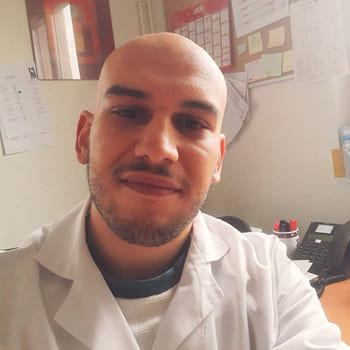
Sergey Ilyasov

PsychiatryNeurology7 years of experience

Dr Sergey Ilyasov is an experienced neurologist and qualified psychiatrist who provides online consultations for adults and adolescents. Combining deep neurological expertise with a modern psychiatric approach, he ensures comprehensive diagnostics and effective treatment for a wide range of conditions affecting both physical and mental health.

Dr. Ilyasov helps patients in the following cases:

  • Chronic headaches (migraine, tension-type headache), back pain, neuropathic pain, dizziness, numbness in limbs, coordination disorders.
  • Anxiety disorders (panic attacks, generalized anxiety disorder), depression (including atypical and treatment-resistant forms), sleep disturbances (insomnia, hypersomnia, nightmares), stress, burnout.
  • Chronic pain syndromes and psychosomatic symptoms (e.g., irritable bowel syndrome related to stress, vegetative-vascular dystonia).
  • Behavioral disorders and concentration difficulties in adolescents (including ADHD, autism spectrum disorders), nervous tics.
  • Memory impairments, phobias, obsessive-compulsive disorder (OCD), emotional swings, and support for post-traumatic stress disorder (PTSD).

Thanks to his dual specialization in neurology and psychiatry, Dr Sergey Ilyasov offers integrated and evidence-based care for complex conditions requiring a multidisciplinary approach. His consultations focus on accurate diagnosis, development of an individualized treatment plan (including pharmacotherapy and psychotherapeutic methods), and long-term support adapted to each patient's unique needs.

Book an online consultation with Dr. Sergey Ilyasov to receive qualified assistance and improve your well-being today.

Book a video appointment
€106
This page provides general information and does not replace a doctor’s consultation. If symptoms are severe, persistent or worsening, seek medical advice promptly.

A tic is a short movement or sound that comes out on its own: a child blinks over and over, jerks a shoulder, wrinkles their nose, clears their throat without having a cold. From the outside it looks like a bad habit or like play-acting, which is why tics attract more telling-off than almost any other childhood condition. In fact holding a tic in is about as hard as holding in a sneeze. Tics are common — a sizeable share of school-age children go through them — they usually appear at around five to seven years of age, and in most cases they fade away on their own with no treatment at all. They are not the result of poor parenting, they are not caused by a fright, and they are not something a family failed to prevent.

What they look like

Tics come in two groups. Motor tics are movements: blinking, screwing up the eyes, jerking the head, hitching a shoulder, grimacing, flinging out an arm, sometimes whole sequences such as turning round and touching an object. Vocal tics are sounds made on the out-breath: throat-clearing, sniffing, grunting, whistling and, less often, repeating a word or a scrap of a phrase.

A few features make a tic recognisable almost every time:

  • it comes in bouts: several jerks in a row, then a pause;
  • in older children it is preceded by a build-up of an unpleasant sensation — an itch in the eyelid, a lump in the throat, tightness in the shoulder — which the tic releases; children describe it as "I have to do it or it won't let go";
  • it changes over time: the blinking stops, sniffing takes its place, and six months later it is a shoulder jerk;
  • it comes in waves: barely noticeable one week, glaringly obvious the next month, and that does not mean anything has got worse;
  • during sleep there are usually no tics.

Young children often do not notice their own tics at all and are surprised when someone points them out. Awareness of the tic, and of the urge that comes before it, tends to arrive at around ten.

Why they flare up and settle down

Tics are very sensitive to the state a person is in. They get stronger with tiredness and short sleep, with excitement — happy excitement included, so there are more of them before a birthday and after a party than on an ordinary Tuesday — with stress, during a feverish illness, and when a child has nothing to do. And there is one amplifier of its own, the most unfair of the lot: talking about the tics. The more often they are mentioned, the more of them there are.

They ease off when a person is absorbed in something: playing an instrument, reading, building with bricks, deep in a game, talking about something that interests them. That is one reason teachers sometimes do not believe parents — in a lesson where the child is concentrating there may be no tics at all.

And here is the part that matters most for everyone around. A tic can be held back for a while — a minute, sometimes a few. That is exactly why adults draw the wrong conclusion: "So he can stop when he wants to." He can, but at a price. For all that time the person is occupied with nothing but holding on and cannot concentrate on anything else, and the moment the effort lets go the tics come out in a burst, more of them than usual for a while. The child who "behaved beautifully at the doctor's" gets home and discharges the whole lot in the hallway. That is not an act and not revenge on the parents; it is the direct consequence of an hour of self-restraint.

Where they come from

Tics are linked to the workings of the parts of the brain that start and stop movements. Nothing in the brain is being damaged, and tics on their own do not affect a child's development.

Heredity counts for a great deal: ask around and a relative usually turns up with a similar childhood history the family never talked about. Tics often travel alongside attention deficit hyperactivity disorder or obsessive thoughts and rituals, and sometimes those companions bother the child considerably more than the tics themselves.

What is not on the list of causes: upbringing, screens, sugar and "a tense atmosphere at home". Stress makes existing tics more visible, but it does not create them out of nothing. Less commonly tics are a side effect of stimulant medicines or a consequence of drug use; and very rarely the jerks are a sign of another condition of the nervous system — and that is precisely the situation in which a doctor is needed.

How long it lasts, and where Tourette's fits in

The usual course is that tics last a few months and go. If they persist for more than a year and there are both motor and vocal tics, the picture is called Tourette's syndrome. The name sounds heavy, and films tend to portray it as someone shouting obscenities, when in reality that affects a minority of people with the diagnosis. The word "Tourette's" by itself does not mean a severe course or a special outlook: it simply records that the tics are not a passing month but a persistent pattern.

The peak runs from about eight years of age to the middle of the teens. After that, in most people, tics weaken or disappear: by adulthood some are left with nothing and some with slight jerks that nobody but they themselves notice. You cannot predict from the strength of the tics at seven what things will look like at seventeen, and the reassuring part is that the direction of travel is usually good.

How to behave around a tic

There is one main rule: do not draw attention to the tic. It sounds simple and it is hard to keep, because a tic all but asks to be reacted to.

  • Do not comment and do not say "stop that" or "keep still". It never helps, and after such a request there are more tics, not fewer.
  • Do not punish and do not shame. The child is not to blame, and needs to hear that from you in words.
  • Do not discuss the tics in front of the child with grandparents, neighbours and doctors as though they were not in the room.
  • Do not make a child "show the tic" and do not film it without asking. If a doctor has asked for a video, record it in passing, without announcing it.
  • Explain calmly what is happening: it happens to plenty of people, the body sometimes makes extra movements, it will pass, there is nothing to be frightened of. Not knowing frightens children more than the tics do.
  • Tell the teacher and the sports coach, and ask them not to pull the child up on it. It helps if the child is allowed to step out of the classroom for a minute when it gets bad: the permission is used less often than parents fear, but it takes a lot of pressure off.
  • Protect sleep and keep the day from being overloaded: too little sleep is the most predictable amplifier of tics.
  • Watch for bullying separately. It is far more dangerous than the tics and needs adults to step in, not a "take no notice of them".

When a tic needs a doctor

Most children with tics need a doctor once: to confirm that these really are tics and to be told that nothing needs doing. But there are situations where an appointment is not optional:

  • the tic hurts or causes injury — violent head jerks, hitting oneself with a hand, biting the lip, movements that leave the neck aching;
  • tics appearing for the first time in an adult. Tics begin in childhood; jerky movements that start for the first time in adult life more often turn out to be a different movement disorder, and that has to be sorted out;
  • other neurological symptoms alongside the jerks: weakness in an arm or leg, unsteadiness, a change in handwriting, loss of skills already mastered, slowness, altered speech;
  • a sharp deterioration — tics that within a few days have become far stronger or changed beyond recognition, especially after a head injury, after an illness or on starting a new medicine;
  • the tics interfere with eating, sleeping, writing, school or work;
  • the child is suffering because of them: embarrassed, afraid to go to school, withdrawing, speaking badly of themselves;
  • low mood, anxiety, outbursts of anger or thoughts of self-harm have appeared alongside the tics.

Adults deserve a paragraph of their own, because something rare but important hides there. Among the causes of new movements in a young adult is Wilson's disease, a disorder of copper handling that strikes the liver and the nervous system at the same time. It is uncommon, but ordinary blood tests pick it up and it can be treated, and the earlier that starts the better the outcome. Findings like that are the reason new jerky movements in an adult are never left unexamined.

There is no test "for tics": the diagnosis rests on the account and on what the doctor sees. Investigations are not for everyone, only for those whose picture falls outside the usual.

What helps when tics get in the way

Start with the honest part: if the tics are mild and are not spoiling anyone's life, they do not need treating. The aim of treatment is not to abolish tics but to give the person back a life that is not organised around them.

The first thing offered is behavioural therapy, and it is not a series of chats about coping but the teaching of a specific skill. The person learns to notice the urge that comes before a tic and, at that moment, to make a different movement that cannot happen at the same time: for a shoulder tic, for instance, gently stretching the arm until the urge dies down. There is also a version in which, the other way round, you learn to sit with the urge without answering it. It takes several sessions, it suits children from about eight or nine and adults, and the gains hold if the techniques carry on being used after the course ends.

Medicines are needed by a minority — those whose tics are severe, painful or plainly disabling. Drugs acting on dopamine transmission are used, as are alpha-2 agonists, which have the advantage of helping with associated attention problems; for a single stubborn tic in one muscle, botulinum toxin injections are sometimes given. All of them carry side effects, from drowsiness and weight gain to movement problems, so this treatment is chosen by a doctor rather than over a pharmacy counter.

And often the thing to work on is not the tics at all: if a child has attention problems or obsessions, dealing with those makes life easier than any intervention aimed at the jerks.

What does not work, however keenly it is offered: special diets, vitamins and supplements "for the nervous system", nootropics, homoeopathy. There is no evidence of benefit in tics, and time and hope go into them.

Online consultation

A remote appointment suits the first conversation about tics very well. The doctor will ask how it all started, what exactly happens and in what circumstances it worsens, will look at a short video if you have one, and in most cases will already be able to say the main things: whether this looks like ordinary childhood tics, whether anything needs doing now and what to keep an eye on. The practical side gets covered too — how to answer classmates' questions, what to tell the teacher, how to rearrange the day so the child gets enough sleep. Online is also a convenient place to weigh up whether it is worth looking for behavioural therapy, and to come back later when the picture changes. Jerky movements appearing for the first time in an adult, other neurological symptoms or a sharp deterioration, on the other hand, call for a face-to-face neurological examination: video is no substitute for it.

This material is for information only and does not replace medical advice.

Consult with a doctor about Tics (nervous tics)

Consult with a doctor about Tics (nervous tics)

Discuss your symptoms and possible next steps with a doctor online.

Online doctors for Tics (nervous tics)

Discuss your symptoms and possible next steps for Tics (nervous tics) with a doctor online.

Doctor
5.0(15)

Sergey Ilyasov

PsychiatryNeurology7 years of experience

Dr Sergey Ilyasov is an experienced neurologist and qualified psychiatrist who provides online consultations for adults and adolescents. Combining deep neurological expertise with a modern psychiatric approach, he ensures comprehensive diagnostics and effective treatment for a wide range of conditions affecting both physical and mental health.

Dr. Ilyasov helps patients in the following cases:

  • Chronic headaches (migraine, tension-type headache), back pain, neuropathic pain, dizziness, numbness in limbs, coordination disorders.
  • Anxiety disorders (panic attacks, generalized anxiety disorder), depression (including atypical and treatment-resistant forms), sleep disturbances (insomnia, hypersomnia, nightmares), stress, burnout.
  • Chronic pain syndromes and psychosomatic symptoms (e.g., irritable bowel syndrome related to stress, vegetative-vascular dystonia).
  • Behavioral disorders and concentration difficulties in adolescents (including ADHD, autism spectrum disorders), nervous tics.
  • Memory impairments, phobias, obsessive-compulsive disorder (OCD), emotional swings, and support for post-traumatic stress disorder (PTSD).

Thanks to his dual specialization in neurology and psychiatry, Dr Sergey Ilyasov offers integrated and evidence-based care for complex conditions requiring a multidisciplinary approach. His consultations focus on accurate diagnosis, development of an individualized treatment plan (including pharmacotherapy and psychotherapeutic methods), and long-term support adapted to each patient's unique needs.

Book an online consultation with Dr. Sergey Ilyasov to receive qualified assistance and improve your well-being today.

Book a video appointment
€106
Doctor
5.0(12)

Yevgen Yakovenko

Family medicine12 years of experience

Dr. Yevgen Yakovenko is a licensed surgeon and general practitioner in Spain and Germany. He specialises in general, paediatric, and oncological surgery, internal medicine, and pain management. He offers online consultations for adults and children, combining surgical precision with therapeutic support. Dr Yakovenko works with patients across different countries and provides care in Ukrainian, Russian, English, and Spanish.

Areas of medical expertise:

  • Acute and chronic pain: headaches, muscle and joint pain, back pain, abdominal pain, postoperative pain. Identifying the cause, selecting treatment, and creating a care plan.
  • Internal medicine: heart, lungs, gastrointestinal tract, urinary system. Management of chronic conditions, symptom control, second opinions.
  • Pre- and postoperative care: risk assessment, decision-making support, follow-up after surgery, rehabilitation strategies.
  • General and paediatric surgery: hernias, appendicitis, congenital conditions, both planned and urgent surgeries.
  • Injuries and trauma: bruises, fractures, sprains, soft tissue damage, wound care, dressing, referral when in-person care is required.
  • Oncological surgery: diagnosis review, treatment planning, and long-term follow-up.
  • Obesity treatment and weight management: a medical approach to weight loss, including assessment of underlying causes, evaluation of comorbidities, development of a personalised plan (nutrition, physical activity, pharmacotherapy if needed), and ongoing progress monitoring.
  • Imaging interpretation: analysis of ultrasound, CT, MRI, and X-ray results, surgical planning based on imaging data.
  • Second opinions and medical navigation: clarifying diagnoses, reviewing current treatment plans, helping patients choose the best course of action.

Experience and qualifications:

  • 12+ years of clinical experience in university hospitals in Germany and Spain.
  • International education: Ukraine – Germany – Spain.
  • Member of the German Society of Surgeons (BDC).
  • Certified in radiological diagnostics and robotic surgery.
  • Active participant in international medical conferences and research.

Dr Yakovenko explains complex topics in a clear, accessible way. He works collaboratively with patients to analyse health issues and make evidence-based decisions. His approach is grounded in clinical excellence, scientific accuracy, and respect for each individual.

If you are unsure about a diagnosis, preparing for surgery, or want to discuss your test results – Dr Yakovenko will help you evaluate your options and move forward with confidence.

Book a video appointment
€72
Doctor
5.0(22)

Taisiia Proida

Psychiatry7 years of experience

Taisiia Proida is a general practitioner with a specialization in mental health and a cognitive behavioral therapist (CBT), a member of the European Psychiatric Association. She offers online consultations for adults aged 18 and over, combining evidence-based medicine with an individualised approach to mental health care. She specialises in consultations and ongoing support for a wide range of mental health concerns, including: 

  • Mood disorders: depression, bipolar disorder, postpartum depression.
  • Anxiety disorders: generalised anxiety, OCD, panic attacks, phobias.
  • Post-traumatic stress disorder (PTSD) and complex PTSD.
  • Attention deficit hyperactivity disorder (ADHD) and autism spectrum disorder (ASD). Assessment is provided only after an initial psychiatric evaluation and during a follow-up appointment.
  • Personality disorders and emotional instability.
  • Cyclothymia and mood fluctuations.
  • Schizophrenia spectrum and related conditions.

Dr. Proida combines clinical expertise with an empathetic approach, offering structured support based on evidence-based practices. Her work integrates CBT techniques with medical management, with a focus on anxiety and depressive disorders. She works with clients from different countries and cultural backgrounds, adapting her communication style and recommendations to individual needs. With experience in international clinical trials (Pfizer, Merck), she values clarity, trust, and collaborative partnership in patient care.

Book a video appointment
€156
Doctor
5.0(3)

Lina Travkina

Family medicine13 years of experience

Dr. Lina Travkina is a licensed family and preventive medicine doctor based in Italy. She provides online consultations for adults and children, supporting patients across all stages of care – from acute symptom management to long-term health monitoring and prevention.

Areas of medical care include:

  • Respiratory conditions: colds, flu, acute and chronic bronchitis, mild to moderate pneumonia, bronchial asthma.
  • ENT and eye conditions: sinusitis, tonsillitis, pharyngitis, otitis, infectious and allergic conjunctivitis.
  • Digestive issues: gastritis, acid reflux (GERD), IBS, dyspepsia, bloating, constipation, diarrhoea, functional bowel symptoms, intestinal infections.
  • Urological and infectious diseases: acute and recurrent cystitis, bladder and kidney infections, prevention of recurrent UTIs, asymptomatic bacteriuria.
  • Chronic conditions: hypertension, diabetes, hypercholesterolemia, metabolic syndrome, thyroid disorders, excess weight.
  • Neurological and general symptoms: headache, migraine, dizziness, fatigue, sleep disturbances, reduced concentration, anxiety, asthenia.
  • Chronic pain support: back, neck, joint, and muscle pain, tension syndromes, pain associated with osteochondrosis and chronic conditions.

Additional care areas:

  • Preventive consultations and check-up planning.
  • Medical advice and follow-up consultations.
  • Test interpretation and diagnostic guidance.
  • Structured support for undiagnosed complaints.
  • Second opinion on diagnoses and treatment plans.
  • Nutritional and lifestyle support for vitamin deficiencies, anaemia, metabolic issues.
  • Post-operative recovery support and pain management.
  • Preconception counselling and postpartum support.
  • Immunity support and strategies to reduce frequency of infections.

Dr. Travkina combines evidence-based medicine with an attentive, personalised approach. Her consultations focus not only on treatment, but also on prevention, recovery, and long-term wellbeing.

If during the consultation it becomes clear that your case requires in-person assessment or specialised care outside of her scope, the session will be terminated and the payment fully refunded.

Book a video appointment
€75
Doctor
5.0(19)

Nuno Tavares Lopes

Family medicineGeneral medicine18 years of experience

Dr. Nuno Tavares Lopes is a licensed physician in Portugal with 17 years of experience in emergency medicine, family and general practice, and public health. He is the Director of Medical and Public Health Services at an international healthcare network and serves as an external consultant for the WHO and ECDC.

  • Emergency care: infections, fever, chest/abdominal pain, minor injuries, paediatric emergencies
  • Family medicine: hypertension, diabetes, cholesterol, chronic disease management
  • Travel medicine: pre-travel advice, vaccinations, fit-to-fly certificates, travel-related illnesses
  • Sexual and reproductive health: PrEP, STD prevention, counselling, treatment
  • Weight management and wellness: personalised weight loss programmes, lifestyle guidance
  • Skin and ENT issues: acne, eczema, allergies, rashes, sore throat, sinusitis
  • Pain management: acute and chronic pain, post-surgical care
  • Public health: prevention, health screenings, long-term monitoring
  • Sick leave (Baixa médica) connected to Segurança Social in Portugal
  • IMT medical certificates for driving licence exchange
Dr. Nuno Tavares Lopes provides medical support for patients using GLP-1 medications (Mounjaro, Wegovy, Ozempic, Rybelsus) as part of a weight loss strategy. He offers individualised treatment planning, regular follow-up, dose adjustment, and advice on combining medication with sustainable lifestyle changes. Consultations follow the medical standards accepted in Europe.

Dr. Lopes also provides interpretation of medical tests, follow-up care for complex patients, and multilingual support. Whether for urgent concerns or long-term care, he helps patients act with clarity and confidence.

Book a video appointment
€70
Doctor
5.0(7)

Anastasiia Hladkykh

Psychiatry15 years of experience

Dr Anastasiia Hladkykh is a physician-psychotherapist and psychologist with over 14 years of experience working with individuals struggling with various types of addictions and their families. She provides online consultations for adults, combining medical knowledge with deep psychological support and practical tools.

Key areas of expertise:

  • Addiction treatment: alcohol and drug dependence, gambling addiction, compulsive behaviours, codependent relationships.
  • Support for families of addicted individuals, behavioural correction within the family system, guidance for maintaining remission.
  • Mental health: depression, bipolar disorder, obsessive-compulsive disorder (OCD), anxiety disorders, phobias, PTSD, generalised anxiety, emotional trauma, and the psychological impact of loss or emigration.
  • Psychoeducation: explaining complex mental health concepts in simple language, helping patients and their families understand diagnoses and treatment steps.
Therapeutic approach:
  • Client-centred, straightforward, and empathetic – focused on practical outcomes and emotional stabilisation.
  • Prescribes medications when needed, but always aims to minimise unnecessary pharmaceutical use.
  • Certified in multiple evidence-based methods: CBT, NLP (Master Practitioner), Ericksonian hypnosis, symbol drama, art therapy, and systemic therapy.
  • Each consultation results in a clear, structured plan – patients leave knowing exactly what to do next.
Experience and background:
  • Member of the German association Gesundheitpraktikerin and the NGO “Mit dem Sonne in jedem Herzen.”
  • More than 18 publications in international peer-reviewed journals, translated into several languages.
  • Volunteer work with Ukrainian refugees and military personnel at the University Clinic of Regensburg.
Book a video appointment
€156

Stay informed about Oladoctor

News about new services, product updates and useful information for patients.

Follow us on social media