Bg pattern

Skin tags

Skin tags are soft, skin-coloured growths on the skin. They are very common and are usually small and harmless.

If these symptoms are severe, persistent or worsening, seek medical advice promptly.

Prescription review online

Prescription review online

A doctor will review your case and issue a prescription if medically appropriate.

Talk to a doctor online

Talk to a doctor online

Discuss your symptoms and possible next steps with a doctor online.

This page provides general information and does not replace a doctor’s consultation. If symptoms are severe, persistent or worsening, seek medical advice promptly.

Skin tags are soft, skin-coloured growths on the skin. They are very common and are usually small and harmless.

Symptoms of a skin tag

Skin tags are usually the same colour as the rest of your skin, or a little darker. They can look like they're hanging off the skin. They do not usually hurt and are normally harmless.

Skin tags often grow where your skin rubs together or where there are folds in your skin.

This means they usually appear:

  • on your neck
  • under your arms
  • on your eyelids
  • under your breasts
  • around your bottom

Skin tags range in size from around 2mm to 5cm. You may get one or you may get a large group of them.

Differences between skin tags, warts and moles

Skin tags can sometimes be confused with warts or moles, but they are different.

  • Warts are more commonly found on the hands and feet. Most warts are firm, raised off the skin and have a rough surface.
  • Moles are usually found on areas of skin exposed to the sun. They are usually a different colour to the rest of your skin and can be pink, light brown, brown or darker brown depending on the colour of your skin tone. Moles are usually flat and round or oval.

 See a GP if: 

You have a skin tag that:

  • gets bigger
  • becomes painful
  • starts bleeding
  • develops into lots of skin tags

Treatment for skin tags

Skin tags do not need to be removed, but if they're causing problems they can be removed:

  • using heat
  • by freezing them
  • by cutting them off with a surgical blade or scissors

Once a skin tag is removed it does not usually return.

Removing skin tags can cause scarring or darken skin (hyperpigmentation) where the skin tag was, particularly on black or brown skin. These effects are usually temporary, although it can sometimes be permanent.

 Do not remove your own skin tag 

Do not try to remove a skin tag yourself unless a GP recommends it. Risks include infection, bleeding and scarring.

Causes of skin tags

The cause of skin tags is not always known, but they are sometimes caused by skin rubbing against skin.

Anyone can get skin tags and they cannot be prevented, but you may be more likely to get them if:

  • you're living with obesity or have skin folds that rub together
  • you have type 2 diabetes, because severe insulin resistance is thought to cause more skin tags to grow
  • you're pregnant, as hormonal changes are thought to cause skin tag growth

Consult with a doctor about Skin tags

Consult with a doctor about Skin tags

Discuss your symptoms and possible next steps with a doctor online.

Online doctors for Skin tags

Discuss your symptoms and possible next steps for Skin tags with a doctor online.
5.0 (25)
Doctor

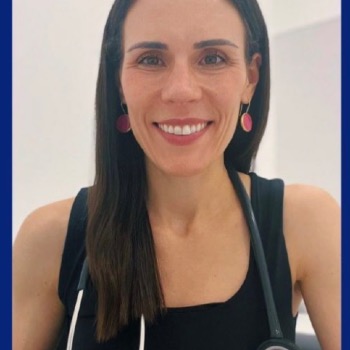
Lina Travkina

Family medicine 13 years exp.

Dr. Lina Travkina is a licensed family and preventive medicine doctor based in Italy. She provides online consultations for adults and children, supporting patients across all stages of care – from acute symptom management to long-term health monitoring and prevention.

Areas of medical care include:

  • Respiratory conditions: colds, flu, acute and chronic bronchitis, mild to moderate pneumonia, bronchial asthma.
  • ENT and eye conditions: sinusitis, tonsillitis, pharyngitis, otitis, infectious and allergic conjunctivitis.
  • Digestive issues: gastritis, acid reflux (GERD), IBS, dyspepsia, bloating, constipation, diarrhoea, functional bowel symptoms, intestinal infections.
  • Urological and infectious diseases: acute and recurrent cystitis, bladder and kidney infections, prevention of recurrent UTIs, asymptomatic bacteriuria.
  • Chronic conditions: hypertension, diabetes, hypercholesterolemia, metabolic syndrome, thyroid disorders, excess weight.
  • Neurological and general symptoms: headache, migraine, dizziness, fatigue, sleep disturbances, reduced concentration, anxiety, asthenia.
  • Chronic pain support: back, neck, joint, and muscle pain, tension syndromes, pain associated with osteochondrosis and chronic conditions.

Additional care areas:

  • Preventive consultations and check-up planning.
  • Medical advice and follow-up consultations.
  • Test interpretation and diagnostic guidance.
  • Structured support for undiagnosed complaints.
  • Second opinion on diagnoses and treatment plans.
  • Nutritional and lifestyle support for vitamin deficiencies, anaemia, metabolic issues.
  • Post-operative recovery support and pain management.
  • Preconception counselling and postpartum support.
  • Immunity support and strategies to reduce frequency of infections.

Dr. Travkina combines evidence-based medicine with an attentive, personalised approach. Her consultations focus not only on treatment, but also on prevention, recovery, and long-term wellbeing.

If during the consultation it becomes clear that your case requires in-person assessment or specialised care outside of her scope, the session will be terminated and the payment fully refunded.

5.0 (32)
Doctor

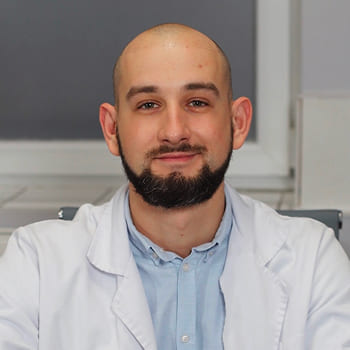
Dmytro Horobets

Family medicine 7 years exp.

Dr. Dmytro Horobets is a licensed family medicine physician in Poland, specialising in endocrinology, diabetology, obesity management, gastroenterology, pediatrics, general surgery, and pain medicine. He offers online consultations for adults and children, providing personalised medical support for a wide range of acute and chronic health concerns.

Areas of expertise:

  • Endocrinology: diabetes type 1 and type 2, prediabetes, thyroid disorders, metabolic syndrome, hormonal imbalance.
  • Obesity medicine: structured weight management plans, nutritional counselling, obesity-related health risks.
  • Gastroenterology: acid reflux (GERD), gastritis, irritable bowel syndrome (IBS), liver and biliary conditions.
  • Pediatric care: infections, respiratory symptoms, digestive issues, growth and development monitoring.
  • General surgery support: pre- and post-surgical consultations, wound care, rehabilitation.
  • Pain management: chronic and acute pain, back pain, joint pain, post-traumatic pain syndromes.
  • Cardiovascular health: hypertension, cholesterol control, risk assessment for heart disease.
  • Preventive medicine: regular check-ups, health screenings, long-term management of chronic conditions.

Dr. Horobets combines evidence-based medicine with a patient-centred approach. He carefully evaluates each patient’s medical history and symptoms, offering clear explanations and structured treatment plans adapted to individual needs.

Whether you need help managing diabetes, tackling weight-related health issues, interpreting lab results, or receiving general family medicine support, Dr. Horobets provides professional online care tailored to your specific health goals.

2
bg-pattern-dark

Stay informed about Oladoctor

News about new services, product updates and useful information for patients.

Follow us on social media