Bg pattern

Scleroderma

Scleroderma is the name for a range of conditions that affect your immune system (autoimmune conditions) and can cause hard, thickened areas of skin and sometimes problems with muscles, bones, internal organs and blood vessels.

Prescription review online

Prescription review online

A doctor will review your case and issue a prescription if medically appropriate.

Talk to a doctor online

Talk to a doctor online

Discuss your symptoms and possible next steps with a doctor online.

5.0 (5)
Doctor

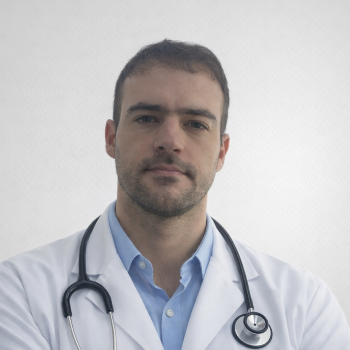
Tomasz Grzelewski

Dermatology 21 years exp.

Dr Tomasz Grzelewski is an MD, PhD specialist in allergy, paediatrics, general practice and sports medicine, with a clinical focus on dermatology, endocrinology, allergology and sports-related health. He has more than 20 years of clinical experience and completed his medical training at the Medical University of Łódź, where he defended his PhD thesis with distinction. His doctoral research was recognised by the Polish Society of Allergology for its innovative contribution to the field. Throughout his career, he has gained extensive expertise in diagnosing and managing a wide range of allergic and paediatric conditions, including modern allergen desensitisation techniques. For five years, Dr Grzelewski served as the Head of two paediatric departments in Poland, managing complex clinical cases and leading multidisciplinary teams. He also worked in medical centres in the United Kingdom, gaining experience across both primary care and specialist environments. With over a decade of telemedicine experience, he has provided online consultations across Europe and is valued for his clear, structured and evidence-based medical guidance. Dr Grzelewski is actively involved in clinical programmes focused on modern anti-allergic therapies. As a Principal Investigator, he leads research projects on sublingual and oral allergen desensitisation, supporting evidence-based progress in allergy treatment for both children and adults. In addition to his background in allergology and paediatrics, he completed dermatology studies through the Cambridge Education Group (Royal College of Physicians of Ireland) and a Clinical Endocrinology course at Harvard Medical School. This advanced training enhances his ability to manage skin manifestations of allergies, atopic conditions, urticaria, endocrine-related symptoms and complex immunological reactions. Patients commonly seek his care for: 

  • seasonal and perennial allergies
  • allergic rhinitis and chronic nasal symptoms
  • asthma and breathing difficulties
  • food and medication allergies
  • urticaria, atopic dermatitis and skin reactions
  • recurrent infections in children
  • sports-related health questions
  • general family medicine concerns

Dr Tomasz Grzelewski is known for his clear communication style, structured medical approach and ability to explain treatment options in a concise and accessible way. His multidisciplinary background across allergy, paediatrics, dermatology and endocrinology allows him to provide safe, up-to-date and comprehensive care for patients of all ages.

Camera Book a video appointment
€86
This page provides general information and does not replace a doctor’s consultation. If symptoms are severe, persistent or worsening, seek medical advice promptly.

Scleroderma is the name for a range of conditions that affect your immune system (autoimmune conditions) and can cause hard, thickened areas of skin and sometimes problems with muscles, bones, internal organs and blood vessels.

The two main types of scleroderma are:

  • localised scleroderma (morphoea) – this mostly affects the skin but some types can also affect tissues under the skin, such as muscle and bone
  • systemic sclerosis  – this may affect blood circulation and internal organs as well as the skin

There are also different types of localised scleroderma and systemic sclerosis. Some types may eventually improve on their own, while others can lead to severe and life-threatening problems.

Although there's no cure for scleroderma, symptoms can usually be managed by a range of different treatments.

Localised scleroderma 

Localised scleroderma (morphoea) can affect both children and adults.

It mostly affects the skin, causing 1 or more hard patches to develop. But it can also affect tissues such as muscle and bone under the skin.

Exactly how the skin is affected depends on the type of localised scleroderma. There are 2 main types, called plaque and linear morphoea.

Plaque morphoea:

  • is most common in adults
  • causes 1 or more discoloured oval patches on the skin, which may be hairless and shiny
  • can appear anywhere on the body
  • may improve after a few years and treatment may not be needed

Linear morphoea:

  • causes thickened skin in lines – mostly along the arms and legs of children, but also on the forehead and scalp
  • can affect underlying bone and muscle
  • may improve after a few years, although it can cause permanent problems, such as shortened limbs or vision problems

Systemic sclerosis

In systemic sclerosis, internal organs can be affected as well as the skin. This type mostly affects women and usually develops between 30 and 50 years of age. Children are rarely affected.

There are 2 types of systemic sclerosis:

  • limited cutaneous systemic sclerosis
  • diffuse systemic sclerosis

Limited cutaneous systemic sclerosis:

  • usually only affects skin on the hands, lower arms, feet, lower legs and face, although it can eventually affect the lungs and digestive system too
  • often starts as Raynaud's (a circulation problem where fingers and toes turn white in the cold)
  • can have other typical symptoms that include thickening of the skin over the hands, feet and face, red spots on the skin, hard lumps under the skin, heartburn and problems swallowing (dysphagia)
  • tends to get gradually worse over time, although it's generally less severe than diffuse systemic sclerosis and can often be controlled with treatment

Diffuse systemic sclerosis:

  • causes skin changes that can affect the whole body
  • is more likely to affect internal organs
  • has other symptoms that can include weight loss, fatigue, and joint pain and stiffness

In some cases of systemic sclerosis, organs such as the heart, lungs or kidneys are affected. This can cause a range of potentially serious problems, such as shortness of breathhigh blood pressure and pulmonary hypertension.

Causes of scleroderma 

Normally, the body's immune system fights off any germs that infect the body. It responds like this to anything in the body it doesn't recognise, and settles down when the infection has been cleared.

It's thought scleroderma occurs because part of the immune system has become overactive and out of control. This leads to cells in the connective tissue producing too much collagen, causing scarring and thickening (fibrosis) of the tissue.

It's not clear why this happens. Certain genes are thought to be involved, and having a close family member with the condition may increase your risk.

How scleroderma is treated

The aim of treatment is to relieve symptoms, prevent the condition getting worse, detect and treat any complications (such as pulmonary hypertension) and help you maintain the use of affected parts of the body.

Common treatments include:

  • medication to improve circulation
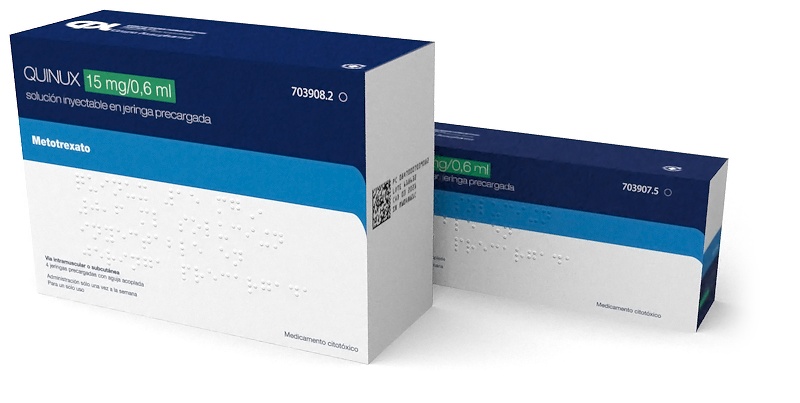
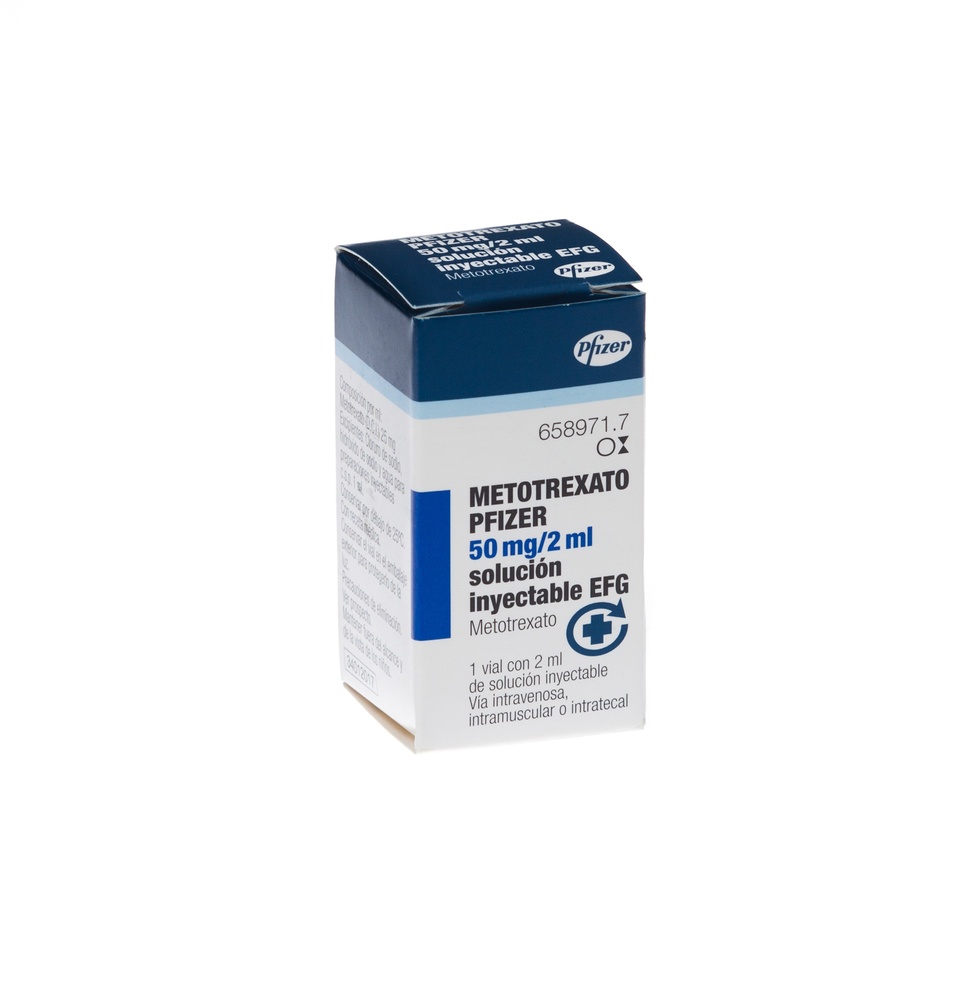
  • medicines that reduce the activity of the immune system and slow the progression of the condition
  • steroids to relieve joint and muscle problems
  • moisturising affected areas of skin to help keep it supple and relieve itchiness
  • various medicines to control other symptoms (such as pain, heartburn and high blood pressure)

You will also need regular blood pressure checks and other tests to check for any problems with your organs.

If your symptoms are severe, surgery may be needed. For example, hard lumps under the skin may need to be removed, and tightened muscles may need to be loosened.

Newer treatments such as laser therapy and photodynamic therapy may also be available.

Living with scleroderma

There are many therapies and lifestyle changes that can help reduce the impact of scleroderma on your life.

Regular physiotherapy and stretching exercises may help keep your muscles supple and loosen tight skin.

An occupational therapist can help you adapt to any movement difficulties by suggesting changes to your home and advising you on equipment to make daily life easier.

If you're affected by Raynaud's, you'll need to keep your hands and feet warm in the cold by wearing thick gloves and socks. Read more about treating Raynaud's.

It's important to eat healthily, exercise regularly and stop smoking (if you smoke) to keep blood pressure under control and improve your circulation. Read more about controlling high blood pressure.

Systemic sclerosis and pregnancy

Women with systemic sclerosis may find it harder to get pregnant and could have a slightly higher risk of miscarriage and giving birth prematurely.

However, if the pregnancy is planned in consultation with a doctor during a period when the condition is stable, there's no reason why a woman with systemic sclerosis cannot have a successful pregnancy.

Consult with a doctor about Scleroderma

Consult with a doctor about Scleroderma

Discuss your symptoms and possible next steps with a doctor online.

Online doctors for Scleroderma

Discuss your symptoms and possible next steps for Scleroderma with a doctor online.
5.0 (2)
Doctor

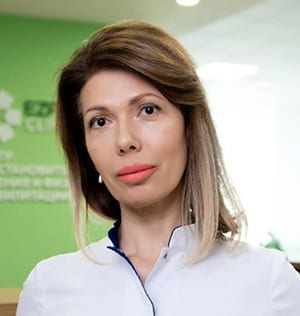
Alexander Nazarchuk

Allergology 7 years exp.

Dr. Alexander Nazarchuk is a physician specialising in allergology and internal medicine. He provides online consultations for adults, following the principles of evidence-based medicine — no outdated treatments or unnecessary tests, with clear explanations and a personalised approach. He helps patients with a wide range of allergic and therapeutic conditions, from common day-to-day complaints to complex cases involving allergies, gastrointestinal issues, cardiovascular concerns, respiratory symptoms, and more.

You can consult Dr. Nazarchuk for:

  • Test interpretation and guidance on diagnostic plans.
  • Allergic rhinitis, hay fever, bronchial asthma (including severe cases).
  • Food and drug allergies, skin rashes, angioedema.
  • Atopic dermatitis, urticaria, contact allergies.
  • Allergen-specific immunotherapy (AIT) – initiation and ongoing management.
  • Abdominal pain, bloating, changes in bowel habits, nausea, heartburn.
  • High blood pressure and adjustment of baseline antihypertensive therapy.
  • Hyperlipidaemia and elevated cholesterol.
  • Cough, nasal congestion, fever, sore throat.
  • Anaemia, including iron deficiency and related conditions.
  • Other issues related to allergology and internal medicine.

During consultations, Dr. Nazarchuk takes a thorough, structured approach — analysing symptoms, identifying potential causes, and helping patients make informed decisions. Whether treatment, further investigation, or monitoring is needed, he explains each step clearly so you understand your health and how best to manage it.

Camera Book a video appointment
€66
5.0 (5)
Doctor

Tomasz Grzelewski

Dermatology 21 years exp.

Dr Tomasz Grzelewski is an MD, PhD specialist in allergy, paediatrics, general practice and sports medicine, with a clinical focus on dermatology, endocrinology, allergology and sports-related health. He has more than 20 years of clinical experience and completed his medical training at the Medical University of Łódź, where he defended his PhD thesis with distinction. His doctoral research was recognised by the Polish Society of Allergology for its innovative contribution to the field. Throughout his career, he has gained extensive expertise in diagnosing and managing a wide range of allergic and paediatric conditions, including modern allergen desensitisation techniques. For five years, Dr Grzelewski served as the Head of two paediatric departments in Poland, managing complex clinical cases and leading multidisciplinary teams. He also worked in medical centres in the United Kingdom, gaining experience across both primary care and specialist environments. With over a decade of telemedicine experience, he has provided online consultations across Europe and is valued for his clear, structured and evidence-based medical guidance. Dr Grzelewski is actively involved in clinical programmes focused on modern anti-allergic therapies. As a Principal Investigator, he leads research projects on sublingual and oral allergen desensitisation, supporting evidence-based progress in allergy treatment for both children and adults. In addition to his background in allergology and paediatrics, he completed dermatology studies through the Cambridge Education Group (Royal College of Physicians of Ireland) and a Clinical Endocrinology course at Harvard Medical School. This advanced training enhances his ability to manage skin manifestations of allergies, atopic conditions, urticaria, endocrine-related symptoms and complex immunological reactions. Patients commonly seek his care for: 

  • seasonal and perennial allergies
  • allergic rhinitis and chronic nasal symptoms
  • asthma and breathing difficulties
  • food and medication allergies
  • urticaria, atopic dermatitis and skin reactions
  • recurrent infections in children
  • sports-related health questions
  • general family medicine concerns

Dr Tomasz Grzelewski is known for his clear communication style, structured medical approach and ability to explain treatment options in a concise and accessible way. His multidisciplinary background across allergy, paediatrics, dermatology and endocrinology allows him to provide safe, up-to-date and comprehensive care for patients of all ages.

Camera Book a video appointment
€86
0.0 (0)
Doctor

Joao Silva

General medicine 6 years exp.

Dr. João Silva is a physician with training and experience in the field of General and Family Medicine, dedicated to providing healthcare focused on the well-being and quality of life of his patients. Throughout his professional career, he has developed broad clinical competencies, striving to maintain a medical practice based on scientific evidence and continuous knowledge updates.

Between 2013 and 2019, he completed the Integrated Master's Degree in Medicine at the Abel Salazar Institute of Biomedical Sciences in Porto, where he acquired a solid academic and clinical education.

Subsequently, between January 2021 and December 2021, he completed the General Internship at the Entre Douro e Vouga Hospital Center in Santa Maria da Feira, where he had the opportunity to work in different hospital settings and deepen his competencies in several areas of medicine.

From January 2022 until March 2026, he works as a Resident Physician in General and Family Medicine at USF Salvador Machado in Oliveira de Azeméis, developing clinical activities in primary healthcare, follow-up of chronic patients, and health promotion in the community.

Complementing his medical training, Dr. João Silva also completed a Postgraduate Degree in Continuing and Palliative Care at CESPU, strengthening his preparation in the comprehensive approach to patient care, especially in situations requiring prolonged care and multidisciplinary support.

Camera Book a video appointment
€61
bg-pattern-dark

Stay informed about Oladoctor

News about new services, product updates and useful information for patients.

Follow us on social media