Bg pattern

Pulmonary hypertension

Pulmonary hypertension is high blood pressure in theblood vessels that supply the lungs (pulmonary arteries).

Prescription review online

Prescription review online

A doctor will review your case and issue a prescription if medically appropriate.

Talk to a doctor online

Talk to a doctor online

Discuss your symptoms and possible next steps with a doctor online.

0.0 (0)
Doctor

Sviatoslav Chekhun

Oncology 13 years exp.

Dr. Sviatoslav Chekhun is a medical oncologist with international clinical and research experience, specializing in modern medical oncology and a personalized approach to cancer treatment.

Currently (since 2025), he works as a Medical Oncologist at Institut Català d’Oncologia (Girona, Spain). Previously, he completed his residency in Medical Oncology and was involved in clinical research at Hospital Universitari Germans Trias i Pujol.

Dr. Chekhun has a strong academic and scientific background. He served as a lecturer in Internal Medicine at O.O. Bohomolets National Medical University and conducted research in experimental oncology at the R.E. Kavetsky Institute of Experimental Pathology, Oncology and Radiobiology.

Earlier in his career, he worked as a medical oncologist at the Kyiv City Clinical Oncological Center and contributed to regulatory evaluation of medicinal products at the State Expert Center of the Ministry of Health of Ukraine.

When to consult Dr. Chekhun:

  •  for diagnosis or clarification of a cancer diagnosis
  •  to obtain a second opinion on an existing treatment plan 
  •  when you need a personalized treatment strategy 
  •  for interpretation of test results, CT, MRI, PET-CT, and biopsies 
  •  when choosing between treatment options (chemotherapy, targeted therapy, immunotherapy) 
  •  in case of doubts about treatment strategy or disease progression 

Consultation format

Dr. Chekhun provides online consultations, where you can receive:

  •  expert second opinion 
  •  detailed case review 
  •  recommendations based on current international treatment guidelines 
  •  personalized treatment and follow-up plan 

Important:
Prescription and monitoring of medications must be carried out by your treating physician in an in-person (offline) setting. An online consultation does not replace a face-to-face visit but helps you make more informed decisions about your treatment.

Dr. Sviatoslav Chekhun combines clinical practice, research, and international experience, enabling him to provide patients with modern, evidence-based approaches in oncology.

This page provides general information and does not replace a doctor’s consultation. If symptoms are severe, persistent or worsening, seek medical advice promptly.

Pulmonary hypertension is high blood pressure in the blood vessels that supply the lungs (pulmonary arteries).

It's a serious condition that can damage the right side of the heart.

The walls of the pulmonary arteries become thick and stiff, and cannot expand as well to allow blood through.

The reduced blood flow makes it harder for the right side of the heart to pump blood through the arteries.

If the right side of your heart has to continually work harder, it can gradually become weaker. This can lead to heart failure.

Pulmonary hypertension is a rare condition that can affect people of all ages, but it's more common in people who have another heart or lung condition.

Symptoms of pulmonary hypertension

Symptoms of pulmonary hypertension include:

The symptoms often get worse during exercise, which can limit your ability to take part in physical activities.

If you have a type of pulmonary hypertension known as pulmonary arterial hypertension (PAH), you may not have any symptoms until the condition is quite advanced.

When to get medical help

See a GP if you have any symptoms of pulmonary hypertension. They may ask you about your symptoms and medical history, and they may carry out a physical examination.

Call 112 or go to A&E if you get sudden chest pain that does not stop after a few minutes, or you have heart palpitations with chest pain, shortness of breath or feeling faint. These could be a sign of another condition such as a blood clot in your lungs or a serious heart problem.

Correctly diagnosing pulmonary hypertension can sometimes take time because its symptoms are similar to those of many other heart and lung conditions.

Tests you may have include a type of heart scan called an echocardiogram, and right heart catheterisation, where a thin, flexible tube is inserted into your pulmonary artery.

Read more about how pulmonary hypertension is diagnosed.

Causes of pulmonary hypertension

The changes in the pulmonary arteries that lead to pulmonary hypertension can be caused by:

  • various conditions that cause problems with the smaller branches of the pulmonary arteries (PAH)
  • conditions that affect the left side of the heart
  • lung diseases or a shortage of oxygen in the body (hypoxia)
  • blood clots that cause narrowing or a blockage in the pulmonary arteries

Read more about the causes of pulmonary hypertension.

Treating pulmonary hypertension

Pulmonary hypertension cannot be cured, but treatment can reduce the symptoms and help you manage your condition. 

Pulmonary hypertension usually gets worse over time. Left untreated, it may cause heart failure, which can be fatal, so it's important treatment is started as soon as possible.

If another condition is causing pulmonary hypertension, the underlying condition should be treated first. This can sometimes prevent the pulmonary arteries being permanently damaged.

Treatments for pulmonary hypertension may include anticoagulant medicines to reduce the blood's ability to thicken (clot) and diuretics to remove excess fluid as a result of heart failure.

You may also be offered medicine to widen the blood vessels.

Home oxygen therapy may also be prescribed if the level of oxygen in your blood is low.

Read more about treating pulmonary hypertension.

Outlook

The outlook for pulmonary hypertension varies, depending on factors such as:

  • what's causing it
  • how quickly it's diagnosed
  • how advanced your symptoms are
  • whether you have another underlying health condition

The specialist in charge of your care will be able to give you more detailed information.

Having pulmonary hypertension can affect your ability to carry out everyday activities.

 Causes Pulmonary hypertension 

Pulmonary hypertension is caused by changes to the pulmonary arteries, the blood vessels that carry blood from the heart to the lungs.

There are 5 main types of pulmonary hypertension.

Pulmonary arterial hypertension

Pulmonary arterial hypertension (PAH) covers several conditions that cause changes in the smaller branches of the pulmonary arteries.

The walls of the arteries become thick and stiff, narrowing the space for blood to pass through and increasing blood pressure.

PAH can be caused by conditions including:

  • connective tissue diseases – such as scleroderma, a condition that causes thickened areas of skin and problems with blood vessels
  • congenital heart problems – such as a hole in the heart
  • portal hypertension – abnormally high blood pressure in the vein that takes blood to the liver, usually caused by a problem with the liver
  • HIV

It can also be caused by certain medicines or drugs.

A small number of people develop PAH without having any other medical condition. This is called idiopathic PAH. In very rare cases, PAH can be inherited. 

Persistent pulmonary hypertension of the newborn

In rare cases, newborn babies can have high pressure inside their blood vessels, which means their heart cannot pump enough oxygenated blood around their body. This is known as persistent pulmonary hypertension of the newborn (PPHN).

Treatment in an intensive care unit may be needed if simple measures such as keeping the baby warm and giving oxygen do not increase oxygen levels to normal.

Pulmonary hypertension linked to left heart disease

If there are problems with the left side of the heart, the right side has to work harder to pump blood through the lungs. This increases blood pressure in the pulmonary arteries.

Problems with the left side of the heart are thought to be one of the most common causes of pulmonary hypertension. These include mitral valve problems, left ventricle problems and aortic valve conditions.

Pulmonary hypertension linked with lung disease or lack of oxygen

Pulmonary hypertension is also sometimes linked with lung diseases or lack of oxygen (hypoxia), including:

  • chronic obstructive pulmonary disease (COPD) – a number of lung conditions that affect breathing
  • interstitial lung disease – a group of lung disorders that cause scarring of the lung tissue, which makes it difficult to get enough oxygen into your body
  • conditions that affect breathing while you're in a deep sleep – such as sleep apnoea

Low levels of oxygen in the blood make the pulmonary arteries narrow. This squeezes the blood into a smaller space, which increases blood pressure, causing pulmonary hypertension.

Pulmonary hypertension caused by blood clots

Pulmonary hypertension can sometimes be caused by scars from previous blood clots that narrow or block the pulmonary arteries. This is called chronic thromboembolic pulmonary hypertension.

A blood clot that blocks one of the blood vessels that supply your lungs is called a pulmonary embolism.

Pulmonary hypertension caused by other conditions

Other, less common, causes of pulmonary hypertension include: 

  • conditions that cause inflammation, including sarcoidosis and vasculitis
  • metabolic conditions such as thyroid disease and glycogen storage disease
  • blood disorders such as sickle cell disease and thalassaemia
  • chronic kidney disease
  • compression of the blood vessels in the lungs – for example, as the result of a tumour

Read about how pulmonary hypertension is diagnosed.

 Diagnosis Pulmonary hypertension 

Pulmonary hypertension can be difficult to diagnose because the symptoms are similar to those of other heart or lung conditions.

This means there can sometimes be a delay before a correct diagnosis is made.

See a GP if you have symptoms of pulmonary hypertension, such as breathlessness and tiredness.

Initial assessment

A GP may ask about:

  • your symptoms and how they affect your life
  • your family history – although rare, pulmonary arterial hypertension can run in families
  • any medicine you're currently taking
  • any other medical conditions you have

You may also have a physical examination where a GP will listen to your heart and lungs, and check for any swelling in your legs or ankles.

Consult with a doctor about Pulmonary hypertension

Consult with a doctor about Pulmonary hypertension

Discuss your symptoms and possible next steps with a doctor online.

Further tests

If a GP thinks you may have pulmonary hypertension, they'll recommend further tests.

The 2 main tests used to help diagnose the condition are:

  • an echocardiogram – a scan that uses high-frequency sound waves to create an image of the heart; it's used to estimate the pressure in your pulmonary arteries and test how well both sides of your heart are pumping
  • right heart catheterisation – a thin, flexible tube (catheter) is inserted into a vein in your neck, arm or groin, and passed through to your pulmonary artery to confirm a diagnosis by accurately measuring the blood pressure in the right side of your heart and pulmonary arteries; it's carried out in specialist national pulmonary hypertension centres

Other tests you may have include:

  • an electrocardiogram (ECG) – a simple test that can be used to check your heart's rhythm and electrical activity
  • a chest X-ray – to check for symptoms such as an enlarged heart or scarring in your lungs, which can cause shortness of breath
  • lung function tests – to assess how well your lungs work
  • exercise tests – where you carry out some form of exercise while your heart rate, blood pressure and oxygen levels are monitored
  • a ventilation-perfusion scan – where the amount of air and blood flow in your lungs is measured; it's used to look for blood clots that may be causing pulmonary hypertension
  • blood tests – to rule out other possible conditions, such as thyroid and liver disease

Classifying pulmonary hypertension

If you're diagnosed with pulmonary hypertension, your condition will be classified depending on how severe your symptoms are. This is to help work out the best treatment for you.

It's usually classified into 4 types, where: 

  • ordinary physical activities do not cause any symptoms
  • ordinary physical activities cause symptoms, such as chest pain or tiredness, but you do not have any symptoms when resting
  • even slight physical activities, such as moving your arms, cause symptoms, but you do not have any symptoms when resting
  • you have symptoms when resting that get worse with any type of physical activity

Read about how pulmonary hypertension is treated.

 Treatment Pulmonary hypertension 

Pulmonary hypertension cannot be cured, but treatments can reduce your symptoms and help you manage your condition.

If the cause is identified and treated early, it may be possible to prevent permanent damage to your pulmonary arteries, which are the blood vessels that supply your lungs.

Treating underlying conditions

If pulmonary hypertension is caused by another condition, such as a heart or lung problem, treatments will focus on the underlying condition.

If pulmonary hypertension is caused by blood clots that block the pulmonary arteries, you may be offered anticoagulant medicines to prevent more clots forming. 

You may also be offered an operation known as a pulmonary endarterectomy.

Specialist centres for pulmonary hypertension

If you have pulmonary hypertension, you'll usually be referred to a centre that specialises in treating this condition. There are 7 centres in England and 1 in Scotland.

They are:

Treatments for pulmonary hypertension

There are many treatments for pulmonary hypertension. Which treatment or combination of treatments you'll be offered will depend on a number of factors, including what type of pulmonary hypertension you have, what's causing it and the severity of your symptoms.

Treatments include:

  • anticoagulant medicines – such as warfarin to help prevent blood clots
  • diuretics (water tablets) – to remove excess fluid from the body caused by heart failure
  • home oxygen therapy – this involves inhaling air that contains a higher concentration of oxygen than normal
  • digoxin – this can improve your symptoms by strengthening your heart muscle contractions and slowing down your heart rate

There are also a number of specialist treatments for pulmonary hypertension that help relax the arteries in the lungs and reduce the blood pressure in the lungs.

These medicines may slow the progression of pulmonary hypertension, and may help to control or reduce the symptoms.

Other treatments that are sometimes used are:

  • endothelin receptor antagonists – such as bosentan, ambrisentan and macitentan
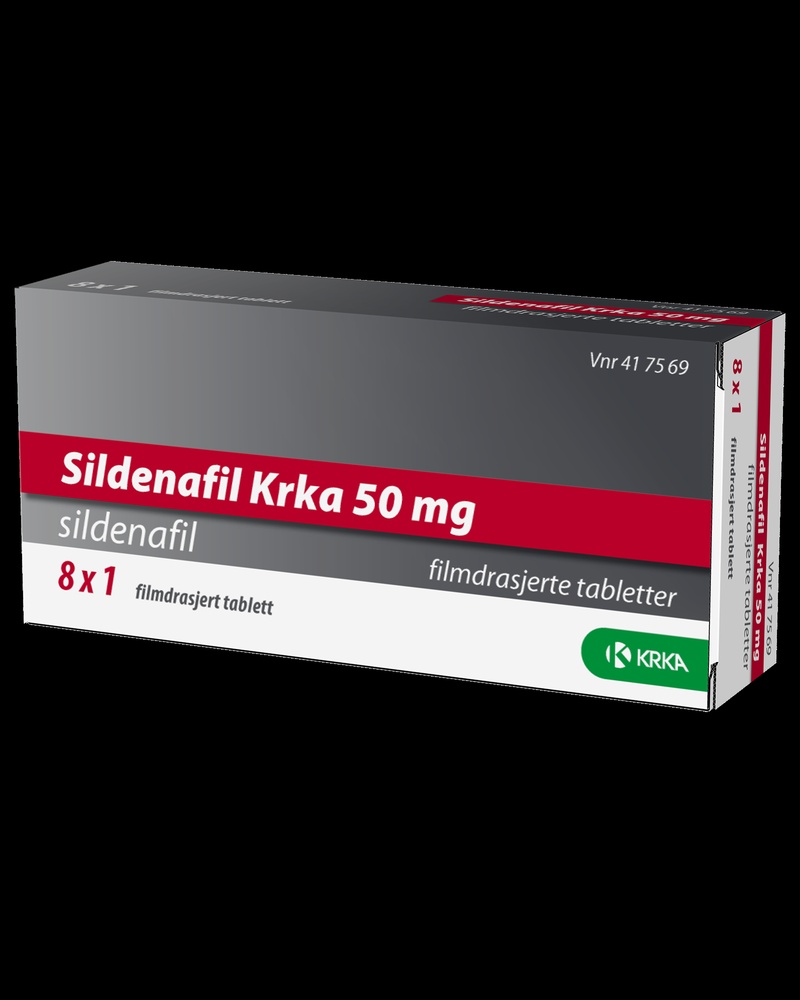
  • phosphodiesterase 5 inhibitorssildenafil and tadalafil
  • prostaglandins – epoprostenol, iloprost and treprostinil
  • soluble guanylate cyclase stimulators – such as riociguat
  • calcium channel blockers – nifedipine, diltiazem, nicardipine and amlodipine

Surgery and procedures for pulmonary hypertension

Some people with pulmonary hypertension may need surgery. The types of surgery currently used are:

  • pulmonary endarterectomy – an operation to remove old blood clots from the pulmonary arteries in the lungs in people with chronic thromboembolic pulmonary hypertension
  • balloon pulmonary angioplasty – a new procedure where a tiny balloon is guided into the arteries and inflated for a few seconds to push the blockage aside and restore blood flow to the lung; it may be considered if pulmonary endarterectomy is not suitable, and has been shown to lower blood pressure in the lung arteries, improve breathing, and increase the ability to exercise
  • atrial septostomy – a small hole is made in the wall between the left and right atria of the heart using a cardiac catheter, a thin, flexible tube inserted into the heart's chambers or blood vessels; it reduces the pressure in the right side of the heart, so the heart can pump more efficiently and the blood flow to the lungs can be improved
  • transplant – in severe cases, a lung transplant or a heart-lung transplant may be needed; this type of surgery is rarely used because effective medicine is available

Pulmonary Hypertension Association UK

The website provides further information and advice about all aspects of the condition, including living with pulmonary hypertension, and support for family and friends.

Online doctors for Pulmonary hypertension

Discuss your symptoms and possible next steps for Pulmonary hypertension with a doctor online.

0.0 (0)
Doctor

Chikeluo Okeke

General medicine 4 years exp.

Dr Chikeluo Okeke is an internal medicine doctor with extensive international clinical experience. Originally from Nigeria, he has worked across multiple European healthcare systems and currently practises in Sweden. This professional path has given him a strong understanding of different medical approaches and the ability to work effectively with patients from diverse cultural and linguistic backgrounds.

Dr Okeke focuses on general internal medicine and adult primary care, combining clinical accuracy with careful attention to lifestyle, personal context, and everyday health concerns. His consultations are particularly well suited for people who seek medical advice online, live abroad, or need clear guidance without unnecessary complexity.

He provides online consultations covering symptom assessment, prevention, and long-term management of chronic conditions, helping patients understand what is happening and decide on appropriate next steps.

Common reasons for consultation:

  • General internal medicine concerns and initial health assessment.
  • Acute symptoms such as fever, cough, infections, pain, or weakness.
  • Chronic conditions and treatment adjustment.
  • Blood pressure issues, fatigue, metabolic concerns.
  • Preventive consultations and routine check-ups.
  • Interpretation of laboratory results and medical reports.
  • Medical advice for patients receiving care online.

Dr Okeke is known for his clear communication, calm approach, and cultural awareness. He listens carefully, explains medical decisions in a structured way, and supports patients in making informed choices about their health.

Online consultations with Dr Chikeluo Okeke offer reliable internal medicine care without geographic limitations, focused on medical relevance, clarity, and patient comfort.

5.0 (195)
Doctor

Yevgen Yakovenko

General surgery 12 years exp.

Dr. Yevgen Yakovenko is a licensed surgeon and general practitioner in Spain and Germany. He specialises in general, paediatric, and oncological surgery, internal medicine, and pain management. He offers online consultations for adults and children, combining surgical precision with therapeutic support. Dr Yakovenko works with patients across different countries and provides care in Ukrainian, Russian, English, and Spanish.

Areas of medical expertise:

  • Acute and chronic pain: headaches, muscle and joint pain, back pain, abdominal pain, postoperative pain. Identifying the cause, selecting treatment, and creating a care plan.
  • Internal medicine: heart, lungs, gastrointestinal tract, urinary system. Management of chronic conditions, symptom control, second opinions.
  • Pre- and postoperative care: risk assessment, decision-making support, follow-up after surgery, rehabilitation strategies.
  • General and paediatric surgery: hernias, appendicitis, congenital conditions, both planned and urgent surgeries.
  • Injuries and trauma: bruises, fractures, sprains, soft tissue damage, wound care, dressing, referral when in-person care is required.
  • Oncological surgery: diagnosis review, treatment planning, and long-term follow-up.
  • Obesity treatment and weight management: a medical approach to weight loss, including assessment of underlying causes, evaluation of comorbidities, development of a personalised plan (nutrition, physical activity, pharmacotherapy if needed), and ongoing progress monitoring.
  • Imaging interpretation: analysis of ultrasound, CT, MRI, and X-ray results, surgical planning based on imaging data.
  • Second opinions and medical navigation: clarifying diagnoses, reviewing current treatment plans, helping patients choose the best course of action.

Experience and qualifications:

  • 12+ years of clinical experience in university hospitals in Germany and Spain.
  • International education: Ukraine – Germany – Spain.
  • Member of the German Society of Surgeons (BDC).
  • Certified in radiological diagnostics and robotic surgery.
  • Active participant in international medical conferences and research.

Dr Yakovenko explains complex topics in a clear, accessible way. He works collaboratively with patients to analyse health issues and make evidence-based decisions. His approach is grounded in clinical excellence, scientific accuracy, and respect for each individual.

If you are unsure about a diagnosis, preparing for surgery, or want to discuss your test results – Dr Yakovenko will help you evaluate your options and move forward with confidence.

0.0 (17)
Doctor

Daniel Cichi

Family medicine 24 years exp.

Dr Daniel Cichi is a family medicine doctor with over 20 years of clinical experience. He provides online consultations for adults, supporting patients with acute symptoms, chronic conditions, and everyday health concerns that require timely medical guidance. His background includes work in emergency care, ambulance services, and family medicine, which allows him to assess symptoms quickly, identify warning signs, and help patients choose the safest next steps – whether that means home care, treatment adjustment, or in-person evaluation. Patients commonly consult Dr Daniel Cichi for: 

  • acute symptoms: fever, infections, flu-like illness, cough, sore throat, shortness of breath;
  • chest discomfort, palpitations, dizziness, fatigue, and blood pressure concerns;
  • digestive problems: abdominal pain, nausea, diarrhoea, constipation, reflux;
  • sexually transmitted infections, erectile dysfunction;
  • muscle, joint, and back pain, minor injuries, post-traumatic symptoms;
  • chronic conditions: hypertension, diabetes, high cholesterol, thyroid disorders, weight loss, hair loss;
  • review and interpretation of lab tests, imaging reports, and medical documents;
  • medication review and treatment adjustment;
  • medical advice while travelling or living abroad;
  • second opinions and guidance on whether in-person care is needed.

Dr Cichi’s consultations are structured and practical. He focuses on clear explanations, risk assessment, and actionable recommendations, helping patients understand their symptoms and make informed decisions about their health.

5.0 (54)
Doctor

Anna Biriukova

General medicine 6 years exp.

Dr Anna Biriukova is an internal medicine doctor with clinical experience in cardiology, endocrinology, and gastroenterology. She provides online consultations for adults, offering expert medical support for heart health, hormonal balance, digestive issues, and general internal medicine.

Cardiology – Diagnosis and treatment of:

  • High blood pressure, blood pressure fluctuations, and cardiovascular risk prevention.
  • Chest pain, shortness of breath, arrhythmias (tachycardia, bradycardia, palpitations).
  • Leg swelling, chronic fatigue, reduced exercise tolerance.
  • EKG interpretation, lipid profile evaluation, cardiovascular risk assessment (heart attack, stroke).
  • Post-COVID-19 cardiac monitoring and care.
Endocrinology – Diabetes, thyroid, metabolism:
  • Diagnosis and management of type 1 and type 2 diabetes, and prediabetes.
  • Individual treatment plans including oral medications and insulin therapy.
  • GLP-1 therapy– modern pharmacological treatment for weight management and diabetes control, including drug selection, monitoring, and safety follow-up.
  • Thyroid disorders – hypothyroidism, hyperthyroidism, autoimmune thyroid diseases (Hashimoto’s, Graves’ disease).
  • Metabolic syndrome – obesity, lipid disorders, insulin resistance.
Gastroenterology – Digestive health:
  • Abdominal pain, nausea, heartburn, gastroesophageal reflux (GERD).
  • Stomach and intestinal conditions: gastritis, irritable bowel syndrome (IBS), indigestion.
  • Management of chronic digestive disorders and interpretation of tests (endoscopy, ultrasound, labs).
General internal medicine and preventive care:
  • Respiratory infections – cough, colds, bronchitis.
  • Lab test analysis, therapy adjustments, medication management.
  • Adult vaccinations – planning, contraindications assessment.
  • Cancer prevention – screening strategies and risk assessment.
  • Holistic approach – symptom relief, complication prevention, and quality of life improvement.
Dr Biriukova combines internal medicine with specialist insight, offering clear explanations, personalised treatment plans, and comprehensive care tailored to each patient.
0.0 (16)
Doctor

Antonio Cayatte

General medicine 44 years exp.

Dr Antonio Cayatte is a physician in General and Acute Medicine with over 30 years of experience across clinical care, medical research, and education. He offers online consultations for adults with a wide range of symptoms, both acute and chronic. His clinical background includes: 

  • assessment of sudden or unclear symptoms
  • ongoing care for chronic conditions
  • follow-up after hospital discharge
  • interpretation of test results
  • medical support while abroad

Dr Cayatte earned his degree from the University of Lisbon and taught internal medicine at Boston University School of Medicine. He holds active medical registrations in both Portugal and the UK and is a Fellow of the American Heart Association. Consultations are available in English and Portuguese. Patients value his clarity, professionalism, and balanced approach to evidence-based care.

Dr. Antonio Cayatte provides comprehensive care for a broad spectrum of common health concerns, including:

  • Respiratory & ENT: acute bronchitis, concerns related to pneumonia, sinusitis, tonsillitis, ear infections, sore throat conditions, and allergic rhinitis
  • Eye Health: allergic and infectious conjunctivitis, as well as red or irritated eyes
  • Digestive & Urinary: gastroesophageal reflux disease (GERD), gastritis, urinary tract infections, and cystitis
  • Chronic Conditions: hypertension, elevated cholesterol, and structured weight management planning
0.0 (0)
Doctor

Sviatoslav Chekhun

Oncology 13 years exp.

Dr. Sviatoslav Chekhun is a medical oncologist with international clinical and research experience, specializing in modern medical oncology and a personalized approach to cancer treatment.

Currently (since 2025), he works as a Medical Oncologist at Institut Català d’Oncologia (Girona, Spain). Previously, he completed his residency in Medical Oncology and was involved in clinical research at Hospital Universitari Germans Trias i Pujol.

Dr. Chekhun has a strong academic and scientific background. He served as a lecturer in Internal Medicine at O.O. Bohomolets National Medical University and conducted research in experimental oncology at the R.E. Kavetsky Institute of Experimental Pathology, Oncology and Radiobiology.

Earlier in his career, he worked as a medical oncologist at the Kyiv City Clinical Oncological Center and contributed to regulatory evaluation of medicinal products at the State Expert Center of the Ministry of Health of Ukraine.

When to consult Dr. Chekhun:

  •  for diagnosis or clarification of a cancer diagnosis
  •  to obtain a second opinion on an existing treatment plan 
  •  when you need a personalized treatment strategy 
  •  for interpretation of test results, CT, MRI, PET-CT, and biopsies 
  •  when choosing between treatment options (chemotherapy, targeted therapy, immunotherapy) 
  •  in case of doubts about treatment strategy or disease progression 

Consultation format

Dr. Chekhun provides online consultations, where you can receive:

  •  expert second opinion 
  •  detailed case review 
  •  recommendations based on current international treatment guidelines 
  •  personalized treatment and follow-up plan 

Important:
Prescription and monitoring of medications must be carried out by your treating physician in an in-person (offline) setting. An online consultation does not replace a face-to-face visit but helps you make more informed decisions about your treatment.

Dr. Sviatoslav Chekhun combines clinical practice, research, and international experience, enabling him to provide patients with modern, evidence-based approaches in oncology.

5.0 (2)
Doctor

Alexander Nazarchuk

Allergology 7 years exp.

Dr. Alexander Nazarchuk is a physician specialising in allergology and internal medicine. He provides online consultations for adults, following the principles of evidence-based medicine — no outdated treatments or unnecessary tests, with clear explanations and a personalised approach. He helps patients with a wide range of allergic and therapeutic conditions, from common day-to-day complaints to complex cases involving allergies, gastrointestinal issues, cardiovascular concerns, respiratory symptoms, and more.

You can consult Dr. Nazarchuk for:

  • Test interpretation and guidance on diagnostic plans.
  • Allergic rhinitis, hay fever, bronchial asthma (including severe cases).
  • Food and drug allergies, skin rashes, angioedema.
  • Atopic dermatitis, urticaria, contact allergies.
  • Allergen-specific immunotherapy (AIT) – initiation and ongoing management.
  • Abdominal pain, bloating, changes in bowel habits, nausea, heartburn.
  • High blood pressure and adjustment of baseline antihypertensive therapy.
  • Hyperlipidaemia and elevated cholesterol.
  • Cough, nasal congestion, fever, sore throat.
  • Anaemia, including iron deficiency and related conditions.
  • Other issues related to allergology and internal medicine.

During consultations, Dr. Nazarchuk takes a thorough, structured approach — analysing symptoms, identifying potential causes, and helping patients make informed decisions. Whether treatment, further investigation, or monitoring is needed, he explains each step clearly so you understand your health and how best to manage it.

Camera Book a video appointment
€66
bg-pattern-dark

Stay informed about Oladoctor

News about new services, product updates and useful information for patients.

Follow us on social media