Perforated eardrum
The eardrum is a membrane a tenth of a millimetre thick, stretched across the far end of the ear canal.




On this page
Medicines commonly prescribed for Perforated eardrum
For informational purposes only. Always consult a doctor before using any medicine.
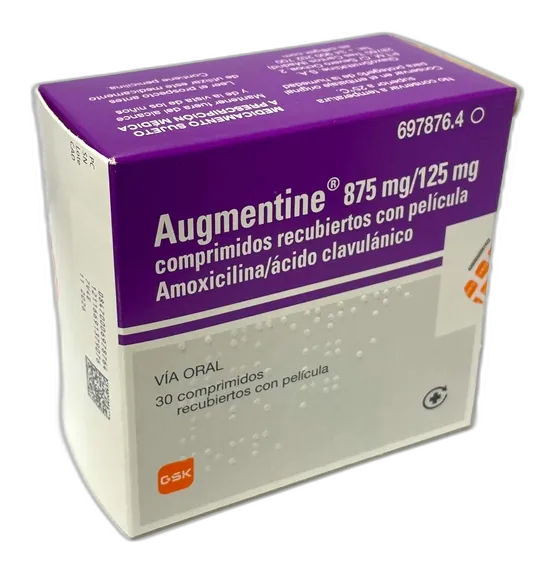 AUGMENTINE 875 mg/125 mg FILM-COATED TABLETSIllustrative imageDosage form: TABLET, 875/125 mg/mgActive substance: amoxicillin and beta-lactamase inhibitorManufacturer: Glaxosmithkline S.A.Prescription required
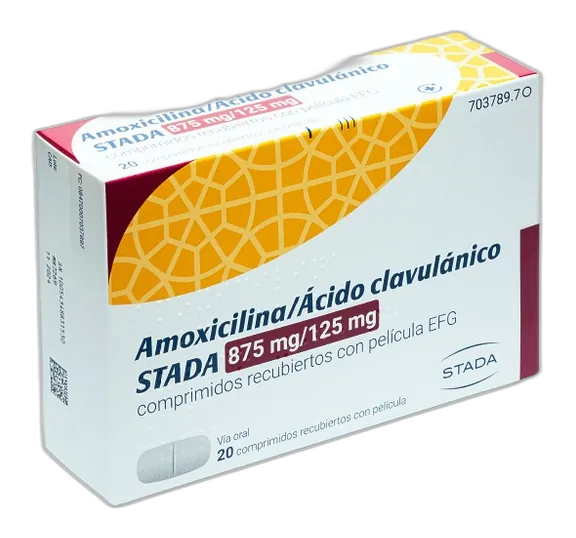 AMOXICILLIN/CLAVULANIC ACID STADA 875 mg/125 mg FILM-COATED TABLETSIllustrative imageDosage form: TABLET, 875 mg + 125 mgActive substance: amoxicillin and beta-lactamase inhibitorManufacturer: Laboratorio Stada S.L.Prescription required
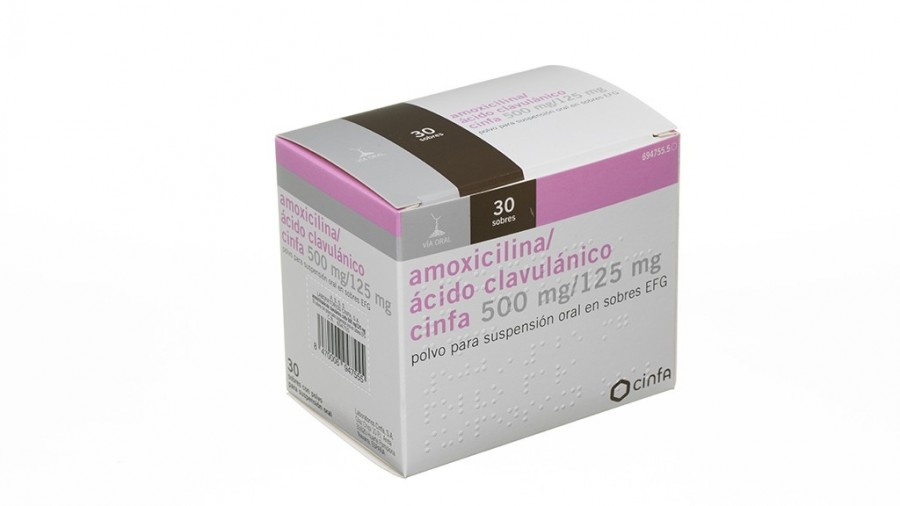 Dosage form: ORAL SOLUTION/SUSPENSION, 500/125 mg/mgActive substance: amoxicillin and beta-lactamase inhibitorManufacturer: Laboratorio Reig Jofre, S.A.Prescription required
The eardrum is a membrane a tenth of a millimetre thick, stretched across the far end of the ear canal. It separates the outer ear from the middle ear and passes sound on to the tiny bones behind it. It can tear from pus built up during an ear infection, from a blow to the ear, from a change in pressure, or from a cotton bud. Most of the time the hole closes on its own within six to eight weeks and hearing returns. What follows is how to tell a perforation from other causes of earache, how it is confirmed, what you can and cannot do during those weeks, and when waiting for it to heal is the wrong move.
Why the eardrum tears
- A middle ear infection. The commonest cause by far. Pus builds up behind the drum, pressure rises, the pain becomes unbearable — and then suddenly eases as fluid starts running out of the ear. Many people read that as recovery; in fact the drum has burst.
- Cotton buds and other objects. The classic story: cleaning the ear when someone nudged your arm. Hairgrips, matchsticks and toothpicks belong here too.
- A blow to the ear. A slap, a ball, a flat landing on water — the air in the canal is compressed in an instant and pushes the drum inwards.
- Pressure change. Aircraft descent with a blocked nose, scuba diving, a fast drive down a mountain. With a cold the Eustachian tube stops working, pressure does not equalise and the drum gives way.
- A blast or a very loud noise close by. The shock wave tears the drum and may injure the inner ear at the same time.
- Head injury with a fracture of the temporal bone, and burns as well — a welding spark or hot slag landing in the ear.
How it shows itself
Symptoms almost always start suddenly and almost always affect one ear.
- Sharp pain that lets go a moment later, if the tear happened at the height of an infection.
- Discharge from the ear: clear, blood-stained or full of pus.
- Loss of hearing, usually moderate: sound arrives as though through a pillow, and your own voice booms inside your head.
- Ringing, buzzing or whistling in the ear.
- A blocked feeling and clicking on swallowing.
- Dizziness, usually short-lived.
- A temperature, if an ear infection was the cause.
The opposite also happens: a small hole in a dry ear gives no clue at all and turns up by chance when an ear, nose and throat doctor looks inside.
What it gets confused with
Earache, noises in the ear and loss of hearing occur in plenty of other conditions, and each is treated differently.
- Outer ear infection — inflammation of the skin of the canal. The ear hurts when the lobe is tugged or the small flap in front of the canal is pressed, which is not usually the case with a middle ear infection.
- Middle ear infection without a tear — the same pain and temperature, but no discharge and the drum intact.
- Wax blockage — gradual blocking and muffled hearing, with no pain and no discharge.
- Eustachian tube trouble after a cold — blocking, clicking and a sensation of water in the ear for weeks.
- Sudden sensorineural hearing loss — hearing disappears over hours and the ear does not hurt. This is an emergency: the sooner treatment starts, the better the chance of getting hearing back, and it is counted in days.
- Cholesteatoma — skin growing into the middle ear. Long-standing foul-smelling discharge and hearing that slowly slips away.
- Referred pain — from a tooth, the tonsils or the jaw joint. The ear itself looks perfectly healthy.
None of this can be sorted out by how it sounds or feels: someone has to look inside the ear.
How it is found
- Looking in the ear with an otoscope — the main thing and usually the only thing needed. The doctor sees the hole, its size and where it sits, and at the same time whether there is inflammation and whether skin is growing inwards. No blood test and no scan will show a perforation.
- Audiometry — measuring hearing across the frequencies. It shows how far hearing has dropped and what kind of loss it is: from the conducting apparatus or from the inner ear itself. The second is far more serious.
- Tympanometry — a check on how the drum moves; with a hole the trace flattens out and the measured volume of the ear comes out well above normal.
- CT of the temporal bones — not for everyone, but after head injury, with persistent dizziness, with suspected cholesteatoma, or before surgery.
- A swab of the discharge — if it will not settle and antibiotics are not working.
When help is needed urgently
A perforation on its own is not an emergency, but signs can appear alongside it that will not wait. Call an ambulance — in Spain, Italy, Portugal, Poland and Ukraine the single number is 112 — if, after an injury or during an ear infection, there is:
- severe dizziness with vomiting that makes standing impossible;
- one side of the face dropping, an eye that will not close, a corner of the mouth that will not move on the side of the affected ear;
- severe headache with a high temperature, a stiff neck, dislike of light, confusion or a fit;
- clear watery fluid running from the ear after a blow to the head;
- hearing lost suddenly and almost completely;
- redness and swelling behind the ear, with the ear pushed forward.
The same day, though without an ambulance, see a doctor if the tear followed an injury or a dive, if the discharge is heavy and purulent, if there is a high temperature, or if the perforation is in a child.
How it heals and what doctors do
In most cases the hole closes by itself within six to eight weeks and hearing comes back to what it was. A dry, uncomplicated perforation needs no treatment as such — it needs to be left alone.
A doctor may prescribe:
- Antibiotics by mouth — if the perforation happened during a discharging ear infection or if the discharge will not stop.
- Ear drops — but only those approved for use with a hole in the drum. This matters: through the hole the drops reach the middle ear, and some familiar drops, above all those containing aminoglycoside antibiotics, can damage the inner ear once they get there. So nothing should go into the ear on your own initiative or on an old prescription.
- Pain relief. Usually paracetamol. Ibuprofen and other anti-inflammatory painkillers work too, but they are avoided in stomach ulcer disease, serious kidney disease and pregnancy, and with blood-thinning medicines they need to be agreed with a doctor. Aspirin is not given to children or teenagers.
- Surgery — if the hole is still open after three months. Small defects are sometimes patched in the clinic itself; for larger ones a myringoplasty is done, rebuilding the drum from the patient's own tissue. Hearing improves along with it.
What to do and what to avoid over these weeks
- Keep the ear dry. In the shower, block the canal with a ball of cotton wool smeared with petroleum jelly, or with a silicone earplug. A wet ear is the direct route to a discharging infection.
- Do not swim, and certainly do not dive. Swimming waits until the doctor says otherwise, and scuba diving until the drum has fully healed: underwater, a pressure change across a hole in the drum can end in severe vertigo at depth.
- Put nothing into the ear. No buds, no wicks, no drops that were not prescribed. Ear syringing is out as well.
- Blow your nose gently, one nostril at a time and without force: a hard blow drives air and mucus up the Eustachian tube straight into the healing ear.
- Flying is fine. The hole equalises pressure by itself, so a flight with a perforation is usually easier than one with a blocked ear. After surgery on the drum, however, do not fly until the surgeon clears it.
- Keep away from loud noise. On a building site, at a shooting range or at a concert, wear ear protection.
- If there is no improvement after a few weeks, or discharge comes back, do not sit out the full two months — get it looked at sooner.
If the hole does not close
A small proportion of perforations stay open for good, and that is no longer a trivial matter. A permanent hole means the middle ear is in constant contact with the outside world, and the consequences are these:
- Chronic discharging middle ear infection — the ear runs for months and flares with every cold and every splash of water.
- Permanent hearing loss. The bigger the hole and the closer it lies to the bones of hearing, the more noticeable it is.
- Cholesteatoma. Skin from the canal grows in over the edge of the hole and multiplies inside, eating into bone. It is the most dangerous outcome of all: it can reach the inner ear, the facial nerve and the linings of the brain. What raises the suspicion is long-standing foul-smelling discharge together with hearing that keeps dropping — such an ear needs an ear, nose and throat specialist, not years of drops.
All of this can be treated, and the earlier it starts the simpler it is. So an ear that has been discharging for more than two or three weeks is a reason to be examined, not a reason to put up with it.
Online consultation
Nobody can look inside an ear through a screen, and a perforation cannot be confirmed remotely either: that takes an otoscope. But a great deal of what surrounds the problem works perfectly well from home. A doctor can help you judge how urgently you need to be examined and whether your symptoms point to something more dangerous than a torn drum; go through your hearing test with you; tell you which drops must not be used with a hole in the drum and what to replace an older prescription with; advise on pain relief if you have stomach or kidney problems; explain when you can go back to the pool, to the gym and onto a plane, and whether it is time to discuss surgery. One reason of its own: an ear that has been running for weeks and the "usual" drops being used on it without anyone having looked.
This material is for information only and does not replace medical advice.

Consult with a doctor about Perforated eardrum
Discuss your symptoms and possible next steps with a doctor online.
Online doctors for Perforated eardrum
Discuss your symptoms and possible next steps for Perforated eardrum with a doctor online.