Nosebleed

Almost everyone has had a nosebleed at some point. The lining inside the nose is thin, and a great many blood vessels run just beneath it, close to the…


Prescription request online

Prescription request online

A doctor will review your case and issue a prescription if medically appropriate.

Talk to a doctor online

Talk to a doctor online

Discuss your symptoms and possible next steps with a doctor online.

Doctor
5.0(38)

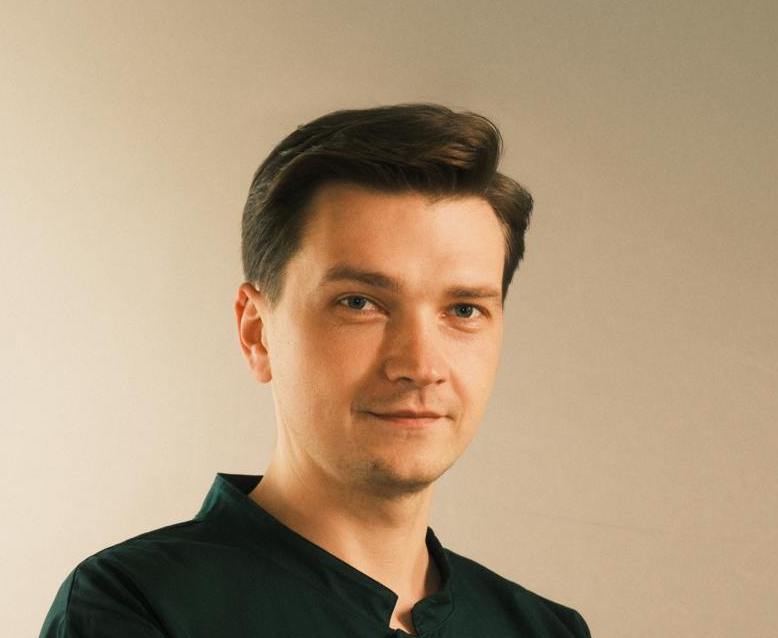
Andrei Popov

General medicinePain medicine7 years of experience
Licence no. 464628925

Dr. Andrei Popov is a General Practitioner with specialized training in chronic pain. He provides online consultations for adult patients in Spain and other European countries.

Dr. Popov understands that seeking help with weight-related concerns or pain that has persisted for months can be difficult. Many patients come to him after trying different approaches without feeling truly heard. During the consultation, the doctor creates a comfortable and supportive, non-judgmental environment where the patient’s medical history can be discussed in detail, questions can be answered, and the next steps can be decided together.

Weight Management and Metabolic Health

Dr. Popov can help assess overweight, obesity, and related conditions such as hypertension, diabetes, or metabolic disorders. During the consultation, the patient’s medical history, test results, current medications, and previous treatments will be reviewed.

If you would like to learn about possible medication options or have already started treatment, the doctor can assess your situation, review the effectiveness and tolerability of the therapy, and clearly explain its benefits, potential risks, and alternatives.

Not every patient requires the same treatment. A consultation does not guarantee a prescription — it provides an objective medical assessment and a plan tailored to your individual situation.

Pain and General Medicine

You can also consult Dr. Popov regarding:

* chronic pain, migraines, neuralgia, and fibromyalgia;

* back, neck, lower back, or joint pain;

* hypertension, diabetes, and follow-up of chronic conditions;

* review of test results, medical reports, and current treatment;

* preventive medicine and a second medical opinion.

How the Consultation Works

The video consultation lasts up to 30 minutes. The doctor will listen carefully, review the information you provide, and explain the next steps in clear and understandable language.

If additional tests, an in-person consultation, or urgent medical care are required, the doctor will inform you directly.

Dr. Popov’s goal is to make sure the patient feels heard and leaves the consultation with a clear understanding of their condition and the next steps they can take.

Book a video appointment
€86
This page provides general information and does not replace a doctor’s consultation. If symptoms are severe, persistent or worsening, seek medical advice promptly.

Almost everyone has had a nosebleed at some point. The lining inside the nose is thin, and a great many blood vessels run just beneath it, close to the surface: dry air, a cold or one careless finger is enough to break one of them. It looks alarming, because even a small loss appears enormous spread across a white basin. In the vast majority of cases nothing serious lies behind it and the whole thing is settled by two fingers and a quarter of an hour. But there are situations in which a nosebleed is not a trifle, and telling them apart is not difficult once you know what to look for.

What to do right now

The sequence is simple, and the commonest mistake is to do everything correctly but for far too short a time.

  • Sit down and tip your head and upper body forwards. Tilting the head back is no good: the blood runs down the throat and gets swallowed, swallowed blood causes nausea and vomiting, and on top of that you can no longer tell whether the bleeding has stopped.
  • Pinch the nose between two fingers on the soft part, just below the bony bridge, where the sides of the nose give way. Squeezing the hard bridge achieves nothing: the bleeding point almost always sits lower down.
  • Hold without letting go for ten to fifteen minutes, by the clock. Checking every minute to see whether it has stopped is the single commonest reason it does not.
  • Breathe through your mouth and spit out any blood that reaches your throat rather than swallowing it.
  • Something cold on the bridge of the nose or the back of the neck brings relief to many people, though there is little evidence that it makes the bleeding stop sooner. If you use ice, wrap it in a towel.

If blood is still coming after fifteen minutes, pinch again for the same length of time. If a second attempt also fails, medical help is needed. A small child is easier to manage sitting on your lap facing forwards and tipped slightly, with you doing the pinching: on their own they will never hold it long enough.

Why the bleeding starts

Most nosebleeds begin at the front of the nasal septum, where the vessels form a dense network right beneath the surface. The trigger is usually one of these:

  • picking the nose, which in children is the number one cause;
  • dry air: the heating season, air conditioning, an aeroplane, a hot dry climate;
  • blowing hard and rubbing the nose during a cold or with hay fever;
  • a runny, inflamed nose, which leaves the lining boggy and easily damaged;
  • nasal sprays, when the jet is aimed at the septum instead of the outer wall;
  • a knock on the nose, or an object pushed into it — the classic story in toddlers;
  • a deviated septum, which leaves one side taking more of the airflow and drying out.

Bleeds arising from deeper in the nose are less common, tend to start in older people, are heavier and almost never stop with pinching: those are for a doctor to deal with.

Medicines deserve a paragraph of their own. Drugs that thin the blood and stop platelets sticking together — from warfarin and the newer anticoagulants to aspirin and ordinary non-steroidal anti-inflammatory painkillers — do not cause a nosebleed by themselves, but they make it longer and heavier. Stopping them on your own initiative is not an option: that is more dangerous than the bleeding. What you should do is tell your doctor that your nose has started bleeding while you are on the treatment. High blood pressure is not regarded as a cause in its own right, but it does make bleeding harder to stop, so with frequent nosebleeds it is worth having it measured.

When help is needed urgently

Do not spend time trying to deal with it at home — call an ambulance (in Spain, Italy, Portugal, Poland and Ukraine that is 112) or go to the emergency department if:

  • the bleeding has gone on for more than twenty minutes despite properly applied pressure;
  • the amount is large: it pours out, fills a bowl, comes from both nostrils at once and down the back of the throat;
  • you have swallowed a lot of blood and started vomiting, especially if the vomit is dark;
  • the bleeding began after a blow to the head or face, a fall or a road accident;
  • weakness, dizziness, pallor, cold sweat, palpitations or dimming vision have appeared;
  • breathing has become difficult, or the blood is getting in the way of breathing;
  • it has happened while you are taking an anticoagulant, or you have a clotting disorder, and it will not stop.

In that state do not drive yourself to hospital: ask someone to take you or call an ambulance. Bring the list of medicines you take, because that is the first thing the doctor will want.

When the bleeding has stopped but a doctor is still needed

Make an appointment over the next few days if:

  • your nose bleeds often — weekly or more, or every episode takes a long while to stop;
  • a child under two has had a nosebleed: at that age it is unusual and warrants an examination;
  • signs of anaemia have appeared — unusual tiredness, breathlessness on everyday exertion, palpitations, pallor;
  • the gums bleed as well, bruises appear without knocks, or periods have become distinctly heavier;
  • you take blood-thinning medication or know of a clotting disorder in the family;
  • the same side bleeds every time and that half of the nose is also blocked or produces blood-stained discharge;
  • tiny bright red vascular spots have appeared on the lips, tongue or fingertips — together with frequent nosebleeds these can point to an inherited disorder of the blood vessels that runs in families and needs monitoring of its own.

Persistent one-sided bleeding is the most important item on that list. In an adolescent it occasionally conceals a benign vascular growth at the back of the nose; in an adult, a growth in the nasal cavity or sinuses. Both are rare, but that is precisely why one-sided blockage with blood should not be put down to dry air.

What the doctor does

The nose is examined first, if necessary with an endoscope — a slim tube with a camera that shows the deeper parts too. If the bleeding vessel can be seen, it is cauterised, usually with a silver nitrate stick and sometimes with electrocautery. The procedure is short, done under local anaesthetic, and generally settles the problem for a long time.

Where the source cannot be seen or cautery does not work, the nose is packed: a ribbon gauze or a special sponge is inserted, swells and presses on the vessels. The pack stays in for a day or two, and the person may remain in hospital under observation for that time. Bleeding from deep in the nose sometimes calls for an ear, nose and throat surgeon to tie off or block the feeding vessel through a catheter.

Blood tests are ordered to gauge how much has been lost and to check clotting when the bleeds keep coming back. Once the bleeding has stopped, the doctor may suggest an ointment or gel for the nose so that the lining does not dry out and crust. If the preparation contains peanut or soya oil and you are allergic to either, say so and a different one will be chosen.

The first twenty-four hours

A fresh clot sits loosely over the break and is easy to dislodge. For the day that follows, avoid:

  • blowing your nose — if you must, dab gently rather than blow;
  • touching the nose with a finger or picking off scabs, however tempting;
  • lifting anything heavy, training hard, or bending with your head down;
  • hot drinks, alcohol and very hot food, all of which widen the vessels;
  • smoking: the smoke dries the lining further;
  • lying completely flat — put an extra pillow under your head.

A little blood in the mucus and dark crusts over the first few days are normal and no cause for worry.

How to make it happen less often

When nosebleeds keep recurring, what usually helps is care of the lining rather than medication.

  • Humidify the bedroom air through the heating season, particularly a child's room.
  • Rinse the nose with saline and put a soft ointment just inside the nostrils at night — the most effective single measure against dryness.
  • Keep a child's nails short and explain that the nose is better left alone; if the picking is provoked by crusts, the answer is moisture.
  • When using a nasal spray, aim the nozzle at the outer wall — towards the ear, not the septum — and swap hands: right hand for the left nostril.
  • Treat a runny nose and hay fever instead of putting up with them: constant rubbing and blowing keep the bleeding tendency going by themselves.
  • Blow gently, one nostril at a time.
  • Keep blood pressure under control if it runs high.

Online consultation

An online appointment is useful once the bleeding has stopped but the question of why it keeps happening remains. The doctor will go through the circumstances with you — the season, the air in your home, your medicines, recent colds — show you how to pinch the nose properly and how to use a spray, explain which forms of care for the lining actually work, and decide whether an ear, nose and throat examination and clotting tests are called for. They will also tell you what to do next time and at what point to stop waiting.

What an online appointment does not replace: examination of the nasal cavity, cautery, and any help during active bleeding. If blood is coming right now and will not stop, do not spend time typing — pinch the nose and call an ambulance.

This material is for information only and does not replace medical advice.

Consult with a doctor about Nosebleed

Consult with a doctor about Nosebleed

Discuss your symptoms and possible next steps with a doctor online.

Online doctors for Nosebleed

Discuss your symptoms and possible next steps for Nosebleed with a doctor online.
Doctor
5.0(38)

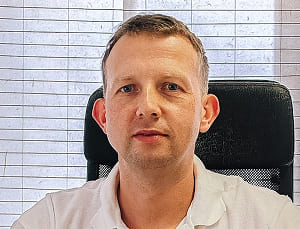
Andrei Popov

General medicinePain medicine7 years of experience
Licence no. 464628925

Dr. Andrei Popov is a General Practitioner with specialized training in chronic pain. He provides online consultations for adult patients in Spain and other European countries.

Dr. Popov understands that seeking help with weight-related concerns or pain that has persisted for months can be difficult. Many patients come to him after trying different approaches without feeling truly heard. During the consultation, the doctor creates a comfortable and supportive, non-judgmental environment where the patient’s medical history can be discussed in detail, questions can be answered, and the next steps can be decided together.

Weight Management and Metabolic Health

Dr. Popov can help assess overweight, obesity, and related conditions such as hypertension, diabetes, or metabolic disorders. During the consultation, the patient’s medical history, test results, current medications, and previous treatments will be reviewed.

If you would like to learn about possible medication options or have already started treatment, the doctor can assess your situation, review the effectiveness and tolerability of the therapy, and clearly explain its benefits, potential risks, and alternatives.

Not every patient requires the same treatment. A consultation does not guarantee a prescription — it provides an objective medical assessment and a plan tailored to your individual situation.

Pain and General Medicine

You can also consult Dr. Popov regarding:

* chronic pain, migraines, neuralgia, and fibromyalgia;

* back, neck, lower back, or joint pain;

* hypertension, diabetes, and follow-up of chronic conditions;

* review of test results, medical reports, and current treatment;

* preventive medicine and a second medical opinion.

How the Consultation Works

The video consultation lasts up to 30 minutes. The doctor will listen carefully, review the information you provide, and explain the next steps in clear and understandable language.

If additional tests, an in-person consultation, or urgent medical care are required, the doctor will inform you directly.

Dr. Popov’s goal is to make sure the patient feels heard and leaves the consultation with a clear understanding of their condition and the next steps they can take.

Book a video appointment
€86
Doctor
5.0(12)

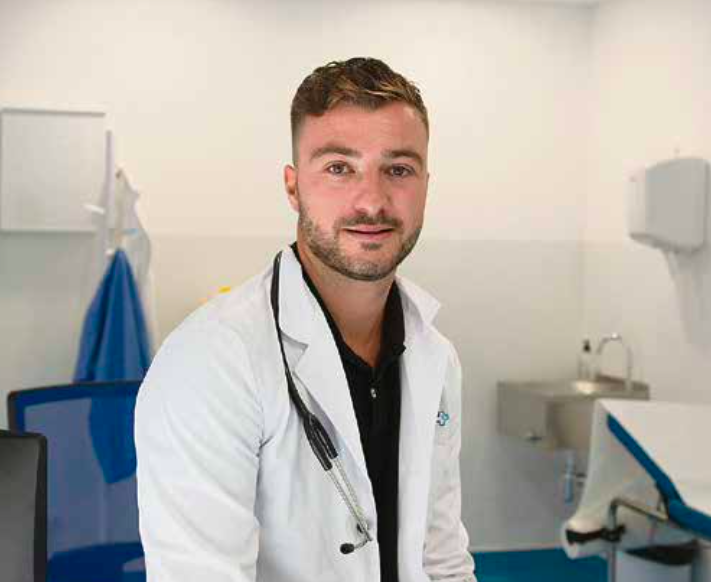
Yevgen Yakovenko

General medicine12 years of experience
Licence no. 35/35/09707

Dr. Yevgen Yakovenko is a licensed surgeon and general practitioner in Spain and Germany. He specialises in general, paediatric, and oncological surgery, internal medicine, and pain management. He offers online consultations for adults and children, combining surgical precision with therapeutic support. Dr Yakovenko works with patients across different countries and provides care in Ukrainian, Russian, English, and Spanish.

Areas of medical expertise:

  • Acute and chronic pain: headaches, muscle and joint pain, back pain, abdominal pain, postoperative pain. Identifying the cause, selecting treatment, and creating a care plan.
  • Internal medicine: heart, lungs, gastrointestinal tract, urinary system. Management of chronic conditions, symptom control, second opinions.
  • Pre- and postoperative care: risk assessment, decision-making support, follow-up after surgery, rehabilitation strategies.
  • General and paediatric surgery: hernias, appendicitis, congenital conditions, both planned and urgent surgeries.
  • Injuries and trauma: bruises, fractures, sprains, soft tissue damage, wound care, dressing, referral when in-person care is required.
  • Oncological surgery: diagnosis review, treatment planning, and long-term follow-up.
  • Obesity treatment and weight management: a medical approach to weight loss, including assessment of underlying causes, evaluation of comorbidities, development of a personalised plan (nutrition, physical activity, pharmacotherapy if needed), and ongoing progress monitoring.
  • Imaging interpretation: analysis of ultrasound, CT, MRI, and X-ray results, surgical planning based on imaging data.
  • Second opinions and medical navigation: clarifying diagnoses, reviewing current treatment plans, helping patients choose the best course of action.

Experience and qualifications:

  • 12+ years of clinical experience in university hospitals in Germany and Spain.
  • International education: Ukraine – Germany – Spain.
  • Member of the German Society of Surgeons (BDC).
  • Certified in radiological diagnostics and robotic surgery.
  • Active participant in international medical conferences and research.

Dr Yakovenko explains complex topics in a clear, accessible way. He works collaboratively with patients to analyse health issues and make evidence-based decisions. His approach is grounded in clinical excellence, scientific accuracy, and respect for each individual.

If you are unsure about a diagnosis, preparing for surgery, or want to discuss your test results – Dr Yakovenko will help you evaluate your options and move forward with confidence.

Book a video appointment
€72
Doctor
5.0(3)

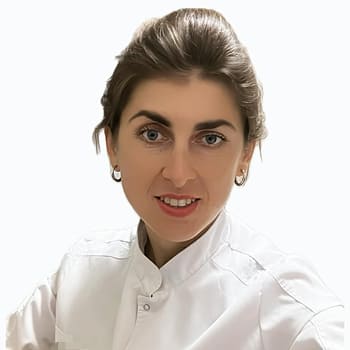
Lina Travkina

General medicine13 years of experience

Dr. Lina Travkina is a licensed family and preventive medicine doctor based in Italy. She provides online consultations for adults and children, supporting patients across all stages of care – from acute symptom management to long-term health monitoring and prevention.Areas of medical care include:

  • Respiratory conditions: colds, flu, acute and chronic bronchitis, mild to moderate pneumonia, bronchial asthma.

  • ENT and eye conditions: sinusitis, tonsillitis, pharyngitis, otitis, infectious and allergic conjunctivitis.

  • Digestive issues: gastritis, acid reflux (GERD), IBS, dyspepsia, bloating, constipation, diarrhoea, functional bowel symptoms, intestinal infections.

  • Urological and infectious diseases: acute and recurrent cystitis, bladder and kidney infections, prevention of recurrent UTIs, asymptomatic bacteriuria.

  • Chronic conditions: hypertension, diabetes, hypercholesterolemia, metabolic syndrome, thyroid disorders, excess weight.

  • Neurological and general symptoms: headache, migraine, dizziness, fatigue, sleep disturbances, reduced concentration, anxiety, asthenia.

  • Chronic pain support: back, neck, joint, and muscle pain, tension syndromes, pain associated with osteochondrosis and chronic conditions.

Additional care areas:

  • Preventive consultations and check-up planning.

  • Medical advice and follow-up consultations.

  • Test interpretation and diagnostic guidance.

  • Structured support for undiagnosed complaints.

  • Second opinion on diagnoses and treatment plans.

  • Nutritional and lifestyle support for vitamin deficiencies, anaemia, metabolic issues.

  • Post-operative recovery support and pain management.

  • Preconception counselling and postpartum support.

  • Immunity support and strategies to reduce frequency of infections.

Dr. Travkina combines evidence-based medicine with an attentive, personalised approach. Her consultations focus not only on treatment, but also on prevention, recovery, and long-term wellbeing.If during the consultation it becomes clear that your case requires in-person assessment or specialised care outside of her scope, the session will be terminated and the payment fully refunded.

Book a video appointment
€75
Doctor
5.0(21)

Nuno Tavares Lopes

General medicine18 years of experience

Dr. Nuno Tavares Lopes is a licensed physician in Portugal with 17 years of experience in emergency medicine, family and general practice, and public health. He is the Director of Medical and Public Health Services at an international healthcare network and serves as an external consultant for the WHO and ECDC.

  • Emergency care: infections, fever, chest/abdominal pain, minor injuries, paediatric emergencies

  • Family medicine: hypertension, diabetes, cholesterol, chronic disease management

  • Travel medicine: pre-travel advice, vaccinations, fit-to-fly certificates, travel-related illnesses

  • Sexual and reproductive health: PrEP, STD prevention, counselling, treatment

  • Weight management and wellness: personalised weight loss programmes, lifestyle guidance

  • Skin and ENT issues: acne, eczema, allergies, rashes, sore throat, sinusitis

  • Pain management: acute and chronic pain, post-surgical care

  • Public health: prevention, health screenings, long-term monitoring

  • Sick leave (Baixa médica) connected to Segurança Social in Portugal

  • IMT medical certificates for driving licence exchange

Dr. Nuno Tavares Lopes provides medical support for patients using GLP-1 medications (Mounjaro, Wegovy, Ozempic, Rybelsus) as part of a weight loss strategy. He offers individualised treatment planning, regular follow-up, dose adjustment, and advice on combining medication with sustainable lifestyle changes. Consultations follow the medical standards accepted in Europe.Dr. Lopes also provides interpretation of medical tests, follow-up care for complex patients, and multilingual support. Whether for urgent concerns or long-term care, he helps patients act with clarity and confidence.

Book a video appointment
€70

Stay informed about Oladoctor

News about new services, product updates and useful information for patients.

Follow us on social media