Narcolepsy

Narcolepsy is a rare long-term brain condition that can prevent a person from choosing when to wake or sleep.

Prescription review online

Prescription review online

A doctor will review your case and issue a prescription if medically appropriate.

Talk to a doctor online

Talk to a doctor online

Discuss your symptoms and possible next steps with a doctor online.

Doctor
5.0(14)

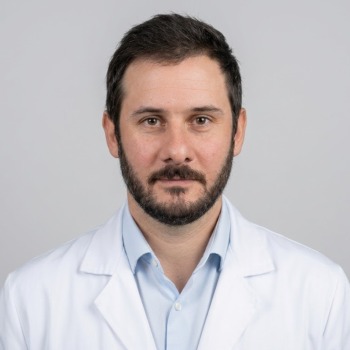
Sergey Ilyasov

PsychiatryNeurology7 years of experience

Dr Sergey Ilyasov is an experienced neurologist and qualified psychiatrist who provides online consultations for adults and adolescents. Combining deep neurological expertise with a modern psychiatric approach, he ensures comprehensive diagnostics and effective treatment for a wide range of conditions affecting both physical and mental health.

Dr. Ilyasov helps patients in the following cases:

  • Chronic headaches (migraine, tension-type headache), back pain, neuropathic pain, dizziness, numbness in limbs, coordination disorders.
  • Anxiety disorders (panic attacks, generalized anxiety disorder), depression (including atypical and treatment-resistant forms), sleep disturbances (insomnia, hypersomnia, nightmares), stress, burnout.
  • Chronic pain syndromes and psychosomatic symptoms (e.g., irritable bowel syndrome related to stress, vegetative-vascular dystonia).
  • Behavioral disorders and concentration difficulties in adolescents (including ADHD, autism spectrum disorders), nervous tics.
  • Memory impairments, phobias, obsessive-compulsive disorder (OCD), emotional swings, and support for post-traumatic stress disorder (PTSD).

Thanks to his dual specialization in neurology and psychiatry, Dr Sergey Ilyasov offers integrated and evidence-based care for complex conditions requiring a multidisciplinary approach. His consultations focus on accurate diagnosis, development of an individualized treatment plan (including pharmacotherapy and psychotherapeutic methods), and long-term support adapted to each patient's unique needs.

Book an online consultation with Dr. Sergey Ilyasov to receive qualified assistance and improve your well-being today.

Book a video appointment
€106
This page provides general information and does not replace a doctor’s consultation. If symptoms are severe, persistent or worsening, seek medical advice promptly.

Narcolepsy is a rare long-term brain condition that can prevent a person from choosing when to wake or sleep.

The brain is unable to regulate sleeping and waking patterns normally, which can result in:

  • excessive daytime sleepiness – feeling very drowsy throughout the day and finding it difficult to concentrate and stay awake
  • sleep attacks – falling asleep suddenly and without warning
  • cataplexy – temporary loss of muscle control resulting in weakness and possible collapse, often in response to emotions such as laughter and anger
  • sleep paralysis – a temporary inability to move or speak when waking up or falling asleep
  • excessive dreaming and waking in the night – dreams often come as you fall asleep (hypnogogic hallucinations) or just before or during waking (hypnopompic hallucinations)

Narcolepsy does not cause serious or long-term physical health problems, but it can have a significant impact on daily life and be difficult to cope with emotionally.

In an attempt to avoid attacks, some people may become emotionally withdrawn and socially isolated.

Find out more about the symptoms of narcolepsy.

What causes narcolepsy

Narcolepsy is often caused by a lack of the brain chemical hypocretin (also known as orexin), which regulates wakefulness.

The lack of hypocretin is thought to be caused by the immune system mistakenly attacking the cells that produce it or the receptors that allow it to work.

But this does not explain all cases of narcolepsy, and the exact cause of the problem is often unclear.

Things that have been suggested as possible triggers of narcolepsy include:

  • hormonal changes, which can occur during puberty or the menopause
  • major psychological stress
  • an infection, such as swine flu, or the medicine used to vaccinate against it (Pandemrix)

Find out more about the causes of narcolepsy.

Who's affected

It's difficult to know exactly how many people have narcolepsy because many cases are thought to go unreported.

But it's estimated to affect about 30,000 people in the UK.

Men and women are thought to be affected equally by narcolepsy, although some studies have suggested the condition may be more common in men.

The symptoms of narcolepsy often begin during adolescence, although it's usually diagnosed between the ages of 20 and 40.

Diagnosing narcolepsy

See a GP if you think you may have narcolepsy. They may ask about your sleeping habits and any other symptoms you have.

They may also carry out tests to help rule out other conditions that could be causing your excessive daytime sleepiness, such as sleep apnoea, restless legs in bed and kicking during sleep, or an underactive thyroid gland (hypothyroidism).

If necessary, you'll be referred to a specialist in sleep disorders, who'll analyse your sleep patterns.

This will usually involve staying overnight in a specialist sleep centre so various aspects of your sleep can be monitored.

Find out more about diagnosing narcolepsy.

Treating narcolepsy

There's currently no cure for narcolepsy, but making changes to improve your sleeping habits and taking medicine can help minimise the impact the condition has on your daily life.

Taking frequent, brief naps evenly spaced throughout the day is one of the best ways to manage excessive daytime drowsiness.

This may be difficult when you're at work or school, but a GP or specialist may be able to devise a sleep schedule that will help you get into a routine of taking naps.

Keeping to a strict bedtime routine can also help, so you should go to bed at the same time each night whenever possible.

If your symptoms are particularly troublesome, you may be prescribed medicine that can help reduce daytime sleepiness, prevent cataplexy attacks and improve your sleep at night.

These medicines are usually taken as daily tablets, capsules or drinkable solutions.

Find out more about treating narcolepsy.

Narcolepsy and driving

If you're diagnosed with narcolepsy, it may affect your ability to drive.

You'll need to complete a medical questionnaire so your individual circumstances can be assessed.

You'll usually be allowed to drive again if your narcolepsy is well controlled and you have regular reviews to assess your condition.

 Symptoms Narcolepsy 

Not everyone with narcolepsy has the same symptoms. Some people have symptoms regularly, while others are less frequently affected.

Narcolepsy is usually a long-term (chronic) condition. Symptoms may develop slowly over a number of years, or suddenly over the course of a few weeks.

You should see a GP if you think you may have narcolepsy so they can find out what's causing your symptoms.

If necessary, you'll be referred to a sleep disorder specialist, who can confirm the diagnosis.

Find out more about diagnosing narcolepsy.

Excessive daytime sleepiness

Excessive daytime sleepiness is usually the first sign of narcolepsy. It can have a significant impact on everyday life.

Feeling drowsy throughout the day and struggling to stay awake makes it difficult to concentrate at work or school.

People with narcolepsy may be misjudged as being lazy or rude.

Sleep attacks

Sleep attacks, where you fall asleep suddenly and without warning, are also common in people with narcolepsy. They may happen at any time.

The length of time a sleep attack lasts will vary from person to person. Some people will only have "microsleeps" lasting a few seconds, whereas others may fall asleep for several minutes.

If narcolepsy is not well controlled, sleep attacks may happen several times a day.

Cataplexy

Most people who have narcolepsy also experience cataplexy, which is sudden temporary muscle weakness or loss of muscular control.

Typical symptoms of cataplexy are:

  • the jaw dropping
  • the head slumping down
  • legs collapsing uncontrollably
  • slurred speech
  • double vision or finding it difficult to focus

Cataplexy attacks are usually triggered by an emotion, such as excitement, laughter, anger or surprise.

Attacks can last from a few seconds to several minutes.

Some people with narcolepsy have cataplexy attacks once or twice a year, while others have them several times a day. 

Sleep paralysis

Some people with narcolepsy experience episodes of sleep paralysis. This is a temporary inability to move or speak that occurs when waking up or falling asleep.

The episodes can last from a few seconds to several minutes. Although sleep paralysis does not cause any harm, being unable to move can be frightening.

Other symptoms

Narcolepsy can also cause a number of other symptoms, including:

  • hallucinations – seeing or hearing things that are not real, particularly when going to sleep or waking up; a presence in the bedroom is the most commonly reported hallucination
  • memory problems
  • headaches
  • restless sleep – for example, having hot flushes, waking up frequently, having vivid nightmares, or physically acting out dreams
  • automatic behaviour – continuing with an activity without having any recollection of it afterwards
  • depression

Speak to a GP if you have narcolepsy and it's making you feel low or depressed.

They can advise you about how to minimise the effect narcolepsy has on your daily life.

 Causes Narcolepsy 

Many cases of narcolepsy are thought to be caused by a lack of a brain chemical called hypocretin (also known as orexin), which regulates sleep.

The deficiency is thought to be the result of the immune system mistakenly attacking parts of the brain that produce hypocretin.

But a lack of hypocretin is not the cause in all cases.

Immune system problem

Normally, antibodies are released by the body to destroy disease-carrying organisms and toxins. 

When antibodies mistakenly attack healthy cells and tissue, it's known as an autoimmune response.

In 2010, scientists in Switzerland discovered that some people with narcolepsy produce antibodies against a protein called trib 2.

Trib 2 is produced by an area of the brain that also produces hypocretin. This results in a lack of hypocretin, which means the brain is less able to regulate sleep cycles.

These research results may help explain the cause of narcolepsy in many cases, but it does not explain why some people with the condition still produce near-normal levels of hypocretin.

Consult with a doctor about Narcolepsy

Consult with a doctor about Narcolepsy

Discuss your symptoms and possible next steps with a doctor online.

Possible triggers

A number of factors may increase a person's risk of narcolepsy or cause an autoimmune problem.

These include:

  • an inherited genetic fault
  • hormonal changes, including those that take place during puberty or the menopause
  • major psychological stress
  • a sudden change in sleep patterns
  • an infection, such as swine flu or a streptococcal infection
  • having the flu vaccine Pandemrix

Research is yet to confirm whether all of these play a role in narcolepsy.

Pandemrix vaccine

Research carried out in 2013 found an association between the flu vaccine, Pandemrix, which was used during the swine flu epidemic of 2009 to 2010, and narcolepsy in children.

The risk is very small, with the chance of developing narcolepsy after having a dose of the vaccine estimated to be around 1 in 52,000.

Pandemrix is no longer used in the UK for flu vaccination.

Impact of narcolepsy on sleep

The total time someone with narcolepsy spends sleeping is not necessarily different from that of people who do not have the condition.

But narcolepsy can significantly affect sleep cycles and decrease the quality of sleep.

Sleep is made up of cycles of different brain activity known as non-rapid eye movement (NREM) and rapid eye movement (REM).

During REM sleep, your brain activity increases and you may dream. Normal sleep starts with 3 stages of NREM sleep at first, followed by a short period of REM sleep.

NREM and REM sleep then alternates throughout the night. During the latter part of the night, REM sleep is more prominent.

If you have narcolepsy, this pattern is much more fragmented and you may wake several times during the night. 

You may also experience REM sleep much earlier than normal after falling asleep, and the effects of REM sleep, such as dreaming and paralysis, while you're still conscious.

Secondary narcolepsy

Narcolepsy can sometimes be the result of an underlying condition that damages the areas of the brain that produce hypocretin.

For example, narcolepsy can develop after:

Narcolepsy resulting from an identifiable underlying condition is called secondary narcolepsy.

 Diagnosis Narcolepsy 

Narcolepsy can usually be diagnosed by observing how you sleep and ruling out other conditions.

See a GP if you think you have narcolepsy. Before your appointment, you may find it useful to record your symptoms in a diary or complete an Epworth sleepiness questionnaire.

The GP will look closely at your medical and family history. They'll ask about your sleeping habits and any other symptoms you have.

Ruling out other conditions

Narcolepsy can be difficult to diagnose because the symptoms can be similar to those of other conditions, such as:

Excessive daytime sleepiness can also sometimes be caused by the side effects of certain medicines.

Your GP may carry out several tests to help rule out other conditions that could be causing your symptoms.

For example, you may have a physical examination, blood pressure tests and blood tests.

Sleep analysis

If your GP thinks you may have narcolepsy, they'll refer you to a specialist in sleep disorders, who will analyse your sleep patterns.

There are many different ways your sleep can be analysed.

Epworth sleepiness scale

The Epworth sleepiness scale is a questionnaire used to assess how likely it is you'll fall asleep while doing different activities.

Your GP will use the results to decide whether to refer you to a sleep specialist.

When filling out the questionnaire, you'll be asked to rank the likelihood that you'll fall asleep in situations such as sitting and reading, watching television and travelling as a passenger in a car.

A score of 10 or below means you have the same level of daytime sleepiness as the general population. If you score 11 or above, you have an increased level of daytime sleepiness.

If this is the case, your GP will probably refer you to a sleep specialist for further investigation.

Polysomnography

Polysomnography is an investigation of your sleep carried out at a specialist sleep centre.

It usually involves staying overnight at the sleep centre so your sleeping patterns can be analysed.

During the night, several different parts of your body will be monitored using electrodes and bands that are placed on your body while you sleep.

Sensors will also be placed on your legs and an oxygen sensor will be attached to your finger.

A number of different tests will be carried out during polysomnography, including:

  • electroencephalography (EEG), which monitors brain waves
  • electrooculography, which monitors eye movements
  • electromyography (EMG), which monitors muscle tone
  • recordings of movements in your chest and tummy (abdomen)
  • recordings of airflow through your mouth and nose
  • pulse oximetry, which measures your heart rate and blood oxygen levels
  • electrocardiography (ECG), which monitors your heart

Sound recording and video equipment may also be used to record sound and images.

After you have slept, a specialist will analyse your test results to determine whether you have normal brain wave activity, breathing patterns, and muscle and eye movement.

Multiple sleep latency test

A multiple sleep latency test measures how long it takes for you to fall asleep during the day. You may have this test after polysomnography.

You'll be asked to take several naps throughout the day, and a specialist will analyse how quickly and easily you fall asleep.

If you have narcolepsy, you'll usually fall asleep easily and enter rapid eye movement (REM) sleep very quickly.

You may also have a blood test to find out whether you have a genetic marker known as HLA DQB * 0602, which is associated with narcolepsy.

A positive result supports a diagnosis, but does not make it 100% certain – 30% of people without narcolepsy also have the genetic marker.

Measuring hypocretin (orexin) levels

Narcolepsy is often linked to a deficiency in the sleep-regulating brain chemical hypocretin, also known as orexin.

Research has shown that measuring the level of hypocretin in your cerebrospinal fluid, which surrounds the brain and spinal cord, can be useful in diagnosing narcolepsy.

To measure your level of hypocretin, a sample of cerebrospinal fluid is removed using a needle during a procedure called a lumbar puncture.

This test is increasingly being used by sleep disorder specialists to help make a diagnosis.

 Treatment Narcolepsy 

There's no specific cure for narcolepsy, but you can manage the symptoms and minimise their impact on your daily life.

Making some simple changes to your sleeping habits can sometimes help. If your symptoms are more severe, you'll usually need to take medicine.

Good sleeping habits

Things you can do to reduce excessive daytime sleepiness and make it easier to sleep at night include:

  • taking frequent, brief naps – space them evenly throughout the day; a GP or sleep specialist can help you plan a schedule that fits in with your other activities
  • sticking to a strict bedtime routine – aim to go to bed and wake up at the same time every day whenever possible
  • relaxing before going to bed – have a warm bath, for example
  • ensuring you have a good sleeping environment – for example, keeping your bedroom at a comfortable temperature, quiet and free from distractions
  • avoiding caffeine (found in coffee, tea and some fizzy drinks), alcohol and smoking before going to bed
  • not exercising too close to bedtime – leave at least 2 hours between finishing exercise and going to bed
  • not eating large, heavy meals before going to bed

Some medicines you buy from a pharmacy, such as cold and allergy medicines, can cause drowsiness as a side effect.

You should avoid taking these types of medicines during the day if you have narcolepsy, as they may make your daytime drowsiness worse.

Speak to a GP or pharmacist if you're unsure about which medicines cause drowsiness. They may be able to recommend non-drowsy alternatives.

Talking to others

As well as being a difficult condition to live with, narcolepsy can be difficult for others to understand.

Some of the symptoms, such as sudden loss of muscle control (cataplexy), can be frightening for people who are unaware of the condition.

You may find it useful to talk to your friends and family about your condition.

Tell your child's teachers if your child is diagnosed with narcolepsy. It's important that teachers are aware of your child's condition so they do not mistake their behaviour for laziness or staying up too late at night.

If you have narcolepsy, there's no reason why you should not be able to work, as long as your employer is aware of your condition and agrees to accommodate it, such as allowing you to work flexible hours or take planned naps. But some careers will not be suitable for you.    

They'll be able to provide advice about living with narcolepsy and can put you in touch with other people in a similar situation.

Medicine

A number of different medicines are used to treat the symptoms of narcolepsy, but they're not all licensed for narcolepsy and the evidence for their effectiveness in treating the condition is not always strong.

Stimulants

If necessary, a GP or specialist may prescribe a type of medicine known as a stimulant, such as modafinil, pitolisant or solriamfetol.

These medicines stimulate your central nervous system, which can help keep you awake during the day. They're usually taken as tablets every morning.

Common side effects of stimulants include:

  • headaches
  • nausea
  • nervousness
  • difficulty sleeping at night (insomnia)
  • stomach aches
  • irritability
  • weight loss

Speak to a GP or specialist if you have persistent or troublesome side effects while taking a stimulant. They may be able to prescribe an alternative medicine.

Modafinil

Modafinil has been linked to irregular heartbeats (arrhythmias) and increases in blood pressure, so you'll need to be regularly monitored during treatment to check for these problems.

Modafinil should not be taken in pregnancy as it could cause harm to the unborn child.

For this reason, it is not safe to get pregnant while taking modafinil. You should use effective contraception while taking it and for at least 2 months after stopping it.

If you are taking the contraceptive pill, modafinil can make this less effective. So consider switching to a different type of contraceptive, or using another contraceptive as well as your pill. A GP or specialist can help you decide.

Sodium oxybate

Sodium oxybate is a liquid medicine you drink at night in 2 doses: the first when you get into bed, and the second 2.5 to 4 hours later.

You may need to use an alarm clock to ensure you take the medicine at the right times.

You'll need to take sodium oxybate 2 to 3 hours after having a meal, as food can affect how much of the medicine is absorbed into your body.

Do not drink alcohol while taking sodium oxybate. You should also avoid activities that require mental alertness, such as driving or operating heavy machinery, until at least 6 hours after taking it.

Common side effects of sodium oxybate include:

Tell a GP or specialist if you're taking sodium oxybate and you have persistent or troublesome side effects.

Antidepressants

Although there's some uncertainty about how effective antidepressants are at treating narcolepsy, they're sometimes used to treat symptoms like sudden loss of muscle control, hallucinations and sleep paralysis.

Many different types of antidepressant medicine have been used to treat people with narcolepsy, including:

  • selective serotonin reuptake inhibitors (SSRIs), such as fluoxetine and paroxetine
  • serotonin-noradrenaline reuptake inhibitors (SNRIs), such as venlafaxine
  • tricyclic antidepressants (TCAs), such as imipramine and clomipramine

It's thought these medicines work by altering the levels of certain chemicals in your brain and reducing the amount of dreaming (REM) sleep, which is responsible for many of the symptoms of narcolepsy. 

The side effects you may experience will depend on the specific medicine you're taking, but general side effects of antidepressants can include:

Most side effects will improve within a few weeks. Speak to a GP or specialist if you have any side effects that are particularly troublesome or persistent.

You should not stop taking antidepressants suddenly as you may have unpleasant withdrawal effects.

If you want to stop taking your medicine, your GP will gradually reduce your dose over the course of a few weeks.

Online doctors for Narcolepsy

Discuss your symptoms and possible next steps for Narcolepsy with a doctor online.

Doctor
5.0(14)

Sergey Ilyasov

PsychiatryNeurology7 years of experience

Dr Sergey Ilyasov is an experienced neurologist and qualified psychiatrist who provides online consultations for adults and adolescents. Combining deep neurological expertise with a modern psychiatric approach, he ensures comprehensive diagnostics and effective treatment for a wide range of conditions affecting both physical and mental health.

Dr. Ilyasov helps patients in the following cases:

  • Chronic headaches (migraine, tension-type headache), back pain, neuropathic pain, dizziness, numbness in limbs, coordination disorders.
  • Anxiety disorders (panic attacks, generalized anxiety disorder), depression (including atypical and treatment-resistant forms), sleep disturbances (insomnia, hypersomnia, nightmares), stress, burnout.
  • Chronic pain syndromes and psychosomatic symptoms (e.g., irritable bowel syndrome related to stress, vegetative-vascular dystonia).
  • Behavioral disorders and concentration difficulties in adolescents (including ADHD, autism spectrum disorders), nervous tics.
  • Memory impairments, phobias, obsessive-compulsive disorder (OCD), emotional swings, and support for post-traumatic stress disorder (PTSD).

Thanks to his dual specialization in neurology and psychiatry, Dr Sergey Ilyasov offers integrated and evidence-based care for complex conditions requiring a multidisciplinary approach. His consultations focus on accurate diagnosis, development of an individualized treatment plan (including pharmacotherapy and psychotherapeutic methods), and long-term support adapted to each patient's unique needs.

Book an online consultation with Dr. Sergey Ilyasov to receive qualified assistance and improve your well-being today.

Book a video appointment
€106
Doctor
5.0(22)

Taisiia Proida

Psychiatry7 years of experience

Taisiia Proida is a general practitioner with a specialization in mental health and a cognitive behavioral therapist (CBT), a member of the European Psychiatric Association. She offers online consultations for adults aged 18 and over, combining evidence-based medicine with an individualised approach to mental health care. She specialises in consultations and ongoing support for a wide range of mental health concerns, including: 

  • Mood disorders: depression, bipolar disorder, postpartum depression.
  • Anxiety disorders: generalised anxiety, OCD, panic attacks, phobias.
  • Post-traumatic stress disorder (PTSD) and complex PTSD.
  • Attention deficit hyperactivity disorder (ADHD) and autism spectrum disorder (ASD). Assessment is provided only after an initial psychiatric evaluation and during a follow-up appointment.
  • Personality disorders and emotional instability.
  • Cyclothymia and mood fluctuations.
  • Schizophrenia spectrum and related conditions.

Dr. Proida combines clinical expertise with an empathetic approach, offering structured support based on evidence-based practices. Her work integrates CBT techniques with medical management, with a focus on anxiety and depressive disorders. She works with clients from different countries and cultural backgrounds, adapting her communication style and recommendations to individual needs. With experience in international clinical trials (Pfizer, Merck), she values clarity, trust, and collaborative partnership in patient care.

Book a video appointment
€156
Doctor
5.0(6)

Anastasiia Hladkykh

Psychiatry15 years of experience

Dr Anastasiia Hladkykh is a physician-psychotherapist and psychologist with over 14 years of experience working with individuals struggling with various types of addictions and their families. She provides online consultations for adults, combining medical knowledge with deep psychological support and practical tools.

Key areas of expertise:

  • Addiction treatment: alcohol and drug dependence, gambling addiction, compulsive behaviours, codependent relationships.
  • Support for families of addicted individuals, behavioural correction within the family system, guidance for maintaining remission.
  • Mental health: depression, bipolar disorder, obsessive-compulsive disorder (OCD), anxiety disorders, phobias, PTSD, generalised anxiety, emotional trauma, and the psychological impact of loss or emigration.
  • Psychoeducation: explaining complex mental health concepts in simple language, helping patients and their families understand diagnoses and treatment steps.
Therapeutic approach:
  • Client-centred, straightforward, and empathetic – focused on practical outcomes and emotional stabilisation.
  • Prescribes medications when needed, but always aims to minimise unnecessary pharmaceutical use.
  • Certified in multiple evidence-based methods: CBT, NLP (Master Practitioner), Ericksonian hypnosis, symbol drama, art therapy, and systemic therapy.
  • Each consultation results in a clear, structured plan – patients leave knowing exactly what to do next.
Experience and background:
  • Member of the German association Gesundheitpraktikerin and the NGO “Mit dem Sonne in jedem Herzen.”
  • More than 18 publications in international peer-reviewed journals, translated into several languages.
  • Volunteer work with Ukrainian refugees and military personnel at the University Clinic of Regensburg.
Book a video appointment
€156
Doctor
5.0(1)

Daria Portnova

Psychiatry31 years of experience

Dr Daria Portnova is a psychiatrist and psychotherapist with over 30 years of clinical experience. She works with adults and adolescents aged 14 and over, providing online psychiatric and psychotherapeutic consultations. In her practice, Dr Portnova supports patients facing the onset of mental health conditions, chronic psychiatric disorders, psychotic symptoms, trauma-related states, and complex emotional crises. Her work is structured and safety-focused, with an emphasis on stabilisation, accurate diagnosis, and long-term improvement in quality of life. Patients consult Dr Daria Portnova for the following concerns: 

  • existential crises and complex life situations;
  • loss, grief, and emotional exhaustion;
  • relationship difficulties, separation, and divorce;
  • psychological and psychiatric trauma, including complex PTSD (cPTSD);
  • anxiety disorders: generalised anxiety disorder and panic disorder;
  • social anxiety and social phobia;
  • obsessive-compulsive disorder (OCD);
  • sleep disorders;
  • depressive disorders;
  • bipolar affective disorder;
  • schizoaffective disorder;
  • schizophrenia;
  • personality disorders.

Dr Portnova combines psychiatric assessment with a psychotherapeutic approach. She works with evidence-based methods, including cognitive behavioural therapy (CBT) and third-wave approaches such as ACT, FACT, and CFT. Consultations are focused on clear clinical understanding, practical recommendations, and ongoing support over time.

Book a video appointment
€116
Doctor
5.0(1)

Pedro Alvarez Guerrero

Psychiatry8 years of experience

Dr. Alvarez Guerrero graduated in Medicine from the San Pablo CEU University in Madrid. He subsequently completed his specialization in Psychiatry in the Department of Psychiatry at Hospital Sant Joan de Deu in Manresa (Barcelona), where over the course of four years he acquired solid training in the bio-psycho-social model, developing his expertise across the different areas of mental health.

During his residency, he undertook training placements at Hospital Clínic de Barcelona, where he trained for several months in the psychiatric consultation-liaison unit. He also completed another placement at Hospital de Cruces in Bilbao, in the first-episode psychosis unit.

Throughout his professional career, Dr. Alvarez Guerrero has sought to complement his medical training with psychotherapeutic tools that allow him to address mental health disorders from a comprehensive perspective. For this reason, he specialized in Brief Strategic Psychotherapy through the Spanish Society of Psychosomatic Medicine and Psychotherapy, an approach focused on targeted and effective interventions.

With the aim of deepening his knowledge and promoting the rational use of treatments, he also completed a Master’s Degree in Psychopharmacology at the University of Valencia, which has enabled him to rigorously integrate the most up-to-date scientific evidence into the clinical management of psychopharmacological treatments.

He has also shown a particular interest in the field of legal psychiatry, completing an Official Master’s Degree in Legal, Forensic and Criminological Psychopathology at the Universitat Internacional de Catalunya. This training has allowed him to acquire the necessary competencies for the preparation of psychiatric expert reports in judicial and medico-legal contexts, thereby broadening the scope of his professional activity.

Book a video appointment
€116
Doctor
0.0(0)

Cristina Andrada Brazo

General medicineFamily medicineSleep medicine16 years of experience

Dr. Cristina Andrada Brazo is a highly experienced Spanish physician with more than 15 years of clinical practice in emergency medicine, urgent care, and clinical neurophysiology. She provides professional online medical consultations for patients across Spain, helping both residents and international visitors receive timely medical advice, diagnosis, treatment recommendations, and electronic prescriptions when clinically appropriate.

As a licensed physician fully integrated with the Spanish electronic prescription system, Dr. Andrada can issue legally valid e-prescriptions following a medical assessment during an online consultation. Whether you need help with an acute illness, prescription renewal, neurological symptoms, or travel-related healthcare, she offers convenient, patient-centered medical care without the need to visit a clinic.

Dr. Andrada combines extensive emergency medicine experience with advanced expertise in neurology, epilepsy, sleep medicine, and headache disorders. Her international clinical background includes several years working in Switzerland, where she collaborated with multidisciplinary teams in emergency departments and neurology services. This experience strengthened her commitment to evidence-based medicine, compassionate communication, and high-quality patient care.

She graduated in Medicine from the University of Seville and completed her residency in Clinical Neurophysiology at Hospital Virgen de la Salud and the National Hospital for Paraplegics in Toledo. She currently works as a Clinical Neurophysiology Specialist at Hospital San Pedro in Logroño.

To further expand her expertise, Dr. Andrada completed several postgraduate qualifications, including Master's degrees in Sleep Physiology and Medicine, Medical Professionalism and Clinical Practice, Epilepsy, and Clinical Management.

Patients appreciate her thorough consultations, practical treatment recommendations, and empathetic approach. She speaks Spanish, French, and Portuguese, allowing her to communicate comfortably with patients from different backgrounds.

Conditions Dr. Cristina Andrada Treats Online

Dr. Andrada provides online consultations for a wide range of common medical conditions, including:

  • Fever, flu, COVID-19 symptoms, sore throat and respiratory infections
  • Sinusitis, bronchitis, cough and seasonal allergies
  • Urinary tract infections (UTIs)
  • Migraine and tension headaches
  • Dizziness and vertigo
  • Epilepsy and seizure follow-up
  • Sleep disorders, including insomnia and circadian rhythm disturbances
  • Heartburn, gastritis, diarrhea and constipation
  • Back pain, muscle injuries and joint pain
  • Minor skin infections and allergic reactions
  • Fatigue and general medical assessment
  • Prescription renewals for appropriate chronic treatments
  • Follow-up consultations after surgery or previous medical treatment
  • Travel medicine advice and preventive healthcare
  • Interpretation of laboratory results and medical reports

If your condition requires urgent in-person assessment or emergency care, Dr. Andrada will advise you on the most appropriate next steps.

Book an Online Consultation

Book a secure online consultation with Dr. Cristina Andrada Brazo through Oladoctor and receive professional medical advice from an experienced Spanish physician without leaving home. Online appointments are available for adults throughout Spain, with fast access to medical care and electronic prescriptions whenever clinically indicated.

Book a video appointment
€56

Stay informed about Oladoctor

News about new services, product updates and useful information for patients.

Follow us on social media