Intellectual disability (learning disability)

This is a lasting difference in how the brain works: a person finds it harder to take in new information, to work out what to do in complicated or unfamiliar…

Prescription review online

Prescription review online

A doctor will review your case and issue a prescription if medically appropriate.

Talk to a doctor online

Talk to a doctor online

Discuss your symptoms and possible next steps with a doctor online.

Doctor
5.0(16)

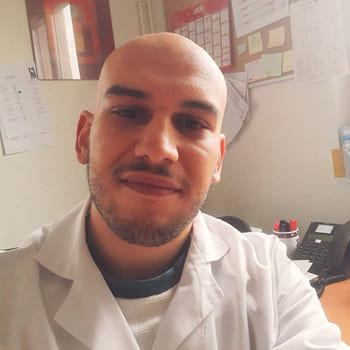
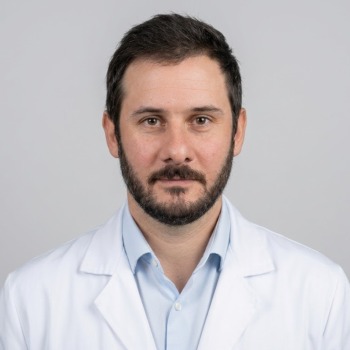
Sergey Ilyasov

PsychiatryNeurology7 years of experience

Dr Sergey Ilyasov is an experienced neurologist and qualified psychiatrist who provides online consultations for adults and adolescents. Combining deep neurological expertise with a modern psychiatric approach, he ensures comprehensive diagnostics and effective treatment for a wide range of conditions affecting both physical and mental health.

Dr. Ilyasov helps patients in the following cases:

  • Chronic headaches (migraine, tension-type headache), back pain, neuropathic pain, dizziness, numbness in limbs, coordination disorders.
  • Anxiety disorders (panic attacks, generalized anxiety disorder), depression (including atypical and treatment-resistant forms), sleep disturbances (insomnia, hypersomnia, nightmares), stress, burnout.
  • Chronic pain syndromes and psychosomatic symptoms (e.g., irritable bowel syndrome related to stress, vegetative-vascular dystonia).
  • Behavioral disorders and concentration difficulties in adolescents (including ADHD, autism spectrum disorders), nervous tics.
  • Memory impairments, phobias, obsessive-compulsive disorder (OCD), emotional swings, and support for post-traumatic stress disorder (PTSD).

Thanks to his dual specialization in neurology and psychiatry, Dr Sergey Ilyasov offers integrated and evidence-based care for complex conditions requiring a multidisciplinary approach. His consultations focus on accurate diagnosis, development of an individualized treatment plan (including pharmacotherapy and psychotherapeutic methods), and long-term support adapted to each patient's unique needs.

Book an online consultation with Dr. Sergey Ilyasov to receive qualified assistance and improve your well-being today.

Book a video appointment
€106
This page provides general information and does not replace a doctor’s consultation. If symptoms are severe, persistent or worsening, seek medical advice promptly.

This is a lasting difference in how the brain works: a person finds it harder to take in new information, to work out what to do in complicated or unfamiliar situations, and to manage everyday life without help. It is present from childhood and stays for life, but how far it affects someone varies enormously.

The same diagnosis covers very different lives. One person needs help only with unusual tasks such as paperwork; another needs help every day and with everything. So the useful question is not "how severe is it" but "what exactly is difficult, and what makes up for it".

It is not the same as dyslexia or a speech delay

The labels are mixed up here more often than in any other topic, and the mix-up is costly: a child can spend years receiving the wrong kind of support.

  • Specific learning difficulties — dyslexia, dysgraphia, dyscalculia. One skill is affected: reading, writing or arithmetic. Reasoning, language, memory and everyday independence are intact, and someone with dyslexia may be an outstanding engineer.
  • Speech and language delay. The child understands what is said and copes with everyday tasks but started talking late. Many catch up with their peers.
  • Hearing loss. The child does not respond to their name and does not build vocabulary — not because they cannot understand, but because they cannot hear. This is the first thing to check.
  • Autism. A separate condition: difficulty with social exchange and a strong need for things to stay predictable, at any level of intelligence. It may occur alongside intellectual disability, or entirely without it.

What sets intellectual disability apart is that thinking, language and practical everyday skills are all affected together, rather than one area alone.

How widely it varies

Broadly, it is described as mild, moderate, severe or profound. Most people fall into the mild group, and from the outside it is often invisible: the person talks normally, works, finds their way around a familiar area, but comes unstuck when they have to think quickly in a new setting, judge someone else's intentions, or hold a long instruction in mind.

In profound and multiple disability, the intellectual side comes together with poor sight or hearing, restricted movement and epilepsy. That person needs help with eating, washing and moving about, and sometimes tube feeding and a specially fitted chair.

No speech does not mean no thoughts and no preferences, and this matters more than anything else in the subject. Many people who do not talk communicate perfectly well — through gestures, picture boards, switches, or a tablet with a synthetic voice. Spend the time to learn how a particular person communicates and it turns out they can choose their food, their clothes and their activities, and take part in decisions about themselves.

Why it happens

In roughly a third of people no cause is ever found. In the rest, one of the following usually turns up.

  • Chromosomal and genetic changes: Down's syndrome, fragile X syndrome, small deletions and duplications of chromosome segments. Some arise by chance as the cell forms; others run in families.
  • Inherited metabolic conditions such as phenylketonuria and congenital underactive thyroid. These are looked for by newborn screening, and this is the most hopeful part of the topic: start treatment in the first weeks and intellectual development is normal; miss that window and it is not.
  • Infections in pregnancy: rubella, cytomegalovirus, toxoplasmosis, syphilis.
  • Alcohol in pregnancy. No safe amount has been established and the damage cannot be undone — it is the one genuinely preventable cause on the list.
  • Extreme prematurity, severe lack of oxygen around birth, severe untreated newborn jaundice.
  • Meningitis and encephalitis in early childhood, serious head injury, prolonged seizures that could not be stopped, lead poisoning.

Cerebral palsy does not affect intelligence in itself, but the two often occur together because they share a cause: damage to the brain at an early stage.

What gets noticed first

The worrying thing is not one late milestone but a steady lag across several areas at once — movement, speech, understanding and self-care. Children develop unevenly, and a late talker who is keenly interested in the world around them is usually within the normal range.

It is worth seeing a doctor if:

  • by twelve months a child does not respond to their name, does not reach for objects and does not look where you point;
  • by two years there are hardly any words and simple requests such as "give me the ball" are not followed;
  • by three years they do not put two or three words together and do not join in simple pretend play;
  • at school age they are not keeping up with lessons and, at the same time, cannot manage ordinary tasks: dressing for the weather, counting change, getting to a familiar place.

One sign stands apart: losing skills already gained. A child who talked stops talking, who walked forgets how, who no longer recognises the people close to them. That is not slow development but regression, and it needs looking into quickly — other conditions lie behind it, some of which respond far better the earlier they are treated.

How the diagnosis is reached

There is no single test. Two things are assessed together: how the person reasons, and how they manage day-to-day life — whether they eat and dress themselves, find their way outdoors, understand money and danger. No score from a test means anything without that second half.

Alongside this, the doctor looks for a cause and, more importantly, for things that make the situation worse and can be treated: hearing and sight loss, an underactive thyroid, vitamin B12 deficiency, frequent seizures, pauses in breathing during sleep, depression. Sometimes, once these are dealt with, the person copes noticeably better and it becomes clear that the "diagnosis" was partly a matter of not hearing or seeing what was going on.

Genetic testing does not change the disability itself, but it answers what the family wants to know: what to expect later, which health problems are likely, and what the risk would be for another child.

The diagnosis is made at different ages: in the first years where the disability is marked, and sometimes only in adulthood where it is mild, by someone who spent a lifetime assuming they were simply no good at studying. A late diagnosis is still worth having — it opens the door to support.

The health problems that get missed

People with intellectual disability fall ill no less often than anyone else, but they are seen later and treated less thoroughly, simply because putting a symptom into words is harder and those around them put the change down to personality.

More common than usual are: epilepsy; severe constipation, occasionally going as far as bowel obstruction; swallowing difficulty with choking and repeated chest infections; reflux of stomach contents; neglected teeth; uncorrected short sight and hearing loss; excess weight or, equally, too little of it; fragile bones from limited movement and years of anti-seizure medicines.

In someone who does not speak, pain shows up as behaviour. Sudden aggression, refusing food, sleeplessness, rocking, hitting themselves — before calling any of this a behavioural problem, rule out toothache, constipation, an ear infection, urinary retention or a fracture. A sharp change in behaviour with no obvious reason is a medical question, not a disciplinary one.

Medicines deserve a mention of their own. Sedatives and antipsychotics are prescribed to these patients more often than needed and then left in place for years without review. If a drug was once started "for behaviour", it is worth checking with the doctor once a year whether it is still needed and still at that dose.

For that reason a regular check-up is worthwhile for an adult with intellectual disability even when nothing is wrong: weight, blood pressure, vision, hearing, teeth, blood tests, a review of every medicine being taken, and vaccinations. Problems then come to light while they are still easy to put right.

What actually helps

Intellectual disability cannot be cured, but much of what a person cannot do today can still be learned — more slowly and in small steps.

  • Start as early as possible. Speech and language work, movement work and practical skills training give more in the first years than the same sessions later on.
  • Teach specific things rather than "development" in the abstract: fastening a coat, using public transport, cooking two or three meals, phoning for help if something goes wrong.
  • Keep a predictable routine and lean on what can be seen — pictures, timetables, labels. Use short sentences, one idea at a time, and leave room for an answer.
  • Ask the person, not only whoever came with them. Even when the decision is not theirs alone, their preferences have to be heard.
  • Prepare well in advance for the move from children's services to adult ones: this is the point at which support is most often lost.
  • Do not overlook the carer. Exhaustion in the family harms the person as much as the condition does, so respite and support for relatives are part of the treatment rather than a luxury.

Simple adjustments can be asked for at any appointment: a longer slot, plain language and pictures, an accompanying person in the room, a time of day when the waiting area is quiet. This is not a favour — without it the appointment simply does not work.

Online consultation

A remote appointment suits situations that call for a conversation rather than an examination. The doctor can go through what worries you about a child's development, suggest where to start the assessment and which specialists to look for; help an adult or their family draw up questions for a face-to-face visit, make sense of reports already issued, judge whether a long-standing medicine needs reviewing, and work out which routine checks have gone undone for years.

Be seen in person and without delay if a child has lost skills they already had, if seizures appear, if the person stops eating, changes abruptly in behaviour, or starts choking more often and has bouts of fever with a cough.

This material is for information only and does not replace medical advice.

Consult with a doctor about Intellectual disability (learning disability)

Consult with a doctor about Intellectual disability (learning disability)

Discuss your symptoms and possible next steps with a doctor online.

Online doctors for Intellectual disability (learning disability)

Discuss your symptoms and possible next steps for Intellectual disability (learning disability) with a doctor online.

Doctor
5.0(16)

Sergey Ilyasov

PsychiatryNeurology7 years of experience

Dr Sergey Ilyasov is an experienced neurologist and qualified psychiatrist who provides online consultations for adults and adolescents. Combining deep neurological expertise with a modern psychiatric approach, he ensures comprehensive diagnostics and effective treatment for a wide range of conditions affecting both physical and mental health.

Dr. Ilyasov helps patients in the following cases:

  • Chronic headaches (migraine, tension-type headache), back pain, neuropathic pain, dizziness, numbness in limbs, coordination disorders.
  • Anxiety disorders (panic attacks, generalized anxiety disorder), depression (including atypical and treatment-resistant forms), sleep disturbances (insomnia, hypersomnia, nightmares), stress, burnout.
  • Chronic pain syndromes and psychosomatic symptoms (e.g., irritable bowel syndrome related to stress, vegetative-vascular dystonia).
  • Behavioral disorders and concentration difficulties in adolescents (including ADHD, autism spectrum disorders), nervous tics.
  • Memory impairments, phobias, obsessive-compulsive disorder (OCD), emotional swings, and support for post-traumatic stress disorder (PTSD).

Thanks to his dual specialization in neurology and psychiatry, Dr Sergey Ilyasov offers integrated and evidence-based care for complex conditions requiring a multidisciplinary approach. His consultations focus on accurate diagnosis, development of an individualized treatment plan (including pharmacotherapy and psychotherapeutic methods), and long-term support adapted to each patient's unique needs.

Book an online consultation with Dr. Sergey Ilyasov to receive qualified assistance and improve your well-being today.

Book a video appointment
€106
Doctor
5.0(24)

Taisiia Proida

Psychiatry7 years of experience

Taisiia Proida is a general practitioner with a specialization in mental health and a cognitive behavioral therapist (CBT), a member of the European Psychiatric Association. She offers online consultations for adults aged 18 and over, combining evidence-based medicine with an individualised approach to mental health care. She specialises in consultations and ongoing support for a wide range of mental health concerns, including: 

  • Mood disorders: depression, bipolar disorder, postpartum depression.
  • Anxiety disorders: generalised anxiety, OCD, panic attacks, phobias.
  • Post-traumatic stress disorder (PTSD) and complex PTSD.
  • Attention deficit hyperactivity disorder (ADHD) and autism spectrum disorder (ASD). Assessment is provided only after an initial psychiatric evaluation and during a follow-up appointment.
  • Personality disorders and emotional instability.
  • Cyclothymia and mood fluctuations.
  • Schizophrenia spectrum and related conditions.

Dr. Proida combines clinical expertise with an empathetic approach, offering structured support based on evidence-based practices. Her work integrates CBT techniques with medical management, with a focus on anxiety and depressive disorders. She works with clients from different countries and cultural backgrounds, adapting her communication style and recommendations to individual needs. With experience in international clinical trials (Pfizer, Merck), she values clarity, trust, and collaborative partnership in patient care.

Book a video appointment
€170
Doctor
5.0(7)

Anastasiia Hladkykh

Psychiatry15 years of experience

Dr Anastasiia Hladkykh is a physician-psychotherapist and psychologist with over 14 years of experience working with individuals struggling with various types of addictions and their families. She provides online consultations for adults, combining medical knowledge with deep psychological support and practical tools.

Key areas of expertise:

  • Addiction treatment: alcohol and drug dependence, gambling addiction, compulsive behaviours, codependent relationships.
  • Support for families of addicted individuals, behavioural correction within the family system, guidance for maintaining remission.
  • Mental health: depression, bipolar disorder, obsessive-compulsive disorder (OCD), anxiety disorders, phobias, PTSD, generalised anxiety, emotional trauma, and the psychological impact of loss or emigration.
  • Psychoeducation: explaining complex mental health concepts in simple language, helping patients and their families understand diagnoses and treatment steps.
Therapeutic approach:
  • Client-centred, straightforward, and empathetic – focused on practical outcomes and emotional stabilisation.
  • Prescribes medications when needed, but always aims to minimise unnecessary pharmaceutical use.
  • Certified in multiple evidence-based methods: CBT, NLP (Master Practitioner), Ericksonian hypnosis, symbol drama, art therapy, and systemic therapy.
  • Each consultation results in a clear, structured plan – patients leave knowing exactly what to do next.
Experience and background:
  • Member of the German association Gesundheitpraktikerin and the NGO “Mit dem Sonne in jedem Herzen.”
  • More than 18 publications in international peer-reviewed journals, translated into several languages.
  • Volunteer work with Ukrainian refugees and military personnel at the University Clinic of Regensburg.
Book a video appointment
€156
Doctor
5.0(1)

Daria Portnova

Psychiatry31 years of experience

Dr Daria Portnova is a psychiatrist and psychotherapist with over 30 years of clinical experience. She works with adults and adolescents aged 14 and over, providing online psychiatric and psychotherapeutic consultations. In her practice, Dr Portnova supports patients facing the onset of mental health conditions, chronic psychiatric disorders, psychotic symptoms, trauma-related states, and complex emotional crises. Her work is structured and safety-focused, with an emphasis on stabilisation, accurate diagnosis, and long-term improvement in quality of life. Patients consult Dr Daria Portnova for the following concerns: 

  • existential crises and complex life situations;
  • loss, grief, and emotional exhaustion;
  • relationship difficulties, separation, and divorce;
  • psychological and psychiatric trauma, including complex PTSD (cPTSD);
  • anxiety disorders: generalised anxiety disorder and panic disorder;
  • social anxiety and social phobia;
  • obsessive-compulsive disorder (OCD);
  • sleep disorders;
  • depressive disorders;
  • bipolar affective disorder;
  • schizoaffective disorder;
  • schizophrenia;
  • personality disorders.

Dr Portnova combines psychiatric assessment with a psychotherapeutic approach. She works with evidence-based methods, including cognitive behavioural therapy (CBT) and third-wave approaches such as ACT, FACT, and CFT. Consultations are focused on clear clinical understanding, practical recommendations, and ongoing support over time.

Book a video appointment
€116
Doctor
5.0(1)

Pedro Alvarez Guerrero

Psychiatry8 years of experience

Dr. Alvarez Guerrero graduated in Medicine from the San Pablo CEU University in Madrid. He subsequently completed his specialization in Psychiatry in the Department of Psychiatry at Hospital Sant Joan de Deu in Manresa (Barcelona), where over the course of four years he acquired solid training in the bio-psycho-social model, developing his expertise across the different areas of mental health.

During his residency, he undertook training placements at Hospital Clínic de Barcelona, where he trained for several months in the psychiatric consultation-liaison unit. He also completed another placement at Hospital de Cruces in Bilbao, in the first-episode psychosis unit.

Throughout his professional career, Dr. Alvarez Guerrero has sought to complement his medical training with psychotherapeutic tools that allow him to address mental health disorders from a comprehensive perspective. For this reason, he specialized in Brief Strategic Psychotherapy through the Spanish Society of Psychosomatic Medicine and Psychotherapy, an approach focused on targeted and effective interventions.

With the aim of deepening his knowledge and promoting the rational use of treatments, he also completed a Master’s Degree in Psychopharmacology at the University of Valencia, which has enabled him to rigorously integrate the most up-to-date scientific evidence into the clinical management of psychopharmacological treatments.

He has also shown a particular interest in the field of legal psychiatry, completing an Official Master’s Degree in Legal, Forensic and Criminological Psychopathology at the Universitat Internacional de Catalunya. This training has allowed him to acquire the necessary competencies for the preparation of psychiatric expert reports in judicial and medico-legal contexts, thereby broadening the scope of his professional activity.

Book a video appointment
€116

Stay informed about Oladoctor

News about new services, product updates and useful information for patients.

Follow us on social media