Gilbert's syndrome

This is the commonest inherited quirk of metabolism and probably the most harmless: roughly one person in twenty has it, it is picked up more often in men…

Prescription review online

Prescription review online

A doctor will review your case and issue a prescription if medically appropriate.

Talk to a doctor online

Talk to a doctor online

Discuss your symptoms and possible next steps with a doctor online.

Doctor
5.0(36)

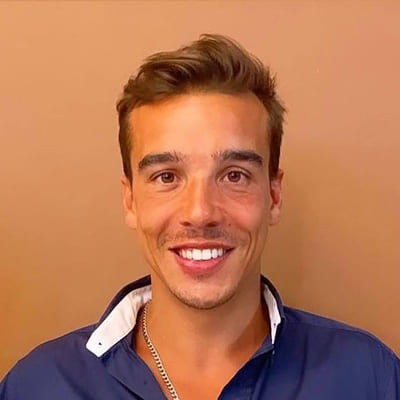
Andrei Popov

General medicinePain medicine7 years of experience

Dr. Andrei Popov is a family physician with specialized training in the management of chronic pain. He provides video consultations for adults in Spain and across Europe: whether you have been living with pain for months that no one has been able to properly explain, or you need to resolve a health issue without waiting weeks for an appointment.

His approach is clear: to listen, organize your case, and provide you with a practical roadmap based on evidence-based medicine and adapted to your medical history and personal needs.

Pain: how he can help

  • Chronic pain (more than 3 months
  • Migraine and recurrent or high-intensity headaches
  •  Neck, lower back, back and joint pain
  •  Post-traumatic pain after injuries or surgeries
  •  Pain of neurological origin: neuralgia, neuropathic pain, fibromyalgia

General medicine

  • Frequent respiratory infections (cold, flu, persistent cough)
  • Hypertension, diabetes and metabolic disorders
  • Review of laboratory tests and MRI/CT reports (explained in clear language)
  • Preventive medicine and health monitoring
  • Second opinions and treatment adjustments (when clinically appropriate)

What the consultation is like
 Each session lasts up to 30 minutes. We review symptoms, medical history, medications and any tests you provide, and you finish the consultation with a clear treatment plan, defined next steps, and criteria to understand when follow-up may be needed. If warning signs are detected, he will clearly advise whether you need in-person care or urgent medical attention.

Book a video appointment
€86
This page provides general information and does not replace a doctor’s consultation. If symptoms are severe, persistent or worsening, seek medical advice promptly.

This is the commonest inherited quirk of metabolism and probably the most harmless: roughly one person in twenty has it, it is picked up more often in men, and as a rule it gives nothing away. Now and then the whites of the eyes turn faintly yellow for a day or two, after a sleepless night, a cold or a long stretch without food, and then clear again on their own. There is nothing to treat. The liver is intact and stays intact. The trouble that comes with Gilbert's syndrome almost never comes from the syndrome itself, but from mistaking it for liver disease or, the other way round, from blaming it for a real one.

What is actually happening in the liver

Every day red cells that have served their time break down, releasing bilirubin, a yellow pigment. In that form it does not dissolve in water, so the liver has to convert it: an enzyme attaches a sugar residue, and the now soluble bilirubin leaves in the bile towards the bowel.

In Gilbert's syndrome the gene behind that enzyme works at half power. The enzyme is there, but there is not much of it, so unprocessed bilirubin builds up in the blood. Once the level rises appreciably it tints the whites of the eyes, and with a bigger rise the skin as well. That is where it ends: liver cells are not damaged, the bile ducts are unaffected, no scar tissue forms.

The trait is inherited from parents. It is not catching, it is not brought on by eating badly, and it does not turn into anything else over the years. It does have a severe and very rare relative, Crigler-Najjar syndrome, in which the enzyme is almost entirely missing; that one shows itself in a newborn with deep jaundice and has nothing in common with ordinary Gilbert's in the way it behaves.

When the yellow shows up

It is easiest to spot in the whites of the eyes in daylight; on brown and black skin a yellow tinge to the skin is harder to make out, but the eyes give it away every time. Bilirubin fluctuates, and a rise is usually preceded by:

  • a long gap without food, a strict diet, a skipped breakfast, a fast;
  • not drinking enough, particularly in hot weather or after training;
  • any infection with a temperature, an ordinary cold included;
  • heavy physical exertion;
  • a night without sleep, a shift on call, a flight across time zones;
  • alcohol the evening before;
  • severe stress, and also surgery under anaesthetic;
  • in women, the days before a period.

It settles by itself within a few days, as soon as the person has eaten, slept and got over whatever they had. Plenty of people with the trait never turn yellow at all and find out by accident, from a blood test taken for something else entirely.

What Gilbert's syndrome never causes

This matters more than any list of symptoms, because this is where things get mixed up. The bilirubin that accumulates in Gilbert's syndrome does not pass through the kidney and does not leave in the urine, and bile flows freely down its ducts. So with this syndrome there is no:

  • dark urine the colour of strong tea;
  • pale, putty-coloured stool;
  • itching of the skin;
  • pain under the right ribs, fever or enlarged liver;
  • exhaustion severe enough to stop someone working.

If the yellow arrives together with anything on that list, the inherited trait is not the explanation. Dark urine with pale stools and itching means bile is not getting out of the liver, and that is the behaviour of a stone stuck in the duct, inflammation of the bile ducts, a tumour in the head of the pancreas or drug-induced liver injury. Jaundice with fever and right-sided pain needs to be seen the same day, and if shaking chills, confusion or marked weakness join in, call an ambulance (in Europe, 112). Jaundice alongside pallor, breathlessness and dark urine points to red cells being destroyed rapidly, which again is not Gilbert's.

Tiredness deserves a note of its own. People with this diagnosis often report fatigue and a heavy feeling in the abdomen, but studies have found no link between the bilirubin level and how someone feels: the same complaints are just as common in people without the syndrome. So if you genuinely feel unwell, the cause needs looking for further afield rather than treating the question as closed.

How the diagnosis is reached

The diagnosis is assembled from simple blood tests, and in a typical case that is enough.

  • Total bilirubin is moderately raised, and almost all of the rise sits in the indirect, unconjugated fraction.
  • Liver enzymes are normal, which is the main argument against liver disease.
  • The full blood count and reticulocytes are normal, ruling out rapid destruction of red cells, which also raises indirect bilirubin.
  • Tests for viral hepatitis come back negative.
  • The figure varies from one sample to the next and climbs higher after fasting or during an illness.

A good check is to repeat the test a few weeks later at a quiet time. A genetic test exists but is rarely needed: when the picture is atypical, or when the answer matters before a particular treatment. Neither a liver biopsy nor endlessly repeated scans are required when the picture is clear, and there is no point pressing for them.

Medicines worth mentioning to a doctor

The same enzyme that is in short supply also handles some medicines. The practical consequences are few but they count.

  • Certain cancer drugs, irinotecan above all, are tolerated less well with this trait: a steeper drop in white cells and more diarrhoea are possible. The oncologist should know the diagnosis before chemotherapy starts, since the dose is sometimes adjusted or the genetic test requested.
  • Some HIV medicines raise bilirubin in their own right and produce a striking jaundice that does not mean liver damage.
  • When any new long-term treatment begins, a doctor may bring the first blood check slightly forward. The syndrome by itself rules out no common group of medicines.

Keep a record of the diagnosis to hand, in a discharge letter or a note on your phone. It saves a fresh round of investigations every time a new doctor sees a high bilirubin on a form.

Living with it

No treatment is required because there is nothing to treat: life expectancy is ordinary, the liver does not deteriorate, and the syndrome puts no limits on work, sport or pregnancy. There is no special diet, and liver cleanses and courses of so-called liver protectors are of no use: they do not shift the bilirubin, and they do take time and money.

What genuinely helps you see less yellow is eating regularly without long fasting gaps, drinking enough, sleeping, going easy on alcohol and not throwing yourself into gruelling exertion untrained. It is worth watching for a while what in particular darkens your eyes: nearly everyone has their own list of triggers, and knowing it takes the fright out of the thing.

Two more points. Gallstones are slightly more common with this syndrome, so persistent pain under the right ribs after fatty food is worth showing to a doctor rather than putting down to your usual bilirubin. And in a newborn the trait can prolong the ordinary jaundice of the first days: if the colour lasts longer than expected the baby is watched more closely, and where it coincides with other inherited blood conditions the jaundice is more pronounced and needs treatment with light.

Online consultation

A remote appointment fits this subject better than most: everything is settled by talking and looking at results, and there is nothing to examine. The usual scenario is someone arriving with a printout showing a high bilirubin and wanting to know how worried to be. The doctor will look at which fraction is raised and how the liver enzymes and blood count sit alongside it, say which two or three tests are worth adding and which investigations were suggested for no reason, and explain the signs that turn yellow eyes into something other than harmless. It is also a good moment to review medicines before planned treatment or an operation. Jaundice appearing for the first time with pain, fever, dark urine or pale stools is not a remote matter: that needs examining in person the same day.

This material is for information only and does not replace medical advice.

Consult with a doctor about Gilbert's syndrome

Consult with a doctor about Gilbert's syndrome

Discuss your symptoms and possible next steps with a doctor online.

Online doctors for Gilbert's syndrome

Discuss your symptoms and possible next steps for Gilbert's syndrome with a doctor online.

Doctor
5.0(36)

Andrei Popov

General medicinePain medicine7 years of experience

Dr. Andrei Popov is a family physician with specialized training in the management of chronic pain. He provides video consultations for adults in Spain and across Europe: whether you have been living with pain for months that no one has been able to properly explain, or you need to resolve a health issue without waiting weeks for an appointment.

His approach is clear: to listen, organize your case, and provide you with a practical roadmap based on evidence-based medicine and adapted to your medical history and personal needs.

Pain: how he can help

  • Chronic pain (more than 3 months
  • Migraine and recurrent or high-intensity headaches
  •  Neck, lower back, back and joint pain
  •  Post-traumatic pain after injuries or surgeries
  •  Pain of neurological origin: neuralgia, neuropathic pain, fibromyalgia

General medicine

  • Frequent respiratory infections (cold, flu, persistent cough)
  • Hypertension, diabetes and metabolic disorders
  • Review of laboratory tests and MRI/CT reports (explained in clear language)
  • Preventive medicine and health monitoring
  • Second opinions and treatment adjustments (when clinically appropriate)

What the consultation is like
 Each session lasts up to 30 minutes. We review symptoms, medical history, medications and any tests you provide, and you finish the consultation with a clear treatment plan, defined next steps, and criteria to understand when follow-up may be needed. If warning signs are detected, he will clearly advise whether you need in-person care or urgent medical attention.

Book a video appointment
€86
Doctor
5.0(19)

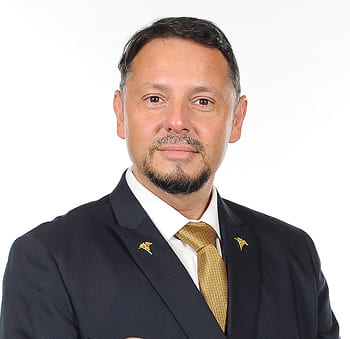
Nuno Tavares Lopes

Family medicineGeneral medicine18 years of experience

Dr. Nuno Tavares Lopes is a licensed physician in Portugal with 17 years of experience in emergency medicine, family and general practice, and public health. He is the Director of Medical and Public Health Services at an international healthcare network and serves as an external consultant for the WHO and ECDC.

  • Emergency care: infections, fever, chest/abdominal pain, minor injuries, paediatric emergencies
  • Family medicine: hypertension, diabetes, cholesterol, chronic disease management
  • Travel medicine: pre-travel advice, vaccinations, fit-to-fly certificates, travel-related illnesses
  • Sexual and reproductive health: PrEP, STD prevention, counselling, treatment
  • Weight management and wellness: personalised weight loss programmes, lifestyle guidance
  • Skin and ENT issues: acne, eczema, allergies, rashes, sore throat, sinusitis
  • Pain management: acute and chronic pain, post-surgical care
  • Public health: prevention, health screenings, long-term monitoring
  • Sick leave (Baixa médica) connected to Segurança Social in Portugal
  • IMT medical certificates for driving licence exchange
Dr. Nuno Tavares Lopes provides medical support for patients using GLP-1 medications (Mounjaro, Wegovy, Ozempic, Rybelsus) as part of a weight loss strategy. He offers individualised treatment planning, regular follow-up, dose adjustment, and advice on combining medication with sustainable lifestyle changes. Consultations follow the medical standards accepted in Europe.

Dr. Lopes also provides interpretation of medical tests, follow-up care for complex patients, and multilingual support. Whether for urgent concerns or long-term care, he helps patients act with clarity and confidence.

Book a video appointment
€70
Doctor
0.0(0)

Hocine Lokchiri

General medicine21 years of experience

Dr. Hocine Lokchiri is a French consultant with over 20 years of experience in General and Emergency Medicine. He works with adults and children, helping patients with urgent symptoms, infections, sudden health changes and everyday medical concerns that require timely evaluation. His background includes clinical practice in France, Switzerland and the United Arab Emirates, which allows him to navigate different healthcare systems and manage a wide range of conditions with confidence. Patients value his calm, structured approach, clear explanations and evidence-based decision-making.

Online consultations with Dr. Lokchiri are suitable for many situations when someone needs quick medical guidance, reassurance or a clear next step. Common reasons for booking include:

  • fever, chills, fatigue and viral symptoms
  • cough, sore throat, nasal congestion, breathing discomfort
  • bronchitis and mild asthma flare-ups
  • nausea, diarrhoea, abdominal pain, digestive infections
  • rashes, allergic reactions, redness, insect bites
  • muscle or joint pain, mild injuries, sprains
  • headache, dizziness, migraine symptoms
  • stress-related symptoms, sleep disturbances
  • questions about test results and treatment plans
  • management of chronic conditions in stable phases
Many patients reach out when symptoms appear suddenly and cause concern, when a child becomes unwell unexpectedly, when a rash changes or spreads, or when it’s unclear whether an in-person examination is necessary. His emergency medicine background is particularly valuable online, helping patients understand risk levels, identify warning signs and choose safe next steps.

Some situations are not suitable for online care. If a patient has loss of consciousness, severe chest pain, uncontrolled bleeding, seizures, major trauma or symptoms suggesting a stroke or heart attack, he will advise seeking immediate local emergency services. This improves safety and ensures patients receive the right level of care.

Dr. Lokchiri’s professional training includes:

  • Advanced Trauma Life Support (ATLS)
  • Basic and Advanced Cardiac Life Support (BLS/ACLS)
  • Pediatric Advanced Life Support (PALS)
  • Prehospital Trauma Life Support (PHTLS)
  • eFAST and critical care transthoracic echocardiography
  • aviation medicine
He is an active member of several professional organisations, including the French Society of Emergency Medicine (SFMU), the French Association for Emergency Physicians (AMUF) and the Swiss Society of Emergency and Rescue Medicine (SGNOR). In consultations, he works with clarity and precision, helping patients understand their symptoms, possible risks and the safest treatment options.
Book a video appointment
€64
Doctor
0.0(0)

Daniel Cichi

Family medicinePaediatricsGeneral medicine24 years of experience

Dr Daniel Cichi is a family medicine doctor with over 20 years of clinical experience. He provides online consultations for adults, supporting patients with acute symptoms, chronic conditions, and everyday health concerns that require timely medical guidance. His background includes work in emergency care, ambulance services, and family medicine, which allows him to assess symptoms quickly, identify warning signs, and help patients choose the safest next steps – whether that means home care, treatment adjustment, or in-person evaluation. Patients commonly consult Dr Daniel Cichi for: 

  • acute symptoms: fever, infections, flu-like illness, cough, sore throat, shortness of breath;
  • chest discomfort, palpitations, dizziness, fatigue, and blood pressure concerns;
  • digestive problems: abdominal pain, nausea, diarrhoea, constipation, reflux;
  • sexually transmitted infections, erectile dysfunction;
  • muscle, joint, and back pain, minor injuries, post-traumatic symptoms;
  • chronic conditions: hypertension, diabetes, high cholesterol, thyroid disorders, weight loss, hair loss;
  • review and interpretation of lab tests, imaging reports, and medical documents;
  • medication review and treatment adjustment;
  • medical advice while travelling or living abroad;
  • second opinions and guidance on whether in-person care is needed.

Dr Cichi’s consultations are structured and practical. He focuses on clear explanations, risk assessment, and actionable recommendations, helping patients understand their symptoms and make informed decisions about their health.

Book a video appointment
€69

Stay informed about Oladoctor

News about new services, product updates and useful information for patients.

Follow us on social media