Flu
Flu will often get better on its own, but it can make some people seriously ill. It's important to get the flu vaccine if you're advised to.




-
On this page
-
Medicines commonly prescribed for Flu
For informational purposes only. Always consult a doctor before using any medicine.
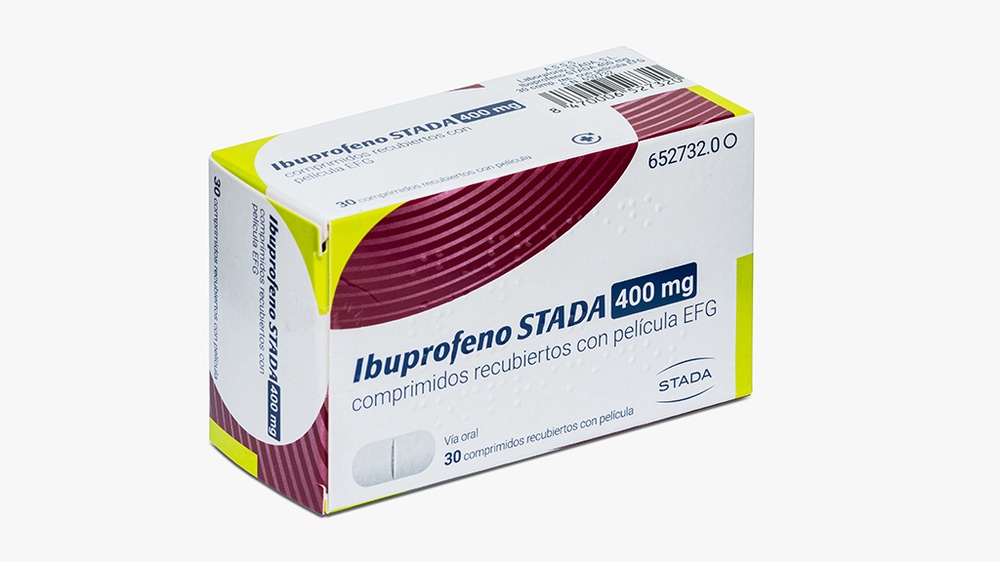
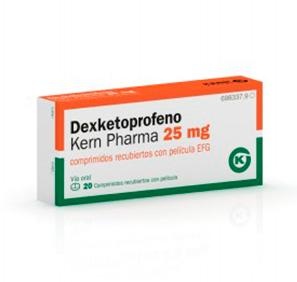
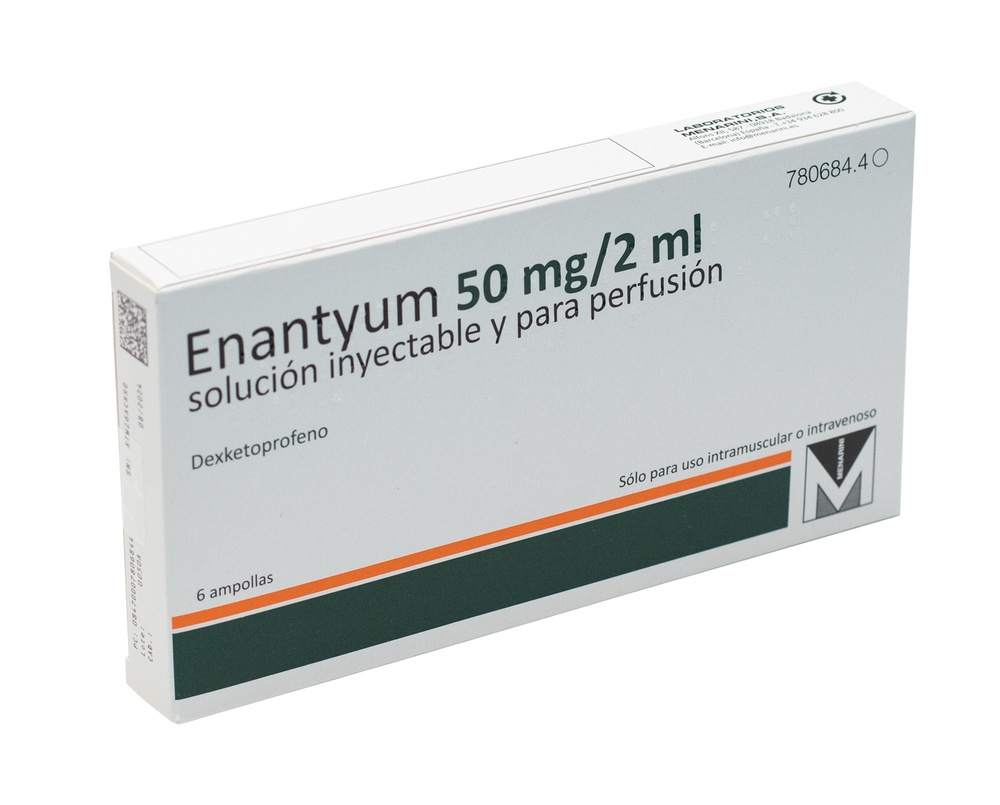
Dosage form: TABLET, 400 mgActive substance: ibuprofenManufacturer: Laboratorio Stada S.L.Prescription requiredDosage form: TABLET, 25 mgActive substance: dexketoprofenManufacturer: Laboratorios Combix S.L.U.Prescription not requiredDosage form: INJECTABLE, 50 mg dexketoprofenActive substance: dexketoprofenManufacturer: Laboratorios Menarini S.A.Prescription required
Flu will often get better on its own, but it can make some people seriously ill. It's important to get the flu vaccine if you're advised to.
Symptoms of flu
Flu symptoms come on very quickly and can include:
- a sudden high temperature
- an aching body
- feeling tired or exhausted
- a dry cough
- a sore throat
- a headache
- difficulty sleeping
- loss of appetite
- diarrhoea or tummy pain
- feeling sick and being sick
The symptoms are similar for children, but they can also get pain in their ear and appear less active.
Telling the difference between cold and flu
Cold and flu symptoms are similar, but flu tends to be more severe.
| Flu | Cold |
|---|---|
| Appears quickly within a few hours | Appears gradually |
| Affects more than just your nose and throat | Affects mainly your nose and throat |
| Makes you feel exhausted and too unwell to carry on as normal | Makes you feel unwell, but you still feel well enough to do your normal activities |
How to treat flu yourself
If you have flu, there are some things you can do to help get better more quickly.
Do
-
rest and sleep
-
keep warm
-
take paracetamol or ibuprofen to lower your temperature and treat aches and pains
-
give paracetamol or ibuprofen to your child if they're distressed or uncomfortable – check the packaging or leaflet to make sure the medicine is suitable for your child, or speak to a pharmacist or GP if you're not sure
-
drink plenty of water to avoid dehydration (your pee should be light yellow or clear)

A pharmacist can help with flu
A pharmacist can give treatment advice and recommend flu remedies.
Do not take paracetamol and flu remedies that contain paracetamol at the same time as it's easy to take more than the recommended dose.
Antibiotics
Antibiotics do not work for viral infections such as flu. GPs do not recommend antibiotics for flu because they will not relieve your symptoms or speed up your recovery.
Call 112 or go to A&E if you:
- get sudden chest pain
- have difficulty breathing
- start coughing up a lot of blood
Do not drive to A&E. Ask someone to drive you or call 112 and ask for an ambulance.
Bring any medicines you take with you.
How to avoid spreading the flu
Flu is very infectious and easily spread to other people. You're more likely to give it to others in the first 5 days.
Flu is spread by germs from coughs and sneezes, which can live on hands and surfaces for 24 hours.
To reduce the risk of spreading flu:
- wash your hands often with warm water and soap
- cover your mouth and nose with a tissue when you cough or sneeze (if you do not have a tissue, cough or sneeze into the bend of your elbow, not into your hand)
- bin used tissues as quickly as possible
Try to stay at home and avoid contact with other people if you have a high temperature or you do not feel well enough to do your normal activities.
See how to wash your hands correctly
Flu vaccine
The flu vaccine helps protect against flu. It's safe and effective.
Online doctors for Flu
Discuss your symptoms and possible next steps for Flu with a doctor online.