Bg pattern

Dysarthria (speech disorder)

Dysarthria is a speech disorder caused by weakness or poor control of the muscles used for speaking.


If these symptoms are severe, persistent or worsening, seek medical advice promptly.

Prescription review online

Prescription review online

A doctor will review your case and issue a prescription if medically appropriate.

Talk to a doctor online

Talk to a doctor online

Discuss your symptoms and possible next steps with a doctor online.

This page provides general information and does not replace a doctor’s consultation. If symptoms are severe, persistent or worsening, seek medical advice promptly.

Dysarthria is where you have difficulty speaking because the muscles you use for speech are weak. It can be caused by conditions that damage your brain or nerves and some medicines. Speech and language therapy can help.

 Call 112 if: 

  • somebody's face droops on 1 side (the mouth or eye may have drooped)
  • a person cannot lift up both arms and keep them there
  • a person has difficulty speaking (speech may be slurred or garbled)

These can be signs of a stroke, which is a medical emergency. The symptoms of a stroke usually come on suddenly.

Do not drive yourself to A&E. 

The person you speak to at 112 will give you advice about what to do.

Symptoms of dysarthria

The main symptom of dysarthria is unclear speech. This can make it difficult for you to make yourself understood.

Your speech may only be slightly unclear, or you may not be able to speak clearly at all.

Other symptoms include:

  • difficulty moving your mouth, tongue or lips
  • slurred or slow speech
  • difficulty controlling the volume of your voice, making you talk too loudly or quietly
  • a change in your voice, making it nasal, strained or monotone
  • hesitating a lot when talking, or speaking in short bursts instead of full sentences

Being stressed or tired may make your symptoms worse.

Dysarthria is not the same as dysphasia, although you can have both conditions at the same time. Dysphasia, also known as aphasia, is where you have difficulty understanding words or putting them together in a sentence.

 See a GP if: 

  • you've noticed gradual changes to your or your child's speech and you're worried

They'll examine you and may refer you to a specialist for further tests.

Causes of dysarthria

Dysarthria is usually caused by damage to the brain or conditions that affect the nervous system. It can happen at any age.

Common causes include:

It can also be a side effect of certain medicines, such as some medicines to treat epilepsy.

Treatment for dysarthria

If you have dysarthria, you'll usually be referred to a speech and language therapist. They'll offer therapy to help your speech and communication.

The therapy you're offered will be different depending on the cause of your dysarthria and how severe it is.

Some people may find therapy does not help their symptoms, or their speech may get worse as their condition progresses. Their therapy may focus on helping communication in other ways.

Speech and language therapy may include:

  • exercises to strengthen the muscles used for speech
  • strategies to make your speech easier to understand, such as slowing down when you're talking
  • using communication aids, such as an alphabet board or a voice amplifier

Consult with a doctor about Dysarthria (speech disorder)

Consult with a doctor about Dysarthria (speech disorder)

Discuss your symptoms and possible next steps with a doctor online.

Online doctors for Dysarthria (speech disorder)

Discuss your symptoms and possible next steps for Dysarthria (speech disorder) with a doctor online.
5.0 (29)
Doctor

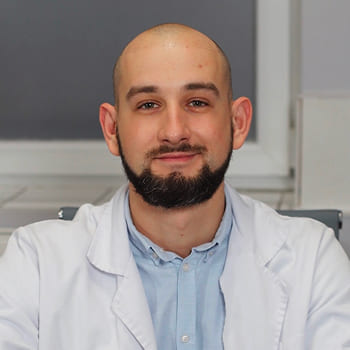
Dmytro Horobets

Family medicine 7 years exp.

Dr. Dmytro Horobets is a licensed family medicine physician in Poland, specialising in endocrinology, diabetology, obesity management, gastroenterology, pediatrics, general surgery, and pain medicine. He offers online consultations for adults and children, providing personalised medical support for a wide range of acute and chronic health concerns.

Areas of expertise:

  • Endocrinology: diabetes type 1 and type 2, prediabetes, thyroid disorders, metabolic syndrome, hormonal imbalance.
  • Obesity medicine: structured weight management plans, nutritional counselling, obesity-related health risks.
  • Gastroenterology: acid reflux (GERD), gastritis, irritable bowel syndrome (IBS), liver and biliary conditions.
  • Pediatric care: infections, respiratory symptoms, digestive issues, growth and development monitoring.
  • General surgery support: pre- and post-surgical consultations, wound care, rehabilitation.
  • Pain management: chronic and acute pain, back pain, joint pain, post-traumatic pain syndromes.
  • Cardiovascular health: hypertension, cholesterol control, risk assessment for heart disease.
  • Preventive medicine: regular check-ups, health screenings, long-term management of chronic conditions.

Dr. Horobets combines evidence-based medicine with a patient-centred approach. He carefully evaluates each patient’s medical history and symptoms, offering clear explanations and structured treatment plans adapted to individual needs.

Whether you need help managing diabetes, tackling weight-related health issues, interpreting lab results, or receiving general family medicine support, Dr. Horobets provides professional online care tailored to your specific health goals.

5.0 (77)
Doctor

Sergey Ilyasov

Psychiatry 7 years exp.

Dr Sergey Ilyasov is an experienced neurologist and qualified psychiatrist who provides online consultations for adults and adolescents. Combining deep neurological expertise with a modern psychiatric approach, he ensures comprehensive diagnostics and effective treatment for a wide range of conditions affecting both physical and mental health.

Dr. Ilyasov helps patients in the following cases:

  • Chronic headaches (migraine, tension-type headache), back pain, neuropathic pain, dizziness, numbness in limbs, coordination disorders.
  • Anxiety disorders (panic attacks, generalized anxiety disorder), depression (including atypical and treatment-resistant forms), sleep disturbances (insomnia, hypersomnia, nightmares), stress, burnout.
  • Chronic pain syndromes and psychosomatic symptoms (e.g., irritable bowel syndrome related to stress, vegetative-vascular dystonia).
  • Behavioral disorders and concentration difficulties in adolescents (including ADHD, autism spectrum disorders), nervous tics.
  • Memory impairments, phobias, obsessive-compulsive disorder (OCD), emotional swings, and support for post-traumatic stress disorder (PTSD).

Thanks to his dual specialization in neurology and psychiatry, Dr Sergey Ilyasov offers integrated and evidence-based care for complex conditions requiring a multidisciplinary approach. His consultations focus on accurate diagnosis, development of an individualized treatment plan (including pharmacotherapy and psychotherapeutic methods), and long-term support adapted to each patient's unique needs.

Book an online consultation with Dr. Sergey Ilyasov to receive qualified assistance and improve your well-being today.

2
bg-pattern-dark

Stay informed about Oladoctor

News about new services, product updates and useful information for patients.

Follow us on social media