Bg pattern

Cystitis

Cystitis is a urinary tract infection (UTI) that affects the bladder. It's common, particularly in women. It often gets better by itself, but may sometimes be treated with antibiotics.


If these symptoms are severe, persistent or worsening, seek medical advice promptly.

Prescription review online

Prescription review online

A doctor will review your case and issue a prescription if medically appropriate.

Talk to a doctor online

Talk to a doctor online

Discuss your symptoms and possible next steps with a doctor online.

This page provides general information and does not replace a doctor’s consultation. If symptoms are severe, persistent or worsening, seek medical advice promptly.

Cystitis is a urinary tract infection (UTI) that affects the bladder. It's common, particularly in women. It often gets better by itself, but may sometimes be treated with antibiotics.
Some people get cystitis frequently and may need regular or long-term treatment.

Symptoms of cystitis

Symptoms of cystitis include:

  • pain, burning or stinging when you pee
  • needing to pee more often and urgently than usual
  • pee that's dark, cloudy or strong smelling
  • pain low down in your tummy

Symptoms in young children may also include:

  • a high temperature – they feel hotter than usual if you touch their neck, back or tummy
  • wetting themselves
  • reduced appetite and being sick
  • weakness and irritability

In older, frail people with cognitive impairment (such as dementia) and people with a urinary catheter, symptoms may also include:

  • changes in behaviour, such as acting confused or agitated (delirium)
  • wetting themselves more than usual
  • shivering or shaking (rigors)

 See a GP if: 

  • you think you have cystitis and your symptoms have not gone away within 3 days
  • your symptoms have not gone away after treatment with antibiotics
  • you have severe cystitis symptoms, such as severe pain in your lower tummy
  • you get cystitis symptoms frequently
  • you have symptoms of cystitis and you're pregnant or you're a man
  • your child has symptoms of cystitis

Treatment from a GP

If you have cystitis, a GP may:

  • offer self-care advice and recommend taking a painkiller
  • do a urine test, although this is not always needed
  • give you a prescription for a 3-day course of antibiotics
  • give you a prescription for antibiotics but suggest you wait for 48 hours before taking them, in case your symptoms go away on their own

Treatment for cystitis that keeps coming back

If you keep getting cystitis, a GP may prescribe:

  • a single-dose antibiotic to take within 2 hours of having sex, if you've noticed sex triggers cystitis
  • a low-dose antibiotic to take for up to 6 months
  • a vaginal oestrogen cream, if you have gone through the menopause

In some women, antibiotics do not work or urine tests do not pick up an infection even though you have cystitis symptoms.

This may mean you have a long-term (chronic) bladder infection that is not picked up by current urine tests. Ask the GP for a referral to a specialist for further tests and treatment.

Long-term infections are linked to an increased risk of bladder cancer in people aged 60 and over.

Things you can try yourself

If you have mild symptoms of cystitis, it can help to:

  • take paracetamol up to 4 times a day to reduce pain
  • give children paracetamol – follow the instructions on the bottle
  • drink plenty of water
  • hold a hot water bottle over your lower tummy
  • avoid having sex
  • avoid drinks that may irritate your bladder, like fruit juices, coffee and alcohol
  • pee frequently

Some people take cystitis sachets or cranberry drinks and products every day to prevent cystitis from happening, which might help. However, there’s no evidence they help ease symptoms or treat cystitis if the infection has already started.

A pharmacist can help with cystitis

You can ask a pharmacist about treatments for cystitis. A pharmacist can:

  • offer advice on things that can help you get better
  • suggest the best painkiller to take
  • tell you if you need to see a GP about your symptoms

Some pharmacies offer a cystitis management service. They may be able to give antibiotics if they're needed.

Causes of cystitis

Cystitis is usually caused by bacteria from poo getting into the tube that carries urine out of your body (urethra).

Women have a shorter urethra than men. This means bacteria are more likely to reach the bladder and cause an infection.

Things that increase the chance of bacteria getting into the bladder include:

  • having sex
  • wiping your bottom from back to front after going to the toilet
  • urinary catheters (a tube in your bladder used to drain urine)
  • using spermicide with contraception
  • conditions that block the urinary tract, such as kidney stones
  • being pregnant
  • conditions that make it difficult to fully empty the bladder, such as an enlarged prostate gland in men
  • having been through the menopause
  • having diabetes
  • having a weakened immune system

How to prevent cystitis

If you get cystitis frequently, there are some things you can try to help prevent it returning.

Consult with a doctor about Cystitis

Consult with a doctor about Cystitis

Discuss your symptoms and possible next steps with a doctor online.

 Do 

  • wipe from front to back when you go to the toilet
  • pee as soon as possible after sex
  • drink plenty of fluids, especially water – so that you pee regularly during the day and do not feel thirsty
  • have a shower rather than a bath – this stops exposing your genitals to cleaning products for too long
  • wash the skin outside the vagina (vulva) with water before and after sex
  • change soiled nappies or incontinence pads promptly
  • keep the genital area clean and dry

 Don’t 

  • do not use scented soap, bubble bath or talcum powder
  • do not use spermicide with diaphragm or condoms – try non-spermicidal lube or different type of contraception
  • do not hold your pee in if you feel the urge to go
  • do not rush when going for a pee – try to fully empty your bladder
  • do not drink lots of alcoholic drinks or coffee – they may irritate your bladder
  • do not have lots of sugary foods or drinks – they may encourage bacteria to grow

Other ways to prevent cystitis coming back

If you keep getting cystitis, there is some evidence you may find it helpful to take:

  • D-mannose – a sugar you can buy as a powder or tablets to take every day
  • cranberry products – available as juice, tablets or capsules to take every day

Be aware that D-mannose and cranberry products can contain a lot of sugar. If you're taking warfarin, you should avoid cranberry products.

Online doctors for Cystitis

Discuss your symptoms and possible next steps for Cystitis with a doctor online.

0.0 (0)
Doctor

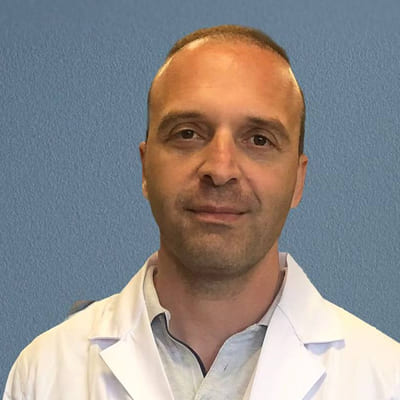
Hocine Lokchiri

General medicine 21 years exp.

Dr. Hocine Lokchiri is a French consultant with over 20 years of experience in General and Emergency Medicine. He works with adults and children, helping patients with urgent symptoms, infections, sudden health changes and everyday medical concerns that require timely evaluation. His background includes clinical practice in France, Switzerland and the United Arab Emirates, which allows him to navigate different healthcare systems and manage a wide range of conditions with confidence. Patients value his calm, structured approach, clear explanations and evidence-based decision-making.

Online consultations with Dr. Lokchiri are suitable for many situations when someone needs quick medical guidance, reassurance or a clear next step. Common reasons for booking include:

  • fever, chills, fatigue and viral symptoms
  • cough, sore throat, nasal congestion, breathing discomfort
  • bronchitis and mild asthma flare-ups
  • nausea, diarrhoea, abdominal pain, digestive infections
  • rashes, allergic reactions, redness, insect bites
  • muscle or joint pain, mild injuries, sprains
  • headache, dizziness, migraine symptoms
  • stress-related symptoms, sleep disturbances
  • questions about test results and treatment plans
  • management of chronic conditions in stable phases
Many patients reach out when symptoms appear suddenly and cause concern, when a child becomes unwell unexpectedly, when a rash changes or spreads, or when it’s unclear whether an in-person examination is necessary. His emergency medicine background is particularly valuable online, helping patients understand risk levels, identify warning signs and choose safe next steps.

Some situations are not suitable for online care. If a patient has loss of consciousness, severe chest pain, uncontrolled bleeding, seizures, major trauma or symptoms suggesting a stroke or heart attack, he will advise seeking immediate local emergency services. This improves safety and ensures patients receive the right level of care.

Dr. Lokchiri’s professional training includes:

  • Advanced Trauma Life Support (ATLS)
  • Basic and Advanced Cardiac Life Support (BLS/ACLS)
  • Pediatric Advanced Life Support (PALS)
  • Prehospital Trauma Life Support (PHTLS)
  • eFAST and critical care transthoracic echocardiography
  • aviation medicine
He is an active member of several professional organisations, including the French Society of Emergency Medicine (SFMU), the French Association for Emergency Physicians (AMUF) and the Swiss Society of Emergency and Rescue Medicine (SGNOR). In consultations, he works with clarity and precision, helping patients understand their symptoms, possible risks and the safest treatment options.
5.0 (25)
Doctor

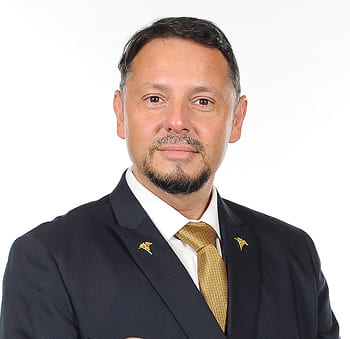
Lina Travkina

Family medicine 13 years exp.

Dr. Lina Travkina is a licensed family and preventive medicine doctor based in Italy. She provides online consultations for adults and children, supporting patients across all stages of care – from acute symptom management to long-term health monitoring and prevention.

Areas of medical care include:

  • Respiratory conditions: colds, flu, acute and chronic bronchitis, mild to moderate pneumonia, bronchial asthma.
  • ENT and eye conditions: sinusitis, tonsillitis, pharyngitis, otitis, infectious and allergic conjunctivitis.
  • Digestive issues: gastritis, acid reflux (GERD), IBS, dyspepsia, bloating, constipation, diarrhoea, functional bowel symptoms, intestinal infections.
  • Urological and infectious diseases: acute and recurrent cystitis, bladder and kidney infections, prevention of recurrent UTIs, asymptomatic bacteriuria.
  • Chronic conditions: hypertension, diabetes, hypercholesterolemia, metabolic syndrome, thyroid disorders, excess weight.
  • Neurological and general symptoms: headache, migraine, dizziness, fatigue, sleep disturbances, reduced concentration, anxiety, asthenia.
  • Chronic pain support: back, neck, joint, and muscle pain, tension syndromes, pain associated with osteochondrosis and chronic conditions.

Additional care areas:

  • Preventive consultations and check-up planning.
  • Medical advice and follow-up consultations.
  • Test interpretation and diagnostic guidance.
  • Structured support for undiagnosed complaints.
  • Second opinion on diagnoses and treatment plans.
  • Nutritional and lifestyle support for vitamin deficiencies, anaemia, metabolic issues.
  • Post-operative recovery support and pain management.
  • Preconception counselling and postpartum support.
  • Immunity support and strategies to reduce frequency of infections.

Dr. Travkina combines evidence-based medicine with an attentive, personalised approach. Her consultations focus not only on treatment, but also on prevention, recovery, and long-term wellbeing.

If during the consultation it becomes clear that your case requires in-person assessment or specialised care outside of her scope, the session will be terminated and the payment fully refunded.

5.0 (760)
Doctor

Alina Tsurkan

Family medicine 13 years exp.

Dr. Alina Tsurkan is a licensed family medicine physician based in Portugal, offering online consultations for adults and children. She provides professional primary care, with a focus on prevention, accurate diagnosis, and long-term management of acute and chronic conditions.

Dr. Tsurkan supports patients with a wide range of health issues, including:

  • Respiratory infections: cold, flu, bronchitis, pneumonia, and lingering coughs.
  • ENT conditions: sinusitis, tonsillitis, otitis (ear infections), sore throat, allergic rhinitis.
  • Eye conditions: allergic or infectious conjunctivitis, red eyes, irritation.
  • Digestive issues: acid reflux (GERD), gastritis, irritable bowel syndrome (IBS), constipation, bloating, nausea.
  • Urinary and reproductive health: urinary tract infections (UTIs), cystitis, prevention of recurrent infections.
  • Chronic diseases: hypertension, elevated cholesterol, weight management.
  • Neurological complaints: headaches, migraines, sleep disturbances, fatigue, general weakness.
  • Children’s health: fever, infections, digestive issues, follow-ups, vaccination guidance.

She also provides:

  • IMT medical certificates for driving licence exchange in Portugal.
  • Personalised preventive care and wellness consultations.
  • Interpretation of test results and medical reports.
  • Follow-up care and medication review.
  • Support in managing multiple coexisting conditions.
  • Remote prescription management and medical documentation.

Dr. Tsurkan’s approach is evidence-based and holistic. She works closely with each patient to develop an individualised care plan that addresses both symptoms and root causes. Her goal is to empower patients to take control of their health and maintain well-being through lifestyle adjustments, routine check-ups, and early intervention.

bg-pattern-dark

Stay informed about Oladoctor

News about new services, product updates and useful information for patients.

Follow us on social media