Coeliac disease

Coeliac disease is not an allergy to bread and not a fashionable intolerance. It is a lifelong immune reaction to the protein of three cereals, in which the…


Prescription request online

Prescription request online

A doctor will review your case and issue a prescription if medically appropriate.

Talk to a doctor online

Talk to a doctor online

Discuss your symptoms and possible next steps with a doctor online.

Doctor
5.0(11)

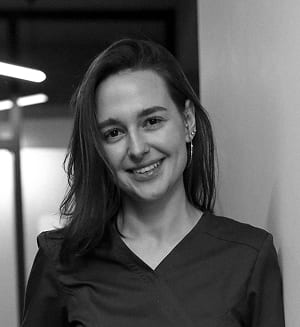
Anna Biriukova

Gastroenterology6 years of experience

Dr Anna Biriukova is an internal medicine doctor with clinical experience in cardiology, endocrinology, and gastroenterology. She provides online consultations for adults, offering expert medical support for heart health, hormonal balance, digestive issues, and general internal medicine.

Cardiology – Diagnosis and treatment of:

  • High blood pressure, blood pressure fluctuations, and cardiovascular risk prevention.
  • Chest pain, shortness of breath, arrhythmias (tachycardia, bradycardia, palpitations).
  • Leg swelling, chronic fatigue, reduced exercise tolerance.
  • EKG interpretation, lipid profile evaluation, cardiovascular risk assessment (heart attack, stroke).
  • Post-COVID-19 cardiac monitoring and care.
Endocrinology – Diabetes, thyroid, metabolism:
  • Diagnosis and management of type 1 and type 2 diabetes, and prediabetes.
  • Individual treatment plans including oral medications and insulin therapy.
  • GLP-1 therapy– modern pharmacological treatment for weight management and diabetes control, including drug selection, monitoring, and safety follow-up.
  • Thyroid disorders – hypothyroidism, hyperthyroidism, autoimmune thyroid diseases (Hashimoto’s, Graves’ disease).
  • Metabolic syndrome – obesity, lipid disorders, insulin resistance.
Gastroenterology – Digestive health:
  • Abdominal pain, nausea, heartburn, gastroesophageal reflux (GERD).
  • Stomach and intestinal conditions: gastritis, irritable bowel syndrome (IBS), indigestion.
  • Management of chronic digestive disorders and interpretation of tests (endoscopy, ultrasound, labs).
General internal medicine and preventive care:
  • Respiratory infections – cough, colds, bronchitis.
  • Lab test analysis, therapy adjustments, medication management.
  • Adult vaccinations – planning, contraindications assessment.
  • Cancer prevention – screening strategies and risk assessment.
  • Holistic approach – symptom relief, complication prevention, and quality of life improvement.
Dr Biriukova combines internal medicine with specialist insight, offering clear explanations, personalised treatment plans, and comprehensive care tailored to each patient.
Book a video appointment
€66
This page provides general information and does not replace a doctor’s consultation. If symptoms are severe, persistent or worsening, seek medical advice promptly.

Coeliac disease is not an allergy to bread and not a fashionable intolerance. It is a lifelong immune reaction to the protein of three cereals, in which the body's own defences destroy the lining of the small bowel. The bowel stops absorbing, and people spend years being treated for anaemia, brittle bones or "nerves" without ever suspecting what a bread roll has to do with it. About one person in a hundred has it, and most of them do not know. There is a single treatment: take gluten out for good. But there is one step that must not be taken too early.

What it actually feels like

The textbook picture is about the gut, and it turns up more often in children:

  • loose stools, pale and greasy-looking, with a sharp smell: undigested fat is hard to flush away;
  • bloating, rumbling, wind and a diffuse ache across the belly;
  • stubborn constipation, which against all expectation is no rarer than diarrhoea;
  • nausea and vomiting, especially in children after meals.

In adults the gut may say nothing at all, and everything else moves to the front:

  • tiredness that gets blamed on work and age, and that usually hides a shortage of iron, vitamin B12 or folate;
  • weight that comes off by itself, with no dieting involved;
  • an itchy blistering rash on elbows, knees, buttocks and hairline — dermatitis herpetiformis, the skin face of the same disease, which can run with no gut symptoms whatsoever;
  • mouth ulcers that will not close, and mottled, darkened enamel in children;
  • pins and needles in the feet and hands, unsteadiness on walking;
  • bone pain and fractures after trivial knocks;
  • trouble conceiving, repeated miscarriage, an erratic cycle;
  • in a child, growth and weight that stall, late puberty, listlessness.

Symptoms come and go, so the link with food is rarely spotted. And feeling nothing proves nothing: the bowel is damaged quietly too.

Why ordinary bread turns hostile

Gluten is the collective name for the proteins of wheat, rye and barley, and in most people it simply passes through. In coeliac disease the immune system mistakes one part of it, gliadin, for an intruder and ends up working against the person's own bowel. The inside of the small bowel is carpeted with millions of tiny finger-like villi, and it is they that give it its enormous absorbing surface. Inflammation flattens them, the lining goes smooth, and nutrients travel past uncollected. That is where the anaemia comes from, and the weak bones.

The trigger is only half understood. An inherited background is needed — the HLA-DQ2 and DQ8 gene variants — but on their own they say little: a third of the population carries them and one in a hundred falls ill. Something else sets the process going: past gut infections, the make-up of the gut flora, probably more that has not been pinned down. It can start at any age, including in someone who has eaten bread happily for fifty years.

Diagnosis, and the mistake that ruins it

Nobody is screened wholesale. Testing makes sense with symptoms from the list above, or if a person falls into one of these groups:

  • first-degree relatives of someone with coeliac disease — parents, children, brothers and sisters: the risk is around one in ten;
  • type 1 diabetes, autoimmune thyroid disease, autoimmune hepatitis;
  • Down syndrome, Turner syndrome;
  • iron deficiency with no explanation that will not respond to iron;
  • osteoporosis or fractures at an age where neither belongs;
  • a label of "irritable bowel syndrome" pinned on without any investigation;
  • infertility and recurrent miscarriage that nobody has accounted for.

It starts with blood: antibodies to tissue transglutaminase, taken together with total immunoglobulin A, because a congenital shortage of the latter makes the main test come back falsely negative. If antibodies are raised, a gastroenterologist performs an endoscopy and takes samples of the lining. In some children with very high antibody levels biopsy can be skipped; that call belongs to the specialist.

And now the part worth reading this far for. Keep eating gluten until the whole work-up is finished. Drop bread a few weeks before the blood test and the lining begins to heal, antibodies fall, and the result comes back negative in someone who genuinely has the disease. No diagnosis is made, and the symptoms return at the first lapse at the table. Undoing that means eating gluten deliberately for weeks and repeating everything. So "I'll try a while without bread and see if I feel better" is precisely what should not happen before the appointment.

A negative blood test does not always close the matter either: with persistent symptoms a doctor may refer to a specialist anyway. Once the diagnosis is confirmed, the next question is what the disease has already damaged: iron and ferritin, vitamin B12, folate, vitamin D, calcium, thyroid function; where thin bones are suspected a bone density scan is added, and the rash is confirmed by a skin biopsy.

The only treatment there is

It does not come in a tablet. Wheat leaves the kitchen in every disguise — flour, semolina, bulgur, couscous, spelt — and rye and barley go with it. That means goodbye to ordinary bread, pasta, cakes, biscuits, breadcrumb coatings and almost all beer, which is brewed from barley.

Plenty remains, happily: meat, fish, eggs, dairy, vegetables, fruit, pulses, nuts, potatoes, rice, buckwheat, maize, millet, quinoa. A diet built from ordinary food works out cheaper and healthier than one built from industrial gluten-free products, which tend to carry less fibre and more fat and sugar. In the first months a dietitian is worth a great deal — not to hand out bans, but to keep the diet from going thin.

People feel better within a few weeks, though the lining takes longer to repair: in adults, up to a year or two. Until it does, milk is often poorly tolerated; that passes. A yearly review is worth keeping: weight, follow-up antibodies, nutrient levels. If the spleen works less well after years of disease, vaccination against pneumococcus and influenza is discussed.

Where gluten hides

Almost nobody trips over the bread; people trip over the small print. Read the label even where you expect no trap: soy sauce, sauces and gravies thickened with flour, stock cubes, sausages, ready-made burgers, malt extract in breakfast cereal, and some medicines and supplements — ask a pharmacist about those. A "gluten-free" claim means by law no more than twenty milligrams per kilo, and the overwhelming majority tolerate those traces without trouble.

Oats contain no gluten, but in an ordinary mill wheat is nearly always alongside them, so only oats labelled gluten-free will do. Even those are better introduced after a word with the doctor: in a small number of people it is the oat's own protein, avenin, that provokes a reaction.

A shared kitchen is a chapter of its own: one chopping board for everyone, crumbs in the butter and the jam, the family toaster, the water that ordinary pasta was boiled in. A board of your own, your own jars and a separate toaster settle most of it.

What it costs to keep eating gluten

Complications arise in those who do not know their diagnosis, or know it and eat as before:

  • obstinate anaemia from lack of iron, vitamin B12 or folate;
  • thinning bone all the way to osteoporosis, and fractures at a young age;
  • in children, short stature and late puberty that are not always made up afterwards;
  • in pregnancy, miscarriage, restricted growth of the baby and low birth weight;
  • over time a spleen that works less well, and therefore infections that hit harder.

And there is something rare that is more honest said out loud: coeliac disease left untreated for many years slightly raises the risk of tumours of the small bowel, lymphoma included. The absolute numbers are small, most people will never meet this, and after some years of a strict diet the risk drifts back towards everyone else's. The most durable misconception is that "a little won't hurt": even occasional helpings keep the inflammation going, and the cruel part is that they can be felt as nothing at all.

When waiting is the wrong move

See a doctor without delay if:

  • a strict diet had made things better and, months or years later, diarrhoea, pain and weight loss return — most often a hidden source of gluten is found, but the rare refractory form and small bowel tumours begin the same way;
  • weight is falling, there are night sweats, a temperature with no cold to explain it, or a lump can be felt in the abdomen;
  • there is blood in the stool, or it has turned black and tarry;
  • diarrhoea and vomiting will not stop, with marked weakness, muscle cramps and confusion: dehydration with salt loss is uncommon but needs hospital care;
  • sudden pain with a hard, board-like abdomen;
  • a child stops gaining weight and becomes listless, with swollen legs.

Not an emergency, but not "one day" either: an itchy blistering rash on elbows and knees, along with numbness and unsteady walking, also deserve an appointment.

Online consultation

A remote appointment covers exactly the weakest point — everything that happens before the tests. The doctor goes through the symptoms and the family history, says which investigations make sense in your particular case, and warns you not to drop gluten before the blood is taken. Results already in hand are easy to work through on screen: what a number means, whether a biopsy is needed, who to see next. Once the diagnosis is established, online is a convenient place to discuss returning symptoms, gluten eaten by accident, how to cover deficiencies and how to eat while travelling. What is not done remotely is diagnosing without tests, and anything from the list above belongs in a face-to-face visit.

This material is for information only and does not replace medical advice.

Consult with a doctor about Coeliac disease

Consult with a doctor about Coeliac disease

Discuss your symptoms and possible next steps with a doctor online.

Online doctors for Coeliac disease

Discuss your symptoms and possible next steps for Coeliac disease with a doctor online.
Doctor
5.0(11)

Anna Biriukova

Gastroenterology6 years of experience

Dr Anna Biriukova is an internal medicine doctor with clinical experience in cardiology, endocrinology, and gastroenterology. She provides online consultations for adults, offering expert medical support for heart health, hormonal balance, digestive issues, and general internal medicine.

Cardiology – Diagnosis and treatment of:

  • High blood pressure, blood pressure fluctuations, and cardiovascular risk prevention.
  • Chest pain, shortness of breath, arrhythmias (tachycardia, bradycardia, palpitations).
  • Leg swelling, chronic fatigue, reduced exercise tolerance.
  • EKG interpretation, lipid profile evaluation, cardiovascular risk assessment (heart attack, stroke).
  • Post-COVID-19 cardiac monitoring and care.
Endocrinology – Diabetes, thyroid, metabolism:
  • Diagnosis and management of type 1 and type 2 diabetes, and prediabetes.
  • Individual treatment plans including oral medications and insulin therapy.
  • GLP-1 therapy– modern pharmacological treatment for weight management and diabetes control, including drug selection, monitoring, and safety follow-up.
  • Thyroid disorders – hypothyroidism, hyperthyroidism, autoimmune thyroid diseases (Hashimoto’s, Graves’ disease).
  • Metabolic syndrome – obesity, lipid disorders, insulin resistance.
Gastroenterology – Digestive health:
  • Abdominal pain, nausea, heartburn, gastroesophageal reflux (GERD).
  • Stomach and intestinal conditions: gastritis, irritable bowel syndrome (IBS), indigestion.
  • Management of chronic digestive disorders and interpretation of tests (endoscopy, ultrasound, labs).
General internal medicine and preventive care:
  • Respiratory infections – cough, colds, bronchitis.
  • Lab test analysis, therapy adjustments, medication management.
  • Adult vaccinations – planning, contraindications assessment.
  • Cancer prevention – screening strategies and risk assessment.
  • Holistic approach – symptom relief, complication prevention, and quality of life improvement.
Dr Biriukova combines internal medicine with specialist insight, offering clear explanations, personalised treatment plans, and comprehensive care tailored to each patient.
Book a video appointment
€66
Doctor
5.0(38)

Andrei Popov

General medicinePain medicine7 years of experience
Licence no. 464628925

Dr. Andrei Popov is a General Practitioner with specialized training in chronic pain. He provides online consultations for adult patients in Spain and other European countries.

Dr. Popov understands that seeking help with weight-related concerns or pain that has persisted for months can be difficult. Many patients come to him after trying different approaches without feeling truly heard. During the consultation, the doctor creates a comfortable and supportive, non-judgmental environment where the patient’s medical history can be discussed in detail, questions can be answered, and the next steps can be decided together.

Weight Management and Metabolic Health

Dr. Popov can help assess overweight, obesity, and related conditions such as hypertension, diabetes, or metabolic disorders. During the consultation, the patient’s medical history, test results, current medications, and previous treatments will be reviewed.

If you would like to learn about possible medication options or have already started treatment, the doctor can assess your situation, review the effectiveness and tolerability of the therapy, and clearly explain its benefits, potential risks, and alternatives.

Not every patient requires the same treatment. A consultation does not guarantee a prescription — it provides an objective medical assessment and a plan tailored to your individual situation.

Pain and General Medicine

You can also consult Dr. Popov regarding:

* chronic pain, migraines, neuralgia, and fibromyalgia;

* back, neck, lower back, or joint pain;

* hypertension, diabetes, and follow-up of chronic conditions;

* review of test results, medical reports, and current treatment;

* preventive medicine and a second medical opinion.

How the Consultation Works

The video consultation lasts up to 30 minutes. The doctor will listen carefully, review the information you provide, and explain the next steps in clear and understandable language.

If additional tests, an in-person consultation, or urgent medical care are required, the doctor will inform you directly.

Dr. Popov’s goal is to make sure the patient feels heard and leaves the consultation with a clear understanding of their condition and the next steps they can take.

Book a video appointment
€86
Doctor
5.0(12)

Yevgen Yakovenko

General medicine12 years of experience
Licence no. 35/35/09707

Dr. Yevgen Yakovenko is a licensed surgeon and general practitioner in Spain and Germany. He specialises in general, paediatric, and oncological surgery, internal medicine, and pain management. He offers online consultations for adults and children, combining surgical precision with therapeutic support. Dr Yakovenko works with patients across different countries and provides care in Ukrainian, Russian, English, and Spanish.

Areas of medical expertise:

  • Acute and chronic pain: headaches, muscle and joint pain, back pain, abdominal pain, postoperative pain. Identifying the cause, selecting treatment, and creating a care plan.
  • Internal medicine: heart, lungs, gastrointestinal tract, urinary system. Management of chronic conditions, symptom control, second opinions.
  • Pre- and postoperative care: risk assessment, decision-making support, follow-up after surgery, rehabilitation strategies.
  • General and paediatric surgery: hernias, appendicitis, congenital conditions, both planned and urgent surgeries.
  • Injuries and trauma: bruises, fractures, sprains, soft tissue damage, wound care, dressing, referral when in-person care is required.
  • Oncological surgery: diagnosis review, treatment planning, and long-term follow-up.
  • Obesity treatment and weight management: a medical approach to weight loss, including assessment of underlying causes, evaluation of comorbidities, development of a personalised plan (nutrition, physical activity, pharmacotherapy if needed), and ongoing progress monitoring.
  • Imaging interpretation: analysis of ultrasound, CT, MRI, and X-ray results, surgical planning based on imaging data.
  • Second opinions and medical navigation: clarifying diagnoses, reviewing current treatment plans, helping patients choose the best course of action.

Experience and qualifications:

  • 12+ years of clinical experience in university hospitals in Germany and Spain.
  • International education: Ukraine – Germany – Spain.
  • Member of the German Society of Surgeons (BDC).
  • Certified in radiological diagnostics and robotic surgery.
  • Active participant in international medical conferences and research.

Dr Yakovenko explains complex topics in a clear, accessible way. He works collaboratively with patients to analyse health issues and make evidence-based decisions. His approach is grounded in clinical excellence, scientific accuracy, and respect for each individual.

If you are unsure about a diagnosis, preparing for surgery, or want to discuss your test results – Dr Yakovenko will help you evaluate your options and move forward with confidence.

Book a video appointment
€72
Doctor
5.0(3)

Lina Travkina

General medicine13 years of experience

Dr. Lina Travkina is a licensed family and preventive medicine doctor based in Italy. She provides online consultations for adults and children, supporting patients across all stages of care – from acute symptom management to long-term health monitoring and prevention.Areas of medical care include:

  • Respiratory conditions: colds, flu, acute and chronic bronchitis, mild to moderate pneumonia, bronchial asthma.

  • ENT and eye conditions: sinusitis, tonsillitis, pharyngitis, otitis, infectious and allergic conjunctivitis.

  • Digestive issues: gastritis, acid reflux (GERD), IBS, dyspepsia, bloating, constipation, diarrhoea, functional bowel symptoms, intestinal infections.

  • Urological and infectious diseases: acute and recurrent cystitis, bladder and kidney infections, prevention of recurrent UTIs, asymptomatic bacteriuria.

  • Chronic conditions: hypertension, diabetes, hypercholesterolemia, metabolic syndrome, thyroid disorders, excess weight.

  • Neurological and general symptoms: headache, migraine, dizziness, fatigue, sleep disturbances, reduced concentration, anxiety, asthenia.

  • Chronic pain support: back, neck, joint, and muscle pain, tension syndromes, pain associated with osteochondrosis and chronic conditions.

Additional care areas:

  • Preventive consultations and check-up planning.

  • Medical advice and follow-up consultations.

  • Test interpretation and diagnostic guidance.

  • Structured support for undiagnosed complaints.

  • Second opinion on diagnoses and treatment plans.

  • Nutritional and lifestyle support for vitamin deficiencies, anaemia, metabolic issues.

  • Post-operative recovery support and pain management.

  • Preconception counselling and postpartum support.

  • Immunity support and strategies to reduce frequency of infections.

Dr. Travkina combines evidence-based medicine with an attentive, personalised approach. Her consultations focus not only on treatment, but also on prevention, recovery, and long-term wellbeing.If during the consultation it becomes clear that your case requires in-person assessment or specialised care outside of her scope, the session will be terminated and the payment fully refunded.

Book a video appointment
€75
Doctor
5.0(21)

Nuno Tavares Lopes

General medicine18 years of experience

Dr. Nuno Tavares Lopes is a licensed physician in Portugal with 17 years of experience in emergency medicine, family and general practice, and public health. He is the Director of Medical and Public Health Services at an international healthcare network and serves as an external consultant for the WHO and ECDC.

  • Emergency care: infections, fever, chest/abdominal pain, minor injuries, paediatric emergencies

  • Family medicine: hypertension, diabetes, cholesterol, chronic disease management

  • Travel medicine: pre-travel advice, vaccinations, fit-to-fly certificates, travel-related illnesses

  • Sexual and reproductive health: PrEP, STD prevention, counselling, treatment

  • Weight management and wellness: personalised weight loss programmes, lifestyle guidance

  • Skin and ENT issues: acne, eczema, allergies, rashes, sore throat, sinusitis

  • Pain management: acute and chronic pain, post-surgical care

  • Public health: prevention, health screenings, long-term monitoring

  • Sick leave (Baixa médica) connected to Segurança Social in Portugal

  • IMT medical certificates for driving licence exchange

Dr. Nuno Tavares Lopes provides medical support for patients using GLP-1 medications (Mounjaro, Wegovy, Ozempic, Rybelsus) as part of a weight loss strategy. He offers individualised treatment planning, regular follow-up, dose adjustment, and advice on combining medication with sustainable lifestyle changes. Consultations follow the medical standards accepted in Europe.Dr. Lopes also provides interpretation of medical tests, follow-up care for complex patients, and multilingual support. Whether for urgent concerns or long-term care, he helps patients act with clarity and confidence.

Book a video appointment
€70

Stay informed about Oladoctor

News about new services, product updates and useful information for patients.

Follow us on social media