
Cirrhosis of the liver
Cirrhosis is not a disease in its own right but an end point that many different kinds of liver damage arrive at once they have gone on for years.




On this page
Medicines commonly prescribed for Cirrhosis of the liver
For informational purposes only. Always consult a doctor before using any medicine.
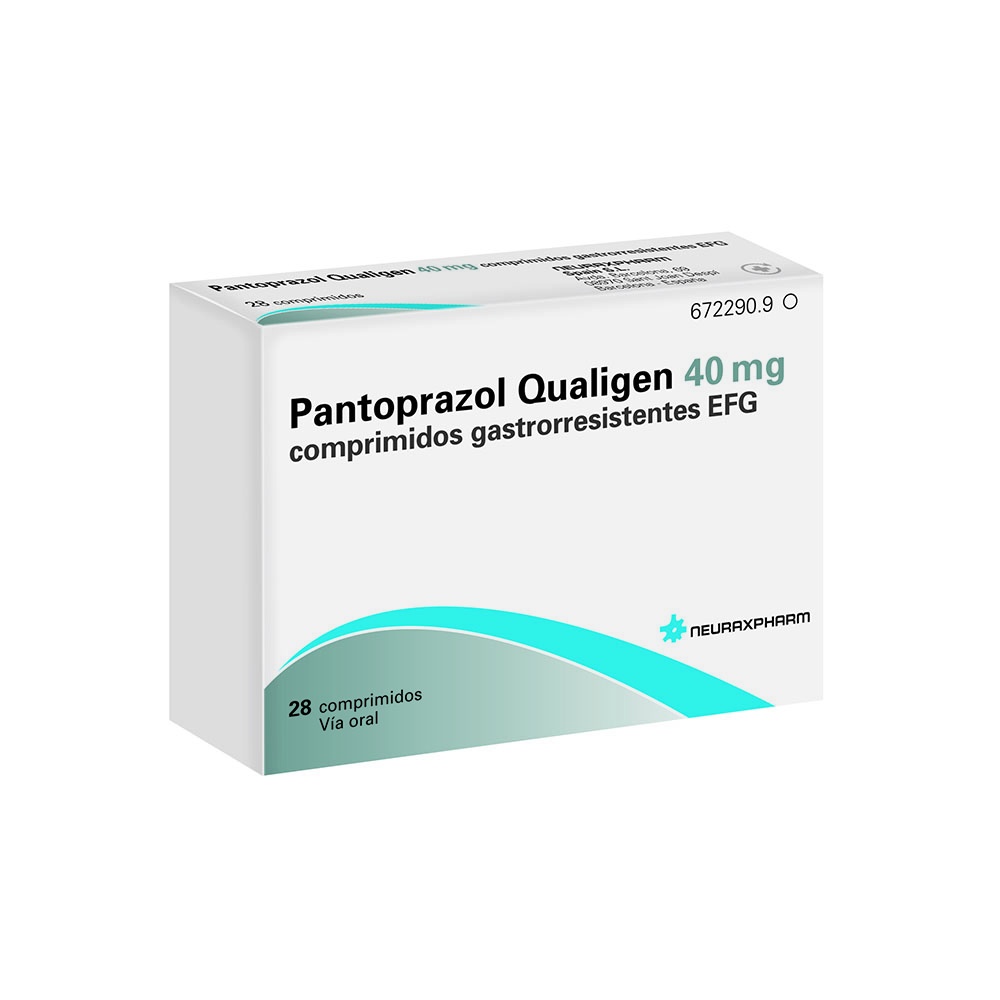 PANTOPRAZOL QUALIGEN 40 mg GASTRO-RESISTANT TABLETSIllustrative imageDosage form: TABLET, 40 mg/tabletActive substance: pantoprazoleManufacturer: Neuraxpharm Spain S.L.Prescription required
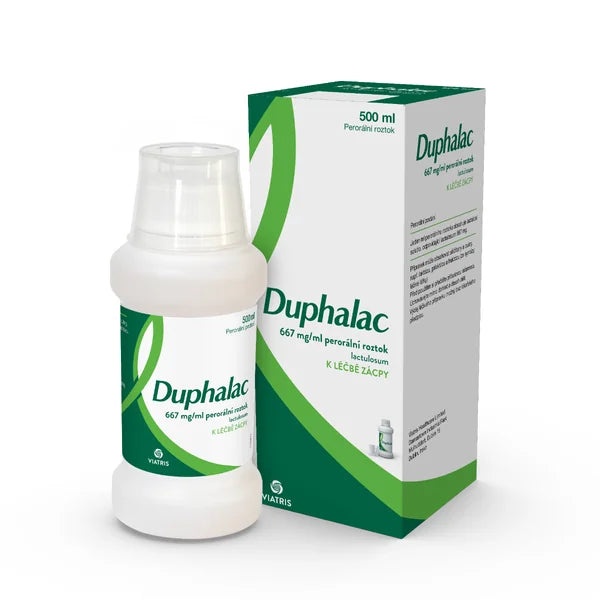 DUPHALAC 667 mg/ml ORAL SOLUTIONIllustrative imageDosage form: ORAL SOLUTION/SUSPENSION, 10 g lactulose/ 15 mlActive substance: lactuloseManufacturer: Cooper Consumer Health B.V.Prescription required
 PANTOPRAZOL HEALTHKERN 20 mg GASTRO-RESISTANT TABLETSIllustrative imageDosage form: TABLET, 20 mgActive substance: pantoprazoleManufacturer: Kern Pharma S.L.Prescription not required
Cirrhosis is not a disease in its own right but an end point that many different kinds of liver damage arrive at once they have gone on for years. Cells that die are replaced by scar tissue, the organ turns hard and lumpy, and blood no longer passes through it freely. On top of that the liver works with an enormous reserve, so a person feels perfectly well for a long time — which is exactly what makes cirrhosis dangerous, because complaints only start once a large share of the tissue has already gone. The good news is that the picture of cirrhosis as a death sentence is out of date. Take the cause away and the destruction stops; in some people the scarring even partly clears.
Why the liver stays quiet for so long
As long as the surviving cells can keep up, there may be no signs at all, or the ones there are look so ordinary that nobody connects them with the liver:
- tiredness that rest does not touch, and a constant washed-out feeling;
- appetite gone, nausea, weight falling without any dieting;
- a dull discomfort or heaviness under the right ribs;
- small spider-like veins on the chest, shoulders and face;
- blotchy redness of the palms, especially at the base of the thumbs, which is harder to spot on darker skin;
- poor tolerance of the usual exercise, and muscle lost from the shoulders and thighs.
Quite often cirrhosis turns up with no complaints at all: in a blood test taken for something else that shows low platelets, or on an ultrasound scan done for an entirely different reason. That is the best possible scenario, because that is the stage at which most can still be done.
Signs that appear later
Once the reserve runs out, the picture becomes recognisable. Signs appear that the liver is no longer coping with clearing toxins, making proteins and letting blood through:
- yellow skin and whites of the eyes, dark urine, itching with no rash;
- a swelling abdomen from fluid collecting, and puffy ankles and feet;
- bruises and bleeding from the slightest cause, long nosebleeds and bleeding gums;
- widened veins showing through the skin of the abdomen;
- poor concentration, day and night swapped around, slow slurred speech, a tremor when the arms are held out;
- a change in the shape of the fingers and nails: the fingertips thicken and the nails turn whitish;
- in men, breast enlargement and shrinking testicles; in women, disrupted periods.
Doctors single out the moment when fluid in the abdomen, confusion or bleeding appears for the first time: from then on both the follow-up plan and the conversation about transplant change. That is why such episodes are not something to sit out at home, even if the next day brings relief.
When to call an ambulance
Immediate help is needed if someone with liver disease develops:
- vomiting blood, or material that looks like coffee grounds;
- black tarry stools — that is what bleeding from the widened veins of the oesophagus looks like;
- sudden confusion, drowsiness, slurred speech, odd behaviour, or difficulty waking the person;
- fever and abdominal pain when fluid has collected — that fluid can become infected, and without antibiotics the situation is fatal;
- a sharp drop in the amount of urine, with the abdomen and the swelling building up fast;
- breathlessness at rest.
Nobody drives in that state: ask someone to take you, or call an ambulance — across Europe the number is 112. Take a list of everything you take with you; what the doctor needs to know first of all is about blood thinners and diuretics.
What leaves the liver scarred
There are many causes, and one person often carries several at once — in which case they add up rather than simply sit side by side:
- drinking regularly over years. The marker at which the risk climbs noticeably is around 30 g of pure alcohol a day for men and 20 g for women, though for a liver that is already damaged there is no safe amount at all;
- fatty liver disease tied to metabolism: extra weight, type 2 diabetes, high triglycerides, raised blood pressure. In recent years it has been renamed metabolic dysfunction-associated liver disease, and it is now the fastest-growing cause of cirrhosis;
- chronic viral hepatitis B, C and D;
- autoimmune conditions — autoimmune hepatitis, primary biliary cholangitis, primary sclerosing cholangitis;
- inherited metabolic disorders: iron or copper building up in excess, alpha-1 antitrypsin deficiency, cystic fibrosis;
- a long-standing block to the flow of bile, and blood backing up in the liver in severe heart failure;
- less often, liver damage from medicines and herbal supplements.
How it is found and graded
A diagnosis rarely comes from a single test. Usually several sources are put together:
- blood tests: liver enzymes, bilirubin, albumin, clotting, platelets. Platelets that stay low are often the first hint;
- elastography — measuring the stiffness of the liver with a probe, with no needle, in a few minutes;
- ultrasound with an assessment of blood flow, and a scan where that is needed;
- tests to pin down the cause: viral hepatitis, iron and copper handling, autoimmune markers;
- biopsy, which is now far from always required and is mostly kept for cases where the cause stays unclear.
A hepatologist then rates how well the liver is coping, using scores that take in bilirubin, albumin, clotting and the presence of complications. Those numbers are not there to frighten anyone: they set how often you are seen, how safe an operation would be, and where you stand in the transplant queue.
What can genuinely be stopped
Treatment starts not with the liver but with the cause, and a great deal has changed here in recent years. Chronic hepatitis C is now cured with tablets in almost everyone, and within a few months. Hepatitis B can be suppressed completely by taking antiviral drugs long term. Autoimmune conditions respond to drugs that hold the immune system back. Excess iron is taken off with regular blood-letting; in copper storage disease, drugs that bind the copper do the job. In fatty liver disease, weight loss and treating the diabetes are what work. And in alcohol-related damage, stopping drinking brings an improvement visible in the blood tests within a few months.
The logic of all this is simple: while the cause is still at work, the scarring grows; once it is removed, the liver has a chance. It will never be a completely healthy organ again, but the stage can drop and the complications may never arrive. If the liver has failed, transplant comes up for discussion — and it is better discussed early than in the middle of a crisis.
Complications and how they are headed off
Most of the follow-up in cirrhosis is aimed not at the scarring itself but at what follows from it. Blood that cannot find a way through the liver takes a detour and overfills the veins of the oesophagus and stomach; these are checked at gastroscopy, and where the findings are risky either drugs that lower the pressure in those veins are prescribed or the veins are banded through the endoscope. Fluid collecting in the abdomen is treated with salt restriction and diuretics, and when there is a lot of it, it is drained with a needle; the particular danger here is that the fluid becomes infected, which is why any rise in temperature in someone with ascites calls for an immediate assessment.
Disturbed consciousness develops because of substances the liver has stopped neutralising; it is treated with drugs that speed up the emptying of the bowel and change the bacteria in it, and the trigger is usually an infection, a bleed or constipation. Separately and without exception, liver cancer is watched for: cirrhosis is the main risk factor for it, so a liver ultrasound is done every six months for life, however well you feel. It is exactly that regularity that gives a chance of finding a tumour while it can still be removed or cured.
What is up to you
A few rules here genuinely change the outcome:
- alcohol goes completely, whatever the cause of the cirrhosis;
- protein is not restricted — that advice is out of date. In cirrhosis the opposite is true: more protein than usual is needed, otherwise muscle is lost and with it the ability to withstand complications. It helps to get into the habit of a small late snack so that the body does not spend its own muscle overnight;
- salt is limited only when there is swelling or fluid in the abdomen, but then strictly;
- whatever exercise you can manage preserves muscle and the ability to get through an operation;
- painkillers are chosen carefully: anti-inflammatories are dangerous for the kidneys and the stomach in cirrhosis, while the usual fever medicine is normally allowed but at a reduced daily dose — check that dose with your doctor;
- herbal mixtures and supplements "for the liver" are better left alone: there is no proven benefit, and cases of liver damage have been described;
- vaccinations are needed and are discussed in advance: hepatitis A and B, flu, pneumococcus;
- raw seafood, shellfish above all, is off the menu in cirrhosis, because infection runs a severe course in these patients;
- any new medicine, over-the-counter ones included, is worth clearing with your doctor or pharmacist.
Online consultation
A remote appointment covers well everything that does not need the doctor's hands. If blood tests or an ultrasound have turned up changes in the liver, the doctor explains what they mean and which investigations are needed to establish the cause — this is about the most common request there is. Once a diagnosis is in place, online is a convenient way to keep to the schedule: when the next ultrasound is due, when the gastroscopy is, what the latest results show. The same appointment covers diet and salt, the safety of medicines and supplements, preparing for vaccinations, and questions about transplant. And separately, support in giving up alcohol, where regular contact with a doctor works better than one-off conversations. The situations listed in the emergency section are not dealt with online: they need an ambulance.
This material is for information only and does not replace medical advice.

Consult with a doctor about Cirrhosis of the liver
Discuss your symptoms and possible next steps with a doctor online.
Online doctors for Cirrhosis of the liver
Discuss your symptoms and possible next steps for Cirrhosis of the liver with a doctor online.