Chlamydia
Chlamydia is a sexually transmitted infection (STI) passed on through unprotected sex (sex without a condom). It’s treated with antibiotics. If not treated it can cause serious health problems.




-
On this page
Symptoms of chlamydiaSymptoms in womenSymptoms in menOther symptoms in men and women Go to a sexual health clinic or see a GP if: Self-test kitsWhat happens at your appointmentContacting sexual partnersTreatment for chlamydia Important How to avoid getting and spreading chlamydia Do Don’t Complications of chlamydiaChlamydia in pregnancy -
Medicines commonly prescribed for Chlamydia
For informational purposes only. Always consult a doctor before using any medicine.
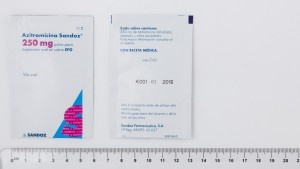
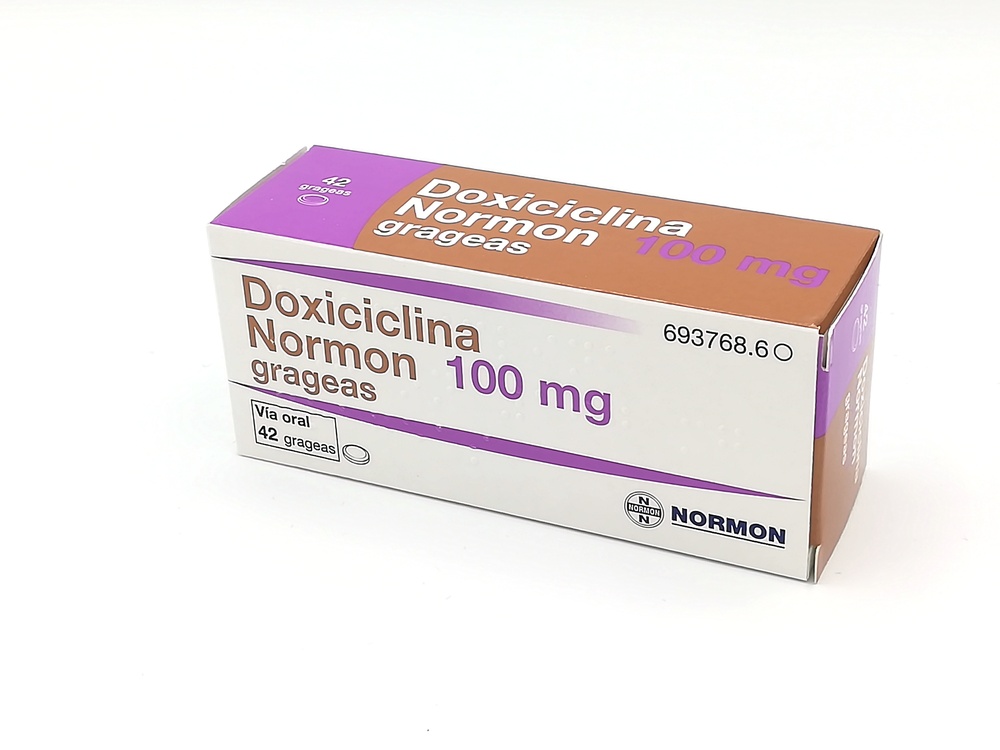
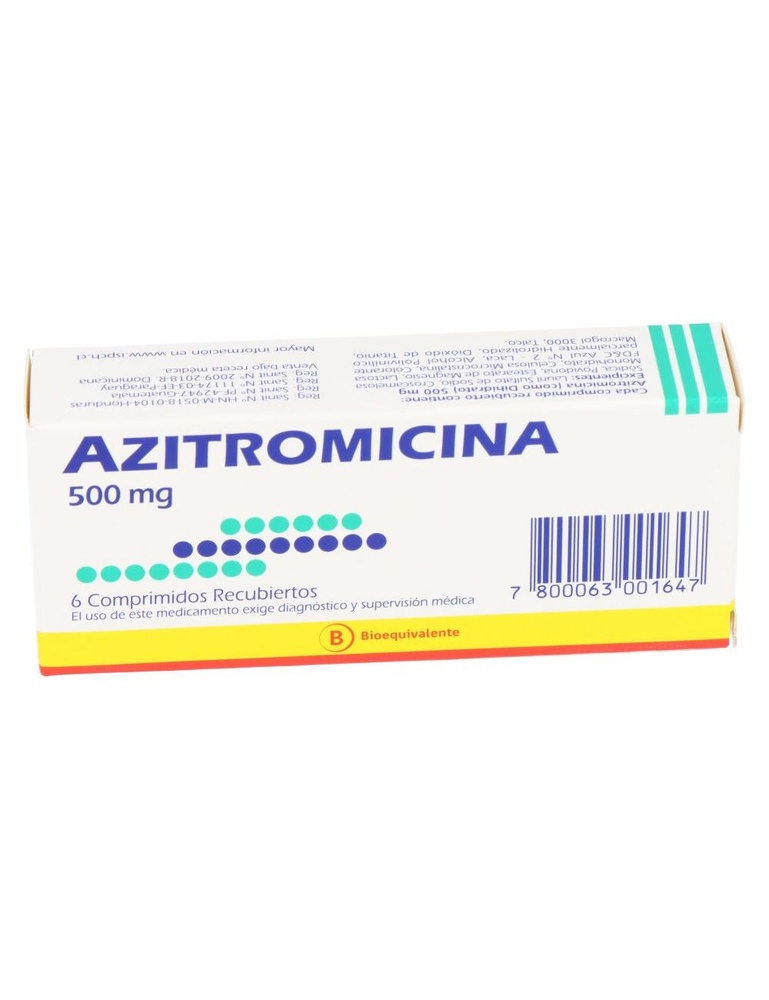
Dosage form: ORAL SOLUTION/SUSPENSION, 250 mgActive substance: azithromycinManufacturer: Tarbis Farma S.L.Prescription requiredDosage form: TABLET, 100 mgActive substance: doxycyclineManufacturer: Laboratorios Normon S.A.Prescription requiredDosage form: TABLET, 500 mgActive substance: azithromycinManufacturer: Tarbis Farma S.L.Prescription required
Chlamydia is a sexually transmitted infection (STI) passed on through unprotected sex (sex without a condom). It’s treated with antibiotics. If not treated it can cause serious health problems.
Symptoms of chlamydia
Most people who have chlamydia do not have any symptoms.
If you do get symptoms they can start from 1 week to several months after infection.
Symptoms in women
Chlamydia can cause symptoms in women. These symptoms can affect anyone with a vagina:
- vaginal discharge that is not normal for you
- bleeding after sex or between periods
- a burning feeling when you pee
- pain in your lower tummy
Symptoms in men
Chlamydia can cause symptoms in men. These symptoms can affect anyone with a penis:
- white, cloudy or watery discharge from the tip of your penis
- burning and itching around the testicles (balls) and penis
- pain and swelling in the testicles
- a burning feeling when you pee
Other symptoms in men and women
Chlamydia can affect other parts of your body that come into contact with semen or vaginal fluid. This can cause:
- pain, bleeding, and discharge from your bottom
- a sore throat
- eye redness, pain and discharge
Go to a sexual health clinic or see a GP if:
- you or a sexual partner think you might have chlamydia
- you or a sexual partner have had sex without a condom
- you’re pregnant or planning to get pregnant and think you might have chlamydia
Self-test kits
If you do not have symptoms but want a test, you can use a self-test kit for chlamydia at home and send it to a lab to be tested.
If the test shows you have chlamydia, you’ll be contacted and told what to do next.
You may be able to get a free self-test kit from:
- a sexual health clinic
- some pharmacies
You can also buy a self-test kit for chlamydia from some pharmacies.
If you're aged under 25 you may also be able to get free chlamydia home test kits for under 25s.
What happens at your appointment
A doctor or nurse will ask about your symptoms and sexual partners. They may need to check your penis or vagina.
When you make your appointment, let them know if you'd like someone else to be in the room with you (a chaperone) – this could be someone you know, another doctor, nurse or a trained member of staff.
You may be asked to give a pee sample.
They may use a swab (like a cotton bud) to take a sample of fluid from your penis or vagina. You may be able to do the swab yourself.
They may also need to take a swab from your bottom (anus), throat or eyes if these areas are affected.
You can be tested even if you do not have any symptoms. You may also be offered tests for other sexually transmitted infections (STIs) at the same time.

Contacting sexual partners
If you have chlamydia, your current and recent sexual partners need to be tested.
A sexual health clinic can help you contact your partners, or they can contact them for you.
Treatment for chlamydia
Chlamydia is treated with antibiotics. This may be a single dose, or tablets you take for 7 to 14 days.
Sometimes you may start treatment before the test results come back.
You may need to be tested again after treatment to check you no longer have chlamydia.
If you’re pregnant, you’ll be tested again 4 weeks after treatment.
Important
Avoid vaginal, anal or oral sex until you and your partner (if you have one) have finished treatment and tests show you no longer have chlamydia.
How to avoid getting and spreading chlamydia
Chlamydia is spread through vaginal fluid and semen. It can pass from person to person by having vaginal, oral or anal sex without a condom.
If you have chlamydia when you're pregnant, it can pass to your baby during birth.
There are some things you can do to avoid getting chlamydia and spreading it to others.
Do
- use condoms when you have vaginal or anal sex
- use a condom to cover the penis, or a latex or plastic square (dam) to cover the vagina, if you have oral sex
- get tested once a year, or if you have a new sexual partner
- complete the full treatment if you or your sexual partner have chlamydia
Don’t
- do not share sex toys (if you do, wash and cover them with a new condom before anyone else uses them)
Complications of chlamydia
If chlamydia is not treated, it can lead to serious complications including:
- infection of the womb, fallopian tubes and ovaries (pelvic inflammatory disease), which can lead to infertility or ectopic pregnancy
- infection in the testicles
- pain in your joints (reactive arthritis) which usually gets better after a few months
The sooner you get treatment, the easier these complications are to treat.
Chlamydia in pregnancy
If you're pregnant and have chlamydia that is not treated, it can be passed onto your baby during birth.
If this happens, it can cause an infection in your baby's eyes (conjunctivitis) or lungs (pneumonia). These infections can be treated with antibiotics.
Online doctors for Chlamydia
Discuss your symptoms and possible next steps for Chlamydia with a doctor online.