Bell's palsy
Bell's palsy is temporary weakness or lack of movement that usually affects 1 side of the face. Treatment with steroids can help and most people get better within 6 months.




-
On this page
-
Medicines commonly prescribed for Bell's palsy
For informational purposes only. Always consult a doctor before using any medicine.
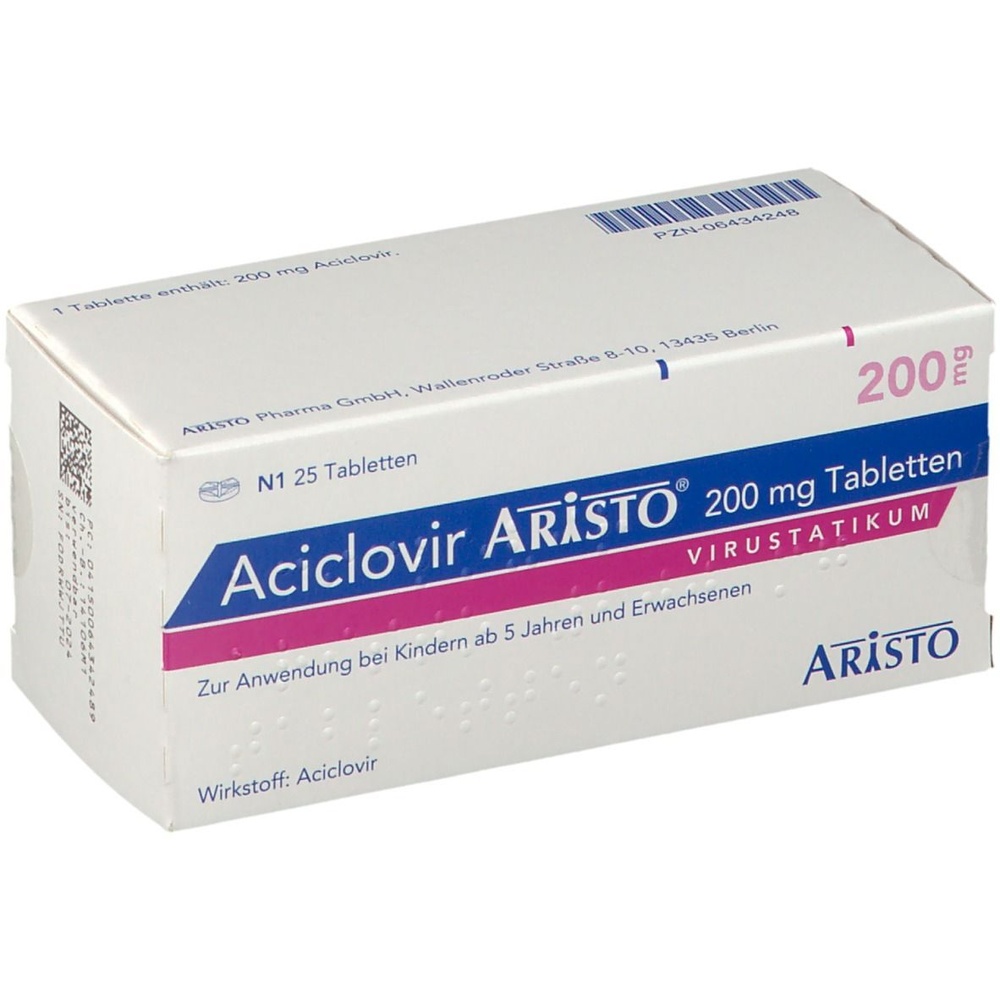
Dosage form: TABLET, 200 mgActive substance: aciclovirManufacturer: Towa Pharmaceutical S.A.Prescription requiredDosage form: TABLET, 200 mgActive substance: aciclovirManufacturer: Aristo Pharma Iberia S.L.Prescription requiredDosage form: TABLET, 800 mgActive substance: aciclovirManufacturer: Towa Pharmaceutical S.A.Prescription required

Bell's palsy is temporary weakness or lack of movement that usually affects 1 side of the face. Treatment with steroids can help and most people get better within 6 months.
Call 112 if:
- somebody's face droops on 1 side (the mouth or eye may have drooped)
- a person cannot lift up both arms and keep them there
- a person has difficulty speaking (speech may be slurred or garbled)
These can be signs of a stroke, which is a medical emergency.
Symptoms of Bell's palsy
Symptoms of Bell's palsy include:
- weakness on 1 side of your face, or not being able to move 1 side of your face – this usually happens over a few days
- a drooping eyelid or corner of your mouth
- drooling
- a dry mouth
- loss of taste
- a dry or watering eye
You may also find it difficult to close the eye on the weak side of your face.
Rarely, you may not be able to move both sides of your face.
Treatment for Bell's palsy
Treatments for Bell's palsy include:
- a 10-day course of steroid medicine, sometimes with antiviral medicine
- eye drops and ointment to stop the affected eye drying out
- surgical tape to keep the eye closed at bedtime
If you cannot close your eye, you may need treatment to prevent damage to your vision.
Recovering from Bell's palsy
Your Bell's palsy symptoms should get better within 6 months, but it can take longer for some people.
Go back to see a GP if your symptoms are not getting better after 3 weeks.
Some people can have permanent facial weakness and symptoms such as:
- pain in their face, around the jaw and behind the ear
- a constantly watering eye
- difficulty eating and drinking
- changes in their sense of taste
- difficulty with loud sounds
Living with Bell's palsy can make you feel depressed, stressed or anxious. Speak to a GP if it's affecting your mental health.
You'll usually only get Bell's palsy once, but rarely it can come back, sometimes years later.
Further information
Bell’s palsy is the most common cause of facial paralysis, but there are many other types of facial palsy.

Online doctors for Bell's palsy
Discuss your symptoms and possible next steps for Bell's palsy with a doctor online.