Baker's cyst
A Baker's cyst (popliteal cyst) is a fluid-filled lump at the back of the knee. It may get better on its own or by treating the condition causing it, but you should get any lumps checked by a GP.




-
On this page
-
Medicines commonly prescribed for Baker's cyst
For informational purposes only. Always consult a doctor before using any medicine.
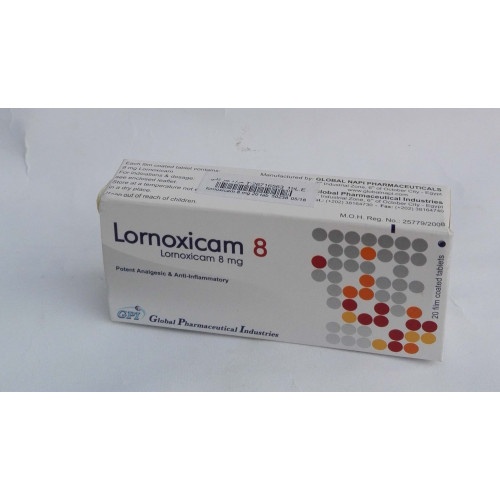
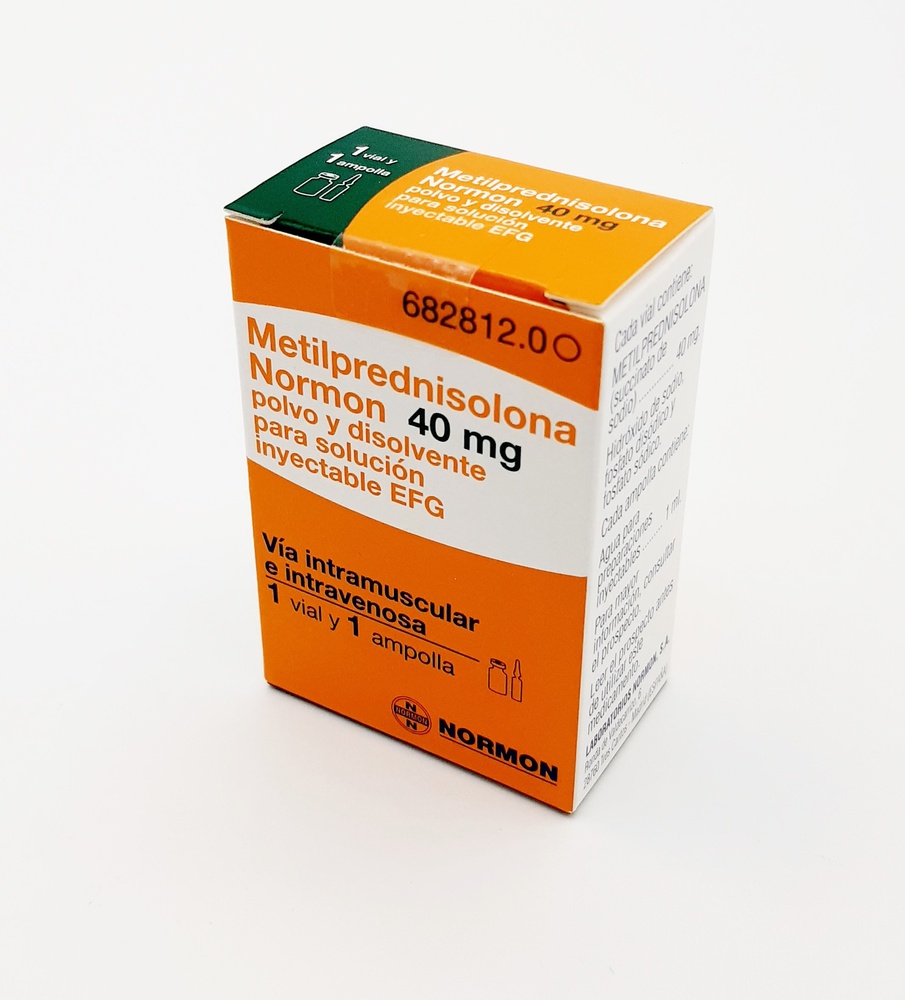
Dosage form: Hard capsule, 20 mgActive substance: piroxicamManufacturer: Pfizer S.L.Prescription requiredDosage form: TABLET, 8 mgActive substance: lornoxicamManufacturer: Meiji Pharma Spain S.A.Prescription requiredDosage form: INJECTABLE, 40 mgActive substance: methylprednisoloneManufacturer: Laboratorios Normon S.A.Prescription required

A Baker's cyst (popliteal cyst) is a fluid-filled lump at the back of the knee. It may get better on its own or by treating the condition causing it, but you should get any lumps checked by a GP.
Symptoms of a Baker's cyst
The main symptom of a Baker's cyst is a soft lump at the back of the knee.
The lump may be your only symptom, but you may also have:
- knee or leg pain
- tightness, stiffness or aching in your knee
- difficulty bending your knee
- clicking in your knee
Your symptoms may be worse after walking.
See a GP if:
• you have a lump anywhere on your body and you do not know what it is
Call 112 or go to A&E if:
You have symptoms like pain and swelling in your leg, and:
- breathlessness
- chest pain
These could be symptoms of a blood clot that has travelled to your lungs (pulmonary embolism).
A pulmonary embolism can be life-threatening and needs to be treated immediately.
Do not drive to A&E. Ask someone to drive you or call 112 and ask for an ambulance.
Bring any medicines you take with you.
What happens at your appointment
The GP will examine your leg and check for other health conditions that could be causing a Baker's cyst.
They may send you for an ultrasound or MRI scan, or refer you to a specialist for more tests or to rule out any serious causes.
Treatment for a Baker's cyst
A Baker's cyst does not always need treatment. Sometimes, particularly in children, it will get better on its own.
If the Baker's cyst is caused by an underlying condition, your symptoms will usually get better when that condition is treated. But other treatments for a Baker's cyst can include:
- painkillers
- a painkilling injection (hydrocortisone injection) in your knee
- physiotherapy
- draining fluid out of the cyst
- surgery to repair damage to your knee joint – it's rare to have surgery to remove a Baker's cyst
A Baker's cyst can take a few months to a few years to get better.
Things you can do if you have a Baker's cyst
There are things you can do to ease the pain, swelling and other symptoms of a Baker's cyst while it gets better.
They can also help if a Baker's cyst has burst (ruptured). If this happens, your symptoms will be worse than normal until the swelling goes down, which can take a few weeks.
Do
-
rest your knee
-
gently apply an ice pack (or a bag of frozen vegetables) wrapped in a tea towel to your knee for around 10 minutes at a time, and repeat every few hours if needed
-
raise your leg – you can rest it on a pillow
-
take ibuprofen or paracetamol to help with pain and swelling
Causes of a Baker's cyst
Sometimes there is no particular cause of a Baker's cyst, especially in children.
In adults they usually happen when another health condition causes damage to the knee joint, like:
- a knee injury
- osteoarthritis or rheumatoid arthritis
- gout
Anyone can get a Baker's cyst, but they are more common in people aged 35 to 70.

Online doctors for Baker's cyst
Discuss your symptoms and possible next steps for Baker's cyst with a doctor online.