Bg pattern

Atopic eczema

Atopic eczema (atopic dermatitis) is a common skin condition that causes itchy skin. It affects people of all ages but is most common in young children. It cannot be cured, but treatment can help manage the symptoms.

If these symptoms are severe, persistent or worsening, seek medical advice promptly.

Prescription review online

Prescription review online

A doctor will review your case and issue a prescription if medically appropriate.

Talk to a doctor online

Talk to a doctor online

Discuss your symptoms and possible next steps with a doctor online.

This page provides general information and does not replace a doctor’s consultation. If symptoms are severe, persistent or worsening, seek medical advice promptly.

Atopic eczema (atopic dermatitis) is a common skin condition that causes itchy skin. It affects people of all ages but is most common in young children. It cannot be cured, but treatment can help manage the symptoms.

Check if it's atopic eczema

Atopic eczema can appear in different areas of the body, but it's common on the elbows, knees and hands. In babies and toddlers, it's also common on the face.

Atopic eczema can make your skin:

  • itchy
  • dry, cracked, crusty, scaly or thickened
  • red, white, purple or grey, or lighter or darker than the skin around it (depending on your skin tone)
  • blister or bleed

Symptoms can start at any age, but they usually start in babies and young children and tend to get better as they get older.

There are usually times where your symptoms get worse (called flare-ups) and times where they are better.

  • 1: Dark brown skin with atopic eczema on the back of the knees (thumbnail). 1
  • 2: White skin with atopic eczema on an ankle (thumbnail). 2
  • 3: Light brown skin with atopic eczema on hands (thumbnail). 3
  • 4: White skin with atopic eczema on a baby's face (thumbnail). 4
  • 5: Dark brown skin with atopic eczema on the inside of an elbow (thumbnail). 5
  • 6: Light brown skin with atopic eczema on and around a knee (thumbnail). 6

Other types of eczema

There are also other types of eczema, including contact dermatitis, discoid eczema, pompholyx (dyshidrotic eczema) and varicose eczema.

See a GP if:

  • you or your child have symptoms of atopic eczema
  • treatments are not helping your atopic eczema

Causes of atopic eczema

It's not always known what causes atopic eczema.

You're more likely to have it if:

  • one or both of your parents have atopic eczema
  • you or a close family member has asthma or hay fever

Atopic eczema can be made worse by things like:

  • coming into contact with an allergen or irritant such as soap, washing detergent, pets, some fabrics, pollen, house-dust mites or certain foods
  • heat or changes in temperature
  • skin infections, such as a staph infection
  • stress
  • hormonal changes, such as during pregnancy

Atopic eczema is not contagious so you cannot catch or spread it.

Things you can do to help with atopic eczema

There are some things you can do that can help with atopic eczema.
Consult with a doctor about Atopic eczema

Consult with a doctor about Atopic eczema

Discuss your symptoms and possible next steps with a doctor online.

Do

  • avoid things that make your eczema worse such as soap, washing detergent, some fabrics or pets

  • apply moisturising treatments (emollients) to your skin as often as possible (at least 2 times a day) – continue to moisturise even if your eczema improves

  • wash with an emollient instead of soap

  • keep cool – being hot can make your eczema more itchy

  • keep nails short and put anti-scratch mittens on babies to help prevent damage to the skin from scratching

Don’t

  • do not scratch your eczema, as it can make it worse – if your eczema is itchy, try gently rubbing the affected area with your finger instead

  • do not share your emollients with anyone else

  • do not put your fingers into an emollient pot – use a spoon or pump dispenser instead

  • do not use aqueous cream as it can irritate the skin and make eczema worse

  • do not change your diet unless you are told to by a doctor (this includes if you are breastfeeding a baby with eczema)

  • do not smoke or go near naked flames if you use an emollient – emollients are not flammable on the skin, but when they get on fabrics such as dressings, clothing and bedding they can catch fire more easily

A pharmacist can help with mild atopic eczema

A pharmacist can give advice and recommend some treatments if you have small areas of eczema that are dry and slightly itchy.

If your eczema is more severe, it's best to see a GP.

Treatment for atopic eczema

There's currently no cure for atopic eczema, although the symptoms tend to get better as you get older.

There are treatments that can help manage it and improve your symptoms.

The main treatments are:

  • moisturising creams, lotions, ointments and gels you apply to your skin and wash with (emollients)
  • steroid creams, lotions or gels you apply to your skin (topical corticosteroids)

If your eczema is more severe, there are other treatments such as special dressings or medicines.

A GP can prescribe some treatments, or you may be referred to a skin specialist (dermatologist).

Living with atopic eczema can be difficult. If it affects your mental health, you may be referred to a mental health specialist.

Online doctors for Atopic eczema

Discuss your symptoms and possible next steps for Atopic eczema with a doctor online.

5.0 (2)
Doctor

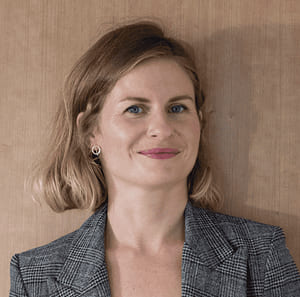
Svetlana Kolomeeva

Cardiology 18 years exp.

Dr. Svetlana Kolomeeva is a general practitioner and internal medicine doctor providing online consultations for adults. She helps patients manage acute symptoms, chronic conditions, and preventive care. Her clinical focus includes cardiovascular health, hypertension control, and managing symptoms like fatigue, weakness, sleep issues, and overall low energy.

Patients commonly seek her help for:

  • High blood pressure, headaches, dizziness, swelling, palpitations.
  • Diagnosis and management of hypertension, arrhythmias, and tachycardia.
  • Metabolic syndrome, excess weight, high cholesterol.
  • Chronic fatigue, insomnia, poor concentration, anxiety.
  • Respiratory symptoms: colds, flu, sore throat, cough, fever.
  • Digestive issues: heartburn, bloating, constipation, IBS symptoms.
  • Chronic conditions: diabetes, thyroid disorders.
  • Interpretation of lab tests and medical reports, therapy adjustment.
  • Second opinion and decision-making support.
  • Cardiovascular disease prevention and metabolic risk reduction.
  • Long-term follow-up and dynamic health monitoring.

Dr Kolomeeva combines clinical expertise with personalised care. She clearly explains diagnoses, guides patients through symptoms and treatment options, and provides actionable plans. Her consultations are designed not only to address current complaints but also to stabilise chronic conditions and prevent future complications. She supports patients through every stage of care – from first symptoms to ongoing health management.

5.0 (2)
Doctor

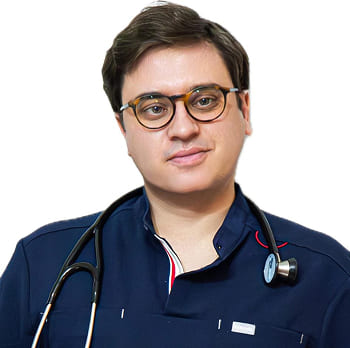
Alexander Nazarchuk

Allergology 7 years exp.

Dr. Alexander Nazarchuk is a physician specialising in allergology and internal medicine. He provides online consultations for adults, following the principles of evidence-based medicine — no outdated treatments or unnecessary tests, with clear explanations and a personalised approach. He helps patients with a wide range of allergic and therapeutic conditions, from common day-to-day complaints to complex cases involving allergies, gastrointestinal issues, cardiovascular concerns, respiratory symptoms, and more.

You can consult Dr. Nazarchuk for:

  • Test interpretation and guidance on diagnostic plans.
  • Allergic rhinitis, hay fever, bronchial asthma (including severe cases).
  • Food and drug allergies, skin rashes, angioedema.
  • Atopic dermatitis, urticaria, contact allergies.
  • Allergen-specific immunotherapy (AIT) – initiation and ongoing management.
  • Abdominal pain, bloating, changes in bowel habits, nausea, heartburn.
  • High blood pressure and adjustment of baseline antihypertensive therapy.
  • Hyperlipidaemia and elevated cholesterol.
  • Cough, nasal congestion, fever, sore throat.
  • Anaemia, including iron deficiency and related conditions.
  • Other issues related to allergology and internal medicine.

During consultations, Dr. Nazarchuk takes a thorough, structured approach — analysing symptoms, identifying potential causes, and helping patients make informed decisions. Whether treatment, further investigation, or monitoring is needed, he explains each step clearly so you understand your health and how best to manage it.

Camera Book a video appointment
€55
0.0 (0)
Doctor

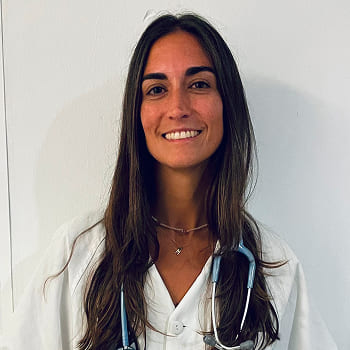
Marta Reguero Capilla

Allergology 8 years exp.

Dr Marta Reguero Capilla is an allergist and immunologist who works with both adults and children. She specialises in the diagnosis, treatment, and ongoing management of allergic and immune-related conditions through online consultations.

In her practice, Dr Reguero Capilla helps patients understand the causes of their symptoms, review test results, and choose appropriate treatment or monitoring strategies. Her consultations are suitable both for first-time assessments and for follow-up care over time.

Patients commonly consult Dr Marta Reguero Capilla for:

  • allergic rhinitis, seasonal allergies, and perennial allergy symptoms;
  • allergic conditions in adults and children;
  • bronchial asthma and allergy-related respiratory symptoms;
  • urticaria (acute and chronic) and angioedema;
  • food allergies and reactions to foods, additives, or medications;
  • atopic dermatitis, allergic rashes, and persistent itching;
  • unexplained or recurrent allergic reactions;
  • interpretation of laboratory tests, allergy testing, and immunology results;
  • immune system concerns, frequent infections, and reduced immune response;
  • ongoing medical follow-up and treatment adjustment.
Dr Reguero Capilla works in a structured and attentive manner, explaining medical decisions clearly and helping patients make informed choices about their own health or their child’s care.

When clinically appropriate, she may provide recommendations for further tests or referrals that patients can use within Spanish medical networks, including Sanitas and DKV, in accordance with the terms and conditions of those services.

Camera Book a video appointment
€60
bg-pattern-dark

Stay informed about Oladoctor

News about new services, product updates and useful information for patients.

Follow us on social media