Bg pattern

Asthma

Asthma is a common condition that affects your breathing. It cannot currently be cured, but if it's well treated you should not have problems with symptoms.

If these symptoms are severe, persistent or worsening, seek medical advice promptly.

Prescription review online

Prescription review online

A doctor will review your case and issue a prescription if medically appropriate.

Talk to a doctor online

Talk to a doctor online

Discuss your symptoms and possible next steps with a doctor online.

This page provides general information and does not replace a doctor’s consultation. If symptoms are severe, persistent or worsening, seek medical advice promptly.

Asthma is a common condition that affects your breathing. It cannot currently be cured, but if it's well treated you should not have problems with symptoms.

Symptoms of asthma

The main symptoms of asthma are problems with breathing, such as:

  • wheezing
  • coughing
  • shortness of breath
  • your chest feeling tight

Asthma symptoms can be mild or severe. They usually come and go. They may be worse at night and early in the morning.

An asthma attack is when you have severe symptoms and it's difficult to breathe, which can be life-threatening.

Symptoms can be triggered by different things including exercise, high levels of air pollution, cold air, or contact with something you're allergic to, such as pollen, dust, mould or animals.

Asthma usually starts in children, but it can happen at any age.

See a GP if:

  • you or your child have asthma symptoms
  • you or your child have asthma and treatments are not helping, you're needing to use your inhaler more often, or you need advice about using your inhaler
  • you or your child have asthma and your symptoms are not improving or are stopping you doing your usual activities or waking you up at night

How to treat an asthma attack

If you're having an asthma attack, sit up straight, to help your breathing. Try to stay calm.

Use your asthma reliever inhaler if you have one:

  • If you have a blue reliever inhaler, take 1 puff every 30 to 60 seconds until you feel better, up to a maximum of 10 puffs. Shake the inhaler between each puff and use a spacer with the inhaler if you have one.
  • If you have an AIR or MART inhaler (used for both preventing and treating symptoms), take 1 puff every 1 to 3 minutes until you feel better, up to a maximum of 6 puffs.

If your personal asthma action plan has a different maximum dose for treating an asthma attack, follow the instructions in your plan.

Call 112 if:

You or someone else is having an asthma attack and:

  • start to feel worse at any time
  • do not feel better after taking the maximum dose using an asthma reliever inhaler
  • do not have an asthma inhaler

If symptoms are no better after 10 minutes and an ambulance has not arrived, use an asthma inhaler again if you have one, taking up to the same maximum dose.

Do not drive yourself to A&E.

The person you speak to at 112 will give you advice about what to do.

Ask for an urgent GP appointment if:

  • you've had an asthma attack and have recovered

Even if you feel better, it's important to see a GP within 2 days to discuss your treatment and get advice to help prevent another asthma attack.

How asthma is diagnosed

If you or your child have symptoms of asthma a GP or nurse will ask you some questions and listen to your chest.

You may need a simple breathing test to check for signs of asthma, and sometimes a blood test.

You may also be given a handheld device called a peak flow meter to use at home for a few weeks, to check how well your lungs are working.

Asthma can take some time to diagnose because the symptoms often vary over time and breathing problems can have different causes. If it's likely you have asthma, you may be offered asthma medicines to see if they help your symptoms.

Treatment for asthma

If you have asthma you'll be supported by a care team including a GP or nurse, and sometimes a specialist hospital doctor.

Your care team will explain how and when to use your medicines, how to monitor your asthma, ways to avoid triggers and reduce your symptoms, and what to do if your symptoms get worse.

This will be recorded in your asthma action plan, which you'll need to take to all your asthma appointments. You'll be given a printed or digital copy, or both.

You should have check-ups at least once a year to see how well your treatment is working. These will include checking that you're using your inhalers correctly and your asthma action plan is up to date.

Asthma inhalers

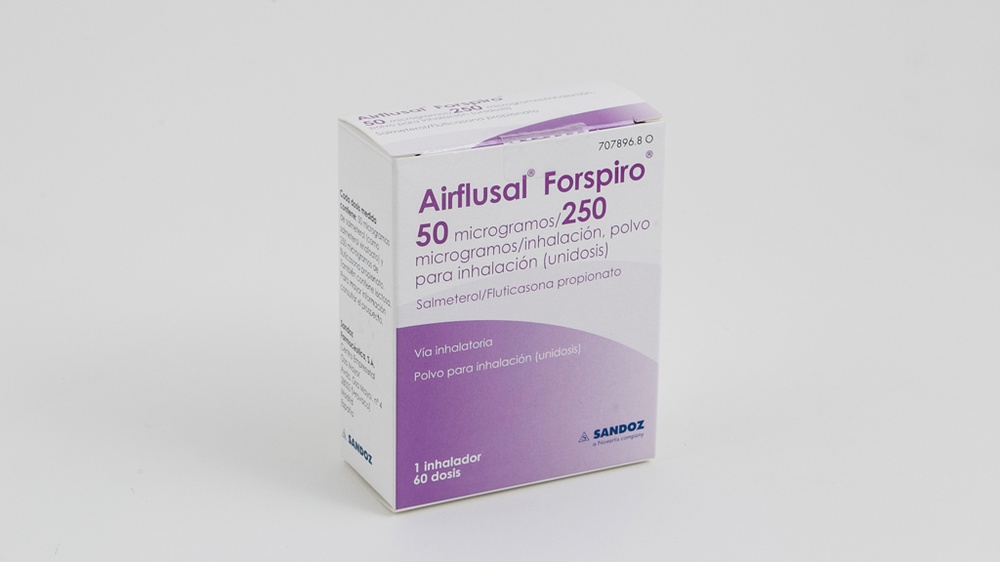
The main treatment for asthma is medicines you breathe in using an inhaler. For most people they work well to reduce or prevent asthma symptoms.

Depending on how severe your symptoms are, you may be offered either:

  • an inhaler to use only when you get symptoms – this is called an anti-inflammatory reliever (AIR) inhaler
  • an inhaler to use every day to help prevent symptoms, as well as when you get symptoms – this is called a maintenance and reliever therapy (MART) inhaler
  • 2 separate inhalers – a preventer inhaler to use every day to help prevent symptoms, and a blue reliever inhaler to use when you get symptoms (you should not be given a blue reliever inhaler to use on its own)

Using your inhaler

It's important to use your inhaler correctly so that your medicine works properly. There are different types, including dry powder inhalers, pMDIs and soft mist inhalers. A doctor, nurse or pharmacist will show you how to use yours.

Disposing of your inhalers

Return your empty, unwanted or expired inhalers to your local pharmacy.

When you put an inhaler in the bin, gases can leak out and contribute to climate change. Your local pharmacy can dispose of them safely.

Other treatments for asthma

If inhalers are not enough to stop your symptoms, your care team may also recommend a stronger inhaler or tablets that make breathing easier, such as montelukast.

If you have severe asthma that's not controlled by inhalers and tablets, you may be offered other treatments, such as medicines that you inject, called biological therapies.

Your care team will discuss with you which treatment is right for you, including any possible side effects.

Consult with a doctor about Asthma

Consult with a doctor about Asthma

Discuss your symptoms and possible next steps with a doctor online.

Hospital treatment for an asthma attack

If you have a severe asthma attack that does not get better, you may need to be treated in hospital. Hospital treatments may include:

  • oxygen through a mask
  • using a nebuliser to breathe in high doses of medicine
  • steroid tablets or injections

Things you can do to help with asthma

If you have asthma there are things you can do to help prevent symptoms and reduce the risk of asthma attacks.

Do

  • always have your inhaler with you

  • use your inhalers as recommended by your care team

  • try to avoid things that trigger your asthma symptoms, such as air pollution, smoke, pollen or animals

  • exercise regularly – get advice from your doctor or nurse about exercising safely if exercise triggers your asthma symptoms

  • keep to a healthy weight

  • have vaccinations such as the flu vaccine – viruses such as flu can make asthma symptoms worse

Don’t

  • do not smoke – get help to quit smoking if you need it

  • do not take medicines for other conditions without checking with a pharmacist or doctor – some medicines such as aspirin, ibuprofen and beta blockers can trigger asthma symptoms in some people

How asthma affects your life

Asthma is often a life-long condition, although asthma in young children sometimes goes away by the time they're teenagers or adults.

Asthma affects everyone differently. How it affects you depends on your symptoms, what they're triggered by, and how well your treatment works.

For most people, inhalers work well to prevent or reduce symptoms if they're used correctly, and asthma has only a small impact on their daily life. But some people have more severe symptoms that are harder to control, and they need other treatment.

An asthma attack can be life-threatening. But getting the right asthma treatment reduces the risk.

Asthma and pregnancy

If you're pregnant, tell your doctor or midwife about your asthma. It's important to manage asthma in pregnancy to keep you and your baby well.

Causes of asthma

Asthma symptoms happen when your airways become swollen. This makes them narrower, causing breathing problems.

In people who have asthma, symptoms can be triggered by different things, such as allergies, exercise, smoke, cold air or infections.

It's not fully understood what causes asthma. You may be more likely to get asthma if:

  • you have allergies such as eczema, hay fever or food allergies
  • other people in your family have asthma, hay fever, eczema or allergies
  • you were born prematurely or had a low birth weight
  • you were exposed to things like high levels of air pollution or cigarette smoke as a child
  • you had illnesses as a child that affected your breathing, such as bronchiolitis or croup
  • you're overweight

Asthma can also be caused by breathing in substances such as certain chemicals at work.

Online doctors for Asthma

Discuss your symptoms and possible next steps for Asthma with a doctor online.
0.0 (0)
Doctor

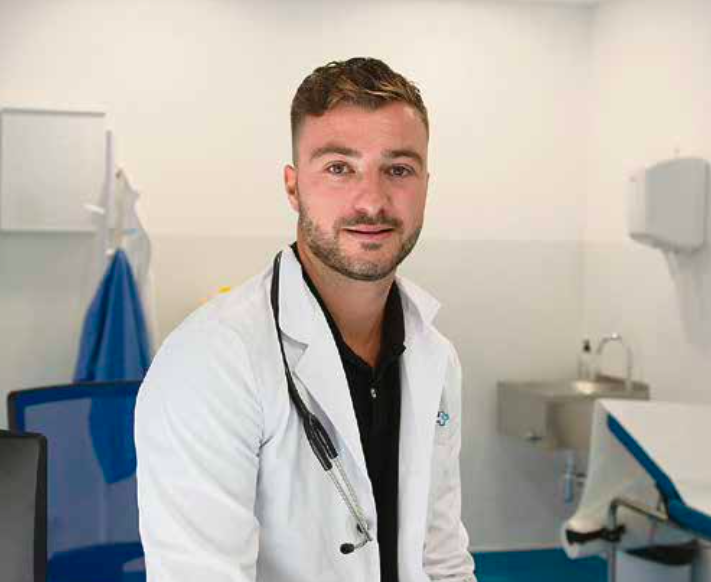
Hocine Lokchiri

General medicine 21 years exp.

Dr. Hocine Lokchiri is a French consultant with over 20 years of experience in General and Emergency Medicine. He works with adults and children, helping patients with urgent symptoms, infections, sudden health changes and everyday medical concerns that require timely evaluation. His background includes clinical practice in France, Switzerland and the United Arab Emirates, which allows him to navigate different healthcare systems and manage a wide range of conditions with confidence. Patients value his calm, structured approach, clear explanations and evidence-based decision-making.

Online consultations with Dr. Lokchiri are suitable for many situations when someone needs quick medical guidance, reassurance or a clear next step. Common reasons for booking include:

  • fever, chills, fatigue and viral symptoms
  • cough, sore throat, nasal congestion, breathing discomfort
  • bronchitis and mild asthma flare-ups
  • nausea, diarrhoea, abdominal pain, digestive infections
  • rashes, allergic reactions, redness, insect bites
  • muscle or joint pain, mild injuries, sprains
  • headache, dizziness, migraine symptoms
  • stress-related symptoms, sleep disturbances
  • questions about test results and treatment plans
  • management of chronic conditions in stable phases
Many patients reach out when symptoms appear suddenly and cause concern, when a child becomes unwell unexpectedly, when a rash changes or spreads, or when it’s unclear whether an in-person examination is necessary. His emergency medicine background is particularly valuable online, helping patients understand risk levels, identify warning signs and choose safe next steps.

Some situations are not suitable for online care. If a patient has loss of consciousness, severe chest pain, uncontrolled bleeding, seizures, major trauma or symptoms suggesting a stroke or heart attack, he will advise seeking immediate local emergency services. This improves safety and ensures patients receive the right level of care.

Dr. Lokchiri’s professional training includes:

  • Advanced Trauma Life Support (ATLS)
  • Basic and Advanced Cardiac Life Support (BLS/ACLS)
  • Pediatric Advanced Life Support (PALS)
  • Prehospital Trauma Life Support (PHTLS)
  • eFAST and critical care transthoracic echocardiography
  • aviation medicine
He is an active member of several professional organisations, including the French Society of Emergency Medicine (SFMU), the French Association for Emergency Physicians (AMUF) and the Swiss Society of Emergency and Rescue Medicine (SGNOR). In consultations, he works with clarity and precision, helping patients understand their symptoms, possible risks and the safest treatment options.
5.0 (3)
Doctor

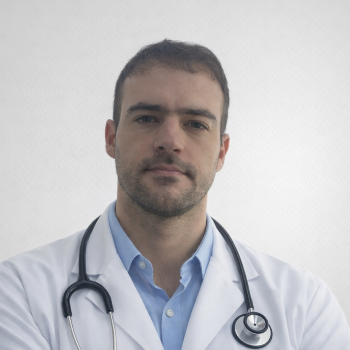
Tomasz Grzelewski

Dermatology 21 years exp.

Dr Tomasz Grzelewski is an MD, PhD specialist in allergy, paediatrics, general practice and sports medicine, with a clinical focus on dermatology, endocrinology, allergology and sports-related health. He has more than 20 years of clinical experience and completed his medical training at the Medical University of Łódź, where he defended his PhD thesis with distinction. His doctoral research was recognised by the Polish Society of Allergology for its innovative contribution to the field. Throughout his career, he has gained extensive expertise in diagnosing and managing a wide range of allergic and paediatric conditions, including modern allergen desensitisation techniques.

For five years, Dr Grzelewski served as the Head of two paediatric departments in Poland, managing complex clinical cases and leading multidisciplinary teams. He also worked in medical centres in the United Kingdom, gaining experience across both primary care and specialist environments. With over a decade of telemedicine experience, he has provided online consultations across Europe and is valued for his clear, structured and evidence-based medical guidance.

Dr Grzelewski is actively involved in clinical programmes focused on modern anti-allergic therapies. As a Principal Investigator, he leads research projects on sublingual and oral allergen desensitisation, supporting evidence-based progress in allergy treatment for both children and adults.

In addition to his background in allergology and paediatrics, he completed dermatology studies through the Cambridge Education Group (Royal College of Physicians of Ireland) and a Clinical Endocrinology course at Harvard Medical School. This advanced training enhances his ability to manage skin manifestations of allergies, atopic conditions, urticaria, endocrine-related symptoms and complex immunological reactions.

Patients commonly seek his care for:

  • seasonal and perennial allergies
  • allergic rhinitis and chronic nasal symptoms
  • asthma and breathing difficulties
  • food and medication allergies
  • urticaria, atopic dermatitis and skin reactions
  • recurrent infections in children
  • sports-related health questions
  • general family medicine concerns
Dr Tomasz Grzelewski is known for his clear communication style, structured medical approach and ability to explain treatment options in a concise and accessible way. His multidisciplinary background across allergy, paediatrics, dermatology and endocrinology allows him to provide safe, up-to-date and comprehensive care for patients of all ages.
5.0 (25)
Doctor

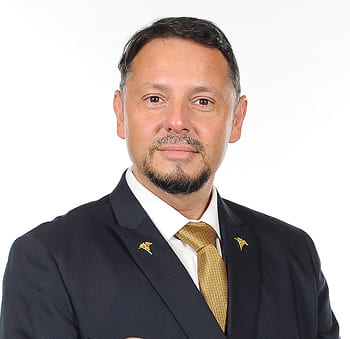
Lina Travkina

Family medicine 13 years exp.

Dr. Lina Travkina is a licensed family and preventive medicine doctor based in Italy. She provides online consultations for adults and children, supporting patients across all stages of care – from acute symptom management to long-term health monitoring and prevention.

Areas of medical care include:

  • Respiratory conditions: colds, flu, acute and chronic bronchitis, mild to moderate pneumonia, bronchial asthma.
  • ENT and eye conditions: sinusitis, tonsillitis, pharyngitis, otitis, infectious and allergic conjunctivitis.
  • Digestive issues: gastritis, acid reflux (GERD), IBS, dyspepsia, bloating, constipation, diarrhoea, functional bowel symptoms, intestinal infections.
  • Urological and infectious diseases: acute and recurrent cystitis, bladder and kidney infections, prevention of recurrent UTIs, asymptomatic bacteriuria.
  • Chronic conditions: hypertension, diabetes, hypercholesterolemia, metabolic syndrome, thyroid disorders, excess weight.
  • Neurological and general symptoms: headache, migraine, dizziness, fatigue, sleep disturbances, reduced concentration, anxiety, asthenia.
  • Chronic pain support: back, neck, joint, and muscle pain, tension syndromes, pain associated with osteochondrosis and chronic conditions.

Additional care areas:

  • Preventive consultations and check-up planning.
  • Medical advice and follow-up consultations.
  • Test interpretation and diagnostic guidance.
  • Structured support for undiagnosed complaints.
  • Second opinion on diagnoses and treatment plans.
  • Nutritional and lifestyle support for vitamin deficiencies, anaemia, metabolic issues.
  • Post-operative recovery support and pain management.
  • Preconception counselling and postpartum support.
  • Immunity support and strategies to reduce frequency of infections.

Dr. Travkina combines evidence-based medicine with an attentive, personalised approach. Her consultations focus not only on treatment, but also on prevention, recovery, and long-term wellbeing.

If during the consultation it becomes clear that your case requires in-person assessment or specialised care outside of her scope, the session will be terminated and the payment fully refunded.

5.0 (764)
Doctor

Alina Tsurkan

Family medicine 13 years exp.

Dr. Alina Tsurkan is a licensed family medicine physician based in Portugal, offering online consultations for adults and children. She provides professional primary care, with a focus on prevention, accurate diagnosis, and long-term management of acute and chronic conditions.

Dr. Tsurkan supports patients with a wide range of health issues, including:

  • Respiratory infections: cold, flu, bronchitis, pneumonia, and lingering coughs.
  • ENT conditions: sinusitis, tonsillitis, otitis (ear infections), sore throat, allergic rhinitis.
  • Eye conditions: allergic or infectious conjunctivitis, red eyes, irritation.
  • Digestive issues: acid reflux (GERD), gastritis, irritable bowel syndrome (IBS), constipation, bloating, nausea.
  • Urinary and reproductive health: urinary tract infections (UTIs), cystitis, prevention of recurrent infections.
  • Chronic diseases: hypertension, elevated cholesterol, weight management.
  • Neurological complaints: headaches, migraines, sleep disturbances, fatigue, general weakness.
  • Children’s health: fever, infections, digestive issues, follow-ups, vaccination guidance.

She also provides:

  • IMT medical certificates for driving licence exchange in Portugal.
  • Personalised preventive care and wellness consultations.
  • Interpretation of test results and medical reports.
  • Follow-up care and medication review.
  • Support in managing multiple coexisting conditions.
  • Remote prescription management and medical documentation.

Dr. Tsurkan’s approach is evidence-based and holistic. She works closely with each patient to develop an individualised care plan that addresses both symptoms and root causes. Her goal is to empower patients to take control of their health and maintain well-being through lifestyle adjustments, routine check-ups, and early intervention.

5.0 (140)
Doctor

Yevgen Yakovenko

General surgery 12 years exp.

Dr. Yevgen Yakovenko is a licensed surgeon and general practitioner in Spain and Germany. He specialises in general, paediatric, and oncological surgery, internal medicine, and pain management. He offers online consultations for adults and children, combining surgical precision with therapeutic support. Dr Yakovenko works with patients across different countries and provides care in Ukrainian, Russian, English, and Spanish.

Areas of medical expertise:

  • Acute and chronic pain: headaches, muscle and joint pain, back pain, abdominal pain, postoperative pain. Identifying the cause, selecting treatment, and creating a care plan.
  • Internal medicine: heart, lungs, gastrointestinal tract, urinary system. Management of chronic conditions, symptom control, second opinions.
  • Pre- and postoperative care: risk assessment, decision-making support, follow-up after surgery, rehabilitation strategies.
  • General and paediatric surgery: hernias, appendicitis, congenital conditions, both planned and urgent surgeries.
  • Injuries and trauma: bruises, fractures, sprains, soft tissue damage, wound care, dressing, referral when in-person care is required.
  • Oncological surgery: diagnosis review, treatment planning, and long-term follow-up.
  • Obesity treatment and weight management: a medical approach to weight loss, including assessment of underlying causes, evaluation of comorbidities, development of a personalised plan (nutrition, physical activity, pharmacotherapy if needed), and ongoing progress monitoring.
  • Imaging interpretation: analysis of ultrasound, CT, MRI, and X-ray results, surgical planning based on imaging data.
  • Second opinions and medical navigation: clarifying diagnoses, reviewing current treatment plans, helping patients choose the best course of action.

Experience and qualifications:

  • 12+ years of clinical experience in university hospitals in Germany and Spain.
  • International education: Ukraine – Germany – Spain.
  • Member of the German Society of Surgeons (BDC).
  • Certified in radiological diagnostics and robotic surgery.
  • Active participant in international medical conferences and research.

Dr Yakovenko explains complex topics in a clear, accessible way. He works collaboratively with patients to analyse health issues and make evidence-based decisions. His approach is grounded in clinical excellence, scientific accuracy, and respect for each individual.

If you are unsure about a diagnosis, preparing for surgery, or want to discuss your test results – Dr Yakovenko will help you evaluate your options and move forward with confidence.

bg-pattern-dark

Stay informed about Oladoctor

News about new services, product updates and useful information for patients.

Follow us on social media