


Aspergillosis
Aspergillosis is caused by an everyday mould, the fungi of the genus Aspergillus. Its spores are almost everywhere: in soil, in rotting leaves, in hay, in…

Prescription request online
A doctor will review your case and issue a prescription if medically appropriate.

Talk to a doctor online
Discuss your symptoms and possible next steps with a doctor online.
On this page
Medicines commonly prescribed for Aspergillosis
For informational purposes only. Always consult a doctor before using any medicine.
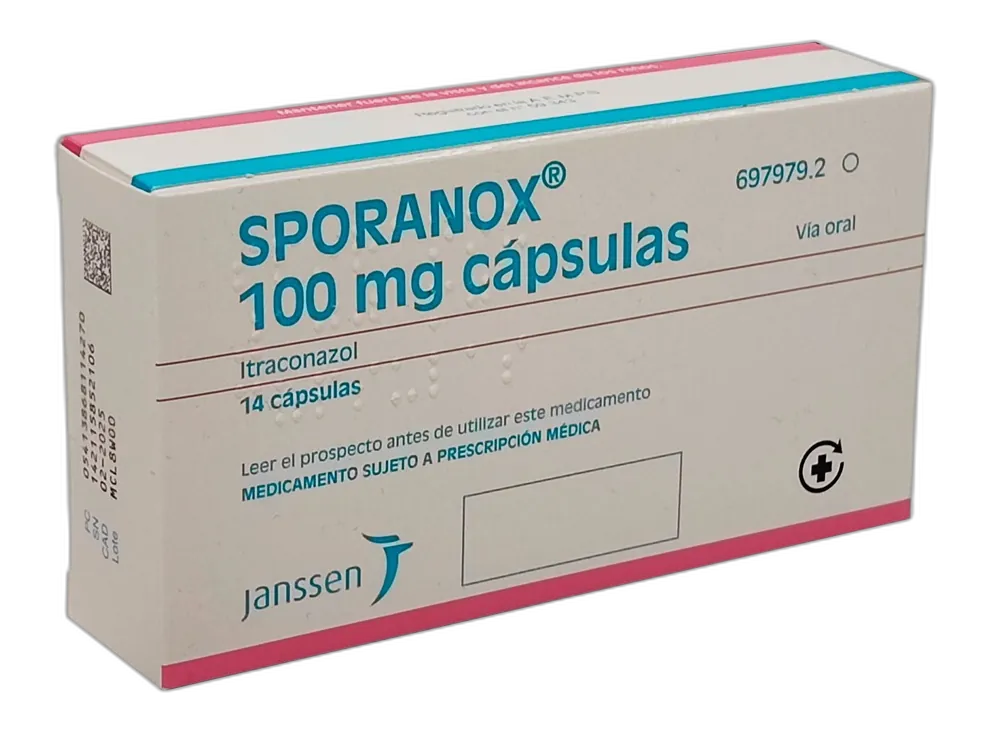 SPORANOX 100 mg CAPSULESIllustrative imageDosage form: CAPSULE, 100 mgActive substance: itraconazoleManufacturer: Janssen Cilag S.A.Prescription required
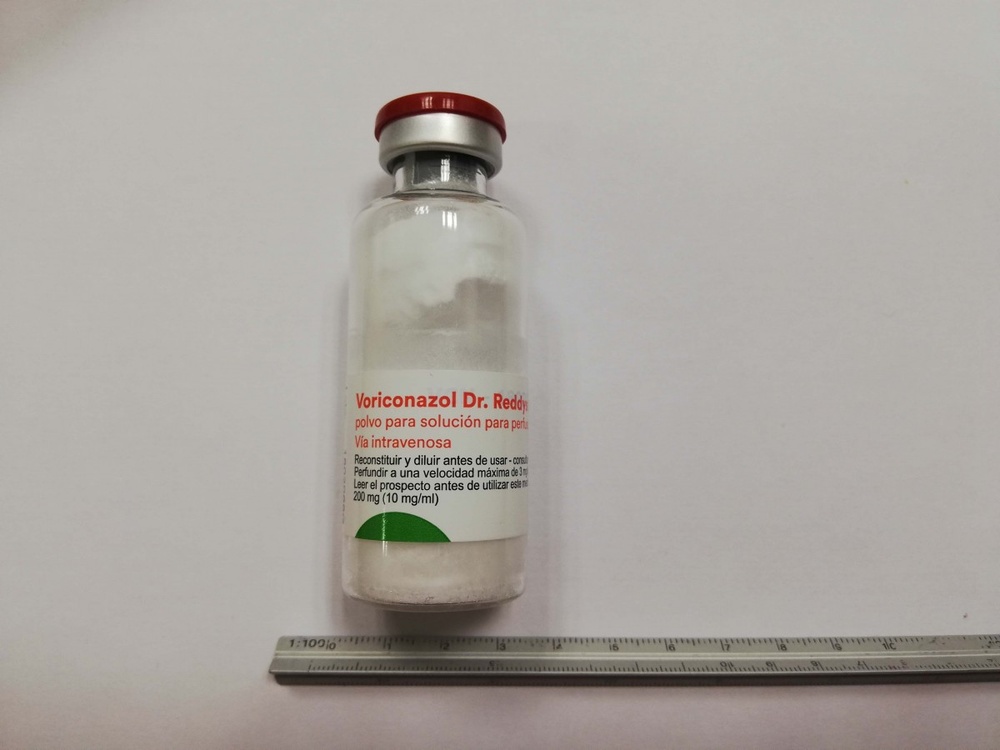 VORICONAZOL HIKMA 200 mg POWDER FOR SOLUTION FOR INFUSIONIllustrative imageDosage form: INJECTABLE PERFUSION, 200 mgActive substance: voriconazoleManufacturer: Hikma Farmaceutica (Portugal) S.A.Prescription required
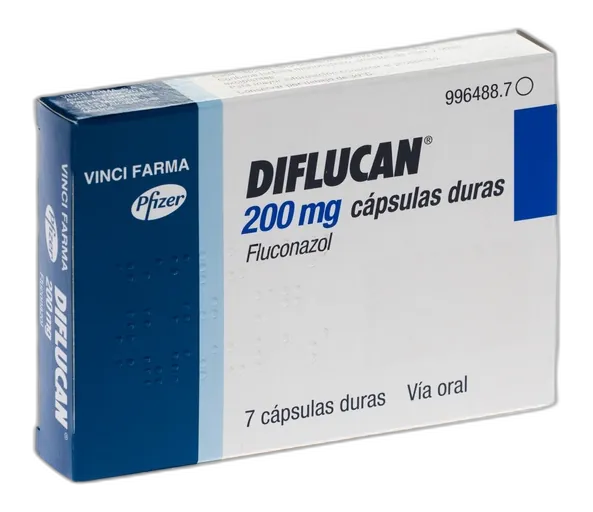 DIFLUCAN 200 mg HARD CAPSULESIllustrative imageDosage form: CAPSULE, 200 mgActive substance: fluconazoleManufacturer: Vinci Farma, S.A.Prescription required
Aspergillosis is caused by an everyday mould, the fungi of the genus Aspergillus. Its spores are almost everywhere: in soil, in rotting leaves, in hay, in house dust, on damp walls. We breathe them in daily without noticing, because healthy lungs deal with them on their own. The disease appears where the lungs are already damaged or the immune system is weakened, and it looks strikingly different from case to case, from an allergy that drags on for years to an infection that threatens life. Aspergillosis does not pass from person to person or from animals.
Who is genuinely at risk
A healthy person can spend years digging in soil and never fall ill: what matters is not how many spores you breathe in, but the state of your lungs and immune system. The risk is higher if you have:
- asthma or cystic fibrosis, on which the allergic form usually develops;
- chronic obstructive pulmonary disease, widened airways, sarcoidosis;
- a cavity or a scar in the lung after tuberculosis, the commonest ground for the long-running form;
- a weakened immune system: organ transplant, chemotherapy, blood disorders, long courses of high-dose steroids, advanced HIV;
- severe pneumonia during flu or covid, especially with time on a ventilator;
- poorly controlled diabetes;
- work with decaying organic matter: hay and grain, livestock, timber, stripping out old damp buildings.
Four diseases under one name
The conditions gathered under this single name are so different that their treatments have nothing in common. Working out which form is involved matters far more than the bare fact of finding the fungus in sputum.
- The allergic form. The fungus destroys no tissue; it sets off a violent allergic reaction in the airways. It occurs almost only in people with asthma or cystic fibrosis. Asthma stops holding on the usual regimen, a cough appears with thick brownish plugs of mucus, and a low but stubborn temperature. Left running for years, it widens the airways permanently.
- Long-running lung infection. It builds up over months in lungs with scars and cavities, most often after tuberculosis. Cough, blood in the sputum, weakness, night sweats, slow weight loss. The picture resembles returning tuberculosis so closely that people are not rarely treated for months with anti-tuberculosis drugs to no effect at all.
- Aspergilloma. A dense ball of fungal threads, mucus and blood cells filling a cavity that already exists in the lung. It can stay silent for years and turn up by chance on a scan. Its main danger is bleeding: the wall of the cavity is laced with vessels that can rupture.
- The invasive form. The most severe and the rarest. The fungus grows through vessel walls and travels in the blood to the brain, skin, eyes, heart and bones. It happens almost only when immunity is deeply suppressed, and it unfolds over days rather than months.
There are narrower variants too: inflammation of the sinuses, disease of the outer ear canal, and disease of the airways themselves without the lung tissue being drawn in.
Why the symptoms get put down to something else
Aspergillosis has no symptoms of its own. A cough that will not clear for weeks, blood or thick clumps of mucus when you cough, breathlessness, wheeze, a persistent low temperature, night sweats, weight loss: all of that occurs in a dozen other lung diseases.
The clue is usually not in the symptoms but in the way they change. If lung disease was already there, aspergillosis shows up as an unexplained worsening of the old problem. Asthma that was steady for years starts breaking through, COPD flares more often, blood returns to the sputum after tuberculosis was cured. That is a reason to re-examine the lungs rather than to push up the familiar doses.
Signs that cannot wait
Call an ambulance if:
- coughing brings up blood in quantity, bright red and frothy, rather than streaks;
- breathlessness builds fast, there is not enough air at rest, lips and nails turn blue;
- severe chest pain appears together with difficulty breathing;
- someone with a suppressed immune system develops a fever plus confusion, weakness in an arm or a leg, or disturbed vision or speech.
That last point is the most important one. After a transplant or during chemotherapy, any fever with new breathing or neurological complaints calls for immediate admission to hospital rather than watchful waiting at home: the invasive form moves very fast, and days lost at the start cannot be made up later.
See a doctor within the next few days if a cough lasts more than three weeks, if a long-standing lung disease has stopped responding to its usual treatment, or if there has been blood in the sputum even once.
Why the diagnosis takes time
Mould lives in the airways of healthy people too, so finding Aspergillus in sputum proves nothing by itself: it only shows contact. The reverse is also true. With the disease plainly present, cultures often come back negative, because the fungal threads sit deep in the focus. The diagnosis is assembled from the scans, the laboratory findings and the way the illness behaves over time.
What is usually done:
- a CT scan of the chest, which shows cavities, the ball inside a cavity and the changes around the focus that a plain X-ray misses;
- microscopy and culture of sputum;
- blood tests: antibodies to Aspergillus, total IgE and eosinophils where the allergic form is suspected, and a search for fungal antigens where the invasive form is;
- allergy testing, on the skin or in the laboratory;
- bronchoscopy with a bronchial washing when there is no sputum or too little of it.
The two main traps are tuberculosis and lung cancer, which produce a similar picture. It is normal for a doctor to rule those out first and only then look for the fungus.
How it is treated and why it takes so long
There is no single regimen; everything depends on the form.
- In the allergic form the first job is to damp down the reaction itself with steroids. An antifungal is added to cut the amount of fungus in the airways and allow a lower steroid dose.
- For the long-running infection, antifungal tablets are prescribed for many months, sometimes with no end date. The aim is usually to keep the disease under control rather than to wipe the fungus out.
- An aspergilloma that causes no trouble is normally just watched. If it bleeds, surgery or closing off the bleeding vessel through a catheter is considered.
- The invasive form is treated in hospital with the drug given into a vein. In parallel, the team tries to bring immunity back: lowering the dose of the medicines suppressing it, for instance, where that is possible.
The course is long because of what the fungus is like: it grows in poorly supplied tissue that the drug reaches slowly. You feel better long before the focus clears, and a course abandoned halfway almost always ends in relapse.
Ask your doctor about two things in particular. First, antifungals of this group get on badly with other medicines: they shift the blood levels of heart drugs, blood thinners, anti-epileptic drugs and the medicines taken after a transplant, so your doctor needs the full list of what you take, supplements included. Second, Aspergillus is becoming resistant to these drugs, because the same substances have been used for decades in farming against mould on crops. If treatment is not working, it is worth asking whether the fungus has been tested for sensitivity.
How to cut down contact with mould
Spores cannot be removed from the air. But with unhealthy lungs or weakened immunity, the densest sources are worth avoiding.
- do not turn compost, rotting leaves or old hay without a close-fitting mask, and better still leave the job to someone else;
- find the source of damp in the house and deal with it: a leak, a cold corner, black patches around window reveals. Painting over them achieves nothing;
- air the rooms after showering and cooking, and do not dry laundry in the bedroom;
- change the water in a humidifier daily and clean the air conditioning: standing water is a ready medium for mould;
- keep windows shut when there is building work or earthmoving nearby;
- give up smoking, which worsens the underlying lung disease;
- with suppressed immunity, discuss renovation work, a move into damp housing or a spell of gardening with your doctor beforehand.
Online consultation
In an online consultation the doctor will go through how long the cough has lasted and what has changed in how you feel, judge whether there is reason to look for a fungal cause, help you read the scans and test results you already have, explain which investigations are needed and in what order, and point you to the right specialist to see in person.
This material is for information only and does not replace medical advice.
