Abdominal aortic aneurysm
An abdominal aortic aneurysm (AAA) is a swelling in the aorta, the artery that carries blood from the heart to the tummy (abdomen). Most aneurysms do not cause any problems, but they can be serious because there's a risk they could burst (rupture).




-
On this page
Symptoms of abdominal aortic aneurysmSee a GP if:Call 112 if you or someone else:Tests for abdominal aortic aneurysmScreening for abdominal aortic aneurysmTreatment for abdominal aortic aneurysmHow to lower your risk of getting an abdominal aortic aneurysmDoDon’tCauses of an abdominal aortic aneurysm -
Medicines commonly prescribed for Abdominal aortic aneurysm
For informational purposes only. Always consult a doctor before using any medicine.
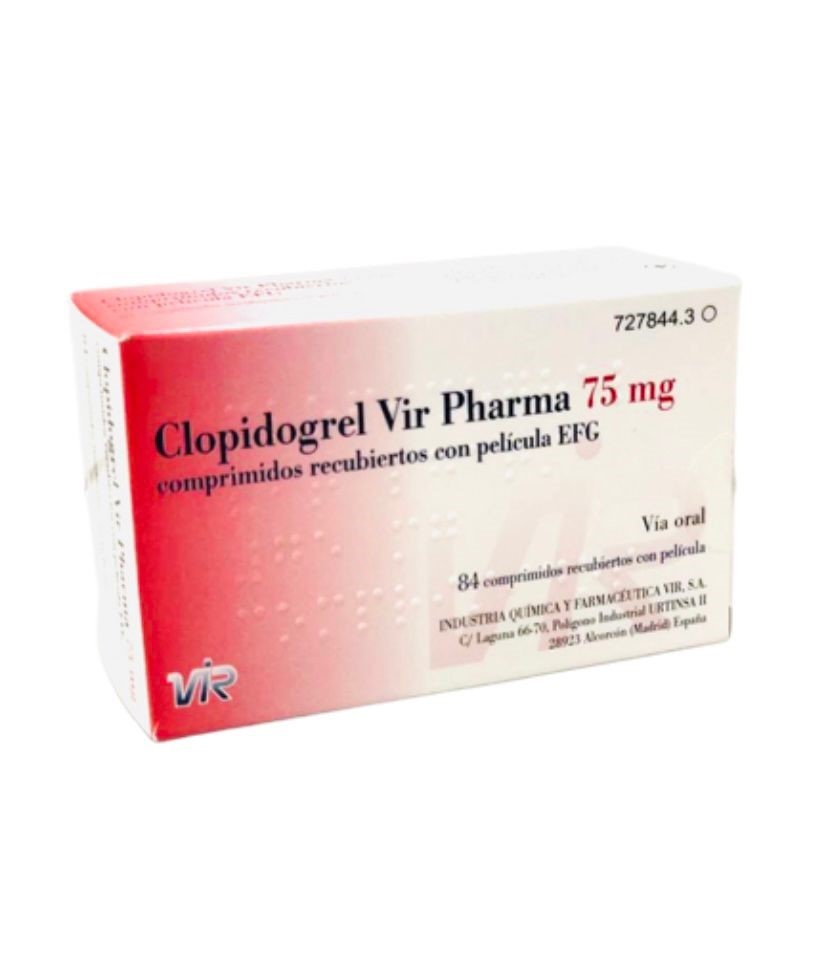
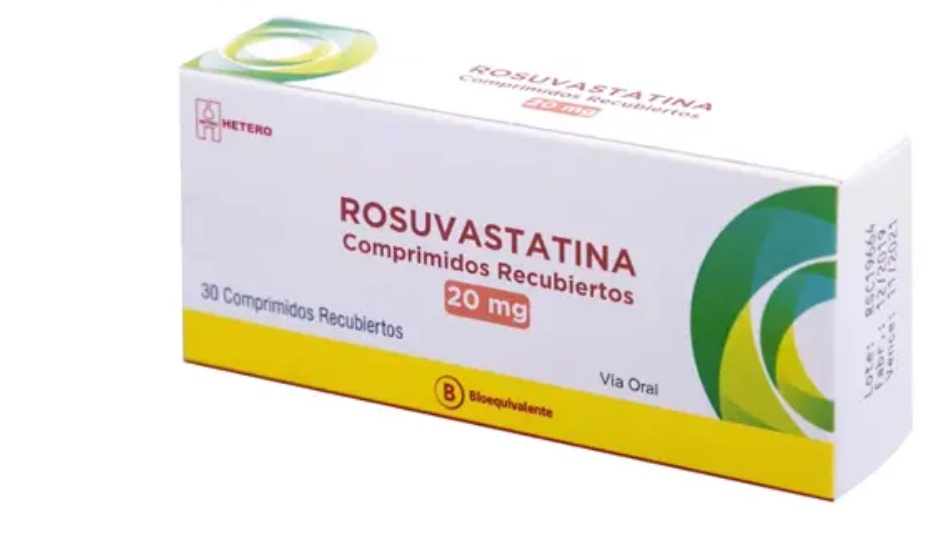
Dosage form: TABLET, 10 mgActive substance: atorvastatinManufacturer: Industria Quimica Y Farmaceutica Vir S.A.Prescription requiredDosage form: TABLET, 75 mgActive substance: clopidogrelManufacturer: Industria Quimica Y Farmaceutica Vir S.A.Prescription requiredDosage form: TABLET, 20 mgActive substance: rosuvastatinManufacturer: Laboratorios Combix S.L.U.Prescription required

An abdominal aortic aneurysm (AAA) is a swelling in the aorta, the artery that carries blood from the heart to the tummy (abdomen). Most aneurysms do not cause any problems, but they can be serious because there's a risk they could burst (rupture).
Symptoms of abdominal aortic aneurysm
Abdominal aortic aneurysm often has no symptoms.
You usually only find out you have one during an abdominal aortic aneurysm screening test or during tests for another condition.
If an aneurysm gets bigger, you might sometimes notice:
- tummy or back pain
- a pulsing feeling in your tummy
See a GP if:
- you have tummy or back pain that does not go away or keeps coming back
- you feel a lump in your tummy
These symptoms can be caused by lots of things and do not mean you have an abdominal aortic aneurysm, but it's best to get them checked.
Call 112 if you or someone else:
- have sudden, severe pain in your tummy or back
- are struggling to breathe or have stopped breathing
- have pale or grey skin (on brown or black skin this may be easier to see on the palms of the hands or soles of the feet)
- lose consciousness
These could be signs of an abdominal aortic aneurysm bursting (rupturing). This is a life-threatening emergency that needs to be treated in hospital as soon as possible.
Tests for abdominal aortic aneurysm
The main test to find out if you have an abdominal aortic aneurysm is an ultrasound scan of your tummy.
A small device is placed on your tummy and images of the inside of your tummy will be shown on a screen.
You'll usually be told if you have an aneurysm at the end of the test.
You’ll also be told how big it is:
- small (3cm to 4.4cm or smaller)
- medium (4.5cm to 5.4cm)
- large (5.5cm or bigger)
Screening for abdominal aortic aneurysm
An ultrasound test is offered to all men when they turn 65, as they're most at risk of getting an abdominal aortic aneurysm.
This is called abdominal aortic aneurysm screening.
Treatment for abdominal aortic aneurysm
Treatment for an abdominal aortic aneurysm usually depends on how big it is and if you have symptoms.
If it's small, lifestyle changes such as quitting smoking and eating healthily may be recommended to help stop it getting bigger.
Sometimes you may need:
- medicines to lower your blood pressure and cholesterol level, which may help stop the aneurysm getting bigger
- surgery to reduce the risk of the aneurysm bursting - this may be done if your AAA is large (5.5cm or bigger), is quickly getting bigger or is painful
Surgery has risks and side effects which your doctor or surgeon should discuss with you.
Abdominal aortic aneurysms often get bigger over time. You'll usually need regular scans to see if it's getting bigger.
If your aneurysm ruptures, you’ll need emergency surgery to treat it.
How to lower your risk of getting an abdominal aortic aneurysm
Making healthy lifestyle changes can help lower your risk of getting an abdominal aortic aneurysm, or stop one from getting bigger.

Do
-
eat healthily
-
exercise regularly
-
try to lose weight if you're overweight
-
try to cut down on alcohol
Don’t
-
do not smoke
Causes of an abdominal aortic aneurysm
An abdominal aortic aneurysm happens when the main artery that carries blood from the heart to the tummy (the aorta) becomes weakened.
It's not always clear what causes it, but some people have a higher chance of getting one.
You’re more at risk if you:
- are male and aged 65 or over
- smoke or used to smoke
- have high blood pressure
- have high cholesterol
- have a close relative who's had an abdominal aortic aneurysm
- have coronary or peripheral artery disease (atherosclerosis)
- have chronic obstructive pulmonary disease (COPD)
- have a condition such as Marfan syndrome
Sometimes an abdominal aortic aneurysm can be caused by an infection, but this is rare.
Online doctors for Abdominal aortic aneurysm
Discuss your symptoms and possible next steps for Abdominal aortic aneurysm with a doctor online.