Bg pattern

Epilepsy

Epilepsy is a condition that affects your brain and causes seizures (sometimes called fits). It cannot currently be cured, but treatment can often help manage it.


This page provides general information and does not replace a doctor’s consultation. If symptoms are severe, persistent or worsening, seek medical advice promptly.

Epilepsy is a condition that affects your brain and causes seizures (sometimes called fits). It cannot currently be cured, but treatment can often help manage it.

Symptoms of epilepsy

Usually the only symptom of epilepsy is having seizures.

Symptoms of seizures can include:

  • your body becoming stiff or floppy
  • suddenly falling to the floor
  • jerking or twitching movements in your body
  • peeing unintentionally
  • losing awareness of what's around you – you may stare into space and not be able to respond normally
  • unusual feelings or sensations, such as strange smells, numbness or tingling, changes in your vision, or suddenly feeling scared
  • unusual behaviour, such as fidgeting or walking around and not being aware of what you're doing

A seizure usually lasts a few seconds or minutes, and stops by itself.

You might be aware of having a seizure and remember it afterwards, or you might not.

Symptoms of epilepsy often start in young children and people over 50, but it can happen at any age.

Epileptic seizures are different from febrile seizures, which can happen in children when they have a high temperature.

Find out what to do if someone has a seizure

Call 112 if:

You think someone's having a seizure and:

  • it's the first time it's happened
  • it lasts longer than is usual for them, or longer than 5 minutes if you do not know how long their seizures usually last
  • they do not recover as usual afterwards, or they have another seizure without recovering between seizures
  • they've now had 3 or more seizures in 24 hours

People with epilepsy do not always need to go to hospital when they have a seizure.

They usually have a care plan that says what to do, such as giving emergency medicine and when to call 112. If you know what to do and have been trained then you can follow their care plan.

How epilepsy is diagnosed

If you or your child have had a seizure you'll need to see a specialist doctor. They'll check what caused it and whether you might have epilepsy.

They'll ask about what happened before, during and after the seizure. If someone else saw the seizure, it can help to bring them with you to your appointment.

Tests you might have include:

  • an electroencephalogram (EEG) to check electrical activity in your brain
  • an electrocardiogram (ECG) to check your heart
  • scans such as an MRI scan or CT scan
  • blood tests
  • genetic testing

Having a seizure does not always mean you have epilepsy, as seizures can have other causes. You'll usually be diagnosed with epilepsy if you've had more than 1 seizure, or if tests show you're at risk of having more seizures.

Types of epileptic seizure

There are different types of epileptic seizure. They can affect people differently.

You may have only one type of seizure, or more than one. Your specialist may need to monitor your symptoms and tests results to tell you which type you have.

The main types of epileptic seizure are:

  • tonic clonic seizures, where you become unconscious and may fall, your muscles get stiff and your body jerks and shakes
  • tonic seizures, where your muscles suddenly get stiff and you may fall, then recover quickly
  • atonic seizures, where your muscles suddenly go floppy and you may fall, then recover quickly
  • absence seizures, where you briefly lose awareness of what's going on around you
  • focal seizures, where you have unusual feelings, sensations or movements
  • myoclonic seizures, where your muscles briefly jerk

Treatment for epilepsy

If you have epilepsy you'll be supported by your GP and a team of specialists. You'll have check-ups at least once a year.

Your team will work with you to agree a care plan that includes details of the care and support you need. The care plan will tell your family or carers what to do when you have a seizure.

Medicines for epilepsy

The main treatment for epilepsy is medicine to prevent seizures, called anti-epileptic or anti-seizure medicine.

You may also be given medicine to use as emergency treatment if you have a seizure that lasts longer than usual. A family member or carer will need to give this to you.

There are different anti-epileptic medicines. The medicine recommended for you depends on the type of seizures and things like your age, sex and any other conditions you have.

You may need to try different medicines to find what works for you.

If you have not had a seizure for 2 years, your specialist may suggest you try stopping your treatment by gradually reducing the dose. Do not change your dose or stop taking your medicine without talking to your specialist.

If you take medicines for epilepsy you're entitled to free prescriptions for all your medicines.

Epilepsy medicines and pregnancy

Some types of epilepsy medicine can harm your baby if you take them in pregnancy, or if you or your partner is taking them when you get pregnant.

If you or your partner are taking epilepsy medicine and there's a chance you could get pregnant it's very important to discuss your treatment with a specialist. You may need to use contraception, or you may need to switch to another medicine.

Other treatments

For most people medicines work well to prevent seizures. Rarely, you may need other treatments. These can include:

  • surgery on your brain
  • putting a small electrical device under the skin on your chest to help reduce seizures (vagus nerve stimulation)
  • a specialist diet that can reduce seizures (ketogenic diet)

Things you can do to help with epilepsy

If you have epilepsy there are things you can do to keep yourself safe and reduce the risk of seizures, if they're not completely controlled by your medicine.

Consult with a doctor about Epilepsy

Consult with a doctor about Epilepsy

Discuss your symptoms and possible next steps with a doctor online.

Do

  • make sure your family and friends know what to do if you have a seizure

  • carry medical ID, such as a bracelet or a card that lets people know you have epilepsy

  • keep a diary to help you identify things that might trigger a seizure, such as tiredness, stress, your period, flashing lights, food or drink

  • make your home safer – for example you can fit carpets and radiator covers

  • consider using an alarm to get help if you have a seizure

  • have showers instead of baths if you can

  • think about safety when doing activities such as cooking, using tools or machinery, swimming or sports

Don’t

  • do not miss doses of your epilepsy medicine

  • do not change your epilepsy treatment without getting advice from your GP or specialist

  • do not drink too much alcohol, as it can increase the risk of seizures

How epilepsy affects your life

Epilepsy affects everyone differently. It can be a life-long condition, or it can get better. How it affects you depends on the type of seizures you have, how often they happen and how well your treatment works.

For most people, medicine works well to prevent or reduce seizures, and epilepsy has a small impact on their daily life. But some people have seizures that are harder to control, and need more support.

Seizures are not usually harmful, although they can cause accidents or injuries. The risk of seizures may affect the type of work or activities you can do, and you may need to take extra safety measures.

Risks of epilepsy

An epileptic seizure usually stops by itself and does not cause any lasting problems.

Rarely, a seizure can last a long time, or you may have several seizures without recovering in between. This is called status epilepticus, and needs urgent treatment to prevent damage to your brain.

There's also a small risk of dying suddenly, called sudden unexpected death in epilepsy (SUDEP). But this is rare, and epilepsy treatment can reduce the risk.

Epilepsy and pregnancy

You can have a healthy pregnancy if you have epilepsy. But there's a chance you'll have more seizures in pregnancy. You may need extra appointments and tests.

You might also need to change your medicine as some epilepsy medicines are not safe to take in pregnancy.

If your partner takes epilepsy medicine, they may need to change their medicine. This is because some epilepsy medicines can affect sperm, which could harm your baby if you get pregnant.

If you're planning to get pregnant or you find out you're pregnant, keep taking your medicine but speak to your specialist team straight away to review your treatment.

Causes of epilepsy

Epilepsy happens when the normal electrical activity in your brain changes.

It's thought that epilepsy is often related to the genes you inherit from your parents, or to changes in your genes.

It's sometimes caused by damage to your brain, for example after a head injury, a stroke or an infection. But for many people it's not clear what causes it.

Online doctors for Epilepsy

Discuss your symptoms and possible next steps for Epilepsy with a doctor online.

5.0 (1237)
Doctor

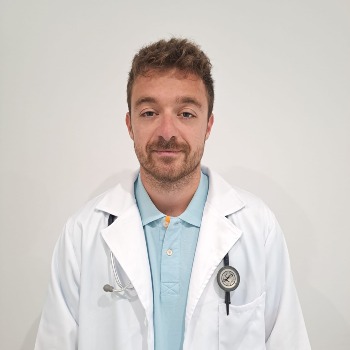
Andrei Popov

General medicine 7 years exp.

Dr. Andrei Popov is a family physician with specialized training in the management of chronic pain. He provides video consultations for adults in Spain and across Europe: whether you have been living with pain for months that no one has been able to properly explain, or you need to resolve a health issue without waiting weeks for an appointment.

His approach is clear: to listen, organize your case, and provide you with a practical roadmap based on evidence-based medicine and adapted to your medical history and personal needs.

Pain: how he can help

  • Chronic pain (more than 3 months
  • Migraine and recurrent or high-intensity headaches
  •  Neck, lower back, back and joint pain
  •  Post-traumatic pain after injuries or surgeries
  •  Pain of neurological origin: neuralgia, neuropathic pain, fibromyalgia

General medicine

  • Frequent respiratory infections (cold, flu, persistent cough)
  • Hypertension, diabetes and metabolic disorders
  • Review of laboratory tests and MRI/CT reports (explained in clear language)
  • Preventive medicine and health monitoring
  • Second opinions and treatment adjustments (when clinically appropriate)

What the consultation is like
 Each session lasts up to 30 minutes. We review symptoms, medical history, medications and any tests you provide, and you finish the consultation with a clear treatment plan, defined next steps, and criteria to understand when follow-up may be needed. If warning signs are detected, he will clearly advise whether you need in-person care or urgent medical attention.

5.0 (100)
Doctor

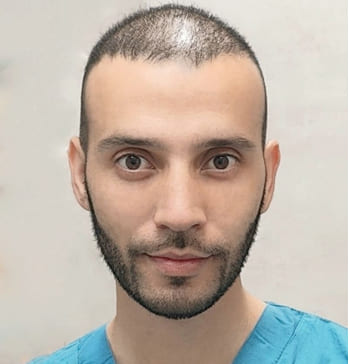
Tarek Agami

General medicine 11 years exp.

Dr. Tarek Agami is a general practitioner registered in both Portugal and Israel, with broad experience in family and preventive medicine. He offers online consultations for adults and children, providing personalised support for primary care needs, chronic disease management, and everyday health concerns.

Dr. Agami received clinical training and worked in leading medical institutions in Israel (Kaplan Medical Center, Barzilai Medical Center, Wolfson Medical Center) and Portugal (European Healthcare City, Viscura Internacional, Hospital Dr. José Maria Grande, Hospital Vila Franca de Xira). His approach combines international medical standards with individualised attention to each patient.

Main areas of consultation:

  • Diagnosis and treatment of acute and chronic conditions (high blood pressure, diabetes, respiratory infections, cardiovascular symptoms)
  • Evaluation of symptoms and guidance on further diagnostic testing
  • Preventive check-ups and regular health monitoring
  • Medical support during travel or after relocation
  • Treatment adjustments and lifestyle recommendations based on your personal history
Dr. Agami provides medical support for patients using GLP-1 medications (such as Ozempic or Mounjaro) as part of a weight loss strategy. He offers individualised treatment planning, regular follow-up, dose adjustment, and advice on combining medication with sustainable lifestyle changes. Consultations follow the medical standards accepted in Portugal and Israel.

Dr. Agami is committed to evidence-based, patient-centred care, ensuring that each person receives trusted medical support tailored to their health goals.

5.0 (203)
Doctor

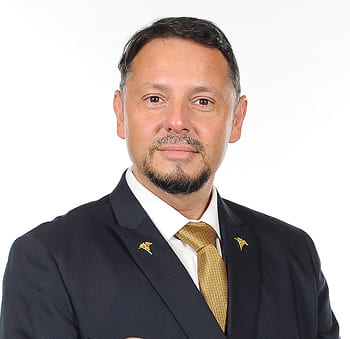
Nuno Tavares Lopes

Family medicine 18 years exp.

Dr. Nuno Tavares Lopes is a licensed physician in Portugal with 17 years of experience in emergency medicine, family and general practice, and public health. He is the Director of Medical and Public Health Services at an international healthcare network and serves as an external consultant for the WHO and ECDC.

  • Emergency care: infections, fever, chest/abdominal pain, minor injuries, paediatric emergencies
  • Family medicine: hypertension, diabetes, cholesterol, chronic disease management
  • Travel medicine: pre-travel advice, vaccinations, fit-to-fly certificates, travel-related illnesses
  • Sexual and reproductive health: PrEP, STD prevention, counselling, treatment
  • Weight management and wellness: personalised weight loss programmes, lifestyle guidance
  • Skin and ENT issues: acne, eczema, allergies, rashes, sore throat, sinusitis
  • Pain management: acute and chronic pain, post-surgical care
  • Public health: prevention, health screenings, long-term monitoring
  • Sick leave (Baixa médica) connected to Segurança Social in Portugal
  • IMT medical certificates for driving licence exchange
Dr. Nuno Tavares Lopes provides medical support for patients using GLP-1 medications (Mounjaro, Wegovy, Ozempic, Rybelsus) as part of a weight loss strategy. He offers individualised treatment planning, regular follow-up, dose adjustment, and advice on combining medication with sustainable lifestyle changes. Consultations follow the medical standards accepted in Europe.

Dr. Lopes also provides interpretation of medical tests, follow-up care for complex patients, and multilingual support. Whether for urgent concerns or long-term care, he helps patients act with clarity and confidence.

0.0 (11)
Doctor

Rita Isabel Calero Garcia

General medicine 2 years exp.

Dr. Rita Isabel Calero Garcia is a physician with extensive experience in emergency medical care, general medicine, and healthcare assistance in various clinical and out-of-hospital settings.

She currently works as a physician at the Canary Islands Emergency Service (Servicio de Urgencias Canario – SUC), where she is responsible for the assessment and care of patients in medical emergency situations, performing the initial diagnosis, patient stabilization, and coordination with hospital services when necessary.

She has also developed her professional activity within the Primary Care Management Service, providing consultations in general medicine. In this setting she is responsible for patient follow-up, management of acute and chronic conditions, as well as health promotion and disease prevention.

She has also worked as a physician in a mobile ICU unit, providing medical assistance in out-of-hospital emergencies, treating critical patients and participating in medicalized patient transport.

In addition, she has collaborated with the Red Cross, participating in healthcare support units, providing medical assistance at events and supporting emergency interventions.

Furthermore, she has provided medical services in the private sector with Salvaser, conducting clinical assessments of patients and providing healthcare services within private medical services.

5.0 (102)
Doctor

Jorge Correa Bellido

General medicine 7 years exp.

Dr. Jorge Correa Bellido is a Spanish physician who offers online consultations in Spanish and English. He graduated from the University of La Laguna and has a solid background in clinical practice and international research.

Throughout his career, he has participated in various medical and academic projects, including a research fellowship in Spain, where he contributed to evidence-based studies in the field of family medicine. This experience allowed him to broaden his global perspective on healthcare and comprehensive patient care.

Dr. Correa Bellido has worked with several healthcare providers in Spain, focusing particularly on patient-centered care and public health initiatives aimed at communities with limited access to healthcare services.

In addition, he actively participates in international medical conferences and workshops, which allows him to stay up to date with the latest medical advances and collaborate with healthcare professionals from different countries.

Dr. Correa Bellido provides comprehensive care for a wide variety of medical conditions, including:

  • respiratory infections
  • gastrointestinal disorders
  • cardiovascular problems
  • endocrine and metabolic diseases
  • musculoskeletal and dermatological conditions
  • as well as mental health conditions such as anxiety and depression.

He also treats infectious and allergic diseases, general health concerns, and provides guidance on prevention and healthy lifestyle habits.

His services include virtual consultations, diagnosis and management of acute and chronic diseases, prescription renewals, and personalized medical advice.

With a patient-centered approach and a strong commitment to continuous learning, Dr. Correa Bellido provides accessible and high-quality healthcare to patients both in Spain and around the world.

0.0 (17)
Doctor

Daniel Cichi

Family medicine 24 years exp.

Dr Daniel Cichi is a family medicine doctor with over 20 years of clinical experience. He provides online consultations for adults, supporting patients with acute symptoms, chronic conditions, and everyday health concerns that require timely medical guidance. His background includes work in emergency care, ambulance services, and family medicine, which allows him to assess symptoms quickly, identify warning signs, and help patients choose the safest next steps – whether that means home care, treatment adjustment, or in-person evaluation. Patients commonly consult Dr Daniel Cichi for: 

  • acute symptoms: fever, infections, flu-like illness, cough, sore throat, shortness of breath;
  • chest discomfort, palpitations, dizziness, fatigue, and blood pressure concerns;
  • digestive problems: abdominal pain, nausea, diarrhoea, constipation, reflux;
  • sexually transmitted infections, erectile dysfunction;
  • muscle, joint, and back pain, minor injuries, post-traumatic symptoms;
  • chronic conditions: hypertension, diabetes, high cholesterol, thyroid disorders, weight loss, hair loss;
  • review and interpretation of lab tests, imaging reports, and medical documents;
  • medication review and treatment adjustment;
  • medical advice while travelling or living abroad;
  • second opinions and guidance on whether in-person care is needed.

Dr Cichi’s consultations are structured and practical. He focuses on clear explanations, risk assessment, and actionable recommendations, helping patients understand their symptoms and make informed decisions about their health.

0.0 (0)
Doctor

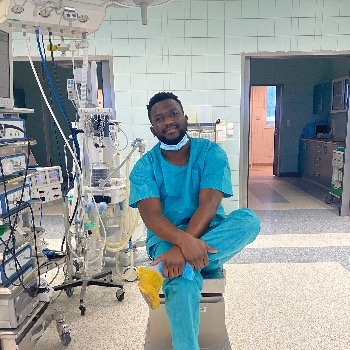
Chikeluo Okeke

General medicine 4 years exp.

Dr Chikeluo Okeke is an internal medicine doctor with extensive international clinical experience. Originally from Nigeria, he has worked across multiple European healthcare systems and currently practises in Sweden. This professional path has given him a strong understanding of different medical approaches and the ability to work effectively with patients from diverse cultural and linguistic backgrounds.

Dr Okeke focuses on general internal medicine and adult primary care, combining clinical accuracy with careful attention to lifestyle, personal context, and everyday health concerns. His consultations are particularly well suited for people who seek medical advice online, live abroad, or need clear guidance without unnecessary complexity.

He provides online consultations covering symptom assessment, prevention, and long-term management of chronic conditions, helping patients understand what is happening and decide on appropriate next steps.

Common reasons for consultation:

  • General internal medicine concerns and initial health assessment.
  • Acute symptoms such as fever, cough, infections, pain, or weakness.
  • Chronic conditions and treatment adjustment.
  • Blood pressure issues, fatigue, metabolic concerns.
  • Preventive consultations and routine check-ups.
  • Interpretation of laboratory results and medical reports.
  • Medical advice for patients receiving care online.

Dr Okeke is known for his clear communication, calm approach, and cultural awareness. He listens carefully, explains medical decisions in a structured way, and supports patients in making informed choices about their health.

Online consultations with Dr Chikeluo Okeke offer reliable internal medicine care without geographic limitations, focused on medical relevance, clarity, and patient comfort.

bg-pattern-dark

Stay informed about Oladoctor

News about new services, product updates and useful information for patients.

Follow us on social media