Coronary heart disease
Coronary heart disease (CHD) is a major cause of death in the UK and worldwide. CHD is sometimes called ischaemic heart disease or coronary artery disease.
If these symptoms are severe, persistent or worsening, seek medical advice promptly.


-
On this page
Symptoms of coronary heart disease (CHD)Causes of coronary heart disease (CHD)Diagnosing coronary heart disease (CHD)Treating coronary heart disease (CHD)Recovering from the effects of coronary heart disease (CHD)Preventing coronary heart disease (CHD)The heart Symptoms Coronary heart disease AnginaHeart attacksHeart failureWhat to do if someone has a heart attack Causes Coronary heart disease SmokingHigh blood pressureHigh cholesterolHigh lipoprotein (a)Lack of regular exerciseDiabetesThrombosis Diagnosis Coronary heart disease Risk assessmentFurther tests Treatment Coronary heart disease Things you can do to help with coronary heart disease (CHD)MedicinesProcedures and surgery Recovery Coronary heart disease Cardiac rehabilitation programmeSelf careSupport groupsRelationships and sexReturning to workFinancial support Prevention Coronary heart disease Eat a healthy, balanced dietBe more physically activeKeep to a healthy weightGive up smokingReduce your alcohol consumptionKeep your blood pressure under controlKeep your diabetes under controlTake any prescribed medicine -
Medicines commonly prescribed for Coronary heart disease
For informational purposes only. Always consult a doctor before using any medicine.
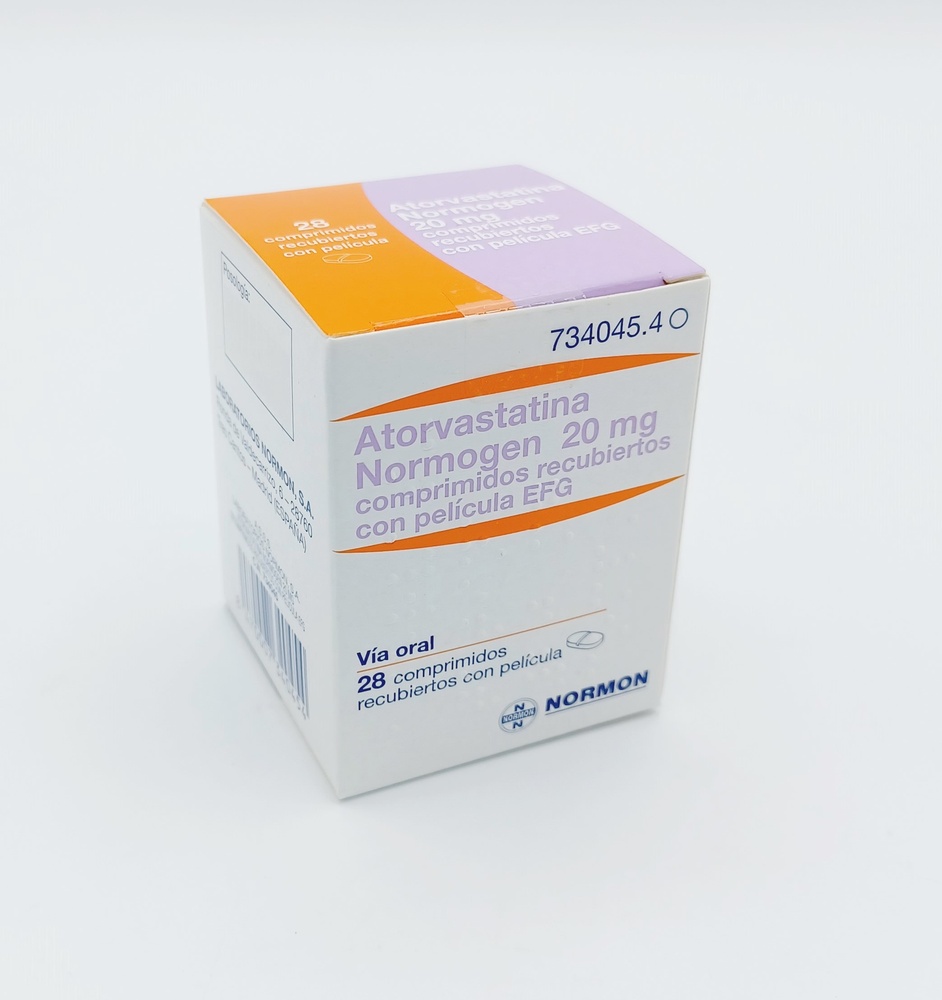
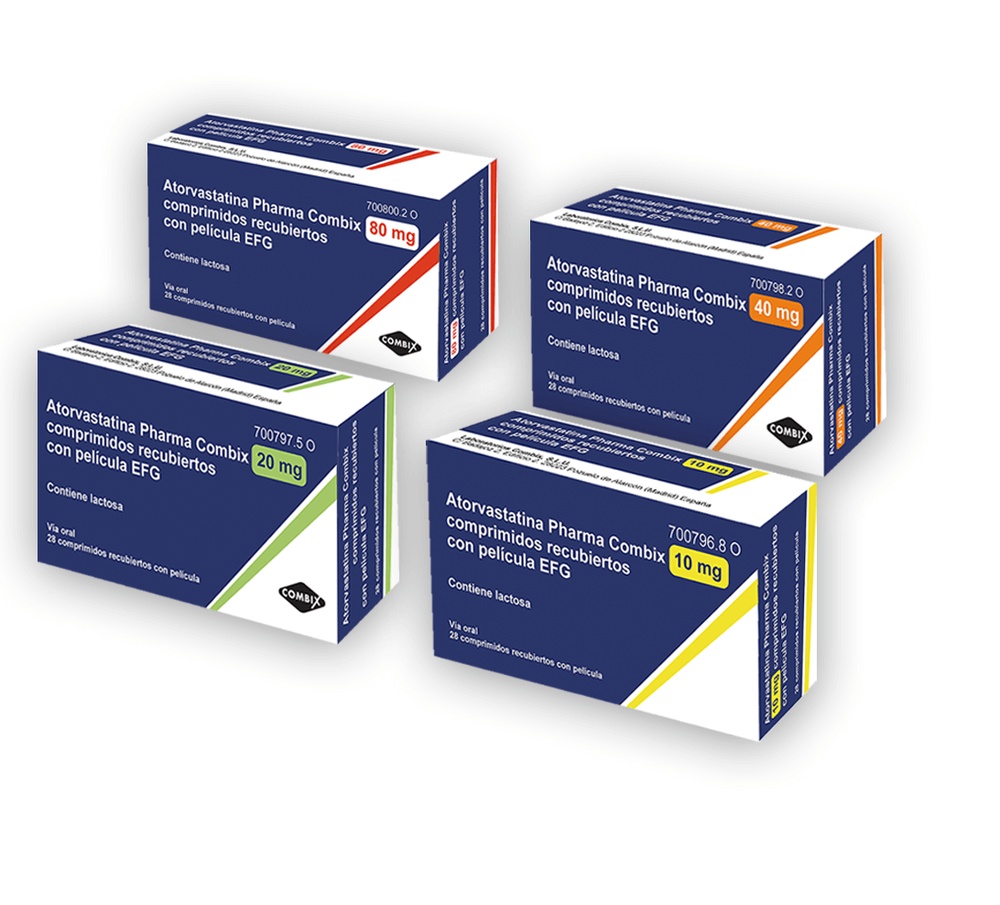
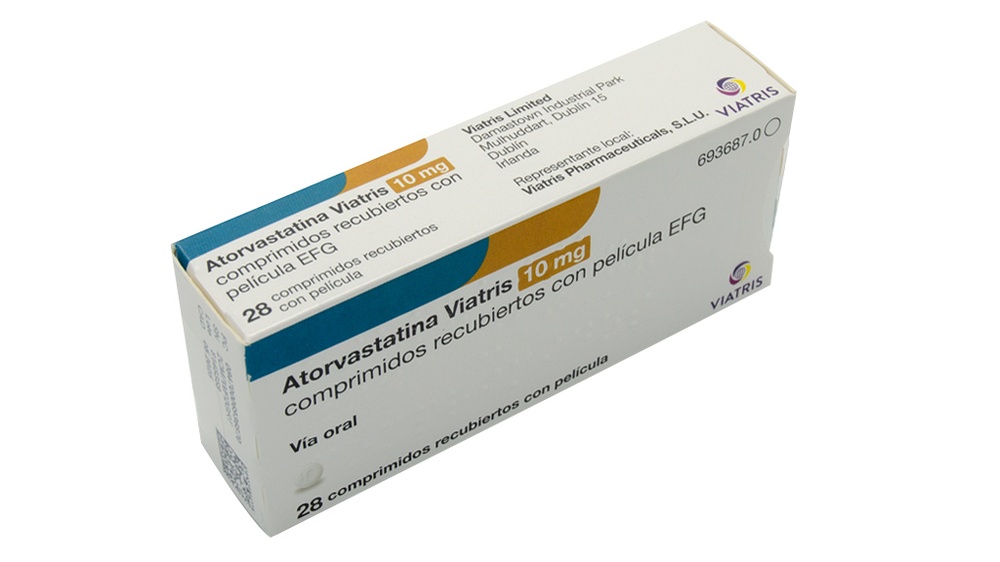
Dosage form: TABLET, 20 mgActive substance: atorvastatinManufacturer: Laboratorios Normon S.A.Prescription requiredDosage form: TABLET, 10 mgActive substance: atorvastatinManufacturer: Laboratorios Combix S.L.U.Prescription requiredDosage form: TABLET, 10 mgActive substance: atorvastatinManufacturer: Viatris LimitedPrescription required
Coronary heart disease (CHD) is a major cause of death in the UK and worldwide. CHD is sometimes called ischaemic heart disease or coronary artery disease.
Symptoms of coronary heart disease (CHD)
The main symptoms of coronary heart disease are:
- chest pain (angina)
- shortness of breath
- pain in your neck, shoulders, jaw or arms
- feeling faint
- feeling sick (nausea)
But not everyone has the same symptoms and some people may not have any before coronary heart disease is diagnosed.
Causes of coronary heart disease (CHD)
Coronary heart disease is the term that describes what happens when your heart's blood supply is blocked or interrupted by a build-up of fatty substances in the coronary arteries.
Over time, the walls of your arteries can become furred up with fatty deposits. This process is known as atherosclerosis and the fatty deposits are called atheroma.
Atherosclerosis can be caused by lifestyle factors, such as smoking and regularly drinking excessive amounts of alcohol.
You're also more at risk of getting atherosclerosis if you have conditions like high cholesterol, high blood pressure (hypertension) or diabetes.
Diagnosing coronary heart disease (CHD)
If a doctor feels you're at risk of coronary heart disease, they may carry out a risk assessment.
They'll ask you about your medical and family history and your lifestyle, and they'll take a blood test.
Further tests may be needed to confirm coronary heart disease, including:
- electrocardiogram (ECG)
- echocardiogram
- chest x-ray
- coronary angiogram
Read more about how coronary heart disease is diagnosed.
Treating coronary heart disease (CHD)
Coronary heart disease cannot be cured but treatment can help manage the symptoms and reduce the chances of problems such as heart attacks.
Treatment can include:
- lifestyle changes, such as regular exercise and stopping smoking
- medicines
- angioplasty – where balloons and stents are used to treat narrow heart arteries
- surgery
Recovering from the effects of coronary heart disease (CHD)
If you've had a heart attack, an angioplasty, or heart surgery, you’ll want to get back to as full a life as possible.
Advice and support is available to help you deal with aspects of your life that may have been affected by coronary heart disease.
Read more about recovering from the effects of coronary heart disease.
Preventing coronary heart disease (CHD)
You can reduce your risk of getting coronary heart disease by making some simple lifestyle changes.
These include:
- eating a healthy, balanced diet
- being physically active
- giving up smoking
- controlling blood cholesterol and sugar levels
Keeping your heart healthy will also have other health benefits, such as helping reduce your risk of stroke and dementia.
The heart
The heart is a muscle about the size of your fist. It pumps blood around your body and beats approximately 70 times a minute.
After the blood leaves the right side of the heart, it goes to your lungs where it picks up oxygen.
The oxygen-rich blood returns to your heart and is then pumped to the body's organs through a network of arteries.
The blood returns to your heart through veins before being pumped back to your lungs again. This process is called circulation.
The heart gets its own supply of blood from a network of blood vessels on the heart's surface called coronary arteries.
Symptoms Coronary heart disease
The most common symptoms of coronary heart disease (CHD) are chest pain (angina) and breathlessness.
But some people may not have any symptoms before they're diagnosed.
Angina
If your coronary arteries become partly blocked, it can cause chest pain (angina). This can be a mild, uncomfortable feeling similar to indigestion.
However, a severe angina attack can cause a painful feeling of heaviness or tightness, usually in the centre of the chest, which may spread to the arms, neck, jaw, back or stomach.
Angina is often triggered by physical activity or stressful situations. Symptoms usually pass in less than 10 minutes, and can be relieved by resting or using a nitrate tablet or spray.
Read more about treating angina.
Heart attacks
If your arteries become partly or completely blocked, it can cause a heart attack (myocardial infarction).
Heart attacks can permanently damage the heart muscle and, if not treated straight away, can be fatal.
Dial 112 for immediate medical assistance if you think you're having a heart attack.
While waiting for an ambulance, it may help to chew and then swallow a tablet of aspirin (ideally 300mg), if you are not allergic to aspirin.
Although symptoms can vary, the discomfort or pain of a heart attack is usually like that of angina. However, it's often more severe and lasts longer.
During a heart attack, you may also have the following symptoms:
- pain in other parts of the body – it can feel as if the pain is travelling from your chest to your arms, jaw, neck, back or stomach
- lightheadedness
- sweating
- nausea
- breathlessness
The symptoms of a heart attack can also be similar to indigestion. For example, they may include a feeling of heaviness in your chest, a stomach ache or heartburn.
A heart attack can happen at any time, including while you're resting. If heart pains last longer than 15 minutes, it may be the start of a heart attack.
Unlike angina, the symptoms of a heart attack are not usually relieved using a nitrate tablet or spray.
A heart attack can sometimes happen without any symptoms. This is known as a silent myocardial infarction and is more common in older people and people with diabetes.
Heart failure
Heart failure can also happen in people with CHD. The heart becomes too weak to pump blood around the body, which can cause fluid to build up in the lungs, making it increasingly difficult to breathe.
Heart failure can happen suddenly (acute heart failure) or gradually, over time (chronic heart failure).
What to do if someone has a heart attack
When someone has a heart attack, a bystander – often a relative with no medical expertise – is usually the first on the scene.
However, only a small number of people have attended an emergency life support course.
The following organisations can teach you how to help someone having a heart attack:
Causes Coronary heart disease
Coronary heart disease (CHD) is usually caused by a build-up of fatty deposits (atheroma) on the walls of the arteries around the heart (coronary arteries).
The build-up of atheroma makes the arteries narrower, restricting the flow of blood to the heart muscle. This process is called atherosclerosis.
Your risk of developing atherosclerosis is significantly increased if you:
- smoke
- have high blood pressure (hypertension)
- have high cholesterol
- have high levels of lipoprotein (a)
- do not exercise regularly
- have diabetes
Other risk factors for developing atherosclerosis include:
- being obese or overweight
- having a family history of CHD
Smoking
Smoking is a major risk factor for coronary heart disease. Both nicotine and carbon monoxide (from the smoke) put a strain on the heart by making it work faster. They also increase your risk of blood clots.
Other chemicals in cigarette smoke can damage the lining of your coronary arteries, leading to furring of the arteries. Smoking significantly increases your risk of developing heart disease.
High blood pressure
High blood pressure (hypertension) puts a strain on your heart and can lead to CHD.
Read more about high blood pressure.
High cholesterol
Cholesterol is a fat made by the liver from the saturated fat in your diet. It's essential for healthy cells, but too much in the blood can lead to CHD.
Read more about high cholesterol.
High lipoprotein (a)
Like cholesterol, lipoprotein (a), also known as LP(a), is a combination of fat and protein made by the liver. It's a known risk factor for cardiovascular disease and atherosclerosis.
The level of LP(a) in your blood is inherited from your parents. It's not routinely measured, but screening is recommended for people with a moderate or high risk of developing cardiovascular disease.
Lack of regular exercise
If you're inactive, fatty deposits can build up in your arteries.
If the arteries that supply blood to your heart become blocked, it can lead to a heart attack. If the arteries that supply blood to your brain are affected it can cause a stroke.
Read about the physical activity guidelines for adults aged 19 to 64.
Diabetes
A high blood sugar level may lead to diabetes, which can more than double your risk of developing CHD.
Diabetes can lead to CHD because it may cause the lining of blood vessels to become thicker, which can restrict blood flow.
Thrombosis
A thrombosis is a blood clot in a vein or artery.
If a thrombosis develops in a coronary artery it prevents the blood supply from reaching the heart muscle. This usually leads to a heart attack.
Diagnosis Coronary heart disease
Coronary heart disease (CHD) is usually diagnosed after a risk assessment and some further tests.
Risk assessment
If a GP thinks you may be at risk of CHD, they may do a risk assessment for cardiovascular disease, heart attack or stroke.
The GP will:
- ask about your medical and family history
- check your blood pressure
- do a blood test to assess your cholesterol level
Before having the cholesterol test, you may be asked not to eat for 12 hours so there's no food in your body that could affect the result.
The GP or practice nurse can carry out the blood test. A sample will be taken either using a needle and a syringe or by pricking your finger.
The GP will also ask about your lifestyle, how much exercise you do and whether you smoke. All these factors will be considered as part of the diagnosis.
Further tests
You may be referred for further tests to help confirm CHD. A number of different tests are used to diagnose heart-related problems, including:
- electrocardiogram (ECG)
- exercise stress tests
- X-rays
- echocardiogram
- blood tests
- coronary angiography
- MRI scans
- CT scans
- myocardial perfusion scan
Treatment Coronary heart disease
Treatment for coronary heart disease (CHD) can help manage the symptoms and reduce the risk of further problems.
CHD can be managed effectively with a combination of lifestyle changes, medicine and, in some cases, surgery.
With the right treatment, the symptoms of CHD can be reduced and the functioning of the heart improved.
Things you can do to help with coronary heart disease (CHD)
If you've been diagnosed with coronary heart disease, making simple lifestyle changes can reduce your risk of having further episodes.
For example, stopping smoking after a heart attack quickly reduces your risk of having a heart attack in the future to near that of a non-smoker.
Other lifestyle changes, such as eating more healthily and doing regular exercise, will also reduce your future risk of heart disease.
Read more about preventing CHD.
Further information
- exercise and fitness
- healthy eating
- stop smoking

Medicines
Many different medicines are used to treat CHD. Usually they either aim to reduce blood pressure, widen your arteries or prevent blood clots.
Some heart medicines have side effects, so it may take a while to find one that works for you. A GP or specialist will discuss the various options with you.
Heart medicines should not be stopped suddenly without the advice of a doctor as there's a risk this may make your symptoms worse.
Blood-thinning medicines
Blood thinners are a type of medicine that can help reduce the risk of a heart attack by thinning your blood and preventing it clotting.
Common blood-thinning medicines include:
- low-dose aspirin
- clopidogrel
- rivaroxaban
- ticagrelor
- prasugrel
Do not take aspirin to prevent a heart attack if you have not been diagnosed with CHD or have not been advised to take it by a doctor.
Statins
If you have high cholesterol, cholesterol-lowering medicine called statins may be prescribed.
Most people start with atorvastatin but other statins include:
- simvastatin
- rosuvastatin
- pravastatin
- fluvastatin
Not all statins are suitable for everyone, so you may need to try several different types until you find one that's suitable.
Statins work by slowing down the production of low-density lipoprotein (LDL) cholesterol in your liver.
This helps remove LDL cholesterol from your blood, which makes a heart attack less likely.
Beta blockers
Beta blockers, including atenolol, bisoprolol, metoprolol and nebivolol, are often used to treat angina and high blood pressure.
They work by blocking the effects of a particular hormone in the body, which slows down your heartbeat and some beta blockers improve blood flow.
Nitrates
Nitrates are used to widen your blood vessels. Doctors sometimes refer to nitrates as vasodilators.
They're available in a variety of forms, including tablets, sprays and skin patches such as glyceryl trinitrate and isosorbide mononitrate.
Nitrates work by relaxing your blood vessels, letting more blood pass through them. This lowers your blood pressure and relieves any heart pain you have.
Nitrates can have some mild side effects, including headaches, dizziness and flushed skin.
Angiotensin-converting enzyme (ACE) inhibitors
ACE inhibitors are commonly used to treat high blood pressure. Examples include ramipril and lisinopril.
They reduce the amount of a hormone called angiotensin-2, which causes the blood vessels to narrow.
As well as stopping the heart working so hard, ACE inhibitors improve the flow of blood around the body.
Your blood pressure will be monitored while you're taking ACE inhibitors, and regular blood tests will be needed to check that your kidneys are working properly.
Less than 1 in 100 people have problems with the blood supply to their kidneys (renal stenosis) as a result of taking ACE inhibitors.
Side effects of ACE inhibitors can include a dry cough and dizziness.
Angiotensin-2 receptor blockers (ARBs)
Angiotensin-2 receptor blockers (ARBs) work in a similar way to ACE inhibitors.
They're used to lower your blood pressure by blocking angiotensin-2.
ARBs are generally well tolerated but side effects can include mild dizziness, headaches and fatigue. They're often prescribed as an alternative to ACE inhibitors, as they do not cause a dry cough.
Calcium channel blockers
Calcium channel blockers also work to decrease blood pressure by relaxing the muscles that make up the walls of your arteries.
This causes the arteries to become wider, reducing your blood pressure.
Examples include amlodipine, verapamil and diltiazem.
Side effects include headaches and facial flushing, but these are usually mild and do not last long.
Diuretics
Sometimes known as water pills, diuretics work by flushing excess water and salt from the body through urine.
Procedures and surgery
If your blood vessels are narrow as the result of a build-up of atheroma (fatty deposits) or if your symptoms cannot be controlled using medicines, interventional procedures or surgery may be needed to open up or bypass blocked arteries.
Here are some of the main procedures used to treat blocked arteries.
Coronary angioplasty
Coronary angioplasty is also known as percutaneous coronary intervention (PCI), percutaneous transluminal coronary angioplasty (PTCA) or balloon angioplasty.
Angioplasty may be a planned procedure for someone with angina, or an urgent treatment if the symptoms have become unstable.
Having a coronary angiogram (a type of X-ray used to check blood vessels) will determine if you're suitable for treatment.
Coronary angioplasty is also performed as an emergency treatment during a heart attack.
During the procedure, a small balloon is inserted to push the fatty tissue in the narrowed artery outwards. This allows the blood to flow more easily.
A metal stent (a wire mesh tube) is usually placed in the artery to hold it open. Drug-eluting stents can also be used. These release medicines to stop the artery narrowing again.
Coronary artery bypass graft
Coronary artery bypass grafting (CABG) is also known as bypass surgery, a heart bypass, or coronary artery bypass surgery.
It's carried out in people whose arteries are narrowed or blocked.
A coronary angiogram will determine if you're suitable for treatment.
Off-pump coronary artery bypass (OPCAB) is a type of coronary artery bypass surgery. It's performed while the heart continues to pump blood by itself without the need for a heart-lung machine.
A blood vessel is inserted (grafted) between the main artery leaving the heart (the aorta) and a part of the coronary artery beyond the narrowed or blocked area.
Sometimes, an artery that supplies blood to the chest wall is used and diverted to one of the heart arteries. This allows the blood to bypass (get around) the narrowed sections of coronary arteries.
Heart transplant
Occasionally, when the heart is severely damaged and medicine is not effective, or when the heart becomes unable to adequately pump blood around the body (heart failure), a heart transplant may be needed.
A heart transplant involves replacing a heart that's damaged or is not working properly with a healthy donor heart.
Recovery Coronary heart disease
It's possible to lead a full life after having heart surgery or problems like a heart attack.
Cardiac rehabilitation programme
Cardiac rehabilitation, or cardiac rehab, is a programme to help you recover and get back to living your life after a recent heart attack or heart failure. It's an important part of your recovery.
How to access cardiac rehabilitation
A member of the cardiac rehab team may visit you in hospital with information about your condition or the procedure you're having. After you leave hospital, they may visit you at home or call you to check on your progress.
You do not need a referral from your cardiologist. You can also:
- contact your GP surgery to find out how to register for cardiac rehab
Cardiac rehab programmes are available locally, often in weekly sessions that last 6 to 12 weeks. You may be able to choose between group classes, online classes or a home programme.
How cardiac rehabilitation can help
Research has found that people who attend cardiac rehab have a lower risk of having another heart attack and being admitted to hospital. It also had a positive impact on their wellbeing and quality of life.
Your local cardiac rehab service can give you more details about what they offer, but most programmes will cover:
- physical activities that are suitable for you
- educational talks about managing your condition, taking medicines and other practical advice
- relaxation techniques and how to manage stress
- psychological support for anxiety and low mood
Your cardiac rehab team will tailor the programme to suit your age, fitness level and any other medical issues.
Self care
Self care is an integral part of daily life, and is all about you taking responsibility for your own health and wellbeing with the support of those involved in your care.
Self care includes actions you take for yourself every day so you stay fit and maintain good physical and mental health. It also helps you to prevent illness or accidents and care more effectively for minor ailments and long-term conditions.
People living with long-term conditions can benefit enormously from being supported so they can achieve self care. They can live longer, have less pain, anxiety, depression and fatigue, have a better quality of life, and be more active and independent.
Support groups
If you have a heart condition, or if you're caring for someone with a heart condition, you might find it useful to meet other people in your area who are in a similar situation.
There are a number of heart support groups around the UK that organise regular exercise sessions, such as walking groups, as well as other social activities. A GP or specialist can provide you with details about your nearest group.
Relationships and sex
Coming to terms with a long-term condition such as heart disease can put a strain on you, your family and your friends. It can be difficult to talk to people about your condition, even if they're close to you.
Be open about how you feel and let your family and friends know what they can do to help. But do not feel shy about telling them you need some time to yourself.
Your sex life
If you have coronary heart disease (CHD) or you've recently had heart surgery, you may be concerned about having sex. You'll usually be able to resume sexual activity as soon as you feel well enough.
If you experience sexual problems, these may be caused by your heart condition or even by worrying about it. Sometimes they can be a side effect of your medicine.
A GP, nurse or cardiac rehab nurse should be able to offer you advice and support.
It also helps to talk to your partner and stay open-minded.
Returning to work
After recovering from heart surgery, you should be able to return to work, but you may need to change the type of work you do. For example, you may not be able to do a job that involves heavy physical exertion.
Your specialist will be able to advise you about when you can return to work and what type of activities you should avoid.
Financial support
If you're unable to work after having heart surgery, you may be entitled to financial support, such as:
If you're caring for someone who has heart disease, you may also be entitled to financial support.
Prevention Coronary heart disease
There are several ways you can reduce your risk of developing coronary heart disease (CHD), such as lowering your blood pressure and cholesterol levels.
Eat a healthy, balanced diet
A low-fat, high-fibre diet is recommended, which should include plenty of fresh fruit and vegetables (5 portions a day) and whole grains.
You should limit the amount of salt you eat to no more than 6g (0.2oz) a day as too much salt will increase your blood pressure. 6g of salt is about 1 teaspoonful.
There are 2 types of fat: saturated and unsaturated. You should avoid food containing saturated fats, because these will increase the levels of bad cholesterol in your blood.
Foods high in saturated fat include:
- meat pies
- sausages and fatty cuts of meat
- butter
- ghee – a type of butter often used in Indian cooking
- lard
- cream
- hard cheese
- cakes and biscuits
- foods that contain coconut or palm oil
However, a balanced diet should still include unsaturated fats, which have been shown to increase levels of good cholesterol and help reduce any blockage in your arteries.
Foods high in unsaturated fat include:
- oily fish
- avocados
- nuts and seeds
- sunflower, rapeseed, olive and vegetable oils
You should also try to avoid too much sugar in your diet, as this can increase your chances of developing diabetes, which is proven to significantly increase your chances of developing CHD.
Read more about:
- healthy eating
- eating less saturated fat
- the facts about sugar
Be more physically active
Combining a healthy diet with regular exercise is the best way of maintaining a healthy weight. Having a healthy weight reduces your chances of developing high blood pressure.
Regular exercise will make your heart and blood circulatory system more efficient, lower your cholesterol level, and also keep your blood pressure at a healthy level.
Exercising regularly reduces your risk of having a heart attack. The heart is a muscle and, like any other muscle, benefits from exercise. A strong heart can pump more blood around your body with less effort.
Any aerobic exercise, such as walking, swimming and dancing, makes your heart work harder and keeps it healthy.
Read more about fitness and exercise.
Keep to a healthy weight
A GP or practice nurse can tell you what your ideal weight is in relation to your height and build. Alternatively, you can calculate your body mass index (BM) online.
Give up smoking
If you smoke, giving up will reduce your risk of developing CHD.
Smoking is a major risk factor for developing atherosclerosis (furring of the arteries).
Reduce your alcohol consumption
If you drink, do not exceed the maximum recommended limits.
- Men and women are advised not to regularly drink more than 14 units a week
- spread your drinking over 3 days or more if you drink as much as 14 units a week
- If you want to cut down, try to have several drink-free days each week
Always avoid binge drinking, as this increases the risk of a heart attack.
Read more about alcohol advice.
Keep your blood pressure under control
You can keep your blood pressure under control by eating a healthy diet low in saturated fat, exercising regularly and, if needed, taking medicine to lower your blood pressure.
Your target blood pressure should be below 135/85mmHg. If you have high blood pressure, ask a GP to check your blood pressure regularly.
Read more about high blood pressure.
Keep your diabetes under control
You have a greater chance of developing CHD if you have diabetes. You can help lower your risk of heart problems by being physically active and controlling your weight.
It’s also important to have your blood pressure, cholesterol and blood sugar levels (HBA1C) checked regularly.
If you have diabetes and you are under the age of 80, your target blood pressure level should be below 140/90mmHg.
Read more about diabetes.
Take any prescribed medicine
If you have CHD, you may be prescribed medicine to help relieve your symptoms and stop further problems developing.
If you do not have CHD but have high cholesterol, high blood pressure or a history of family heart disease, your doctor may prescribe medicine to prevent you developing heart-related problems.
If you're prescribed medicine, it's vital you take it and follow the correct dosage. Do not stop taking your medicine without consulting a doctor first, as doing so is likely to make your symptoms worse and put your health at risk.
Online doctors for Coronary heart disease
Discuss your symptoms and possible next steps for Coronary heart disease with a doctor online.