


Cerebral palsy
Cerebral palsy is the name for a group of lifelong conditions that affect movement and co-ordination. It's caused by a problem with the brain that develops before, during or soon after birth.
If these symptoms are severe, persistent or worsening, seek medical advice promptly.
-
On this page
Symptoms of cerebral palsyWhen to get medical adviceCauses of cerebral palsyTreatments for cerebral palsyOutlook for cerebral palsy Symptoms Cerebral palsy Movement and development problemsOther symptomsTypes of cerebral palsy Causes Cerebral palsy Problems before birthProblems during or after birthIncreased risk Diagnosis Cerebral palsy Examination and checksBrain scansOther tests Treatment Cerebral palsy PhysiotherapySpeech and language therapyOccupational therapyMedicinesTreatments for feeding problemsTreatments for droolingSurgery -
Medicines commonly prescribed for Cerebral palsy
For informational purposes only. Always consult a doctor before using any medicine.
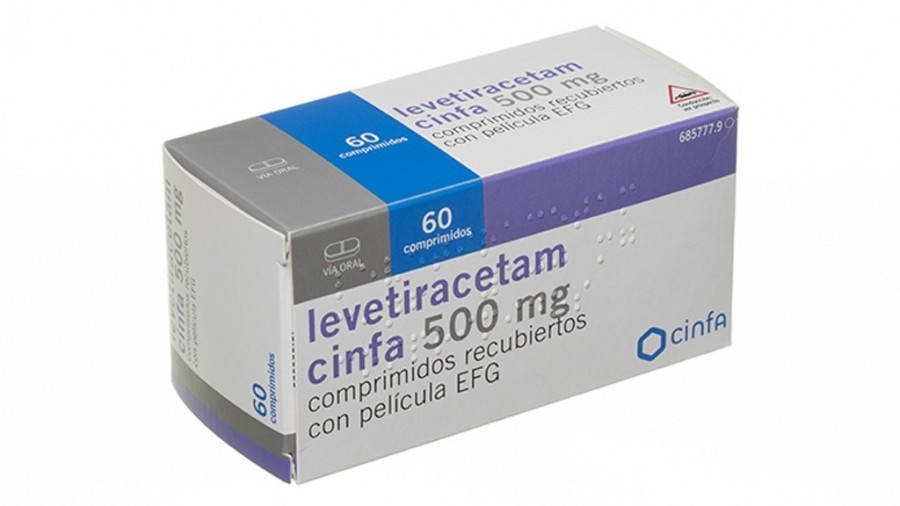
Dosage form: TABLET, 500 mgActive substance: levetiracetamManufacturer: Mabo Farma S.A.Prescription requiredDosage form: TABLET, 1000 mgActive substance: levetiracetamManufacturer: Teva Pharma B.V.Prescription requiredDosage form: TABLET, 500 mgActive substance: levetiracetamManufacturer: Almus Farmaceutica S.A.U.Prescription required


Cerebral palsy is the name for a group of lifelong conditions that affect movement and co-ordination. It's caused by a problem with the brain that develops before, during or soon after birth.
Symptoms of cerebral palsy
The symptoms of cerebral palsy are not usually obvious just after a baby is born. They normally become noticeable from an early age.
Symptoms can include:
- delays in reaching development milestones – for example, not sitting by 8 months or not walking by 18 months
- seeming too stiff or too floppy
- weak arms or legs
- fidgety, jerky or clumsy movements
- random, uncontrolled movements
- walking on tiptoes
- a range of other problems – such as swallowing problems, speaking problems, vision problems and learning disabilities
The severity of symptoms can vary significantly. Some people only have minor problems, while others may be severely disabled.
Read more about the symptoms of cerebral palsy
When to get medical advice
Speak to your health visitor or a GP if you have any concerns about your child's health or development.
Symptoms like those of cerebral palsy can have a number of different causes and are not necessarily a sign of anything serious.
Your child may be referred to specialists in child development who can do some checks and tests.
Read more about tests for cerebral palsy
Causes of cerebral palsy
Cerebral palsy can happen if a baby's brain does not develop normally while they're in the womb, or is damaged during or soon after birth.
Causes of cerebral palsy include:
- bleeding in the baby's brain or reduced blood and oxygen supply to their brain
- an infection caught during pregnancy
- the brain temporarily not getting enough oxygen (asphyxiation) during a difficult birth
- meningitis
- a serious head injury
But in many cases, the exact cause is not clear.
Read more about the causes of cerebral palsy
Treatments for cerebral palsy
There's currently no cure for cerebral palsy, but treatments are available to help people with the condition be as active and independent as possible.
Treatments include:
- physiotherapy – techniques such as exercise and stretching to help maintain physical ability and hopefully improve movement problems
- speech therapy to help with speech and communication, and swallowing difficulties
- occupational therapy – where a therapist identifies problems that you or your child have carrying out everyday tasks, and suggests ways to make these easier
- medicine for muscle stiffness and other difficulties
- in some cases, surgery to treat movement or growth problems
A team of healthcare professionals will work with you to come up with a treatment plan that meets your or your child's needs.
Read more about treatments for cerebral palsy
Outlook for cerebral palsy
Cerebral palsy affects each person differently and it can be difficult to predict what the outlook will be for you or your child.
Generally speaking:
- most children live into adult life and some can live for many decades
- the condition may limit your child's activities and independence, although many people go on to lead full, independent lives
- many children go to a mainstream school, but some may have special educational needs and benefit from attending a special school
- the original problem with the brain does not get worse over time, but the condition can put a lot of strain on the body and cause problems, such as painful joints, in later life
- the daily challenges of living with cerebral palsy can be difficult to cope with, which can lead to problems such as clinical depression in some people
Speak to your care team about the likely effects of cerebral palsy on you or your child.
Symptoms Cerebral palsy
The symptoms of cerebral palsy are not usually obvious just after a baby is born. They normally become noticeable from an early age.
Speak to your health visitor or a GP if you have any concerns about your child's health or development.
Movement and development problems
The main symptoms of cerebral palsy are problems with movement, co-ordination and development.
Possible signs in a child include:
- delays in reaching development milestones – for example, not sitting by 8 months or not walking by 18 months
- seeming too stiff or too floppy (hypotonia)
- weak arms or legs
- fidgety, jerky or clumsy movements
- random, uncontrolled movements
- muscle spasms
- shaking hands (tremors)
- walking on tiptoes
The severity of symptoms varies significantly from child to child.
The parts of the body affected can also vary. Sometimes only 1 side of the body is affected, sometimes the whole body is affected, and sometimes mainly the legs are affected.
Other symptoms
People with cerebral palsy can also have a range of other problems, including:
- feeding, drooling and swallowing problems
- constipation
- problems with speaking and communication
- seizures or fits (epilepsy)
- difficulty falling asleep and/or staying asleep
- gastro-oesophageal reflux disease (GORD) – where acid from the stomach leaks up into the oesophagus (gullet)
- an abnormally curved spine (scoliosis)
- hips that pop out (dislocate) easily
- difficulty controlling the bladder (urinary incontinence)
- a learning disability – about half of children with cerebral palsy have a learning disability
- eye problems – including reduced vision, a squint or uncontrollable eye movements
- hearing loss
Types of cerebral palsy
Your doctors may refer to your or your child's condition as a particular type of cerebral palsy, based on the symptoms you or your child has.
There are 4 main types of cerebral palsy:
- spastic cerebral palsy – the muscles are stiff and tight (especially when trying to move them quickly), making it difficult to move and reducing the range of movement that's possible
- dyskinetic cerebral palsy – the muscles switch between stiffness and floppiness, causing random, uncontrolled body movements or spasms
- ataxic cerebral palsy – when a person has balance and co-ordination problems, resulting in shaky or clumsy movements and sometimes tremors
- mixed cerebral palsy – when a person has symptoms of more than one type of cerebral palsy
You may also hear terms such as hemiplegia or diplegia. These refer to the parts of the body affected by cerebral palsy.
Hemiplegia means 1 side of the body is affected, diplegia is where 2 limbs are affected, monoplegia is where 1 limb is affected, and quadriplegia is where all 4 limbs (and usually the whole body) are affected.
Causes Cerebral palsy
Cerebral palsy is caused by a problem with the brain that happens before, during or soon after birth.
The brain can either be damaged or not develop normally, although the exact cause is not always clear.
Problems before birth
Cerebral palsy is usually caused by a problem that affects the development of a baby's brain while it's growing in the womb.
These include:
- damage to part of the brain called white matter, possibly as a result of a reduced blood or oxygen supply – this is known as periventricular leukomalacia (PVL)
- an infection caught during pregnancy – such as cytomegalovirus, rubella (german measles), chickenpox or toxoplasmosis
- a stroke – where there's bleeding in the baby's brain or the blood supply to their brain is cut off
- an injury to the unborn baby's head
Problems during or after birth
Cerebral palsy can also sometimes be caused by damage to a baby's brain during or shortly after birth.
For example, it can be due to:
- the brain temporarily not getting enough oxygen (asphyxiation) during a difficult birth
- an infection of the brain, such as meningitis
- a serious head injury
- choking or nearly drowning, resulting in the brain not getting enough oxygen
- a very low blood sugar level (hypoglycaemia)
- a stroke
Increased risk
Some things can increase a baby's risk of being born with cerebral palsy including:
- being born prematurely (before the 37th week of pregnancy) – babies born at 32 weeks or earlier are at a particularly high risk
- being part of a multiple birth, such as a twin or triplet
- an infection in the womb during pregnancy (chorioamnionitis)
Your doctor may recommend your baby has regular check-ups to look for symptoms of cerebral palsy during the first 2 years of their life if they have an increased risk of developing the condition.
Diagnosis Cerebral palsy
Speak to your health visitor or a GP if you're concerned about your child's development. If needed, they can refer you to a specialist team who can carry out an assessment.
Your child may have several tests to check for cerebral palsy or other possible causes of their symptoms.
But it may not be possible to make a definitive diagnosis for several months or years, as some symptoms are not obvious until a child is a few years old.
Examination and checks
First a specialist may:
- ask about your child's medical history and development
- check for any symptoms of cerebral palsy
- ask about any problems during your pregnancy, during the birth or soon afterwards
An assessment of your child's movements and learning abilities may also be carried out.
Brain scans
A brain scan may be used to look for signs of cerebral palsy.
One or more of the following scans may be recommended:
- a cranial ultrasound scan – a small handheld device that sends out sound waves is moved over the top of your child's head to create an image of their brain
- an MRI scan – a scanner that uses magnetic fields and radio waves to produce a more detailed image of the brain
- a CT scan – a scanner that takes several X-ray pictures to create a detailed image of the brain
Other tests
Other tests that may be used to help confirm cerebral palsy and rule out other conditions include:
- an electroencephalogram (EEG) – where small pads are placed on the scalp to monitor brain activity and check for signs of epilepsy
- an electromyogram (EMG) – where tiny needles are gently inserted into the muscles and nerves to check how well they're working
- blood tests – to check for problems that can cause similar symptoms to cerebral palsy
Treatment Cerebral palsy
There's currently no cure for cerebral palsy, but treatments are available to help people with the condition be as active and independent as possible.
This plan will be continually reassessed as the person's needs change. As people with cerebral palsy grow older, they may need different care and support.
For example, bone and joint problems can get worse and this may affect movement.
It's important to continue having regular check-ups with your care team all your life.
If your symptoms change or get worse, you should see your doctor.
Physiotherapy
Physiotherapy involves exercises to help maintain and hopefully improve movement.
It's one of the most important treatments for cerebral palsy.
The main goals of physiotherapy are to:
- encourage movement
- increase strength and stop muscles becoming weak
- stop muscles shortening and losing their range of movement (contracture), which can be painful and affect how the bones and muscles grow
A physiotherapist may also advise on walking aids (such as a walking frame or walking sticks) if needed, and arm or leg braces called orthoses to support the limbs.
Speech and language therapy
Speech and language therapy can help people who have trouble communicating.
A speech and language therapist can provide exercises to help practise speech, or teach an alternative method of communication, such as sign language or using pictures.
The therapist may also be able to provide special equipment, such as a computer or device that generates speech.
Younger children may be given a device similar to a laptop that's covered with symbols of everyday objects and activities. The child presses a combination of symbols to communicate.
Occupational therapy
Occupational therapy involves a therapist identifying problems that you or your child have carrying out everyday tasks.
They can advise you about the best way to do activities that involve complex movements, such as going to the toilet or getting dressed.
Occupational therapy can be very useful in boosting your child's self-esteem and independence, especially as they get older.
An occupational therapist can advise adults with cerebral palsy on independent living. This can include advice on housing, getting a job, benefits, and technology like computers and gadgets that can make it easier to do things.
Read more about occupational therapy
Medicines
Medicines that can help relieve several of the symptoms of cerebral palsy include:
- medicines for muscle stiffness, such as diazepam or baclofen, that can be taken as tablets or liquids – baclofen can also sometimes be given using a small pump inserted under the skin, which allows the medicine to trickle into the area inside the spine
- botulinum toxin injections – injections that relax certain muscles or groups of muscles for a few months at a time
- a medicine called melatonin for sleeping difficulties
- anti-seizure medicines for epilepsy
- laxatives for constipation
- painkillers for pain or discomfort
- medicines to reduce drooling
It's unlikely you or your child will need to take all of these medicines.
Speak to your care team if you have any questions about a medicine that's been offered, including why they recommend it and what side effects it might cause.
Treatments for feeding problems
Some people with cerebral palsy have difficulty swallowing food.
This can be serious because it can mean they're at risk of choking or developing a chest infection as a result of accidentally inhaling food.
Long-lasting feeding difficulties could also lead to malnutrition.
Treatments for swallowing problems include:
- swallowing techniques and exercises taught by a speech and language therapist
- making dietary changes, such as eating soft or liquid foods
- a feeding tube in more severe cases
A feeding tube can either be passed into the stomach through the nose or directly into the stomach through the skin of the tummy.
Treatments for drooling
Drooling is common in people with cerebral palsy.
It's not usually serious, but the excess saliva can irritate the skin around the mouth, which may increase the risk of the skin becoming infected.
Treatments that can help with excessive drooling include:
- techniques and exercises taught by a speech and language therapist
- anticholinergic medicines – tablets or skin patches that reduce how much saliva is produced
- botulinum toxin injections into the saliva glands – injections that can help relieve drooling problems for a few months at a time
- surgery to redirect the saliva glands so saliva runs towards the back of the mouth, rather than the front
Surgery
Some people with cerebral palsy may need surgery to help with movement difficulties or other problems.
Surgery can be carried out to:
- restore movement to parts of the body if they're restricted by a tight muscle or piece of connective tissue
- repair a hip joint that's popped out (dislocated)
- correct curvature of the spine (scoliosis) – find out more about treatment for scoliosis in children
- treat problems with bladder control (urinary incontinence) – find out more about surgery for urinary incontinence
- make walking easier by reducing stiffness in the legs – this operation is known as a selective dorsal rhizotomy (SDR)
If surgery is suggested, speak to your care team about the results you can expect, what the risks are, and what the recovery period might be like.
For some types of surgery it can take months or even years for the full benefits to be achieved, and extensive physiotherapy may be needed to help with recovery.
