Peripheral arterial disease (PAD)
Peripheral arterial disease (PAD) is a common condition where a build-up of fatty deposits in the arteries restricts blood supply to leg muscles. It's also known as peripheral vascular disease (PVD).




-
On this page
Symptoms of peripheral arterial diseaseWhen to see a GPCauses of peripheral arterial diseaseTreating peripheral arterial diseaseComplications of peripheral arterial diseaseCoronary heart disease (CHD)Critical limb ischaemia (CLI) Diagnosis Peripheral arterial disease (PAD) The ankle brachial pressure indexFurther testing Treatment Peripheral arterial disease (PAD) Lifestyle changesMedicinesSurgery and procedures -
Medicines commonly prescribed for Peripheral arterial disease (PAD)
For informational purposes only. Always consult a doctor before using any medicine.
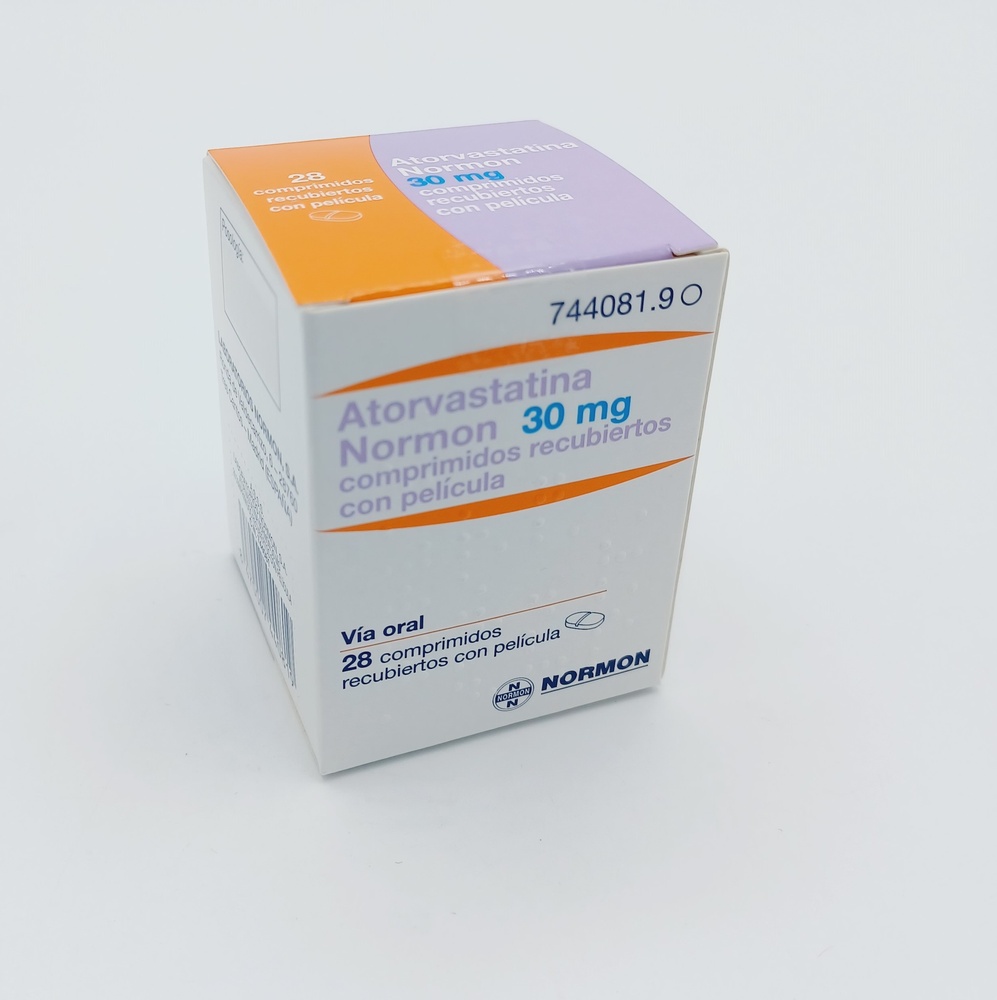
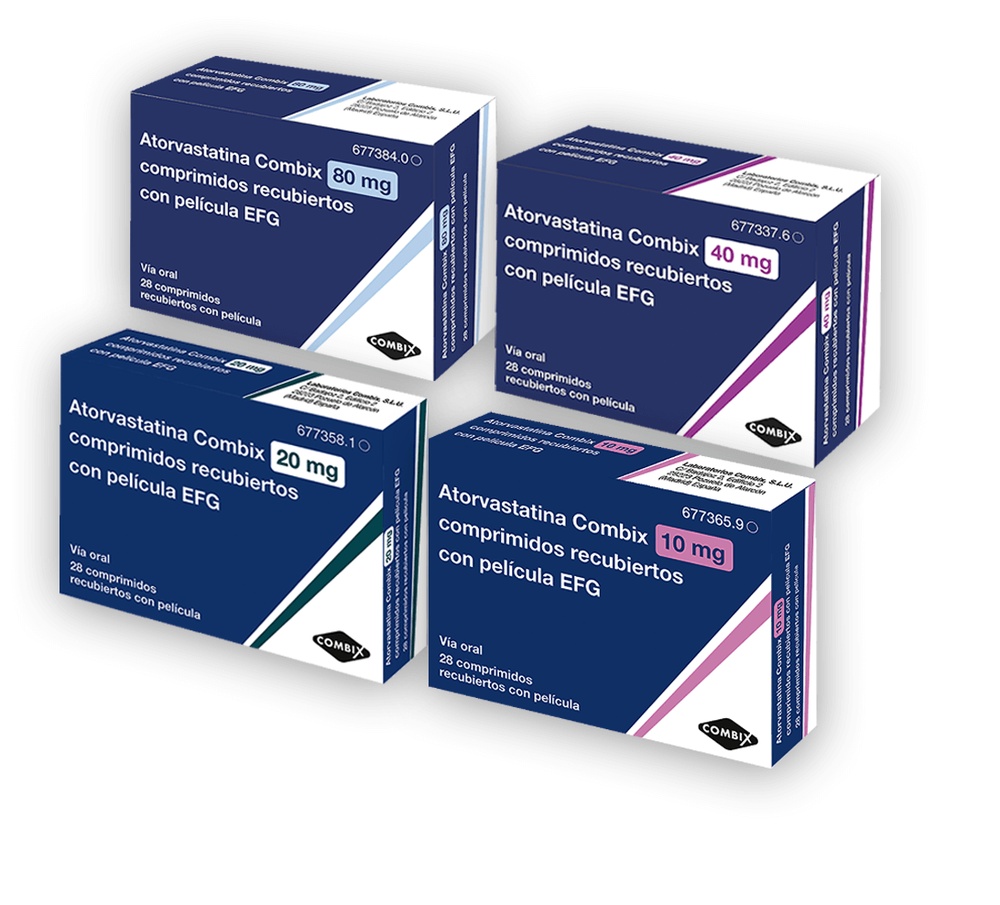
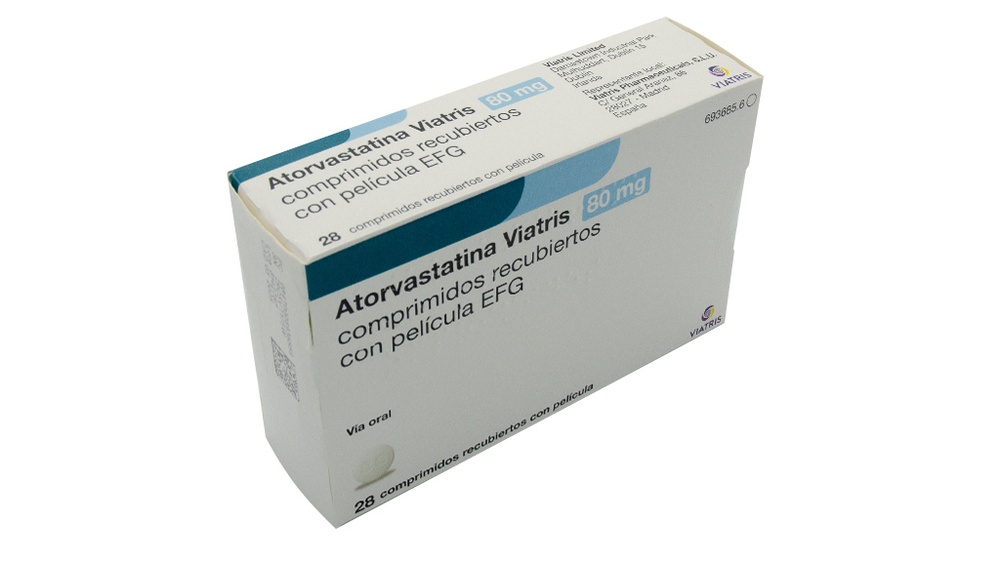
Dosage form: TABLET, 30 mgActive substance: atorvastatinManufacturer: Laboratorios Normon S.A.Prescription requiredDosage form: TABLET, 40 mgActive substance: atorvastatinManufacturer: Laboratorios Combix S.L.U.Prescription requiredDosage form: TABLET, 80 mgActive substance: atorvastatinManufacturer: Viatris LimitedPrescription required
Peripheral arterial disease (PAD) is a common condition where a build-up of fatty deposits in the arteries restricts blood supply to leg muscles. It's also known as peripheral vascular disease (PVD).
Symptoms of peripheral arterial disease
Many people with PAD have no symptoms. However, some develop a painful ache in their legs when they walk, which usually disappears after a few minutes' rest. The medical term for this is "intermittent claudication".
The pain can range from mild to severe, and usually goes away after a few minutes when you rest your legs.
Both legs are often affected at the same time, although the pain may be worse in 1 leg.
Other symptoms of PAD can include:
- hair loss on your legs and feet
- numbness or weakness in the legs
- brittle, slow-growing toenails
- ulcers (open sores) on your feet and legs, which do not heal
- changing skin colour on your legs, such as turning paler than usual or blue – this may be harder to see on brown and black skin
- shiny skin
- in men, erectile dysfunction
- the muscles in your legs shrinking (wasting)
The symptoms of PAD often develop slowly, over time. If your symptoms develop quickly, or get suddenly worse, it could be a sign of a serious problem requiring immediate treatment.
When to see a GP
You should see a GP if you experience recurring leg pain when exercising.
Many people mistakenly think this is just part of growing older, but there's no reason why an otherwise healthy person should experience leg pain.
PAD is usually diagnosed through a physical examination by a GP, and by comparing the blood pressure in your arm and your ankle.
A difference between the 2 may indicate PAD and is called the ankle brachial pressure index (ABPI).
Read about diagnosing PAD.
Causes of peripheral arterial disease
PAD is a form of cardiovascular disease (CVD) because it affects the blood vessels.
It's usually caused by a build-up of fatty deposits in the walls of the leg arteries. The fatty deposits (atheroma) are made up of cholesterol and other waste substances.
The build-up of fatty deposits on the walls of the arteries makes the arteries narrower and restricts blood flow to the legs. This process is called atherosclerosis.
There are certain things that can increase your chances of developing PAD and other forms of CVD, including:
- smoking – the most significant risk factor
- type 1 diabetes and type 2 diabetes
- high blood pressure (hypertension)
- high cholesterol
- growing older
Treating peripheral arterial disease
PAD is largely treated through lifestyle changes and medication.
Exercising regularly and not smoking are the main lifestyle changes that can ease the symptoms of PAD and reduce the chances of it getting worse. It's also important to:
- eat a healthy diet
- lose weight, if you're overweight or obese
- moderate your consumption of alcohol
Read about:
Stopping smoking
Exercise
The underlying causes should also be treated, including high blood pressure, high cholesterol and diabetes. Medicine and, in some cases, surgery can be used to improve the blood flow in your legs.
With treatment, most people's symptoms remain stable and some people may experience an improvement in their pain.
If treatment is unsuccessful, there's a risk of potentially serious complications.
Read about treating PAD.
Complications of peripheral arterial disease
PAD is not immediately life-threatening, but the process of atherosclerosis that causes it can lead to serious and potentially fatal problems.
Coronary heart disease (CHD)
The blockages in the arteries in the legs can also affect other areas of your body, such as the arteries supplying the heart and brain.
This means that having PAD makes you more likely to develop another form of cardiovascular disease (CVD), such as:
Critical limb ischaemia (CLI)
If the blood flow to the legs becomes severely restricted, critical limb ischaemia (CLI) can develop. CLI is an extremely serious complication that can be challenging to treat.
Symptoms of CLI include:
- a severe burning pain in your legs and feet that continues even when you're resting
- your skin turning pale, shiny, smooth and dry
- wounds and ulcers (open sores) on your feet and legs that do not heal
- loss of muscle mass in your legs
- the skin on your toes or lower limbs becoming cold and numb, turning red and then black, and/or beginning to swell and produce smelly pus, causing severe pain (gangrene) – changes in skin colour may be harder to see on brown and black skin
An angioplasty or bypass graft is usually recommended if you have CLI, although these may not always be successful or possible. In a few cases, an amputation below the knee may be required.
Diagnosis Peripheral arterial disease (PAD)
If the GP suspects peripheral arterial disease (PAD), they'll first carry out a physical examination of your legs.
The GP will look for symptoms such as:
- shiny skin
- brittle toenails
- hair loss on your legs and feet
- the pulse in your leg being very weak or undetectable
- leg ulcers
The GP may also ask about your personal and family medical histories.
The ankle brachial pressure index
The ankle brachial pressure index (ABPI) test is widely used to diagnose PAD, as well as assess how well you're responding to treatment.
You may have an ABPI test at your local surgery or you may be referred to your local podiatry service.
Podiatrists are feet specialists, but many have also been trained to carry out an ABPI test.
- while you lie on your back, the blood pressure in your upper arms and ankles will be measured using a cuff and a Doppler probe. A Doppler probe uses sound waves to determine the blood flow in your arteries
- after your scan, your blood pressure's second results (from your ankles) will be divided by the first results (from your arms)
If your circulation is healthy, the blood pressure in both parts of your body should be exactly or almost the same. This would make the result of your ABPI 1.
However, if you have PAD, the blood pressure in your ankle will be lower because of a reduction in blood supply. This would make the result of the ABPI less than 1.
In some cases, ABPI may be carried out after you run on a treadmill or cycle on an exercise bike. This is to see the effect of physical activity on your circulation.
This is usually carried out in hospital.

Further testing
In most cases, the GP will be able to confirm a diagnosis of PAD by doing a physical examination, asking about your symptoms and checking your ABPI score.
Further testing is usually only required if:
- there's uncertainty about the diagnosis. For example, if you have leg pain but your ABPI score is normal
- you do not fit the expected profile of somebody with PAD – for example, you are younger than 60 and have never smoked
- the restriction of blood supply in your leg is severe enough that treatment, such as surgery, may be required
Additional hospital-based tests that may be carried out include:
- an ultrasound scan – where sound waves are used to build up a picture of arteries in your leg. This can identify where in your arteries there are blockages or narrowed areas
- an angiogram – where a liquid called a contrast agent is injected into a vein in your arm. The agent shows up clearly on a CT scan or MRI scan and produces a detailed image of your arteries
Treatment Peripheral arterial disease (PAD)
There's no cure for peripheral arterial disease (PAD), but lifestyle changes and medicine can help reduce the symptoms.
These treatments can also help reduce your risk of developing other types of cardiovascular disease (CVD), such as:
Treatment is very important, because having PAD is a sign that your blood vessels are unhealthy.
Surgery may be used in severe cases or when initial treatment has not effectively reduced your symptoms.
Lifestyle changes
The 2 most important lifestyle changes that you can make if you're diagnosed with PAD are exercising more regularly and stopping smoking, if you smoke.
Exercise
Evidence suggests that regular exercise helps to reduce the severity and frequency of PAD symptoms, while also reducing the risk of developing another CVD. Exercise can also boost your self-esteem, mood, sleep quality and energy.
The exercise programme usually involves 2 hours of supervised exercise a week for 3 months. Aim to exercise daily for the rest of your life, as the benefits of exercise are quickly lost if it's not frequent and regular.
One of the best exercises you can do is walking. It's normally recommended that you walk as far and as long as you can before the symptoms of pain become intolerable. Then rest until the pain goes. Begin walking again until the pain returns. Keep using this "stop-start" method until you've spent at least 30 minutes walking in total. Do this several times a week.
The exercise course is challenging, as the frequent episodes of pain can be upsetting. However, it should improve your symptoms.
Read about:
Benefits of exercise
Walking for health
Stop smoking
Stopping smoking will reduce your risk of PAD getting worse and another serious CVD developing. Research has found that people who smoke after receiving their diagnosis are much more likely to have a heart attack and die from a complication of heart disease than people who quit after their diagnosis.
Read more about stopping smoking.
Other lifestyle changes
As well as exercising and stopping smoking, there are a number of other lifestyle changes you can make to reduce your risk of developing other forms of CVD.
These include:
- eating a balanced diet
- managing your weight
- cutting down on alcohol
Mental wellbeing
PAD can cause severe pain and disrupt your life. If you're dealing with depression or anxiety it's important to access support to look after your mental wellbeing.
Read about:
Diabetes
Having poorly controlled diabetes can also make your PAD symptoms worse and raise your chances of developing other forms of CVD.
It's important to manage your diabetes properly, which may involve lifestyle changes. These can include having a healthy, balanced diet and taking medicines to lower your blood sugar level.
Read about things to help if you're newly diagnosed with type 1 diabetes and understanding medicine for type 2 diabetes.
Medicines
Different medicines can be used to treat the underlying causes of PAD, while also reducing your risk of developing another CVD.
Some people may only need to take 1 or 2 of these medicines, while others may need to take several.
Statins
If blood tests show that your levels of LDL cholesterol ("bad cholesterol") are high, you'll be prescribed a type of medication called a statin.
Statins work by helping to reduce the production of LDL cholesterol by your liver.
Many people who take statins experience no or very few side effects, although others experience some side effects, such as:
- indigestion
- headaches
- feeling sick (nausea)
- muscle aches
Antihypertensives
Antihypertensives are a group of medications used to treat high blood pressure (hypertension).
Read more about diagnosing high blood pressure.
A common type of antihypertensive is an angiotensin-converting enzyme (ACE) inhibitor, which blocks the actions of some hormones that help regulate blood pressure. This will decrease your blood pressure.
Side effects of ACE inhibitors include:
Most of these side effects pass in a few days, although some people find they have a dry cough for longer.
If your side effects become severe, a similar medicine called an angiotensin receptor blocker (ARB) may be recommended.
Medicines to prevent blood clots
One of the biggest potential dangers if you have atherosclerosis is a piece of fatty deposit (plaque) breaking off from your artery wall. This can cause a blood clot to develop at the site of the broken plaque.
If a blood clot develops inside an artery that supplies the heart with blood (a coronary artery), it can trigger a heart attack. Similarly, if a blood clot develops inside any of the blood vessels going to the brain, it can trigger a stroke.
If you have PAD, you'll probably be prescribed a medicine to reduce your risk of blood clots. This medicine works by stopping platelets (a type of blood cell) from sticking together so your blood is less likely to clot.
Medicines you may be prescribed if you have PAD include:
- low-dose aspirin
- clopidogrel
- rivaroxaban
Naftidrofuryl oxalate
You may be offered naftidrofuryl oxalate if you have leg pain triggered by exercise (intermittent claudication).
This medicine may improve blood flow in the body, and is very occasionally used if you prefer not to have surgery. It may also be used if your supervised exercise programme has not led to a satisfactory improvement in your condition.
Side effects of naftidrofuryl oxalate can include:
- feeling sick
- abdominal pain
- diarrhoea
- rashes
You'll normally be advised to take naftidrofuryl oxalate for around 3 to 6 months, to see if it improves your symptoms. If the treatment is not effective after this time, it will be stopped.
Surgery and procedures
In a few cases, a procedure to restore the flow of blood through the arteries in your legs may be recommended. This is known as revascularisation.
Revascularisation may be recommended if your leg pain is so severe it prevents you from carrying out everyday activities, or if your symptoms have failed to respond to the treatments mentioned.
There are 2 main types of revascularisation treatment for PAD:
- angioplasty – where a blocked or narrowed section of artery is widened by inflating a tiny balloon inside the vessel
- artery bypass graft – where blood vessels are taken from another part of your body and used to bypass the blockage in an artery
Which procedure is best?
You may not always be able to choose between having an angioplasty or a bypass graft. If you are, it's important to be aware of the advantages and disadvantages of each.
An angioplasty is less invasive than a bypass. It does not involve making major cuts (incisions) in your body and is usually performed under local anaesthetic as a day procedure. This means you'll be able to go home the same day you have the operation, and you may recover more quickly.
For this reason, angioplasty is generally preferred to bypass surgery, unless angioplasty is not suitable or has failed previously.
However, the results of a bypass are generally considered to be longer-lasting than those of an angioplasty. This means the procedure may need to be repeated less often than an angioplasty.
Both angioplasty and bypass surgery carry a small risk of serious complications, such as a heart attack, stroke and even death. While there are not many studies comparing bypass surgery and angioplasty for PAD, there's some evidence to suggest that the risk of serious complications is similar in both.
Before recommending treatment, a team of specialist surgeons, doctors and nurses will discuss options with you. This will include the potential risks and benefits.
Online doctors for Peripheral arterial disease (PAD)
Discuss your symptoms and possible next steps for Peripheral arterial disease (PAD) with a doctor online.