Thrush in men and women
Thrush is a common yeast infection that affects men and women. It's usually harmless but it can be uncomfortable and keep coming back. It is not classed as a sexually transmitted infection (STI).




-
On this page
Symptoms of thrushThrush symptoms in womenThrush symptoms in menThrush in other areasSee a GP if:What happens at your appointmentThrush treatmentRecurring thrushThings you can do yourself to ease discomfort and prevent thrush returningDoDon’tImportantA pharmacist can help with thrushWhat causes thrush -
Medicines commonly prescribed for Thrush in men and women
For informational purposes only. Always consult a doctor before using any medicine.
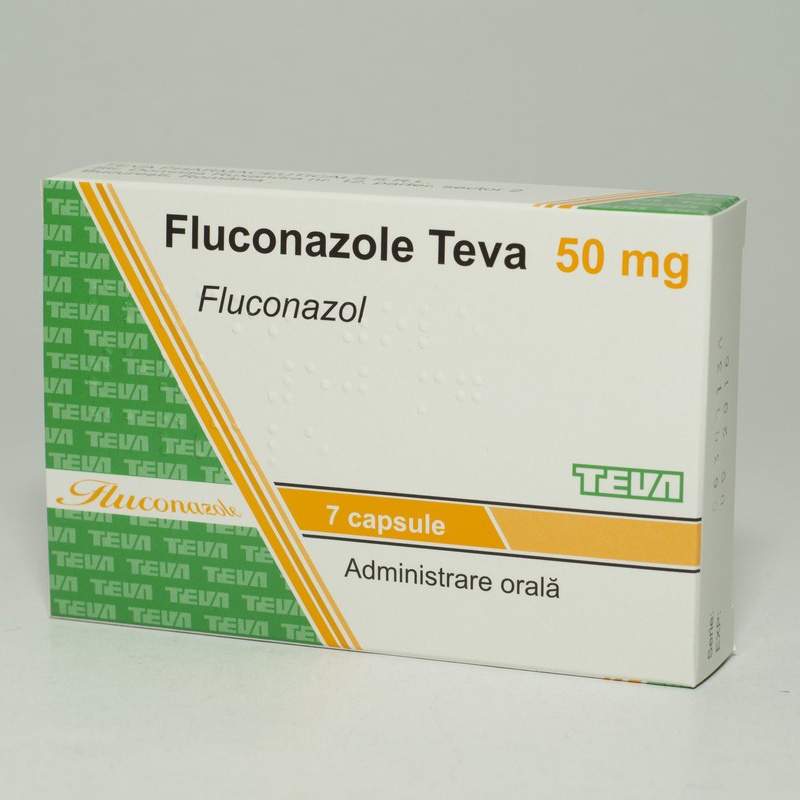
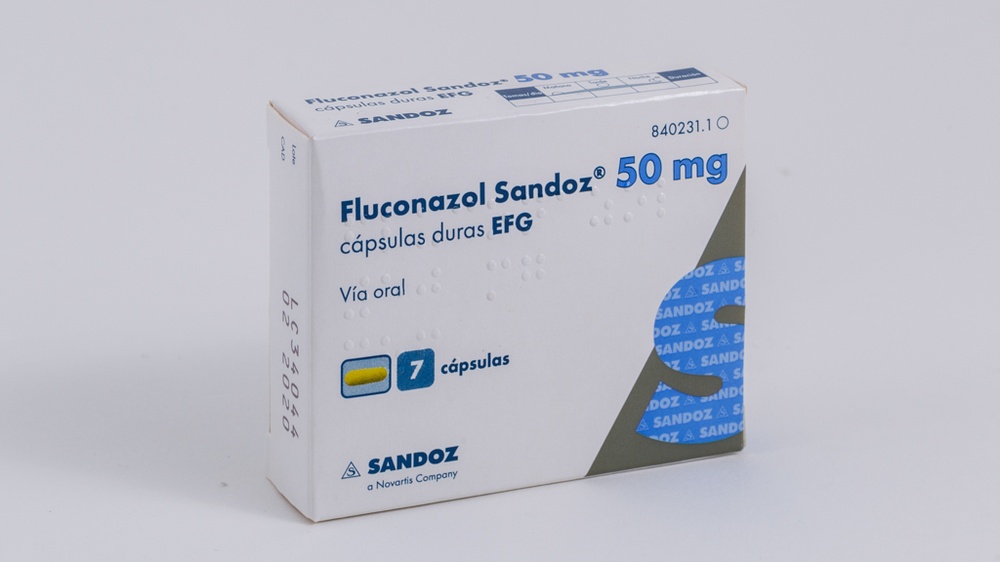
Dosage form: CAPSULE, 50 mg fluconazoleActive substance: fluconazoleManufacturer: Teva Pharma S.L.U.Prescription requiredDosage form: CAPSULE, 100 mgActive substance: fluconazoleManufacturer: Aurovitas Spain, S.A.U.Prescription requiredDosage form: CAPSULE, 50 mg fluconazoleActive substance: fluconazoleManufacturer: Sandoz Farmaceutica S.A.Prescription required

Thrush is a common yeast infection that affects men and women. It's usually harmless but it can be uncomfortable and keep coming back. It is not classed as a sexually transmitted infection (STI).
Symptoms of thrush
Thrush symptoms in women
Symptoms of thrush in women include:
- white vaginal discharge (often like cottage cheese), which does not usually smell
- itching and irritation around the vulva and vagina
- soreness and stinging during sex or when you pee
Thrush symptoms in men
Symptoms of thrush in men include:
- irritation, burning and redness around the head of the penis and under the foreskin
- a white discharge (like cottage cheese)
- an unpleasant smell
- difficulty pulling back the foreskin
Thrush in other areas
Thrush can affect other areas of skin, such as the armpits, groin and between the fingers.
This usually causes a red, itchy or painful rash that scales over with white or yellow discharge. The rash may not be so obvious on darker skin.
Sometimes thrush causes no symptoms at all.
See what thrush looks like on the vagina, penis and skin
See a GP if:
- you have symptoms of thrush for the first time
- you have thrush and are under 16 or over 60
- thrush keeps coming back (more than 4 times in 12 months)
- treatment for thrush has not worked
- you have thrush and are pregnant or breastfeeding
- you have thrush and a weakened immune system – for example, because of diabetes, HIV or chemotherapy
You may also be able to get help from a sexual health clinic if you think you have thrush.
What happens at your appointment
The GP will want to confirm it's thrush and rule out other infections.
You'll be asked about your symptoms.
If it's not clear it's thrush or if you have thrush that keeps coming back:
- a doctor or nurse may look at your vagina, penis or skin
- a cotton bud may be wiped over the discharge to check what's causing your symptoms and to test for other infections
Thrush treatment
You'll usually need antifungal medicine to get rid of thrush. This can be a tablet you take, a tablet you insert into your vagina (pessary) or a cream to relieve the irritation.
Thrush should clear up within 7 to 14 days of starting treatment.
You do not need to treat partners unless they have symptoms.

Recurring thrush
You might need to take treatment for longer (up to 6 months) if you keep getting thrush (you get it more than 4 times in 12 months).
Before you begin treatment, a GP can help identify if something is causing your thrush, such as your period or sex.
They'll recommend how often you should use treatment.
Things you can do yourself to ease discomfort and prevent thrush returning
There are things you can do to ease thrush and stop it coming back.
Do
-
use water and an emollient (like E45 cream) instead of soap to wash the affected area
-
dry properly after washing
-
wear cotton underwear
-
avoid sex until thrush has cleared up if sex is uncomfortable
Don’t
-
do not use soaps or shower gels
-
do not use douches or deodorants on your vagina or penis
-
do not wear tight underwear or tights
Important
If you have sex during treatment, be aware that antifungal creams can damage condoms and diaphragms. This means your contraception might not work.
A pharmacist can help with thrush
You can buy antifungal medicine from pharmacies if you've had thrush diagnosed in the past and you know the symptoms.
A pharmacist can recommend the best treatment for you. Ask if they have a private area to talk if you're embarrassed.
You should not use antifungal medicine more than twice in 6 months without speaking to a pharmacist or doctor.
What causes thrush
Thrush is not classed as a sexually transmitted infection (STI), but it can be triggered by sex or, less often, passed on during sex.
Thrush is caused by a fungus called candida that is normally harmless.
Thrush tends to grow in warm, moist conditions and develops if the balance of bacteria changes.
This can happen if:
- your skin is irritated or damaged
- you're taking antibiotics
- you have poorly controlled diabetes
- you have a weakened immune system (for example, because of HIV or chemotherapy)
- you're having hormone replacement therapy (HRT)
- you're pregnant
Online doctors for Thrush in men and women
Discuss your symptoms and possible next steps for Thrush in men and women with a doctor online.