Bg pattern

Food allergy

A food allergy is where your body reacts to certain foods. It's often mild, but can be very serious for some people.

Prescription review online

Prescription review online

A doctor will review your case and issue a prescription if medically appropriate.

Talk to a doctor online

Talk to a doctor online

Discuss your symptoms and possible next steps with a doctor online.

0.0 (0)
Doctor

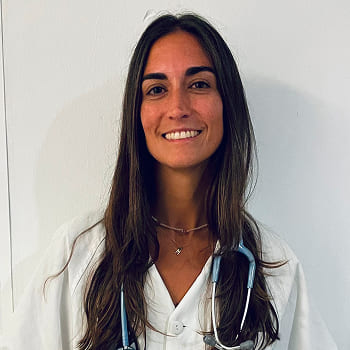
Marta Reguero Capilla

Allergology 8 years exp.

Dr Marta Reguero Capilla is an allergist and immunologist who works with both adults and children. She specialises in the diagnosis, treatment, and ongoing management of allergic and immune-related conditions through online consultations. In her practice, Dr Reguero Capilla helps patients understand the causes of their symptoms, review test results, and choose appropriate treatment or monitoring strategies. Her consultations are suitable both for first-time assessments and for follow-up care over time. Patients commonly consult Dr Marta Reguero Capilla for: 

  • allergic rhinitis, seasonal allergies, and perennial allergy symptoms;
  • allergic conditions in adults and children;
  • bronchial asthma and allergy-related respiratory symptoms;
  • urticaria (acute and chronic) and angioedema;
  • food allergies and reactions to foods, additives, or medications;
  • atopic dermatitis, allergic rashes, and persistent itching;
  • unexplained or recurrent allergic reactions;
  • interpretation of laboratory tests, allergy testing, and immunology results;
  • immune system concerns, frequent infections, and reduced immune response;
  • ongoing medical follow-up and treatment adjustment.

Dr Reguero Capilla works in a structured and attentive manner, explaining medical decisions clearly and helping patients make informed choices about their own health or their child’s care. When clinically appropriate, she may provide recommendations for further tests or referrals that patients can use within Spanish medical networks, including Sanitas and DKV, in accordance with the terms and conditions of those services.

Camera Book a video appointment
€66
This page provides general information and does not replace a doctor’s consultation. If symptoms are severe, persistent or worsening, seek medical advice promptly.

A food allergy is where your body reacts to certain foods. It's often mild, but can be very serious for some people.

Symptoms of a food allergy

Symptoms of a food allergy can affect any part of the body, including different parts of the body at the same time.

Common symptoms of a food allergy include:

  • feeling dizzy or lightheaded
  • itchy skin or a raised rash (hives)
  • swelling of the lips, face and eyes (angioedema)
  • coughing, wheezing, breathlessness, noisy breathing or a hoarse voice
  • sneezing or an itchy, runny or blocked nose
  • feeling sick or being sick
  • tummy pain
  • diarrhoea

You may get symptoms straight after eating the food you're allergic to, or days later.

A food allergy is different from having a food intolerance, which causes symptoms such as bloating and tummy pain, usually a few hours after eating the food you're intolerant to.

Call 112 if:

  • your lips, mouth, throat or tongue suddenly become swollen
  • you're breathing very fast or struggling to breathe (you may become very wheezy or feel like you're choking or gasping for air)
  • your throat feels tight or you're struggling to swallow
  • your skin, tongue or lips turn blue, grey or pale (if you have black or brown skin, this may be easier to see on the palms of your hands or soles of your feet)
  • you suddenly become very confused, drowsy or dizzy
  • someone faints and cannot be woken up
  • a child is limp, floppy or not responding like they normally do (their head may fall to the side, backwards or forwards, or they may find it difficult to lift their head or focus on your face)

You or the person who's unwell may also have a rash that's swollen, raised or itchy.

These can be signs of a serious allergic reaction and may need immediate treatment in hospital.

If you have an adrenaline auto-injector

If you or someone you're with is having a serious allergic reaction and has an adrenaline auto-injector (such as an EpiPen), you should use it immediately.

Instructions are included on the side of the injector if you forget how to use it or someone else needs to give you the injection.

Call 112 for an ambulance after using the injector, even if you or the person you're with seems to be feeling better.

See a GP if:

  • you think you or your child may have a food allergy

Causes of food allergy

A food allergy is caused by your immune system overreacting to certain types of food.

It's not clear why this happens, but certain foods are more likely to cause an allergic reaction in some people.

The most common allergic foods include:

  • cows' milk
  • eggs
  • peanuts, soybeans, peas and chickpeas
  • tree nuts, such as walnuts, almonds, hazelnuts, pecans, cashews, pistachios and Brazil nuts
  • shellfish, such as prawns, crab and lobster
  • wheat

But you can be allergic to any type of food, including celery, mustard, sesame seeds and lupin flour found in some baked goods.

You have a slightly higher chance of getting a food allergy if you or a close family member have other allergies, asthma or eczema.

Consult with a doctor about Food allergy

Consult with a doctor about Food allergy

Discuss your symptoms and possible next steps with a doctor online.

Oral allergy syndrome

Some people get an itchy mouth and throat after eating raw fruit or vegetables. This is called oral allergy syndrome.

It's not usually serious and eating fruit and vegetables that have been well cooked helps.

Tests for food allergy

You may be referred to a specialist for tests if a GP thinks you have a food allergy.

Tests you may have include:

  • a skin-prick test (where a drop of liquid containing a food you may be allergic to is put on your skin to see if it reacts)
  • blood tests
  • a special diet where you avoid eating the food you might be allergic to, to see if your symptoms get better

You may also be asked to keep a food and symptoms diary to help work out what may be triggering your symptoms.

Treatments for a food allergy

If you have a food allergy, you will not be able to eat the food you're allergic to, including foods where you're allergic to any of the ingredients.

You'll be given medicines to help manage your symptoms or use in case of an emergency.

These include:

  • antihistamines for mild allergic reactions
  • emergency medicines called adrenaline auto-injectors, such as an EpiPen, for severe allergic reactions

Your specialist will give you an allergy management plan that will explain how to manage your allergy.

Children with a peanut allergy may have immunotherapy to help their bodies become less sensitive to peanuts, but they should still avoid eating peanuts.

Things you can do if you have a food allergy

There are steps you can take to help manage your food allergy.

Do

  • check food labels and restaurant menus carefully to make sure they do not contain the food you're allergic to

  • tell friends, family, nursery, school and work about your allergy

  • carry 2 adrenaline auto-injectors with you at all times, if you need them

  • tell staff at restaurants and cafés about your allergy

  • tell airlines and cabin staff about your allergy before you fly

  • wipe down surfaces in public before eating

Don’t

  • do not eat foods without checking what ingredients are in them first

  • do not cut foods out of your diet without speaking to a GP

Online doctors for Food allergy

Discuss your symptoms and possible next steps for Food allergy with a doctor online.

5.0 (2)
Doctor

Alexander Nazarchuk

Allergology 7 years exp.

Dr. Alexander Nazarchuk is a physician specialising in allergology and internal medicine. He provides online consultations for adults, following the principles of evidence-based medicine — no outdated treatments or unnecessary tests, with clear explanations and a personalised approach. He helps patients with a wide range of allergic and therapeutic conditions, from common day-to-day complaints to complex cases involving allergies, gastrointestinal issues, cardiovascular concerns, respiratory symptoms, and more.

You can consult Dr. Nazarchuk for:

  • Test interpretation and guidance on diagnostic plans.
  • Allergic rhinitis, hay fever, bronchial asthma (including severe cases).
  • Food and drug allergies, skin rashes, angioedema.
  • Atopic dermatitis, urticaria, contact allergies.
  • Allergen-specific immunotherapy (AIT) – initiation and ongoing management.
  • Abdominal pain, bloating, changes in bowel habits, nausea, heartburn.
  • High blood pressure and adjustment of baseline antihypertensive therapy.
  • Hyperlipidaemia and elevated cholesterol.
  • Cough, nasal congestion, fever, sore throat.
  • Anaemia, including iron deficiency and related conditions.
  • Other issues related to allergology and internal medicine.

During consultations, Dr. Nazarchuk takes a thorough, structured approach — analysing symptoms, identifying potential causes, and helping patients make informed decisions. Whether treatment, further investigation, or monitoring is needed, he explains each step clearly so you understand your health and how best to manage it.

Camera Book a video appointment
€66
5.0 (5)
Doctor

Tomasz Grzelewski

Dermatology 21 years exp.

Dr Tomasz Grzelewski is an MD, PhD specialist in allergy, paediatrics, general practice and sports medicine, with a clinical focus on dermatology, endocrinology, allergology and sports-related health. He has more than 20 years of clinical experience and completed his medical training at the Medical University of Łódź, where he defended his PhD thesis with distinction. His doctoral research was recognised by the Polish Society of Allergology for its innovative contribution to the field. Throughout his career, he has gained extensive expertise in diagnosing and managing a wide range of allergic and paediatric conditions, including modern allergen desensitisation techniques. For five years, Dr Grzelewski served as the Head of two paediatric departments in Poland, managing complex clinical cases and leading multidisciplinary teams. He also worked in medical centres in the United Kingdom, gaining experience across both primary care and specialist environments. With over a decade of telemedicine experience, he has provided online consultations across Europe and is valued for his clear, structured and evidence-based medical guidance. Dr Grzelewski is actively involved in clinical programmes focused on modern anti-allergic therapies. As a Principal Investigator, he leads research projects on sublingual and oral allergen desensitisation, supporting evidence-based progress in allergy treatment for both children and adults. In addition to his background in allergology and paediatrics, he completed dermatology studies through the Cambridge Education Group (Royal College of Physicians of Ireland) and a Clinical Endocrinology course at Harvard Medical School. This advanced training enhances his ability to manage skin manifestations of allergies, atopic conditions, urticaria, endocrine-related symptoms and complex immunological reactions. Patients commonly seek his care for: 

  • seasonal and perennial allergies
  • allergic rhinitis and chronic nasal symptoms
  • asthma and breathing difficulties
  • food and medication allergies
  • urticaria, atopic dermatitis and skin reactions
  • recurrent infections in children
  • sports-related health questions
  • general family medicine concerns

Dr Tomasz Grzelewski is known for his clear communication style, structured medical approach and ability to explain treatment options in a concise and accessible way. His multidisciplinary background across allergy, paediatrics, dermatology and endocrinology allows him to provide safe, up-to-date and comprehensive care for patients of all ages.

Camera Book a video appointment
€86
0.0 (0)
Doctor

Marta Reguero Capilla

Allergology 8 years exp.

Dr Marta Reguero Capilla is an allergist and immunologist who works with both adults and children. She specialises in the diagnosis, treatment, and ongoing management of allergic and immune-related conditions through online consultations. In her practice, Dr Reguero Capilla helps patients understand the causes of their symptoms, review test results, and choose appropriate treatment or monitoring strategies. Her consultations are suitable both for first-time assessments and for follow-up care over time. Patients commonly consult Dr Marta Reguero Capilla for: 

  • allergic rhinitis, seasonal allergies, and perennial allergy symptoms;
  • allergic conditions in adults and children;
  • bronchial asthma and allergy-related respiratory symptoms;
  • urticaria (acute and chronic) and angioedema;
  • food allergies and reactions to foods, additives, or medications;
  • atopic dermatitis, allergic rashes, and persistent itching;
  • unexplained or recurrent allergic reactions;
  • interpretation of laboratory tests, allergy testing, and immunology results;
  • immune system concerns, frequent infections, and reduced immune response;
  • ongoing medical follow-up and treatment adjustment.

Dr Reguero Capilla works in a structured and attentive manner, explaining medical decisions clearly and helping patients make informed choices about their own health or their child’s care. When clinically appropriate, she may provide recommendations for further tests or referrals that patients can use within Spanish medical networks, including Sanitas and DKV, in accordance with the terms and conditions of those services.

Camera Book a video appointment
€66
bg-pattern-dark

Stay informed about Oladoctor

News about new services, product updates and useful information for patients.

Follow us on social media