


Linezolid Farmaprojects solución para perfusión efg

Запит на рецепт онлайн
Лікар проаналізує вашу ситуацію та визначить, чи є призначення рецепта клінічно доцільним.

Поговоріть з лікарем про ці ліки
Обговоріть свої скарги та можливий план дій під час короткого онлайн-прийому.



Інструкція із застосування Linezolid farmaprojects 2mg/ml solucion para perfusion efg
Зміст інструкції
- Introduction
- What is Linezolid Farmaprojects and what is it used for
- What you need to know before starting to use Linezolid Farmaprojects
- How to Use Linezolid Farmaprojects
- Possible Adverse Effects
- Conservation of Linezolid Farmaprojects
- Contents of the packaging and additional information
Introduction
Label: Information for the User
Linezolid FarmaprojectsFarmaprojects 2 mg/ml solution for infusion EFG
Read this label carefully before you start using this medicine, because it contains important information for you.
-Keep this label, as you may need to read it again.
-If you have any questions, consult your doctor or nurse.
-If you experience any side effects, consult your doctor or nurse, even if they are not listed in this label. See section 4.
1. What is Linezolid Farmaprojects and what is it used for
Linezolid is an antibiotic from the oxazolidinones group that acts by preventing the growth of certain bacteria (germs) that cause infections.
Antibiotics are used to treat bacterial infections and do not work for viral infections such as the flu or a cold.
It is essential to follow the instructions regarding the dose, administration interval, and treatment duration indicated by your doctor.
Do not store or reuse this medication. If you have leftover antibiotics after treatment, return them to the pharmacy for proper disposal. Do not dispose of medications through the drain or in the trash.
It is used in adults for the treatment of pneumonia and some skin or subcutaneous tissue infections. Your doctor will have decided if this medication is suitable for treating your infection.

Не впевнені, чи підходить вам цей препарат?
Обговоріть скарги та можливі варіанти терапії з лікарем у дистанційному форматі.
2. What you need to know before starting to use Linezolid Farmaprojects
No use Linezolid Farmaprojects
• If you are allergic to linezolid or any of the other ingredients in this medicine (listed in section 6).
• If you are taking or have taken in the last 2 weeks any medicine called monoamine oxidase inhibitors (MAOIs such as, for example, phenelzine, isocarboxazid, selegiline, moclobemide). These medicines are usually used to treat depression or Parkinson's disease.
• If you are breastfeeding. This medicine passes into the milk and could affect the baby.
Warnings and precautions
Consult your doctor, pharmacist or nurse before starting to use Linezolid Farmaprojects.
Linezolid may not be suitable for you if you answer yes to any of the following questions. In that case, inform your doctor, as you will need to check your general health and blood pressure before and during treatment or they may decide that another treatment is better for you.
Ask your doctor if you are unsure if any of these categories apply to your case.
• If you have high blood pressure, whether or not you are taking medicines to treat it.
• If you have been diagnosed with hyperthyroidism.
• If you have a tumor of the adrenal glands (pheochromocytoma) or carcinoid syndrome (caused by tumors in the hormonal system that present with symptoms of diarrhea, skin flushing, wheezing).
• If you have manic depression, schizophrenia, mental confusion or other mental health problems.
• If you are taking any opioids.
• If you have a history of hyponatremia (low sodium levels in the blood) or are taking medicines that lower sodium levels in the blood, e.g., some diuretics, such as hydrochlorothiazide.
The use of certain medicines, including antidepressants and opioids, together with linezolid may cause a serotonin syndrome, a potentially fatal disease (see "Other medicines and Linezolid Farmaprojects").
Be especially careful with Linezolid Farmaprojects
Inform your doctor before starting to use this medicine if:
• You have bruises and bleed easily.
• You have anemia (low red blood cell count).
• You are prone to infections.
• You have a history of seizures.
• You have liver or kidney problems, especially if you are on dialysis.
• You have diarrhea.
Inform your doctor immediately if during treatment you experience:
• Visual problems such as blurred vision, changes in color vision, difficulty seeing clearly, or if you notice that your field of vision is reduced.
• Numbness or tingling in your arms or legs.
• Diarrhea while taking or after taking antibiotics, including linezolid. If diarrhea becomes severe, lasts a long time, or if you notice that your stools contain blood or mucus, stop using linezolid immediately and consult your doctor. In this situation, do not take medicines that stop or slow down bowel movements.
• Repeated nausea or vomiting, abdominal pain, or rapid breathing.
• Dizziness and discomfort with muscle weakness, headache, confusion, and memory deterioration, which may indicate hyponatremia (low sodium levels in the blood).
Other medicines and Linezolid Farmaprojects
Inform your doctor if you are taking, have taken recently, or may need to take any other medicine.
In some cases, linezolid may interact with certain medicines and produce adverse effects such as changes in blood pressure, body temperature, or heart rate.
Inform your doctor if you are taking or have taken in the last 2 weeksthe following medicines, as you should not use linezolid if you are still taking them or if you have taken them recently (see also section 2 above "Do not use Linezolid Farmaprojects").
• Monoamine oxidase inhibitors (MAOIs, such as, for example, phenelzine, isocarboxazid, selegiline, moclobemide). These medicines are usually used to treat Parkinson's disease.
Inform your doctor also if you are taking the following medicines. Your doctor may decide to treat you with linezolid, but they will need to assess your general health and blood pressure before and during treatment. In other cases, your doctor may decide that another treatment is better for you.
• Decongestants or cold medicines that contain pseudoephedrine or phenylpropanolamine.
• Some medicines used to treat asthma, such as salbutamol, terbutaline, fenoterol.
• Some antidepressants called tricyclics or SSRIs (selective serotonin reuptake inhibitors). There are many types of these medicines, including amitriptyline, citalopram, clomipramine, dosulepin, doxepin, fluoxetine, fluvoxamine, imipramine, lofepramine, paroxetine, sertraline.
• Medicines used to treat migraines, such as sumatriptan or zolmitriptan.
• Medicines used to treat severe allergic reactions, such as adrenaline (epinephrine).
• Medicines that increase blood pressure, such as noradrenaline (norepinephrine), dopamine, and dobutamine.
• Opioids (such as pethidine) used to treat moderate or severe pain.
• Medicines used to treat anxiety disorders, such as buspirone.
• Medicines that prevent blood clotting, such as warfarin.
• An antibiotic called rifampicin.
Use of Linezolid Farmaprojects with food, drinks, and alcohol
• You can take this medicine before, during, or after meals.
• Avoid eating large amounts of strong cheese, yeast extracts, or soybean extracts (e.g., soy sauce) and alcoholic beverages, especially barrel beer and wine. The reason is that this medicine may react with a substance called tyramine that is naturally present in some foods. This interaction may cause an increase in your blood pressure.
• If you start with a headache after eating or drinking, inform your doctor or pharmacist immediately.
Pregnancy, breastfeeding, and fertility
The effect of linezolid on pregnant women is unknown. Therefore, pregnant women should not use this medicine unless their doctor advises them to.If you are pregnant or breastfeeding, think you may be pregnant, or plan to become pregnant, consult your doctor before using this medicine.
You should not breastfeed while using linezolid because this medicine passes into the milk and could affect your baby.
Driving and operating machines
Linezolid may cause dizziness or vision problems. If this happens, do not drive or operate machines. Remember that if you do not feel well, you may be affected in your ability to drive or operate machines.
Linezolid Farmaprojects contains glucose
This medicine contains 13.702 g of glucose in each 300 ml bag, which should be taken into account in patients with diabetes mellitus.
Linezolid Farmaprojects contains sodium
This medicine contains 182 mg of sodium (main component of table salt/for cooking) in each 300 ml bag. This is equivalent to 9.15% of the maximum daily sodium intake recommended for an adult.
Inform your doctor or nurse if you are following a low-sodium diet.
3. How to Use Linezolid Farmaprojects
Adults
Follow exactly the administration instructions for this medication as indicated by your doctor or pharmacist. If in doubt, consult your doctor or pharmacist again.
This medication will be administered to you by a doctor or other healthcare professional through an infusion (intravenous administration within a vein). The normal dose for adults (18 years or older) is 300 ml (600 mg of linezolid) twice a day administered directly into the bloodstream (intravenously) through an infusion over a period of 30 to 120 minutes.
If you are on dialysis, this medication will be administered after each session.
The normal duration of treatment is 10-14 days, but it may be extended up to 28 days. The safety and efficacy of this medication have not been established in treatment periods exceeding 28 days. Your doctor will decide the duration of your treatment.
While using linezolid, your doctor will perform periodic blood tests to monitor your blood count.
If you use linezolid for more than 28 days, your doctor will need to monitor your vision.
Use in children and adolescents
Linezolid is not normally used in children or adolescents (under 18 years).
Using more Linezolid Farmaprojects than you should
If you think you may have been given more linezolid than you should, inform your doctor or nurse.
In case of overdose or accidental ingestion, consult your doctor or pharmacist or call the Toxicological Information Service, phone 91 562 04 20, indicating the medication and the amount administered.
Missing a dose of Linezolid Farmaprojects
As this medication is administered under close supervision, it is very unlikely that a dose will be missed. If you think you have forgotten to administer a dose of the treatment, inform your doctor or nurse.Do not use a double dose to compensate for missed doses.

Виникли запитання під час прийому ліків?
Розкажіть лікарю про свої скарги та поточне лікування під час онлайн-прийому.
4. Possible Adverse Effects
Like all medicines, this medicine can cause side effects, although not everyone will experience them.
Inform your doctor, nurse or pharmacist immediatelyif you notice any of the following side effects while taking linezolid:
The most serious side effects of linezolid (frequency in parentheses) are:
•Severe skin changes (rare), swelling, particularly around the face and neck (rare), shortness of breath or difficulty breathing (rare). This may be a sign of an allergic reaction and may require discontinuation of linezolid treatment. Skin reactions such as purple raised rash due to inflammation of blood vessels (rare), red, painful and scaly skin (dermatitis) (rare), skin rash (frequent), itching (frequent).
•Visual problems(rare), such as blurred vision(rare), changes in color perception(unknown), difficulty seeing clearly(unknown), or if you notice that your field of vision is reduced(rare).
•Severe diarrhea that contains blood and/or mucus (antibiotic-associated colitis, including pseudomembranous colitis), which in very rare cases could lead to complications that may put your life at risk(rare).
•Repeated nausea or vomiting, abdominal pain orrapid breathing (rare).
•Seizures or convulsions(rare)have been reported in patients taking this medicine.
•Serotonin syndrome (unknown).You should inform your doctor if you experience agitation, confusion, delirium, stiffness, tremors, clumsiness, seizures,rapid heartbeats, severe respiratory problems, and diarrhea (suggestive of serotonin syndrome)while also taking antidepressant medications called ISRSsor opioids(see section 2).
•Unexplained bleeding orhematomas, which may be due to a change in the number of certain blood cells that can affect blood clotting or produce anemia (frequent).
•Reduction in the number of white blood cells that can affect the ability to fight infections (rare). Some signs of infection include: fever (frequent), sore throat (rare), mouth ulcers (rare), and fatigue (rare).
•Pancreatitis (rare).
•Seizures (rare).
•Transient ischemic attacks (temporary alteration of blood flow to the brain that causes symptoms for a short time, such as loss of vision, weakness in arms and legs, difficulty speaking, and loss of consciousness) (rare).
•“Tinnitus” (ringing in the ears) (rare).
Seizures or convulsions have been reported in patients who have taken this medicine for more than 28 days. If you experience vision difficulties, consult your doctor as soon as possible.
Other side effects include:
Frequent (may affect up to 1 in 10people)
•Fungal infections, especially in the vagina or mouth.
•Headache.
•Metalllic taste.
•Diarrhea, nausea or vomiting.
•Alteration of some blood test results, including those forproteins, salts or enzymes that measure liver, kidney function, or blood sugar levels.
•Difficulty sleeping.
•Increased blood pressure.
•Anemia (reduction in the number of red blood cells).
•Dizziness.
•Abdominal pain localized or generalized.
•Constipation.
•Indigestion.
•Pain localized.
•Reduction in the number of platelets.
Rare (may affect up to 1 in 1,000people)
•Vaginal or genital area inflammation in women.
•Feeling of numbness or tingling.
•Dry or painful mouth, swelling, discomfort, changes in tongue color.
•Pain at the injection site (route) or around it.
•Vein inflammation (including the location where the infusion route is placed).
•Urination frequency.
•Chills.
•Thirst.
•Increased sweating.
•Hyponatremia (low sodium levels in blood).
•Renal failure.
•Abdominal swelling.
•Pain at the injection site.
•Increased creatinine.
•Stomach pain.
•Changes in heart rhythm (e.g., increased heart rate).
•Reduction in the number of blood cells.
•Weakness and/or sensory changes.
Rare (may affect up to 1 in 1,000people)
•Reduced field of vision.
•Change in the color of the tooth surface, which disappears with professional dental cleaning procedures.
Unknown frequency (cannot be estimated from available data)
•Alopecia (hair loss).
Reporting of side effects
If you experience any type of side effect, consult your doctor or nurse, even if it is a possible side effect that does not appear in this leaflet. You can also report them directly through theSpanish System for Pharmacovigilance of Medicines for Human Use:www.notificaram.es. By reporting side effects, you can contribute to providing more information on the safety of this medicine.
5. Conservation of Linezolid Farmaprojects
Keep this medication out of the sight and reach of children.
Do not use this medication after the expiration date that appears on the packaging and in the bag, after “CAD”. The expiration date is the last day of the month indicated.
The hospital staff will ensure that Linezolid Farmaprojects is not used after the date of use printed on the bag and that it is administered immediately after breaking the seal. They will also visually inspect the solution before use and only use it if it is a clear and particle-free solution. Additionally, they will ensure that the solution is stored correctly in its box to protect it from light until it is to be used.
Medications should not be disposed of through drains or in the trash. Ask your pharmacist how to dispose of the containers and medications that you no longer need. This will help protect the environment.
6. Contents of the packaging and additional information
Composition of Linezolid Farmaprojects
-The active ingredient is linezolid. Each milliliter of solution contains 2 mg of linezolid.
-The other components are: glucose monohydrate (a type of sugar), sodium citrate (E331), anhydrous citric acid (E330), hydrochloric acid (for pH adjustment), sodium hydroxide (for pH adjustment) and water for injection preparations.
Appearance of the product and contents of the package
Linezolid FarmaprojectsFarmaprojects is a transparent and colorless or yellowish solution.
It is presented in individual infusion bags containing 300 ml (600 mg of linezolid) of solution.
The bags are presented in packs of 1 or 10 bags.
Not all package sizes may be marketed.
Holder of the marketing authorization and responsible for manufacturing
Holder of the Marketing Authorization
Farmaprojects S.A.U
C/Provença 392
6th Floor
08025 Barcelona
Spain
Farmaprojects
Responsible for manufacturing
Pharmaceutical Works POLPHARMA SA
19, Pelplinska Street
83-200 Starogard Gdanski
Poland
This medicinal product is authorized in the member states of the European Economic Area with the following names:
Germany:Linezolid Farmaprojects 2 mg/ml Infusionslösung
Spain:Linezolid FarmaprojectsFarmaprojects 2 mg/ml solution for infusion EFG
Netherlands:Linezolid Farmaprojects 2 mg/ml, oplossing voor infusie
Last review date of this leaflet:February 2023
The detailed information on this medicinal product is available on the website of the Spanish Agency for Medicines and Medical Devices (AEMPS) (http://www.aemps.gob.es).
This information is intended solely for healthcare professionals:
IMPORTANT: Consult the technical data sheet before prescribing.
Linezolid Farmaprojects 2 mg/ml solution for infusion EFG contains 2 mg/ml of linezolid in an isotonic solution, transparent and colorless or yellowish. The other components are: glucose monohydrate, sodium citrate (E331), anhydrous citric acid (E330), hydrochloric acid, sodium hydroxide and water for injection preparations.
Linezolid is not active against infections caused by Gram-negative pathogenic microorganisms. If there is a suspicion or certainty of a Gram-negative infection, a specific treatment against Gram-negative microorganisms should be initiated simultaneously.
Dosage and administration
The linezolid treatment should only be initiated in a hospital setting and after evaluation by a specialist doctor, such as a microbiologist or an infectious disease specialist.
Patients who start treatment with the parenteral formulation can switch to any of the oral presentations when clinically indicated. In this case, no dose adjustment is required, as the oral bioavailability of linezolid is approximately 100%.
The infusion solution should be administered over a period of 30 to 120 minutes.
The recommended dose of linezolid should be administered intravenously (I.V.) twice a day.
Duration and recommended dosing for treatment in adults:
The duration of treatment depends on the microorganism, the site of infection, the severity and the clinical response of the patient.
The recommendations for the duration of treatment listed below reflect those used in clinical trials. For some types of infection, it may be advisable to prescribe shorter treatments, although this has not been evaluated in clinical trials.
The maximum duration of treatment is 28 days. The safety and efficacy of linezolid have not been established when administered for periods exceeding 28 days.
Infections associated with bacteremia do not require an increase in the recommended dose or the duration of treatment. The recommended doses are identical for the infusion solution, tablets and oral suspension granules and are as follows:
Infections | Dose | Treatment duration |
Nosocomial pneumonia | 600 mg 2 times a day | 10-14 consecutive days |
Community-acquired pneumonia | 10-14 consecutive days | |
Complicated skin and soft tissue infections | 600 mg 2 times a day | 10-14 consecutive days |
Pediatric population:The safety and efficacy data of linezolid in children and adolescents (<18
Older adults:No dose adjustment is required.
Renal impairment:No dose adjustment is required.
Severe renal impairment (i.e., CLcr <30ml/min):No dose adjustment is required. Since the clinical relevance of the exposure of these patients to high concentrations (up to 10 times) of the two main metabolites of linezolid is unknown, this medicinal product should be used with special caution in patients with severe renal impairment and only if the expected benefit outweighs the potential risk.
Since approximately 30% of the linezolid dose is eliminated during 3 hours of hemodialysis, linezolid should be administered after dialysis in patients receiving this treatment. The main metabolites of linezolid are eliminated in part by hemodialysis, but their concentrations are considerably higher after dialysis than in patients with normal renal function or mild to moderate renal impairment. Therefore, linezolid should be used with special caution in patients with severe renal impairment undergoing dialysis and only if the expected benefit outweighs the potential risk.
There is no experience with the administration of linezolid in patients undergoing continuous ambulatory peritoneal dialysis (CAPD) or alternative treatments for renal impairment (other than hemodialysis).
Liver impairment:
Patients with mild to moderate liver impairment (Class A or B in the Child-Pugh scale):No dose adjustment is required.
Severe liver impairment (Class C in the Child-Pugh scale):Since linezolid is metabolized by a non-enzymatic process, it is not expected that liver impairment will significantly alter its metabolism, and therefore no dose adjustment is recommended. However, there are insufficient clinical data, and linezolid should be used in these patients only if the expected benefit outweighs the potential risk (see sections 4.4 and 5.2).
Contraindications
Hypersensitivity to linezolid or to any of the excipients (see section 6.1).
Linezolid should not be used in patients taking monoamine oxidase inhibitors (MAOIs) or within two weeks of taking such medication.
Unless there are adequate means to closely monitor and control blood pressure, linezolid should not be administered to patients with the following clinical conditions or who are being treated with the following medications:
•Patients with uncontrolled hypertension, pheochromocytoma, carcinoid syndrome, hyperthyroidism, bipolar disorder, affective disorders, acute confusional state.
•Patients taking any of the following medications: selective serotonin reuptake inhibitors, tricyclic antidepressants, 5-HT1 receptor agonists (triptans), direct or indirect sympathomimetics (including bronchodilators, pseudoephedrine, and phenylpropanolamine), vasopressors (e.g., epinephrine, norepinephrine), dopaminergic drugs (e.g., dopamine, dobutamine), meperidine, or buspirone.
Breastfeeding should be discontinued before and during treatment.
Special warnings and precautions for use
Myleosuppression
Myleosuppression (including anemia, leukopenia, pancytopenia, and thrombocytopenia) has been reported in patients treated with linezolid. In patients in whom follow-up was performed, it was seen that after discontinuing treatment, the affected hematological parameters increased to pre-treatment levels. The risk of these effects appears to be associated with the duration of treatment. Older patients treated with linezolid may be at a higher risk of experiencing hematological disorders than younger patients. Thrombocytopenia may occur more frequently in patients with severe renal impairment, whether or not they are undergoing dialysis. Therefore, it is recommended to closely monitor the hemogram in patients who:
•Have pre-existing anemia, granulocytopenia, or thrombocytopenia;
•Are receiving concomitant medication that may decrease hemoglobin levels and white blood cell count or that may adversely affect platelet count or function;
•Have severe renal impairment;
•Are receiving more than 10-14 days of treatment.
Linezolid should only be administered to these patients if it is possible to closely monitor hemoglobin levels, white blood cell count, and platelet count.
If significant myelosuppression occurs during linezolid treatment, treatment should be discontinued, unless continuation is considered absolutely necessary, in which case, close monitoring of hematological parameters and appropriate therapeutic measures should be implemented.
In addition, it is recommended to perform a complete blood count (including hemoglobin, platelets, absolute leukocyte count, and formula) weekly in patients receiving linezolid, regardless of their baseline hemogram.
In compassionate use studies, a higher incidence of severe anemia was reported in patients treated with linezolid for periods exceeding the maximum recommended treatment duration of 28 days. These patients required blood transfusions more frequently. Cases of anemia requiring blood transfusions have also been reported during post-marketing experience, with a higher number of cases in patients who received linezolid for more than 28 days.
There have been reports of sideroblastic anemia during post-marketing experience. In cases where the onset is known, most patients were treated for more than 28 days. Most patients recovered partially or totally after discontinuing linezolid treatment, with or without treatment for anemia.
Disproportionate mortality in a clinical trial in patients with Gram-positive catheter-related infections
In an open-label study in severely ill patients with catheter-related Gram-positive infections, a higher mortality rate was observed in patients treated with linezolid compared to those treated with vancomycin/dicloxacillin/oxacillin [78/363 (21.5%) vs. 58/363 (16.0%)]. The main factor influencing mortality was the baseline status of Gram-positive infection. Mortality rates were similar in patients with infections caused exclusively by Gram-positive microorganisms (odds ratio 0.96; 95% CI: 0.58-1.59), but was significantly higher (p=0.0162) in the linezolid arm for patients infected with any other microorganism or in whom no baseline microorganism was isolated (odds ratio 2.48; 95% CI: 1.38-4.46). The greatest imbalance occurred during treatment and within 7 days after discontinuing the study drug in the linezolid arm. In the linezolid arm, more patients acquired Gram-negative infections during the study and died from Gram-negative infections and polymicrobial infections. Therefore, linezolid should only be used in patients with complicated skin and soft tissue infections in whom there is a suspicion or certainty of coinfection with Gram-negative microorganisms if there are no other available treatment options. In these circumstances, concomitant treatment against Gram-negative microorganisms should be initiated.
Diarrhea and antibiotic-associated colitis
With the use of almost all antibiotics, including linezolid, cases of antibiotic-associated diarrhea and antibiotic-associated colitis, including pseudomembranous colitis and diarrhea associated with Clostridium difficile, have been reported, with severity ranging from mild diarrhea to fatal colitis. Therefore, it is essential to consider this diagnosis in patients who develop severe diarrhea during or after treatment with linezolid. If suspected or confirmed antibiotic-associated diarrhea or colitis is suspected, treatment with antibacterial agents, including linezolid, should be discontinued and appropriate therapeutic measures should be implemented immediately. In this situation, medications that inhibit peristalsis are contraindicated.
Lactic acidosis
Cases of lactic acidosis have been reported with the use of linezolid. Patients who develop signs or symptoms of metabolic acidosis, including recurrent nausea or vomiting, abdominal pain, low bicarbonate levels, or hyperventilation, while being treated with linezolid, should receive immediate medical attention. If lactic acidosis occurs, the benefits of continuing linezolid treatment should be weighed against the potential risks.
Mitochondrial dysfunction
Linezolid inhibits mitochondrial protein synthesis. As a result of this inhibition, adverse events such as lactic acidosis, anemia, and neuropathy (optic and peripheral) may occur, which are more frequent when treatment duration exceeds 28 days.
Serotonin syndrome
There have been spontaneous reports of serotonin syndrome associated with the concomitant administration of linezolid and serotoninergic agents, including antidepressants such as selective serotonin reuptake inhibitors (SSRIs) and opioids (see section 4.5). Therefore, concomitant administration of linezolid and serotoninergic agents is contraindicated, except when absolutely necessary. In these cases, patients should be closely monitored for signs and symptoms of serotonin syndrome, such as cognitive dysfunction, hyperpyrexia, hyperreflexia, and ataxia. If signs or symptoms occur, consideration should be given to discontinuing one or both agents; if the serotoninergic agent is discontinued, symptoms may resolve.
Hypontremia and syndrome of inappropriate antidiuretic hormone secretion (SIADH)
In some patients treated with linezolid, hypontremia and/or SIADH have been observed. Regular monitoring of sodium levels in patients at risk of hypontremia, such as older adults or patients receiving medications that decrease sodium levels (e.g., thiazide diuretics, such as hydrochlorothiazide), is recommended.
Optic and peripheral neuropathy
Cases of peripheral neuropathy, as well as optic neuropathy and optic neuritis, which in some cases progressed to loss of vision in patients treated with linezolid, have been reported; these cases have occurred primarily in patients treated for periods exceeding the maximum recommended duration of 28 days.
Patients should be advised to report any symptoms of visual alteration, such as changes in visual acuity, color vision changes, blurred vision, or visual field defects. In such cases, visual function should be evaluated as soon as possible, and an ophthalmologist should be consulted if necessary. Visual function should be regularly monitored in any patient treated with linezolid for a period exceeding 28 days.
The continuation of linezolid treatment in patients who have experienced optic or peripheral neuropathy should be weighed against the potential risks.
A higher risk of neuropathy may exist when linezolid is used in patients who are currently taking or have recently taken antimycobacterial medication for the treatment of tuberculosis.
Seizures
Cases of seizures have been reported in patients treated with Linezolid. In most cases, a history of seizures or risk factors for seizures was reported. Patients should be advised to report any history of seizures.
MAOIs
Linezolid is a reversible and non-selective inhibitor of monoamine oxidase (MAO); however, it does not exert any antidepressant effect at the doses used for antibacterial treatment. There is limited data on the pharmacological interactions and safety of linezolid in patients receiving linezolid and underlying pathologies or concomitant treatment with medications that increase this risk. Therefore, linezolid should not be used in these circumstances, except when it is possible to closely monitor the patient.
Use with foods rich in tyramine
Patients should be advised not to consume large amounts of foods rich in tyramine.
Superinfection
The effects of linezolid treatment on normal flora have not been evaluated in clinical trials.
Occasionally, the use of antibiotics may lead to the overgrowth of non-susceptible microorganisms. Approximately 3% of patients who received linezolid at the recommended doses during clinical trials presented with candidiasis associated with treatment. In cases of superinfection during treatment, appropriate measures should be taken.
Special populations
Linezolid should be used with caution in patients with severe renal impairment, and only if the expected benefit outweighs the potential risk.
Linezolid should be administered to patients with severe liver impairment only if the expected benefit outweighs the potential risk.
Effects on fertility
In studies conducted in adult male rats with linezolid exposure levels similar to those expected in humans, a reversible decrease in fertility and abnormal sperm morphology were observed. The potential effects of linezolid on human male reproductive system are unknown (see section 5.3).
Clinical trials
The safety and efficacy of linezolid have not been established when administered for periods longer than 28 days.
Clinical trials did not include patients with diabetic foot lesions, pressure ulcers, ischemic lesions, severe burns, or gangrene. Therefore, there is limited experience with the use of linezolid in the treatment of these pathologies.
Warnings about excipients
This medicinal product contains 13.702 g of glucoseper 300 ml.
This medicinal product contains 182 mg of sodiumper 300 ml,equivalent to 9.15% of the maximum daily intake of 2 g of sodium recommended by the WHO for an adult.
Interactions
MAOIs
Linezolid is a reversible non-selective inhibitor of monoamine oxidase (MAO). There is limited data on the pharmacological interactions and safety of linezolid administered to patients at risk of MAO inhibition. Therefore, linezolid should not be used in these circumstances, except when it is possible to closely monitor the patient.
Potential interactions that cause blood pressure elevation
Linezolid increased the hypertensive effect produced by pseudoephedrine and phenylpropanolamine in healthy normotensive volunteers. Simultaneous administration of linezolid with pseudoephedrine or phenylpropanolamine produced mean increases in systolic blood pressure of approximately 30-40 mmHg, compared to the 11-15 mmHg produced by linezolid alone, the 14-18 mmHg produced by pseudoephedrine or phenylpropanolamine alone, and the 8-11 mmHg produced by placebo. No similar studies have been conducted in hypertensive patients. It is recommended that if linezolid is administered with vasopressor medications (including dopaminergic agents), the doses of these medications should be carefully titrated to achieve the desired response.
Potential serotoninergic interactions
In healthy volunteers, the potential pharmacological interaction of linezolid with dextromethorphan was studied. Two doses of 20 mg of dextromethorphan were administered with a 4-hour interval, with or without linezolid. In healthy volunteers who received linezolid and dextromethorphan, no serotonin syndrome-like effects (confusion, delirium, restlessness, tremor, flushing, diaphoresis, hyperpyrexia) were observed.
During post-marketing experience: a case of a patient experiencing symptoms similar to those of serotonin syndrome was reported during the concomitant use of linezolid and dextromethorphan, which resolved after discontinuing both treatments.
Cases of serotonin syndrome have been reported during the clinical use of linezolid with serotoninergic agents, including antidepressants such as selective serotonin reuptake inhibitors (SSRIs) and opioids. Therefore, concomitant administration of linezolid and serotoninergic agents is contraindicated, except when absolutely necessary. In these cases, patients should be closely monitored for signs and symptoms of serotonin syndrome, such as cognitive dysfunction, hyperpyrexia, hyperreflexia, and ataxia. If signs or symptoms occur, consideration should be given to discontinuing one or both agents; if the serotoninergic agent is discontinued, symptoms may resolve.
Use with foods rich in tyramine
No significant pressor response was observed in subjects who received linezolid and less than 100 mg of tyramine. This suggests that only excessive consumption of foods or beverages high in tyramine (e.g., aged cheese, yeast extracts, undistilled alcoholic beverages, and fermented soy products such as soy sauce) is necessary to be avoided.
Medications metabolized through the cytochrome P450
Linezolid is not metabolized to a detectable extent by the cytochrome P450 (CYP) enzyme system nor does it inhibit any of the clinically significant human CYP isoforms (1A2, 2C9, 2C19, 2D6, 2E1, and 3A4). Similarly, linezolid does not induce CYP450 enzymes in rats. Therefore, no pharmacological interactions induced by CYP450 are expected with linezolid.
Rifampicin
The effect of rifampicin on the pharmacokinetics of linezolid was studied in 16 healthy male volunteers who received 600 mg of linezolid twice daily for 2.5 days, with and without 600 mg of rifampicin once daily for 8 days. Rifampicin reduced the Cmaxand AUC of linezolid by a mean of 21% [90% CI, 15, 27] and 32% [90% CI, 27, 37], respectively. The mechanism of this interaction and its clinical relevance are unknown.
Warfarin
The simultaneous administration of warfarin and linezolid (in steady-state), produced a 10% mean reduction in the maximum INR and a 5% reduction in the AUC of INR. The data from patients who have received warfarin and linezolid are insufficient to evaluate the clinical relevance, if any, of these findings.
Pregnancy, lactation, and fertility
Pregnancy
The data on the use of linezolid in pregnant women are limited. Animal studies have shown reproductive toxicity. There is a potential risk in humans.
Linezolid should not be used during pregnancy, except when clearly necessary. That is, only if the potential benefit outweighs the potential risk.
Lactation
Animal data suggest that linezolid and its metabolites may pass into breast milk, so breastfeeding should be discontinued before and during treatment.
Fertility
Studies in animals have shown a reduction in fertility.
Effects on the ability to drive and use machines
Patients should be advised that they may experience dizziness or visual symptoms while receiving linezolid, and they should be advised not to drive or operate machinery if any of these symptoms occur.
Adverse reactions
The following table lists all adverse reactions of this medicinal product and their frequencies based on all causal data from clinical trials in which more than 6,000 adult patients received the recommended doses of linezolid for a maximum of 28 days. The most frequently reported adverse reactions were diarrhea (8.9%), nausea (6.9%), vomiting (4.3%), and headache (4.2%).
The adverse reactions related to the drug that most frequently required discontinuation of treatment were headache, diarrhea, nausea, and vomiting. Approximately 3% of patients discontinued treatment due to an adverse reaction related to the drug.
The additional adverse reactions reported during post-marketing experience are included in the table in the "Unknown frequency" category, as the frequency cannot be estimated from the available data.
The following adverse reactions to linezolid were considered serious in rare cases: abdominal pain, transient ischemic attacks, and hypertension.
† In controlled clinical trials in which linezolid was administered for periods of up to 28 days, anemia was reported in 2.0% of patients. In a compassionate use program of patients with life-threatening infections and underlying comorbidities, the percentage of patients who developed anemia when receiving linezolid ≤28 days was 2.5% (33/1,326) compared to 12.3% (53/430) when treated for >28 days. The proportion of cases of medication-related severe anemia requiring blood transfusions was 9% (3/33) in patients treated ≤28 days and 15% (8/53) in those treated for more than 28 days.
Pediatric population
The safety data from clinical trials based on more than 500 pediatric patients (from birth to 17 years) do not indicate that the safety profile of linezolid for pediatric patients differs from that of adults.
Reporting of suspected adverse reactions
It is essential to report suspected adverse reactions to the medicinal product after its authorization. This allows for ongoing monitoring of the benefit-risk ratio of the medicinal product. Healthcare professionals are invited to report suspected adverse reactions through the Spanish System for the Pharmacovigilance of Medicinal Products for Human Use:www.notificaram.es.
Overdose
No specific antidote is known.
No cases of overdose have been reported. However, the following information may be useful:
It is recommended to establish supportive measures along with maintenance of glomerular filtration.
Approximately 30% of the linezolid dose is eliminated during 3 hours of hemodialysis, but there is no data on the elimination of linezolid by peritoneal dialysis or hemoperfusion.
Instructions for use and handling
For single use only. Check for minor leaks by pressing the bag firmly. If leaks occur, do not use, as the sterility may have been compromised. The solution should be visually inspected before use and only solutions that are transparent and free of particles should be used. Do not use these bags in series connections. Dispose of any unused solution. Do not reuse used bags.
Compatibilities
Linezolid solution for infusion is compatible with the following solutions: 5% glucose for intravenous infusion, 0.9% sodium chloride for intravenous infusion, Ringer lactate solution for injection.
Incompatibilities
Do not add any additives to this solution. If linezolid is administered concomitantly with other medications, each should be administered separately according to its instructions for use. Similarly, if the same intravenous route is used for sequential infusion of multiple medications, the line should be flushed before and after linezolid administration with a compatible solution.
It is known that linezolid solution for infusion is physically incompatible with the following compounds: amphotericin B, chlorpromazine hydrochloride, diazepam, pentamidine isethionate, erythromycin lactobionate, phenytoin sodium, and sulfamethoxazole/trimethoprim. Additionally, it is chemically incompatible with ceftriaxone sodium.
Expiry date
Before opening: 30 months.
After dilution, the solution is physically and chemically stable for 2 hours at 25°C. From a microbiological standpoint, the product should be used immediately. If not used immediately, the storage and handling conditions in use are the responsibility of the user.
Special storage precautions
This medicinal product does not require any special storage temperature, store the polyethylene bag in the outer packaging to protect it from light.
The disposal of unused medicinal product and all materials that have come into contact with it should be carried out in accordance with local regulations.
Ілюстративне зображення - Країна реєстрації
- Лікарська формаРаствор для инфузий, 600 мг
- Код АТХJ01XX08
- Діюча речовина
- Потрібен рецептТак
- Виробник
- Складundefined (483 mg mg), undefined (15 072 mg mg), undefined (csp pH - mg)
- Ці дані наведені виключно для ознайомлення і не є медичною рекомендацією. Усі рішення щодо терапії ухвалює лікар.
- Альтернативи до Linezolid farmaprojects 2mg/ml solucion para perfusion efg
 АПЕЛЬ 600 мг ТАБЛЕТКИ, ПОКРИТІ ПЛІВКОВОЮ ОБОЛОНКОЮІлюстративне зображенняЛікарська форма: ТАБЛЕТКА, 600 мгДіюча речовина: ЛинезолидВиробник: Medochemie LimitedПотрібен рецепт
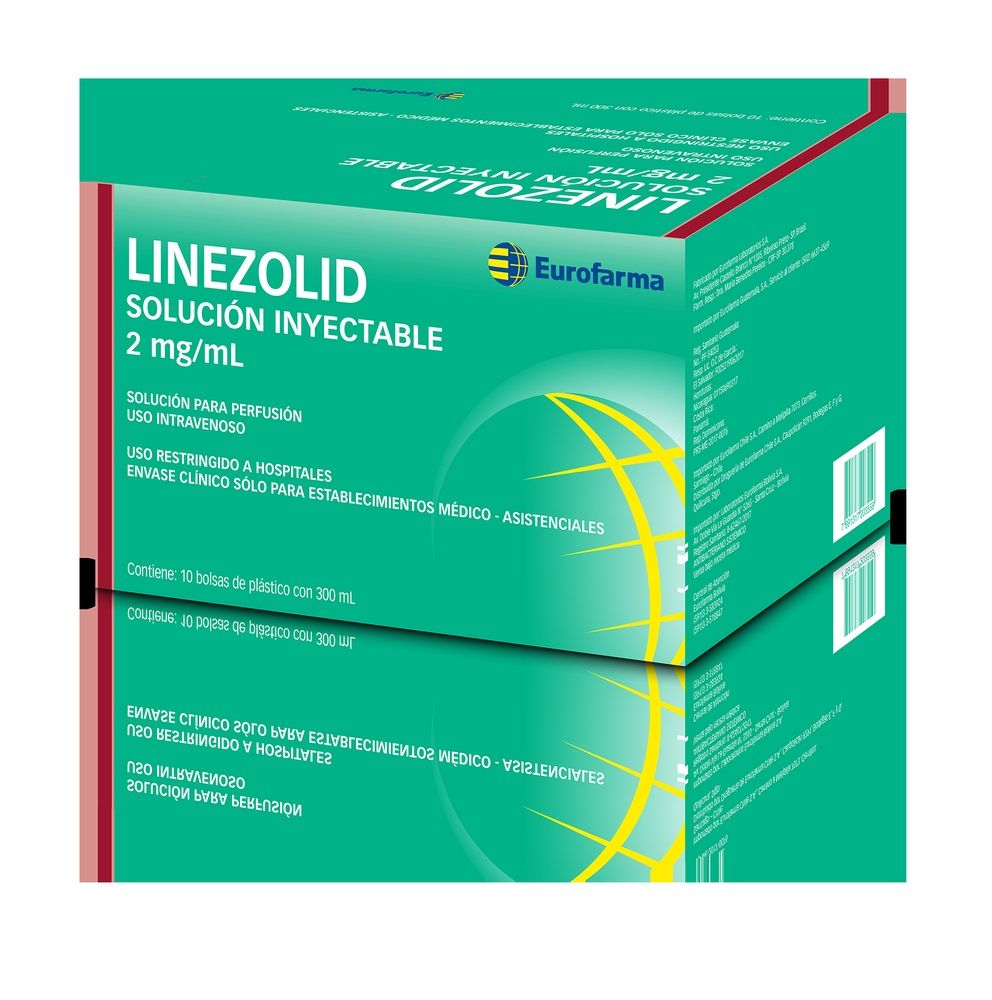 ЛІНЕЗОЛІД АЛТАН 2 мг/мл РОЗЧИН ДЛЯ ІНФУЗІЙІлюстративне зображенняЛікарська форма: РОЗЧИН ДЛЯ ІНФУЗІЙ, ЩО ВВОДИТЬСЯ ІН'ЄКЦІЙНО, 2 мг/млДіюча речовина: ЛинезолидВиробник: Altan Pharmaceuticals SaПотрібен рецепт
 ЛІНЕЗОЛІД АУРОВІТАС 2 мг/мл РОЗЧИН ДЛЯ ІНФУЗІЙІлюстративне зображенняЛікарська форма: РОЗЧИН ДЛЯ ІНФУЗІЙ, ЩО ВВОДИТЬСЯ ІН'ЄКЦІЙНО, 2 мг/млДіюча речовина: ЛинезолидВиробник: Eugia Pharma (Malta) LimitedПотрібен рецепт
Лікарі онлайн щодо Linezolid farmaprojects 2mg/ml solucion para perfusion efg
Питання застосування, безпеки та можливості виписки рецепта — за підсумками клінічної оцінки.









Часті запитання
Linezolid farmaprojects 2mg/ml solucion para perfusion efg потребує рецепта в Іспанія. Ви можете обговорити з лікарем в онлайн-форматі, чи підходить цей препарат для вашого випадку.
Активний компонент Linezolid farmaprojects 2mg/ml solucion para perfusion efg — Линезолид. Це дозволяє знайти препарати з ідентичним складом під іншими торговими марками.
Linezolid farmaprojects 2mg/ml solucion para perfusion efg випускається компанією Farmaprojects S.A.U.. Торгова назва та дизайн упаковки можуть відрізнятися залежно від дистрибʼютора.
Фахівці, зокрема Сімейні лікарі, Пульмонологи, Інфекціоністи, Терапевти, Імунологи, Лікарі лактаційної медицини, Інтенсивісти, можуть оцінити доцільність призначення Linezolid farmaprojects 2mg/ml solucion para perfusion efg з урахуванням вашого стану здоров'я та чинних правил. Забронюйте онлайн-прийом, щоб обговорити скарги та визначити подальший план дій.
Рецепт виписує лікар після оцінки стану здоров'я. В Іспанії Linezolid farmaprojects 2mg/ml solucion para perfusion efg відпускається в аптеках за цим рецептом. Онлайн-консультація не гарантує виписки рецепта: рішення завжди залишається за лікарем.
Щоб надіслати запит на розгляд, ви можете скористатися Oladoctor:
Інші препарати з тим самим активним компонентом (Линезолид) — АПЕЛЬ 600 мг ТАБЛЕТКИ, ПОКРИТІ ПЛІВКОВОЮ ОБОЛОНКОЮ, ЛІНЕЗОЛІД АЛТАН 2 мг/мл РОЗЧИН ДЛЯ ІНФУЗІЙ, ЛІНЕЗОЛІД АУРОВІТАС 2 мг/мл РОЗЧИН ДЛЯ ІНФУЗІЙ. Вони можуть відрізнятися за торговою назвою чи формою випуску, але містять однаковий терапевтичний інгредієнт. Перед заміною або початком нового препарату рекомендується порадитися з лікарем.
