


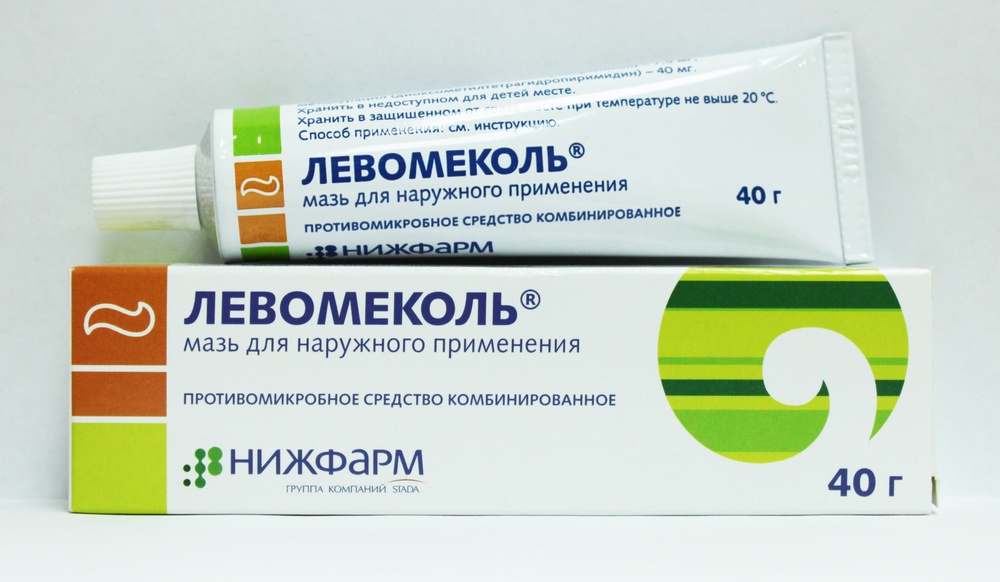
LEVOMEKOL'
Ask a doctor about a prescription for LEVOMEKOL'




How to use LEVOMEKOL'
INSTRUCTIONS FOR MEDICAL USE OF LIDOCAINE HYDROCHLORIDE
Composition
active substance: lidocaine hydrochloride; 1 ml of solution contains lidocaine hydrochloride, in terms of anhydrous substance 20 mg; excipients: sodium chloride, water for injections.
Pharmaceutical Form
Solution for injections.
Main Physical and Chemical Properties
A clear colorless or slightly colored liquid.
Pharmacotherapeutic Group
Preparations for local anesthesia. Amides. Lidocaine. ATC Code N01B B02.
Pharmacological Properties
Pharmacodynamics
Lidocaine is a local anesthetic agent. The local anesthetic effect is due to the stabilization of the neuronal membrane by reducing its permeability to sodium ions, which prevents the occurrence of an action potential and the conduction of nerve impulses. Possible antagonism with calcium ions. Effective for all types of local anesthesia. Suppresses the conduction not only of pain impulses but also of impulses of other modalities. Quickly hydrolyzed in a slightly alkaline tissue environment and, after a short latent period, acts for 1-1.5 hours. The anesthetic effect of lidocaine is 2-6 times stronger than that of procaine. During inflammation, the anesthetic activity decreases. When used locally, it dilates blood vessels and does not cause local irritation.
Pharmacokinetics
After intramuscular administration, the maximum concentration in the blood is reached within 5-15 minutes. In plasma, it binds to blood proteins by 33-80%. The degree of binding largely depends on the concentration of the drug and the content of alpha-1-acid glycoprotein in the blood plasma. Binding to plasma proteins increases in patients with uremia and kidney transplant recipients and is enhanced after acute myocardial infarction, which is characterized by an increase in the level of alpha-1-acid glycoprotein. High binding to proteins can reduce the effect of free lidocaine or cause a general increase in drug concentrations in the blood plasma. The therapeutic effect develops at a concentration of 1.5-5 mcg/ml. Quickly distributed in tissues, the volume of distribution is 1 L/kg. Initially, it enters tissues with a high rate of blood supply: heart, brain, kidneys, lungs, liver, spleen, and then - into fatty and muscle tissues. Easily penetrates histohematological barriers, including the blood-brain and placental barriers. In the body of a newborn, 40-55% of the drug concentration in the mother's body is detected. Metabolized in the liver with the participation of microsomal enzymes with the formation of metabolites: monoethylglycinexylidide and glycinexylidide. The rate of metabolism is determined by liver blood flow and, as a result, may be impaired in patients after myocardial infarction and/or in patients with congestive heart failure. Excreted from the body by the kidneys in the form of metabolites (approximately 90%) and in an unchanged form (10%). The excretion of the unchanged drug with urine is partially dependent on the pH of the urine. Acidic urine leads to an increase in the fraction excreted with urine. The half-life after intravenous bolus administration is 1.5-2 hours. The half-life of metabolites is 2 and 10 hours, respectively. In case of impaired liver function, the half-life may increase.
Clinical Characteristics
Indications
Local anesthesia (terminal, infiltration, conduction) in surgery, ophthalmology, dentistry, otolaryngology; as a solvent for antibacterial agents of the cephalosporin group.
Contraindications
Increased individual sensitivity to the components of the drug, as well as to other amide local anesthetic agents; presence in the anamnesis of epileptiform seizures associated with the administration of lidocaine hydrochloride; AV block II and III degree, sinus node weakness syndrome, Wolff-Parkinson-White syndrome, Adams-Stokes syndrome, severe forms of heart failure (II-III degree), pronounced arterial hypotension, bradycardia, cardiogenic shock; myasthenia; hypovolemia; porphyria; severe renal and/or hepatic insufficiency; retrobulbar administration in patients with glaucoma, bleeding disorders, anticoagulant therapy; infections at the injection site; non-contact patients.
Interaction with Other Medicinal Products and Other Types of Interactions
When combined with lidocaine and such drugs as chlorpromazine, pethidine, bupivacaine, quinidine, disopyramide, amitriptyline, imipramine, nortriptyline, the concentration of lidocaine in the blood plasma decreases.
Antiarrhythmic drugs (including amiodarone, verapamil, quinidine, disopyramide, ajmaline) - the cardiodepressive effect is enhanced (QT interval prolongation occurs, and in individual cases, AV block or ventricular fibrillation may develop); concomitant use with amiodarone may lead to the development of seizures.
Novocaine, novocainamide, procainamide - possible excitement of the central nervous system, delirium, hallucinations.
Curariform drugs - enhanced muscle relaxation (possible paralysis of respiratory muscles).
Ethanol enhances the inhibitory effect of lidocaine on respiration.
Vasoconstrictors (epinephrine, methoxamine, phenylephrine) contribute to the slowing of lidocaine absorption and prolong its action.
Cimetidine reduces the hepatic clearance of lidocaine (reduces metabolism due to inhibition of microsomal oxidation), increases its concentration, and risks the development of toxic effects.
Guanedrel, guanethidine, mecamylamine, trimethaphan - when combined for spinal and epidural anesthesia, the risk of pronounced arterial hypotension and bradycardia increases.
Beta-blockers slow down the metabolism of lidocaine in the liver, enhance the effects of lidocaine (including toxic ones), and increase the risk of bradycardia and arterial hypotension. When beta-blockers and lidocaine are used concomitantly, the dose of the latter should be reduced.
Cardiac glycosides - the cardiotonic effect of cardiac glycosides is weakened.
Digitalis glycosides - against the background of lidocaine intoxication, the severity of AV block may increase.
Sedatives or sedative medications - possible enhancement of the inhibitory effect on the CNS of sedatives and sedative medications.
Narcotic analgesics (morphine) - the analgesic effect of narcotic analgesics is enhanced, and respiration is inhibited.
MAO inhibitors (furazolidone, procarbazine, selegiline) - the risk of developing arterial hypotension and prolonging the local anesthetic effect of lidocaine increases. During treatment with MAO inhibitors, lidocaine should not be administered parenterally.
Anticoagulants (including ardeparin, dalteparin, danaparoid, enoxaparin, heparin, warfarin) increase the risk of bleeding.
Anesthetics - the inhibitory effect on the respiratory center of anesthetics (hexobarbital, thiopental sodium intravenously) is enhanced.
Polymyxin B - control of respiratory function is necessary.
Rifampicin - possible decrease in the concentration of lidocaine in the blood.
Propafenone - possible increase in the duration and severity of side effects from the CNS.
Phenelzine - increased risk of developing ventricular arrhythmia of the "pirouette" type.
Anticonvulsant medications, barbiturates (phenobarbital) - possible acceleration of lidocaine metabolism in the liver, decrease in blood concentration, enhancement of cardiodepressive effect.
Isadrin, glucagon - increased clearance of lidocaine.
Norepinephrine, mexiletine - decreased clearance of lidocaine (increased toxicity); reduced liver blood flow.
Acetazolamide, thiazide and loop diuretics reduce the effect of lidocaine due to the development of hypokalemia.
Midazolam - increased concentration of lidocaine in blood plasma.
Drugs that cause blockade of neuromuscular transmission - enhanced action of these drugs, as they reduce the conduction of nerve impulses.
Norepinephrine - has a synergistic effect when interacting with lidocaine.
In case of acidosis, the concentration of free lidocaine in plasma increases, and there is a risk of developing toxic effects.
Medications that affect liver metabolism and microsomal enzyme induction (e.g., phenytoin) may reduce the effectiveness of lidocaine.
When used concomitantly with muscle relaxants (e.g., succinylcholine), a synergistic effect is possible.
For all types of injectable analgesia, lidocaine can be combined with epinephrine (1:50,000-1:100,000; prepared ex tempore, adding 1 drop of 0.1% epinephrine solution to 5-10 ml of lidocaine solution), except in cases where the systemic effect of epinephrine is undesirable - increased sensitivity to epinephrine, arterial hypertension, diabetes, glaucoma, or short-term anesthetic effect is required. Epinephrine contributes to the slowing of lidocaine absorption and prolongs its action.
Special Warnings
Lidocaine can only be administered by medical personnel.
When handling the injection site with disinfectants containing heavy metals, the risk of developing a local reaction in the form of pain and swelling increases.
During the use of lidocaine, mandatory ECG monitoring is required. In case of disturbances in the activity of the sinus node, prolongation of the P-Q interval, widening of the QRS complex, or the development of a new arrhythmia, the dose should be reduced or the drug should be discontinued.
Before using lidocaine in heart diseases (hypokalemia reduces the effectiveness of lidocaine), it is necessary to normalize the potassium level in the blood.
Before administering high doses of lidocaine, it is recommended to prescribe barbiturates. When performing planned subarachnoid anesthesia, MAO inhibitors should be discontinued no later than 10 days before the anesthesia.
Caution should be exercised to avoid accidental intravascular (especially during local anesthesia in areas with many blood vessels) or subdural administration of the drug. It is necessary to establish careful monitoring of the systemic toxic effect of the drug on the cardiovascular and central nervous systems (since the doses intended for epidural anesthesia are always higher than for subdural anesthesia); when administered in vascularized tissues, an aspiration test is recommended.
Extreme caution should be exercised when performing anesthesia around the spinal cord in patients with neurological diseases, spinal deformities, septicemia, and severe arterial hypertension.
Smaller doses of the drug should be administered in the head and neck area, including retrobulbar and dental administration, as well as for blockade of the stellate ganglion, since systemic toxic effects of the drug can penetrate the brain circulation through retrograde flow.
Extreme caution should be exercised during retrobulbar administration, as side effects such as collapse, dyspnea, seizures, and reversible blindness are possible.
Since lidocaine has a pronounced antiarrhythmic effect and can itself act as an arrhythmogenic factor, which can cause the development of arrhythmia, before administering the drug, it is necessary to collect an anamnesis and use the drug with caution in patients with complaints of arrhythmias in the past.
The drug should be used with caution and in smaller doses in patients with moderate heart failure, moderate arterial hypotension, incomplete AV block, intraventricular conduction disorders, moderate liver and kidney function disorders (creatinine clearance of at least 10 ml/min), respiratory function disorders, epilepsy, after heart surgery, with a genetic predisposition to malignant hyperthermia, in weakened patients, and in elderly patients.
When administering lidocaine intramuscularly, the concentration of creatinine may increase, which can lead to an error in the diagnosis of acute myocardial infarction.
During local anesthesia of tissues with pronounced vascularization (e.g., neck during thyroid surgery), caution should be exercised to avoid the drug entering the blood vessels.
The safety of using anesthetics of the amide group is questionable in patients prone to malignant hyperthermia, so their use in such cases should be avoided.
Special caution should be exercised when using lidocaine in patients with impaired circulation, hypovolemia, arterial hypotension, liver and kidney insufficiency.
The drug should be prescribed with caution to patients with central nervous system disorders who use narcotics, as sudden side effects from the cardiovascular system may occur. With prolonged use, it is necessary to monitor the level of electrolytes in the blood. The drug should be used with caution in patients with a tendency to seizures, in shock, and with hypoxia.
This medicinal product contains 6 mg/ml of sodium chloride, i.e., it is practically sodium-free.
Use During Pregnancy or Breastfeeding
The drug penetrates the placental barrier and can cause bradycardia in the fetus, so it is not recommended to be prescribed during pregnancy. If necessary, breastfeeding should be discontinued.
Ability to Affect the Speed of Reaction When Driving Vehicles or Operating Other Mechanisms
The drug affects the function of the central nervous system, so after using lidocaine, it is not recommended to drive vehicles or work with other mechanisms.
Method of Administration and Dosage
The drug is administered by injection (subcutaneously, intramuscularly) and locally on mucous membranes.
Intravascular administration of the drug should be avoided.
For terminal anesthesia of the mucous membrane in adults, the drug should be applied in a dose of up to 2 mg/kg of lidocaine, the duration of anesthesia is 15-30 minutes.
The maximum dose of the drug for adults is 20 ml.
For conduction anesthesia (including for shoulder and lumbar plexus blockade), 5-10 ml (100-200 mg of lidocaine) of the drug should be administered, for finger and nose anesthesia - 2-3 ml (40-60 mg of the drug). The maximum dose of the drug for adults is 10 ml (200 mg).
For anesthesia in ophthalmology, 2 drops of the drug should be instilled into the conjunctival sac 2-3 times with an interval of 30-60 seconds immediately before the examination or surgical intervention.
| Lidocaine | |||
| Procedure | Concentration | Volume | Total Dose |
| Infiltration:–Through the skin–Intravenously | 5 mg/ml (0.5%) or 10 mg/ml (1%) | 1-60 ml | 5-300 mg |
| 5 mg/ml (0.5%) | 10-60 ml | 50-300 mg | |
| Blockade of peripheral nerves:–Shoulder plexus–Dentistry–Intercostal–Paravertebral–Urogenital system | 15 mg/ml (1.5%)20 mg/ml (2%)10 mg/ml (1%)10 mg/ml (1%)10 mg/ml (1%) | 15-20 ml1-5 ml3 ml3-5 ml10 ml | 225-300 mg20-100 mg30 mg30-50 mg100 mg |
| Paracervically:–Anesthesia in obstetrics | 10 mg/ml (1%) | 10 ml | 100 mg |
| Sympathetic nerve blockade:–Cervical–Lumbar | 10 mg/ml (1%)10 mg/ml (1%) | 5 ml5-10 ml | 50 mg50-100 mg |
| Blockade of the central nervous system:–Epidurally*–Lumbally–Anesthesia–Analgesia*The dose depends on the number of dermatomes (skin areas) that require anesthesia (2-3 ml/dermatome) | 10 mg/ml (1%)10 mg/ml (1%)15 mg/ml (1.5%)20 mg/ml (2%) | 20-30 ml25-30 ml15-20 ml10-15 ml | 200-300 mg250-300 mg225-300 mg200-300 mg |
| Caudal anesthesia–Anesthesia in obstetrics–Anesthesia in surgery | 10 mg/ml (1%)15 mg/ml (1.5%) | 20-30 ml15-20 ml | 200-300 mg225-300 mg |
Children and Adolescents
Children should be prescribed the lowest total dose according to body weight and in a more diluted form (0.5%; 0.1%). The maximum single dose of lidocaine is 3 mg/kg of body weight.
The maximum single dose should not be used when administered repeatedly within 24 hours.
For children under 3 years of age, the maximum dose is 1.25 ml, including children with impaired renal function. Within 24 hours, the dose should not exceed 4 doses.
There is insufficient data on the long-term use of 2% lidocaine locally in children under 3 years of age; the drug should be used with extreme caution depending on the child's body weight.
The maximum dosage for children under 3 years of age is no more than 1.25 ml locally on a tampon every 3 hours or 10 ml within 24 hours. For children over 3 years of age, the dose is 5 ml. For children under 12 years of age, with inflammation of the throat and oral cavity, it is necessary to take into account the child's age, weight, and method of administration (body surface area when applying the drug in the form of soft medicinal forms). The use of the drug in children is carried out after obtaining the consent of the parents.
The drug should not be administered locally repeatedly within 2 hours after application.
Overdose
Possible enhancement of side reactions.
Symptoms: psychomotor excitement, dizziness, general weakness, decrease in arterial pressure, tremor, visual disturbances, tonic-clonic seizures, coma, collapse, AV block, asphyxia, apnea, depression, drowsiness, anxiety, tinnitus. With significant overdose, possible impairment of consciousness, respiratory depression, shock, myocardial infarction. The first symptoms of overdose occur at a lidocaine concentration in the blood of more than 0.006 mg/kg, seizures - at 0.01 mg/kg.
Treatment: discontinuation of the drug, oxygen therapy, vasoconstrictors (norepinephrine, mesaton), anticonvulsants, cholinolytics. The patient should be in a horizontal position; it is necessary to ensure access to fresh air, oxygen supply, and/or artificial respiration. Symptoms from the central nervous system are corrected by the use of benzodiazepines or barbiturates of short action. If an overdose occurs during anesthesia, a short-acting muscle relaxant should be used. To correct bradycardia and conduction disorders, atropine (0.5-1 mg intravenously) should be used, and with arterial hypotension, sympathomimetics in combination with beta-adrenergic receptor agonists. In case of cardiac arrest, immediate resuscitation measures should be taken. Intubation and artificial ventilation of the lungs are possible. In the acute phase of overdose, dialysis is not effective. There is no specific antidote.
Side Effects
From the nervous system: excitement of the central nervous system (when used in high doses), anxiety, headache, dizziness, sleep disturbances, confusion, drowsiness, loss of consciousness, coma, sensory disturbances, muscle twitching, numbness of the tongue and lips (when used in dentistry), motor block, dysarthria, dysphagia; persistent anesthesia, paresis, or alogia of the lower limbs and loss of sphincter control (e.g., cauda equina syndrome) paresthesia in patients with increased sensitivity - euphoria, tremor, trismus, motor restlessness, paresthesia, seizures.
Psychiatric disorders: anorexia, irritability, restlessness, hallucinations, depression; after administration of high doses - excited state, euphoria.
From the organs of vision: visual disturbances, nystagmus, reversible blindness, diplopia, flickering "flies" before the eyes, photophobia, conjunctivitis.
From the organs of hearing: hearing impairment, tinnitus, hyperacusis.
From the cardiovascular system: when used in high doses - arrhythmia, bradycardia, slowing of cardiac conduction, cross-blockade of the heart, cardiac arrest, peripheral vasodilation, collapse, tachycardia, increased/decreased blood pressure, chest pain.
From the digestive system: nausea, vomiting.
From the respiratory system: dyspnea, rhinitis, inhibition or cessation of breathing.
From the immune system: allergic reactions, including edema, skin reactions, urticaria, itching, angioedema, hypersensitivity reactions, including anaphylactoid reactions (including anaphylactic shock), generalized exfoliative dermatitis; immune system suppression.
Others: feeling of heat, cold, or numbness of the limbs, swelling, weakness, malignant hyperthermia.
Local reactions: reactions at the injection site, feeling of slight burning, which disappears with the growth of the anesthetic effect (within 1 minute), hyperemia. With spinal or epidural anesthesia, back pain, leg pain, partial/complete spinal block may be observed, accompanied by a decrease in blood pressure, disorders of defecation, involuntary urination, impotence, loss of sensation in the perineal area (the likelihood of these effects increases with the use of higher doses or in case of accidental administration of lidocaine into the spinal space, when the dose intended for administration in the epidural space enters the spinal space); in individual cases, after such intervention, the restoration of motor, sensory, and/or autonomic function occurs slowly (over several months) or incompletely.
Shelf Life
3 years.
Storage Conditions
Store in the original packaging at a temperature not exceeding 25°C in a place inaccessible to children.
Incompatibility
The drug should not be mixed with other medicinal products in the same syringe. Lidocaine precipitates when mixed with amphotericin, methohexital, or sulfadiazine. Depending on the pH of the solution, lidocaine may be incompatible with ampicillin.
Packaging
2 ml in an ampoule, 10 ampoules in a contour cell package, 1 contour cell package in a pack; 2 ml in an ampoule, 10 ampoules in a box.
Release Category
By prescription.
Manufacturer
PAT "Galichpharm".
Location and Address of the Manufacturer
Ukraine, 79024, Lviv, Opyshkivska Street, 6/8.
- Country of registration
- Prescription requiredNo
- Manufacturer
- This information is for reference only and does not constitute medical advice. Always consult a licensed doctor before taking any medication. Oladoctor is not responsible for medical decisions based on this content.
- Alternatives to LEVOMEKOL'Dosage form: cream, 5 %; 30 g or 100 g in a tubeActive substance: dexpanthenolManufacturer: ГП Грензах Продуктіонс ГмбХPrescription not requiredDosage form: ointment, 5 %; 3.5 g or 30 g, or 100 g in a tubeActive substance: dexpanthenolManufacturer: ГП Грензах Продуктіонс ГмбХPrescription not requiredDosage form: tincture, 50 ml or 100 ml in bottlesActive substance: crilanomerManufacturer: Приватне акціонерне товариство "БіолікPrescription not required
Alternatives to LEVOMEKOL' in other countries
The best alternatives with the same active ingredient and therapeutic effect.
Alternative to LEVOMEKOL' in Poland
Alternative to LEVOMEKOL' in Spain
Online doctors for LEVOMEKOL'
Discuss dosage, side effects, interactions, contraindications, and prescription renewal for LEVOMEKOL' – subject to medical assessment and local rules.









Get updates and exclusive offers
Be the first to know about new services, marketplace updates, and subscriber-only promos.

