Background pattern
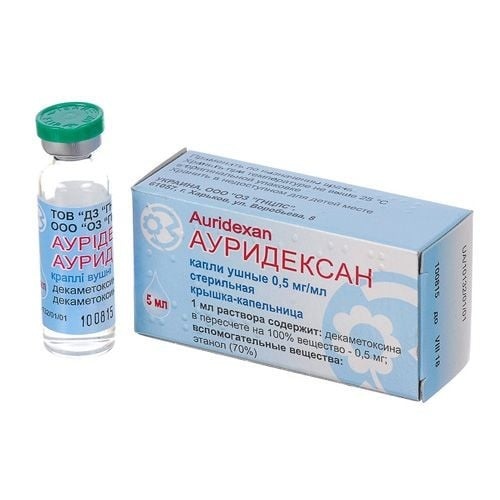
AURIDEKSAN

AURIDEKSAN

Ask a doctor about a prescription for AURIDEKSAN
0.0(1)
Doctor

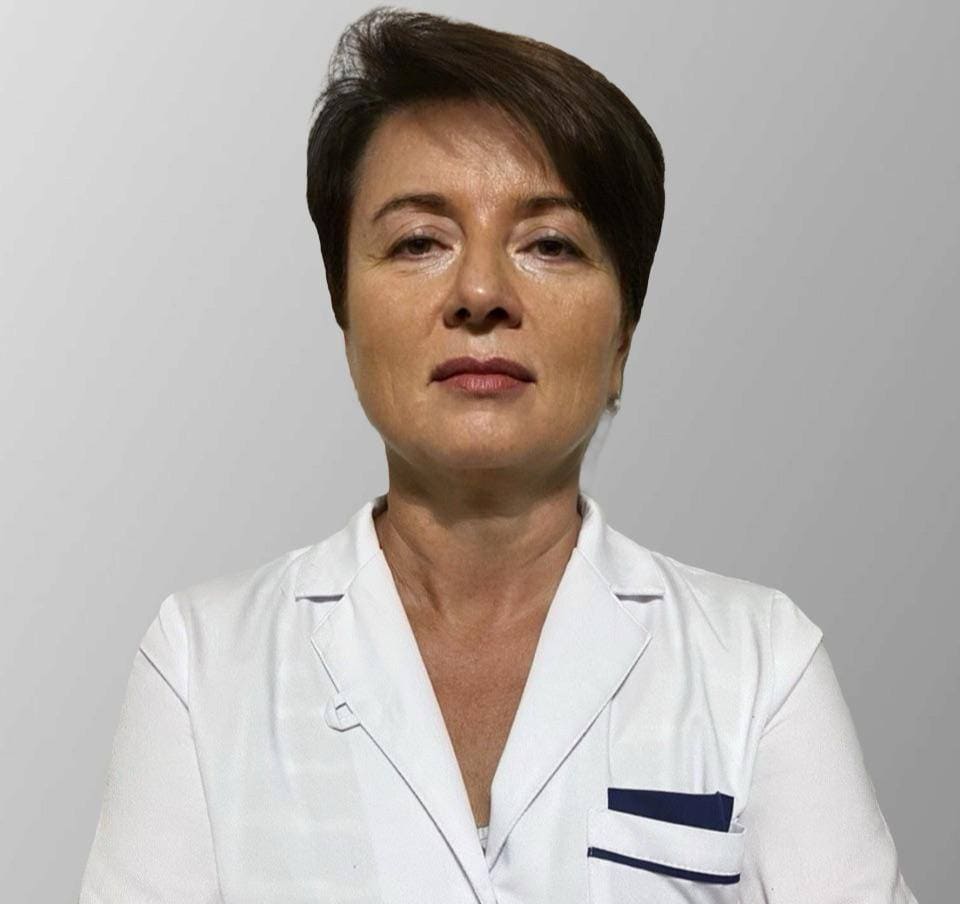
Tomasz Grzelewski

Dermatology20 years of experience

Dr Tomasz Grzelewski is an MD, PhD specialist in allergy, paediatrics, general practice and sports medicine, with a clinical focus on dermatology, endocrinology, allergology and sports-related health. He has more than 20 years of clinical experience and completed his medical training at the Medical University of Łódź, where he defended his PhD thesis with distinction. His doctoral research was recognised by the Polish Society of Allergology for its innovative contribution to the field. Throughout his career, he has gained extensive expertise in diagnosing and managing a wide range of allergic and paediatric conditions, including modern allergen desensitisation techniques.

For five years, Dr Grzelewski served as the Head of two paediatric departments in Poland, managing complex clinical cases and leading multidisciplinary teams. He also worked in medical centres in the United Kingdom, gaining experience across both primary care and specialist environments. With over a decade of telemedicine experience, he has provided online consultations across Europe and is valued for his clear, structured and evidence-based medical guidance.

Dr Grzelewski is actively involved in clinical programmes focused on modern anti-allergic therapies. As a Principal Investigator, he leads research projects on sublingual and oral allergen desensitisation, supporting evidence-based progress in allergy treatment for both children and adults.

In addition to his background in allergology and paediatrics, he completed dermatology studies through the Cambridge Education Group (Royal College of Physicians of Ireland) and a Clinical Endocrinology course at Harvard Medical School. This advanced training enhances his ability to manage skin manifestations of allergies, atopic conditions, urticaria, endocrine-related symptoms and complex immunological reactions.

Patients commonly seek his care for:

  • seasonal and perennial allergies
  • allergic rhinitis and chronic nasal symptoms
  • asthma and breathing difficulties
  • food and medication allergies
  • urticaria, atopic dermatitis and skin reactions
  • recurrent infections in children
  • sports-related health questions
  • general family medicine concerns
Dr Tomasz Grzelewski is known for his clear communication style, structured medical approach and ability to explain treatment options in a concise and accessible way. His multidisciplinary background across allergy, paediatrics, dermatology and endocrinology allows him to provide safe, up-to-date and comprehensive care for patients of all ages.
CameraBook a video appointment
€80
Today11:00
Today11:25
Today11:50
Today12:15
Today12:40
More times
This page is for general information. Consult a doctor for personal advice. Call emergency services if symptoms are severe.
About the medicine

How to use AURIDEKSAN

INSTRUCTIONS FOR MEDICAL USE OF DOXAZOSIN (DOXAZOSIN)

Composition

active substance: doxazosin; 1 tablet contains doxazosin mesylate in terms of doxazosin 1 mg, or 2 mg, or 4 mg; excipients: microcrystalline cellulose; lactose monohydrate; corn starch; calcium stearate.

Pharmaceutical Form

Tablets.

Main Physical and Chemical Properties

White tablets with a double-convex surface.

Pharmacotherapeutic Group

Antihypertensive agents. Antiadrenergic agents with a peripheral mechanism of action. Alpha-adrenoreceptor blockers. ATC code C02CA04.

Pharmacological Properties

Pharmacodynamics
Mechanism of Action

Doxazosin is a potent and selective antagonist of postsynaptic alpha-1 adrenoreceptors. Blocking these receptors leads to a decrease in systemic arterial pressure. Doxazosin is intended for oral administration once a day to patients with essential arterial hypertension.

Pharmacodynamic Effects

It has been shown that doxazosin does not cause undesirable metabolic effects and can be used in patients with diabetes, gout, or insulin resistance.

Doxazosin can also be prescribed to patients with bronchial asthma, left ventricular hypertrophy, and elderly patients. The use of the drug contributes to a decrease in left ventricular hypertrophy, inhibits platelet aggregation, and enhances the activity of tissue plasminogen activator. In addition, the use of doxazosin increases insulin sensitivity in patients with impaired sensitivity.

It has also been reported that, in addition to the antihypertensive effect, the use of doxazosin causes a moderate decrease in the concentration of total cholesterol, low-density lipoproteins, and triglycerides in the blood plasma, and therefore, this drug can be particularly useful for patients with arterial hypertension and hyperlipidemia.

The use of doxazosin in patients with symptomatic BPH leads to significant improvement in urodynamics and a decrease in symptoms. It is believed that the effect of the drug in BPH is achieved due to the selective blockade of alpha-1 adrenoreceptors located in the muscular stroma and capsule of the prostate gland, as well as in the neck of the urinary bladder.

Pharmacokinetics

Absorption. When administered orally to humans (young men or elderly people of any gender), doxazosin is quickly absorbed with a bioavailability of about 2/3 of the dose.

Metabolism/Elimination. Approximately 98% of doxazosin is bound to plasma proteins. It has been shown that doxazosin is extensively metabolized in the human body and in experimental animals, and is excreted from the body mainly with feces.

The average half-life (T1/2) of the drug from the blood plasma is 22 hours, which allows the drug to be taken once a day.

When doxazosin is administered orally, the concentration of its metabolites in the blood plasma is low. The concentration in the blood plasma of the most active metabolite, 6'-hydroxydoxazosin, in humans is 40 times lower than the plasma concentration of the primary compound, which indicates that the antihypertensive effect of the drug is mainly due to doxazosin.

Currently, there is limited data on the use of the drug in patients with liver function disorders and on the effect of drugs that can change liver metabolism (e.g., cimetidine). As with the use of other drugs that are completely metabolized by the liver, patients with signs of liver function disorders should be prescribed doxazosin with caution.

Clinical Characteristics

Indications

Arterial hypertension. The drug is indicated for the treatment of arterial hypertension and can be used in most patients to control blood pressure as monotherapy. In case of ineffective monotherapy for the treatment of arterial hypertension, the drug can be used in combination with thiazide diuretics, beta-blockers, calcium channel blockers, and angiotensin-converting enzyme inhibitors.

Benign prostatic hyperplasia. The drug is indicated for the treatment of urinary tract obstruction and symptoms associated with benign prostatic hyperplasia (BPH). The drug can be prescribed to patients with BPH, both with arterial hypertension and with normal blood pressure.

Contraindications

Hypersensitivity to the active substance or to quinazoline derivatives (e.g., prazosin, terazosin, doxazosin) or to any of the excipients of the drug, listed in the "Composition" section; history of orthostatic hypotension; BPH and concomitant obstruction of the upper urinary tract, chronic infections of the urinary tract, and the presence of stones in the urinary bladder; during breastfeeding (only when used to treat arterial hypertension (see "Use during pregnancy or breastfeeding")). Arterial hypotension (only for patients with BPH). Doxazosin as monotherapy is contraindicated in patients with urinary retention or anuria with progressive renal failure or without it.

Interactions with Other Medicinal Products and Other Types of Interactions

Phosphodiesterase-5 inhibitors (e.g., sildenafil, tadalafil, vardenafil). The concomitant use of doxazosin with phosphodiesterase-5 inhibitors may cause symptomatic hypotension in some patients. Studies of doxazosin in sustained-release formulations have not been conducted.

Doxazosin is highly bound to plasma proteins (98%). The results of in vitro studies using human plasma indicate that the drug does not affect the binding of tested drugs (digoxin, phenytoin, warfarin, or indomethacin) to proteins.

No adverse interactions have been noted when doxazosin is used concomitantly with thiazide diuretics, furosemide, beta-blockers, non-steroidal anti-inflammatory agents, antibiotics, oral hypoglycemic agents, uricosuric agents, and anticoagulants. However, data from formal drug interaction studies are not available.

Doxazosin potentiates the hypotensive effect of other alpha-adrenergic blockers and other antihypertensive agents.

There are data that single administration of doxazosin at a dose of 1 mg on the first day of a 4-day course of oral cimetidine administration (400 mg twice a day) led to an increase in the average AUC of doxazosin by 10% and did not cause any statistically significant changes in the average Cmax and average T1/2 of doxazosin. Such an increase in the average AUC of doxazosin by 10% against the background of cimetidine administration is within the range of interindividual variability (27%) of average AUC values of doxazosin compared to placebo.

Special Warnings and Precautions for Use

Orthostatic hypotension/syncope. Initiation of therapy. As with the use of other alpha-adrenergic blockers, orthostatic hypotension when using doxazosin develops in a very small percentage of patients, manifesting as dizziness and weakness or, less often, loss of consciousness (syncope), especially at the beginning of therapy. Therefore, at the beginning of therapy, it is necessary to monitor blood pressure to minimize possible postural effects.

When prescribing therapy with any effective alpha-adrenergic blocker, the patient should be informed about how to avoid symptoms of orthostatic hypotension and how to behave when they occur. The patient should also be warned about the need to avoid situations in which there is a risk of injury, given the possibility of dizziness or weakness at the beginning of doxazosin therapy.

Use in acute cardiac conditions. Like other vasodilating antihypertensive agents, doxazosin should be used with caution in patients with the following acute cardiac conditions:

  • pulmonary edema caused by aortic or mitral stenosis;
  • hypersystolic heart failure;
  • right ventricular heart failure caused by pulmonary thromboembolism or pericardial effusion;
  • left ventricular heart failure with low filling pressure.

Use in liver function disorders. As with the use of other drugs that are completely metabolized by the liver, patients with signs of liver function disorders should be prescribed doxazosin with caution. Due to the lack of clinical experience with the use of the drug in patients with severe liver function disorders, the use of the drug in this category of patients is not recommended.

Use with phosphodiesterase-5 inhibitors. Doxazosin should be used with caution in combination with phosphodiesterase-5 inhibitors (e.g., sildenafil, tadalafil, and vardenafil), as these drugs cause vasodilation and can cause symptomatic hypotension in some patients. To reduce the risk of orthostatic hypotension, it is recommended to start therapy with phosphodiesterase-5 inhibitors only if the patient has stable hemodynamics on the background of alpha-blocker use. In addition, it is recommended to start therapy with phosphodiesterase-5 inhibitors with the lowest possible dose and to maintain a 6-hour interval between the administration of doxazosin and phosphodiesterase-5 inhibitors.

Use in patients during cataract surgery. In some patients who took tamsulosin during cataract surgery or before surgery, the development of intraoperative floppy iris syndrome (IFIS, a variant of the small pupil syndrome) was observed during the procedure. There have been reports of isolated cases of such an adverse effect with the use of other alpha-1 blockers, so it cannot be excluded that this effect is possible for other drugs in this class. Since IFIS can lead to an increased frequency of procedural complications during surgery, ophthalmic surgeons should be informed during preparation for surgery whether the patient is using or has used alpha-1 adrenergic blockers.

Priapism. There have been reports of cases of prolonged erection and priapism. If an erection lasts more than 4 hours, the patient should seek medical help immediately. If treatment for priapism is not started promptly, damage to the tissue of the penis can occur, leading to irreversible loss of potency.

Screening for prostate cancer. Prostate cancer causes many symptoms associated with BPH, and these two diseases can coexist. Therefore, the presence of prostate cancer should be ruled out before starting therapy with doxazosin for BPH symptoms.

The drug contains lactose. If the patient has a diagnosed intolerance to some sugars, it is necessary to consult a doctor before taking this medicinal product.

Use During Pregnancy or Breastfeeding

Patients with arterial hypertension.

Pregnancy.

Due to the lack of adequate and well-controlled studies on the use of the drug in pregnant women, the safety of doxazosin use during pregnancy remains unestablished. Therefore, the drug should be used only when the potential benefits of treatment, from the doctor's point of view, justify the potential risk. Although there are data that the drug did not exhibit teratogenic effects in animal studies, its use in very high doses, which is approximately 300 times higher than the maximum recommended dose for humans, led to a decrease in fetal survival.

Breastfeeding.

The use of doxazosin during breastfeeding is contraindicated, as there are data that the drug accumulates in the milk of lactating rats, and there are no data on the excretion of doxazosin in human milk during breastfeeding. If the use of doxazosin is necessary, breastfeeding should be discontinued.

Ability to Affect the Speed of Reaction When Driving Vehicles or Working with Mechanisms

The ability to drive a car and work with mechanisms may be impaired, especially at the beginning of treatment.

Method of Administration and Dosage

Doxazosin can be taken in the morning or in the evening.

The drug is administered orally.

Arterial hypertension. The drug should be administered once a day. The initial dose is 1 mg to minimize the risk of developing orthostatic arterial hypotension and/or syncope. After 1-2 weeks of initial therapy, the dose can be increased to 2 mg, and then, if necessary, to 4 mg. In most patients, a response to therapy is observed when using the drug at a dose of 4 mg or lower. If necessary, the dose of the drug can be increased to 8 mg or to the maximum recommended dose of 16 mg.

Benign prostatic hyperplasia. The recommended initial dose of doxazosin is 1 mg once a day to minimize the risk of developing orthostatic arterial hypotension and/or syncope. Depending on the individual characteristics of the patient's urodynamics and BPH symptoms, the dose can be increased to 2 mg, then to 4 mg, and up to the maximum recommended dose of 8 mg. The recommended dose adjustment interval is 1-2 weeks. The usual recommended dose of the drug is 2-4 mg per day.

Elderly patients should be administered the usual adult doses.

Patients with impaired renal function should be administered the usual adult doses, as the pharmacokinetic parameters of the drug do not change in renal impairment.

Doxazosin is not removed from the body by hemodialysis.

Patients with liver function disorders. Currently, there is limited information on the use of the drug in patients with liver function disorders and on the effect of drugs that can change liver metabolism (e.g., cimetidine). As with the use of other drugs that are completely metabolized by the liver, patients with signs of liver function disorders should be prescribed doxazosin with caution.

Children

The safety and efficacy of the medicinal product in children have not been studied.

Overdose

If an overdose of the drug has led to arterial hypotension, the patient should be placed on their back with their head down. In individual cases, other symptomatic measures can be taken.

If symptomatic measures are insufficient, the treatment of shock should be started first with plasma substitutes. After that, if necessary, vasoconstrictor drugs should be used. The function of the kidneys should be monitored, and supportive measures should be applied if necessary.

Hemodialysis is not indicated, as doxazosin is highly bound to plasma proteins.

Adverse Reactions

Infections and invasions: respiratory tract infections, urinary tract infections.

Blood and lymphatic system disorders: leukopenia, thrombocytopenia.

Immune system disorders: allergic reactions.

Metabolic and nutritional disorders: gout, increased appetite, loss of appetite.

Psychiatric disorders: excitement, depression, anxiety, insomnia, nervousness.

Nervous system disorders: drowsiness, dizziness, headache, stroke, hypesthesia, syncope, tremor, orthostatic dizziness, paresthesia.

Eyes: blurred vision, intraoperative floppy iris syndrome.

Ears and balance: vertigo, tinnitus.

Heart: increased heart rate, tachycardia, angina pectoris, myocardial infarction, bradycardia, cardiac arrhythmias.

Vessels: arterial hypotension, orthostatic arterial hypotension, flushing.

Respiratory system, thorax, and mediastinum: bronchitis, cough, shortness of breath, rhinitis, nosebleeds, exacerbation of existing bronchospasm.

Gastrointestinal tract: abdominal pain, dyspepsia, dry mouth, nausea, constipation, flatulence, vomiting, gastroenteritis, diarrhea.

Hepatobiliary system: liver function abnormalities, cholestasis, hepatitis, jaundice.

Skin and subcutaneous tissue: itching, skin rash, urticaria, alopecia, purpura.

Musculoskeletal and connective tissue: back pain, myalgia, arthralgia, muscle spasms, muscle weakness.

Kidneys and urinary system: cystitis, urinary incontinence, dysuria, frequent urination, hematuria, polyuria, increased diuresis, urinary disorders, nocturia.

Reproductive system and breast: impotence, gynecomastia, priapism, retrograde ejaculation.

General disorders and administration site reactions: asthenia, chest pain, flu-like symptoms, peripheral edema, body pain, facial edema, increased fatigue, general malaise.

Investigation results: weight gain.

Shelf Life

5 years.

Storage Conditions

Store in the original packaging at a temperature not exceeding 25 °C.

Store in a place inaccessible to children.

Packaging

1 mg tablets, 30 pieces in banks or containers in a box; 10x3 in blisters in a box; 2 mg or 4 mg tablets, 10x2 in blisters in a box.

Release Category

By prescription.

Manufacturer

Limited Liability Company "Research Plant 'GNCL'" or Limited Liability Company "FARMEX GROUP" or Limited Liability Company "Pharmaceutical Company ' Zdorov'ya'".

Manufacturer's Location and Address

Ukraine, 61057, Kharkiv region, city of Kharkiv, Vorobyova street, 8.

Ukraine, 08301, Kyiv region, city of Boryspil, Shevchenka street, 100.

Ukraine, 61013, Kharkiv region, city of Kharkiv, Shevchenka street, 22.

Alternatives to AURIDEKSAN in other countries

The best alternatives with the same active ingredient and therapeutic effect.

Alternative to AURIDEKSAN in Spain

Dosage form: OTIC SOLUTION, 10 mg/ml
Prescription required
Dosage form: OTIC SOLUTION, 1.0 mg/0.5 mL
Active substance: ciprofloxacin
Manufacturer: Neuraxpharm Spain S.L.
Prescription required
Dosage form: OTIC SOLUTION, 3.5 mg/mL
Active substance: ciprofloxacin
Prescription required
Dosage form: OTIC SOLUTION, 1 mg/0.5 ml
Active substance: ciprofloxacin
Manufacturer: Neuraxpharm Spain S.L.
Prescription required
Dosage form: OTIC SOLUTION, 1.2 mg of ciprofloxacin in 0.4 ml
Active substance: ciprofloxacin
Prescription required
Dosage form: OTIC SOLUTION, 3 mg
Active substance: ciprofloxacin
Prescription required

Online doctors for AURIDEKSAN

Discuss dosage, side effects, interactions, contraindications, and prescription renewal for AURIDEKSAN – subject to medical assessment and local rules.

0.0(1)
Doctor

Tomasz Grzelewski

Dermatology20 years of experience

Dr Tomasz Grzelewski is an MD, PhD specialist in allergy, paediatrics, general practice and sports medicine, with a clinical focus on dermatology, endocrinology, allergology and sports-related health. He has more than 20 years of clinical experience and completed his medical training at the Medical University of Łódź, where he defended his PhD thesis with distinction. His doctoral research was recognised by the Polish Society of Allergology for its innovative contribution to the field. Throughout his career, he has gained extensive expertise in diagnosing and managing a wide range of allergic and paediatric conditions, including modern allergen desensitisation techniques.

For five years, Dr Grzelewski served as the Head of two paediatric departments in Poland, managing complex clinical cases and leading multidisciplinary teams. He also worked in medical centres in the United Kingdom, gaining experience across both primary care and specialist environments. With over a decade of telemedicine experience, he has provided online consultations across Europe and is valued for his clear, structured and evidence-based medical guidance.

Dr Grzelewski is actively involved in clinical programmes focused on modern anti-allergic therapies. As a Principal Investigator, he leads research projects on sublingual and oral allergen desensitisation, supporting evidence-based progress in allergy treatment for both children and adults.

In addition to his background in allergology and paediatrics, he completed dermatology studies through the Cambridge Education Group (Royal College of Physicians of Ireland) and a Clinical Endocrinology course at Harvard Medical School. This advanced training enhances his ability to manage skin manifestations of allergies, atopic conditions, urticaria, endocrine-related symptoms and complex immunological reactions.

Patients commonly seek his care for:

  • seasonal and perennial allergies
  • allergic rhinitis and chronic nasal symptoms
  • asthma and breathing difficulties
  • food and medication allergies
  • urticaria, atopic dermatitis and skin reactions
  • recurrent infections in children
  • sports-related health questions
  • general family medicine concerns
Dr Tomasz Grzelewski is known for his clear communication style, structured medical approach and ability to explain treatment options in a concise and accessible way. His multidisciplinary background across allergy, paediatrics, dermatology and endocrinology allows him to provide safe, up-to-date and comprehensive care for patients of all ages.
CameraBook a video appointment
€80
Today11:00
Today11:25
Today11:50
Today12:15
Today12:40
More times
0.0(0)
Doctor

Katia Benko

Pediatrics9 years of experience

Dr Katia Benko is a paediatrician with over 9 years of clinical experience and international training. She completed her medical education and residency in Argentina and is fully licensed to practise in Spain. Her work spans newborns, children and adolescents, with a focus on whole-person care that integrates physical, emotional and developmental health.

Areas of expertise:

  • online consultations for newborns, children and teens
  • evaluation and treatment of acute symptoms: fever, cough, infections, bronchiolitis, earache, etc.
  • long-term care for chronic paediatric conditions
  • preventive care at every stage of growth and development
  • child wellness visits and routine health check-ups
  • vaccination guidance according to standard and special schedules
  • assessment of neurodevelopment in infants and toddlers
  • feeding concerns: picky eating, food refusal, healthy habits, eating disorders
  • parental support in everyday health, emotional wellbeing and prevention
  • guidance for teenagers on healthy habits, self-care and risk prevention
Dr Benko sees paediatrics as a space for partnership with families – not only to treat illness, but to guide each child’s health journey with clarity, empathy and trust. Her goal is for every family to feel supported in making confident, informed decisions for their child’s wellbeing.
CameraBook a video appointment
€59
Today11:30
Today12:00
Today12:30
Today13:00
Today13:30
More times
5.0(17)
Doctor

Jonathan Marshall Ben Ami

Family medicine8 years of experience

Dr. Jonathan Marshall Ben Ami is a licensed family medicine doctor in Spain. He provides comprehensive care for adults and children, combining general medicine with emergency care expertise to address both acute and chronic health concerns.

Dr. Ben Ami offers expert diagnosis, treatment, and follow-up for:

  • Respiratory infections (cold, flu, bronchitis, pneumonia).
  • ENT conditions such as sinusitis, ear infections, and tonsillitis.
  • Digestive issues including gastritis, acid reflux, and irritable bowel syndrome (IBS).
  • Urinary tract infections and other common infections.
  • Management of chronic diseases: high blood pressure, diabetes, thyroid disorders.
  • Acute conditions requiring urgent medical attention.
  • Headaches, migraines, and minor injuries.
  • Wound care, health check-ups, and ongoing prescriptions.

With a patient-focused and evidence-based approach, Dr. Ben Ami supports individuals at all stages of life — offering clear medical guidance, timely interventions, and continuity of care.

CameraBook a video appointment
€55
Today15:30
Today16:15
Today17:00
December 2113:00
December 2113:45
More times
5.0(3)
Doctor

Anastasiia Hladkykh

Psychiatry14 years of experience

Dr Anastasiia Hladkykh is a physician-psychotherapist and psychologist with over 14 years of experience working with individuals struggling with various types of addictions and their families. She provides online consultations for adults, combining medical knowledge with deep psychological support and practical tools.

Key areas of expertise:

  • Addiction treatment: alcohol and drug dependence, gambling addiction, compulsive behaviours, codependent relationships.
  • Support for families of addicted individuals, behavioural correction within the family system, guidance for maintaining remission.
  • Mental health: depression, bipolar disorder, obsessive-compulsive disorder (OCD), anxiety disorders, phobias, PTSD, generalised anxiety, emotional trauma, and the psychological impact of loss or emigration.
  • Psychoeducation: explaining complex mental health concepts in simple language, helping patients and their families understand diagnoses and treatment steps.
Therapeutic approach:
  • Client-centred, straightforward, and empathetic – focused on practical outcomes and emotional stabilisation.
  • Prescribes medications when needed, but always aims to minimise unnecessary pharmaceutical use.
  • Certified in multiple evidence-based methods: CBT, NLP (Master Practitioner), Ericksonian hypnosis, symbol drama, art therapy, and systemic therapy.
  • Each consultation results in a clear, structured plan – patients leave knowing exactly what to do next.
Experience and background:
  • Member of the German association Gesundheitpraktikerin and the NGO “Mit dem Sonne in jedem Herzen.”
  • More than 18 publications in international peer-reviewed journals, translated into several languages.
  • Volunteer work with Ukrainian refugees and military personnel at the University Clinic of Regensburg.
CameraBook a video appointment
€130
Today16:00
Today16:45
Today17:30
Today18:15
December 2416:00
More times
0.0(2)
Doctor

Marianna Neshta

Endocrinology24 years of experience

Marianna Neshta is a medical doctor specialising in endocrinology and ultrasound diagnostics. She provides online consultations for adults, focusing on the diagnosis, treatment, and long-term management of endocrine disorders. Her approach includes personalised care plans, analysis of lab results and ultrasound scans, and evidence-based treatment.

Key areas of expertise:

  • Type 1 and Type 2 diabetes – diagnosis, therapy adjustment, CGM interpretation, and prevention of chronic complications
  • Obesity – treatment using both medication and lifestyle strategies, including modern GLP-1 medications and tailored follow-up plans
  • Thyroid disorders – ultrasound assessment, treatment planning, and management during pregnancy
  • Male hypogonadism – age-related or hormonal, including diagnostics and therapy
  • Metabolic syndrome, prediabetes, lipid disorders – risk assessment, lifestyle recommendations, and medical treatment
  • Calcium metabolism disorders – diagnosis and management of osteoporosis, hyperparathyroidism, and hypoparathyroidism
Dr Neshta applies current clinical guidelines and diagnostic tools, offering medical support adapted to each patient’s individual needs — all in an accessible online format.
CameraBook a video appointment
€45
Today17:00
Today17:45
December 2717:00
December 2717:45
January 317:00
More times
0.0(1)
Doctor

Khrystyna Habrykevych

Gastroenterology6 years of experience

Dr Khrystyna Habrykevych is a gastroenterologist providing online consultations for adults with digestive and abdominal health concerns. She helps patients understand the causes of their symptoms, interpret test results, and choose appropriate next steps – whether it’s further investigation, treatment, or lifestyle adjustments.

Common reasons for consultation include:

  • abdominal pain, cramps, discomfort, painful bowel movements
  • heartburn, acid reflux, burping, bitter taste in the mouth
  • bloating, excessive gas, nausea or vomiting
  • diarrhoea, constipation, difficulty passing stool
  • unexplained changes in weight or appetite
  • concern about gut health or long-term digestive issues
  • changes in lab results, questions about test interpretation
  • digestive system cancer screening and prevention
  • general digestive check-ups and health assessments
Dr Habrykevych follows evidence-based medical standards and adapts each consultation to the patient’s individual situation. The online format allows for timely medical support without the need for an in-person visit.
CameraBook a video appointment
€60
December 2106:00
December 2806:00
January 406:00
January 1106:00
January 1806:00
More times
0.0(1)
Doctor

Maryna Kuznetsova

Cardiology16 years of experience

Dr Marina Kuznetsova is an internal medicine doctor and cardiologist with a PhD in medicine. She provides online consultations for adults with chronic and acute conditions, with a strong focus on cardiovascular health. Her approach is based on current clinical guidelines and evidence-based treatment strategies.

Areas of expertise:

  • dyslipidaemia and lipid metabolism disorders
  • prevention and management of atherosclerosis
  • blood pressure monitoring and antihypertensive therapy
  • arrhythmias: diagnosis, follow-up, and treatment adjustment
  • cardiovascular care and recovery support after Covid-19
Dr Kuznetsova helps patients manage cardiovascular risk factors, optimise long-term treatment, and gain clarity in complex health situations – all through accessible and structured online care.
CameraBook a video appointment
€50
December 2107:00
December 2107:50
December 2214:00
December 2214:50
December 2215:40
More times
0.0(0)
Doctor

Nataliia Lifantieva

Cardiology21 years of experience

Dr. Nataliia Lifantieva is a cardiologist and cardiac electrophysiologist with extensive experience in the diagnosis and treatment of arrhythmias. She offers online consultations for patients with chronic cardiovascular conditions, including medication management and post-operative follow-up.

Main areas of expertise:

  • Diagnosis and treatment of arrhythmias: extrasystole, atrial fibrillation and flutter, supraventricular and ventricular tachycardia
  • Conduction disorders: AV blocks, sinoatrial block, bradyarrhythmias
  • ECG and Holter monitor interpretation, including data from smartwatches
  • Evaluation for interventional treatment: stenting, bypass surgery, valve replacement
  • Anticoagulant management (e.g., warfarin, DOACs) based on kidney function and clinical context
  • Perioperative advice on anticoagulant/antiplatelet therapy before dental procedures
CameraBook a video appointment
€85
December 2108:00
December 2108:55
December 2109:50
December 2110:45
December 2111:40
More times
0.0(0)
Doctor

Karim BenHarbi

General medicine8 years of experience

Dr. Karim Ben Harbi is a licensed general practitioner based in Italy. He provides online consultations for adults and children, combining international clinical experience with evidence-based medicine. His care approach is focused on accurate diagnosis, preventive care, and personalised health guidance.

Dr. Ben Harbi received his medical degree from Sapienza University in Rome. His training included hands-on experience in diverse settings — tropical medicine, rural healthcare, and urban outpatient practice. He also conducted clinical research in microbiology, exploring the role of the gut microbiome in chronic gastrointestinal issues.

You can consult Dr. Ben Harbi for:

  • General health concerns, prevention, and primary care.
  • Hypertension, type 1 and type 2 diabetes, metabolic issues.
  • Cold, cough, flu, respiratory infections, sore throat, fever.
  • Chronic digestive issues: bloating, gastritis, IBS, microbiome imbalance.
  • Skin rashes, mild allergic reactions, basic dermatological complaints.
  • Medication guidance, treatment adjustments, prescription review.
  • Paediatric concerns — fever, infections, general well-being.
  • Lifestyle optimisation: stress, sleep, weight, and diet counselling.

Dr. Ben Harbi offers reliable, accessible medical support through online consultations, helping patients make informed decisions about their health with a clear, structured, and compassionate approach.

CameraBook a video appointment
€79
December 2111:00
December 2111:30
December 2112:00
December 2112:30
December 2113:00
More times
0.0(0)
Doctor

Eteri Tabeshadze

Cardiology32 years of experience

Dr. Eteri Tabeshadze is a cardiologist with the highest qualification category and over 32 years of clinical experience. She also practises functional diagnostics, offering a comprehensive approach to cardiovascular care. Dr. Tabeshadze provides online consultations for adults with a wide range of heart-related conditions, from preventive screenings to acute and chronic disease management.

Areas of expertise include:

  • Diagnosis and treatment of hypertension, coronary artery disease, and chronic heart failure
  • Management of arrhythmias and conduction disorders, including paroxysmal events
  • Emergency care: myocardial infarction, acute left ventricular failure, acute pulmonary heart disease
  • Post-thromboembolism care and evaluation of cardiomyopathies
  • Treatment of vegetative dysfunction and autonomic disorders
  • Interpretation of cardiovascular tests: ECG, Holter monitoring, ambulatory blood pressure monitoring (ABPM), echocardiography (including transesophageal echo), stress echocardiography, exercise testing (VEM, treadmill test)
Dr. Tabeshadze combines extensive diagnostic experience with personalised care. She helps patients understand their cardiovascular health, navigate symptoms and diagnoses, and create tailored treatment plans to improve quality of life and reduce long-term risks.
CameraBook a video appointment
€50
December 2111:00
December 2112:00
December 2113:00
December 2114:00
December 2115:00
More times

Get updates and exclusive offers

Be the first to know about new services, marketplace updates, and subscriber-only promos.

Follow us on social media
FacebookInstagram
Logo
Oladoctor
Find a doctor
Doctors by specialty
Services
Choose language
© 2025 Oladoctor. All rights reserved.
VisaMastercardStripe