



Matrifen 75 mikrogramuv/godzinem sistem transdermalni
Ask a doctor about a prescription for Matrifen 75 mikrogramuv/godzinem sistem transdermalni




How to use Matrifen 75 mikrogramuv/godzinem sistem transdermalni
PATIENT INFORMATION LEAFLET
Information leaflet included in the packaging: patient information
Matrifen, 12 micrograms/hour, transdermal system, patch
Matrifen, 25 micrograms/hour, transdermal system, patch
Matrifen, 50 micrograms/hour, transdermal system, patch
Matrifen, 75 micrograms/hour, transdermal system, patch
Matrifen, 100 micrograms/hour, transdermal system, patch
fentanyl
Read the leaflet carefully before using the medicine, as it contains important information for the patient.
- Keep this leaflet, you may need to read it again.
- In case of any doubts, consult a doctor, pharmacist, or nurse.
- This medicine has been prescribed specifically for this person. Do not pass it on to others. The medicine may harm another person, even if their symptoms are the same.
- If the patient experiences any side effects, including any not listed in this leaflet, they should tell their doctor, pharmacist, or nurse. See section 4.
Table of contents of the leaflet
- 1. What is Matrifen and what is it used for
- 2. Important information before using Matrifen
- 3. How to use Matrifen
- 4. Possible side effects
- 5. How to store Matrifen
- 6. Contents of the pack and other information
1. What is Matrifen and what is it used for
The name of this medicine is Matrifen.
Matrifen is indicated for the treatment of chronic pain:
- in adults who require continuous administration of painkillers
- in children over 2 years of age who have already used opioid medications and require continuous administration of painkillers.
Matrifen contains the active substance fentanyl, which is a strong painkiller belonging to the opioid group.
2. Important information before using Matrifen
When not to use Matrifen
- if the patient is allergic to the active substance or any of the other ingredients of this medicine (listed in section 6),
- in case of acute, sudden, or post-operative pain,
- if the patient has severe respiratory depression (significant slowing and shallowing of breathing).
Do not use this medicine if any of the above situations apply to the patient. In case of doubts, consult a doctor or pharmacist before using Matrifen.
Warnings and precautions
- Matrifen may cause life-threatening side effects in people who do not regularly use opioid painkillers.
- Matrifen is a medicine that can be life-threatening for children. This also applies to used patches. It should be taken into account that the appearance of the patch (used or not) may encourage the child to touch it, stick it to their body, put it in their mouth, etc., which can lead to death.
- The medicine should be stored in a safe and protected place, inaccessible to other people - more information see section 5.
In case of accidental attachment of the Matrifen patch to another person's skin
Patches should only be applied to the skin of the person they were prescribed for.
There have been several reports of accidental attachment of a patch to another person's skin during close physical contact or while sleeping in the same bed with the person using the patches.
Accidental attachment of a patch to another person's skin (especially a child) can cause the medicine to be absorbed through the skin and cause severe side effects such as respiratory disorders with slow and shallow breathing, which can be life-threatening.
If such a situation occurs, the patch should be removed as soon as possible and a doctor should be consulted.
Particular caution should be exercised when using Matrifen
Beforeusing this medicine, the patient should talk to their doctor or pharmacistif any of the following situations occur:
- the patient has had lung disease or breathing difficulties,
- the patient has had heart, liver, kidney, or low blood pressure problems,
- the patient has had a brain tumor,
- the patient has had headaches or head injuries,
- the patient is elderly - may be more sensitive to the effects of this medicine,
- the patient has myasthenia gravis, a disease that causes muscle weakness and fatigue
If any of the above situations apply to the patient (or the patient is unsure), they should talk to their doctor or pharmacist before using Matrifen.
During the use of patches, the patient should inform their doctor if they experience breathing problems while sleeping.
Opioids, such as Matrifen, can cause breathing disorders during sleep, such as sleep apnea (pauses in breathing during sleep) and hypoxia during sleep (low oxygen levels in the blood). The patient should inform their doctor if they, their partner, or caregiver notice any of the following symptoms:
- pauses in breathing during sleep
- nighttime awakenings due to shortness of breath
- difficulty maintaining sleep
- excessive daytime sleepiness. The doctor may decide to change the dose of the medicine.
During the use of patches, the patient should inform their doctor if they notice a change in pain perception. If the patient feels that:
- the pain no longer subsides after using the patch
- the pain worsens
- there is a change in the way the pain is perceived (e.g., the patient feels pain in a different part of the body)
- pain occurs when touched, which should not be there. The patient should not change the dose themselves. The doctor may decide to change the dose or treatment.
Side effects of Matrifen
- Matrifen may cause unnatural fatigue, as well as slowed and shallow breathing. Very rarely, these breathing disorders can be life-threatening or lead to death, especially in people who have not previously used opioid painkillers (such as Matrifen or morphine). If the patient, partner, or caregiver notices that the person using the patches is excessively sleepy and has slow or shallow breathing, they should:
- remove the patch
- call a doctor or go to the nearest hospital immediately
- encourage the patient to move and talk as much as possible.
- If the patient develops a fever while using Matrifen, they should talk to their doctor - an increase in body temperature can significantly increase the absorption of the medicine through the skin.
- Matrifen may cause constipation; the patient should talk to their doctor or pharmacist about how to prevent or alleviate constipation.
A full list of side effects can be found in section 4.
Do not heat the patch attachment site with external heat sources, such as heated pads, electric blankets, hot water bottles, heated beds, heat lamps, or sunlamps. Do not sunbathe or take long, hot baths, saunas, or hot tubs with whirlpools. In these situations, there is a risk of increased release of the medicine from the patch.
Long-term use and tolerance
This medicine contains fentanyl, which is an opioid. Repeated use of opioid painkillers can lead to decreased effectiveness of the medicine (the patient gets used to it, which is known as tolerance to the medicine). During the use of Matrifen, the patient's sensitivity to pain may also increase. This phenomenon is known as hyperalgesia. Increasing the dose of the patches may temporarily reduce the severity of the pain, but it can also be harmful. If the patient notices a decrease in the effectiveness of the medicine, they should talk to their doctor. The doctor will decide whether it is better for the patient to increase the dose or gradually reduce the use of Matrifen.
Dependence and addictive use
This medicine contains fentanyl, which is an opioid. It can cause dependence and (or) addiction.
Repeated use of Matrifen can also lead to dependence, abuse, and addictive use, which can result in life-threatening overdose. The risk of these side effects may increase with increasing dose and duration of use. Dependence or addictive use can cause the patient to feel a loss of control over the amount of medicine they use or how often they take it. The patient may feel the need to continue using the medicine, even if it no longer helps to alleviate their pain.
- The patient or someone in their family has previously abused or been dependent on alcohol, prescription drugs, or illegal substances (addiction);
- The patient smokes tobacco;
- The patient has previously experienced mood disorders (depression, anxiety disorders, or personality disorders) or has been treated by a psychiatrist for other mental illnesses.
If the patient experiences any of the following symptoms while using Matrifen, it may indicate dependence or addictive use.
- The patient needs to take the medicine for a longer period than prescribed by the doctor.
- The patient needs to take a higher dose than prescribed.
- The patient uses the medicine for reasons other than those for which the doctor prescribed it, such as "to calm down" or "to fall asleep".
- The patient has repeatedly tried to stop or control the use of the medicine but failed.
- After stopping the use of the medicine, the patient feels unwell and experiences improvement in their condition when they start using the medicine again (withdrawal symptoms).
If the patient experiences any of these symptoms, they should discuss the best treatment strategy with their doctor, including determining when it is appropriate to stop treatment and how to safely end treatment.
Withdrawal symptoms after stopping the use of Matrifen
Do not stop using this medicine suddenly. Withdrawal symptoms may occur, such as anxiety, difficulty sleeping, irritability, restlessness, anxiety, rapid heartbeat (palpitations), increased blood pressure, nausea or vomiting, diarrhea, loss of appetite, tremors, chills, or sweating. If the patient wants to stop using this medicine, they should first talk to their doctor. The doctor will inform them how to do it; usually, it is done by gradually reducing the dose, so that any unpleasant withdrawal symptoms are minimized. See also section 2 "Withdrawal symptoms after stopping the use of Matrifen".
Matrifen and other medicines
Tell the doctor or pharmacist about all medicines the patient is currently taking or has recently taken, as well as any medicines they plan to take.
This includes all over-the-counter medicines or herbal remedies. When buying other medicines at the pharmacy, tell the pharmacist that you are using Matrifen.
The attending doctor knows which medicines can be safely used with Matrifen. The patient will need close monitoring if they are taking any of the following medicines or if they stop taking any of the following medicines, as it may affect the required strength of Matrifen.
In particular, tell the doctor or pharmacist if the patient is taking:
- Other opioid painkillers (such as buprenorphine, nalbuphine, or pentazocine) and some painkillers for nerve pain (gabapentin and pregabalin).
- Sleeping pills (such as temazepam, zaleplon, or zolpidem).
- Tranquilizers (such as alprazolam, clonazepam, diazepam, hydroxyzine, or lorazepam) and antipsychotic medicines (such as aripiprazole, haloperidol, olanzapine, risperidone, or phenothiazines).
- Muscle relaxants (such as cyclobenzaprine or diazepam).
- Certain antidepressants called SSRI or SNRI (such as citalopram, duloxetine, escitalopram, fluoxetine, fluvoxamine, paroxetine, sertraline, or venlafaxine) - see below.
- Certain antidepressants or medicines used to treat Parkinson's disease called MAOIs (such as isocarboxazid, phenelzine, selegiline, or tranylcypromine). Do not use Matrifen for 14 days after stopping these medicines - see below.
- Certain antihistamines, especially those that cause drowsiness (such as chlorpheniramine, clemastine, cyproheptadine, diphenhydramine, or hydroxyzine).
- Certain antibiotics (such as erythromycin or clarithromycin).
- Antifungal medicines (such as itraconazole, ketoconazole, fluconazole, or voriconazole).
- Medicines used to treat HIV infection (such as ritonavir).
- Anti-arrhythmic medicines (such as amiodarone, diltiazem, or verapamil).
- Antituberculosis medicines (such as rifampicin).
- Certain antiepileptic medicines (such as carbamazepine, phenobarbital, or phenytoin).
- Certain medicines used to treat nausea and motion sickness (such as phenothiazines).
- Certain medicines used to treat heartburn and stomach ulcers (such as cimetidine).
- Certain medicines used to treat coronary artery disease (angina pectoris) or high blood pressure (such as nicardipine).
- Certain medicines used to treat blood cancers (such as idelalisib).
Using Matrifen with antidepressants
The risk of side effects increases when used with certain antidepressants. There may be an interaction between Matrifen and these medicines, and the patient may experience changes in their mental state, such as agitation, hallucinations (seeing, feeling, hearing, or smelling things that do not exist), and other effects such as changes in blood pressure, rapid heartbeat, high temperature, excessive reflexes, coordination disorders, muscle stiffness, nausea, vomiting, and diarrhea (these may be symptoms of serotonin syndrome). In the case of concurrent use, the doctor may want to closely monitor the patient for such side effects, especially when starting treatment or when changing the dose of the medicine.
Using Matrifen with medicines that act on the central nervous system, including alcohol and certain narcotic medicines
Concomitant use of Matrifen with sedatives such as benzodiazepines or other medicines with similar effects increases the risk of drowsiness, breathing difficulties (respiratory depression), coma, and can be life-threatening. Therefore, concomitant use should only be considered when no other treatment options are possible.
If the doctor prescribes Matrifen together with sedatives, the dose and duration of concomitant treatment should be determined by the doctor.
Tell the doctor about all sedatives being taken and strictly follow the dose of the medicine recommended by the doctor. It may be helpful to inform friends or relatives to be aware of the above symptoms. If such symptoms occur, contact a doctor.
Surgical procedures
If the patient suspects they may have anesthesia, they should tell their doctor or dentist that they are using Matrifen.
Using Matrifen with alcohol
Do not drink alcohol before talking to the attending doctor.
Matrifen may cause fatigue and slow breathing. Alcohol can enhance these effects.
Pregnancy and breastfeeding
If the patient is pregnant or breastfeeding, thinks they may be pregnant, or plans to have a child, they should consult their doctor or pharmacist before using this medicine.
Matrifen should not be used during pregnancy unless discussed with a doctor.
Matrifen should not be used during the perinatal period, as it may cause respiratory disorders in the newborn.
Long-term use of Matrifen during pregnancy may cause withdrawal symptoms in the newborn (such as loud crying, trembling, seizures, poor feeding, and diarrhea), which can be life-threatening if not recognized and treated. If withdrawal symptoms are suspected in the child, contact a doctor immediately.
Matrifen should not be used during breastfeeding. Do not breastfeed for 3 days after removing the Matrifen patch. The medicine may pass into breast milk.
Driving and using machines
Matrifen may affect the ability to drive and use machines or tools because it can cause drowsiness and dizziness. If such symptoms occur, do not drive vehicles or operate any machines or tools. Do not drive until you know how the medicine affects you.
Talk to your doctor or pharmacist if you are unsure whether you can drive safely while using this medicine.
3. How to use Matrifen
Always use this medicine exactly as your doctor has told you. If you are not sure, ask your doctor or pharmacist.
The doctor will decide which strength of Matrifen is suitable for the patient, based on the severity of the pain, the patient's overall condition, and the pain treatment used so far.
Before starting and regularly during treatment, the doctor will also discuss with the patient what to expect from using Matrifen, when and for how long to take it, when to consult a doctor, and when to stop using the medicine (see also section 2 "Withdrawal symptoms after stopping the use of Matrifen").
Using and changing patches
- Each patch contains enough medicine for 3 days (72 hours).
- Change the patch every third day, unless the doctor advises otherwise.
- Always remove the old patch beforeapplying a new one.
- Always change the patch at the same timeevery 3 days (72 hours).
- If the patient uses more than 1 patch, change all patches at the same time.
- Write down the day and time of patch application to remember when to change the patch.
- The following table shows when to change the patch:
Patch applied on: Patch change on:
Monday
Thursday
Tuesday
Friday
Wednesday
Saturday
Thursday
Sunday
Friday
Monday
Saturday
Tuesday
Sunday
Wednesday
Where to apply the patch
Adults
- Apply patches to a flat area of the upper body or arm (avoiding the area around the joints).
Children
- To minimize the possibility of the child touching or removing the patch, apply the patch to the upper back.
- Check frequently to ensure the patch is properly attached to the skin.
- It is essential to ensure the child does not remove the patch and put it in their mouth, as this can be life-threatening or lead to death.
- Monitor the child closely for 48 hours after:
- Applying the first patch
- Applying a patch with a higher strength.
- The effect of the patch may be delayed after the first application. Therefore, before the full effect of the medicine is apparent, the child may need to receive additional painkillers. The doctor will inform you about this.
Adults and children
Do not apply the patch:
- To the same place twice in a row
- To areas with movement (around joints), irritated, or damaged skin.
- To very hairy skin. If there is hair, do not shave it (shaving irritates the skin). Instead of shaving, cut the hair as close to the skin as possible.
Applying the patch
Step 1: Preparing the skin
- Make sure the skin is completely dry, clean, and cool before applying the patch.
- If the skin needs to be cleaned, do so with cold water.
- Do not use soap or other cleansers, oils, creams, lotions, or talcum powder before applying the patch.
- Do not apply the patch immediately after a hot bath or shower.
Step 2: Opening the pouch
- Each patch is placed in an individual pouch.
- Cut the pouch with scissors along the dotted line.
- Gently, completely cut off the edge of the pouch, taking care not to damage the patch inside.
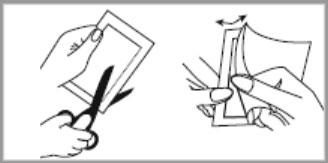
- Hold the open pouch by both edges and spread them apart.
- Remove the patch and apply it immediately.
- Keep the empty pouch to use later to dispose of the used patch.
- Each patch can only be used once.
- Do not remove the patch from the pouch until you are ready to apply it.
- Check if the patch is damaged.
- Do not use patches that are cut, broken, or damaged in any way.
- Never divide or cut patches.
Step 3: Removing the backing and applying the patch to the skin
- Make sure the clothing in the area where the patch will be applied is loose; do not wear tight, elastic bands or bandages.
- Carefully peel off one half of the shiny protective layer from the center of the patch. Avoid touching the adhesive layer of the patch.
- Apply the adhesive layer of the patch to the skin.
- Remove the second part of the protective layer and press the entire patch firmly onto the skin with your hand.
- Hold for at least 30 seconds. Make sure the patch is fully attached, especially at the edges.
Step 4: Removing the patch
- Immediately after removing the patch, fold it in half to make the adhesive layers stick together.
- Place it in the original pouch and dispose of it according to the pharmacist's instructions.
- Keep used patches in a place that is out of sight and inaccessible to children - even used patches still contain medicine that can be harmful to children and life-threatening.
Step 5: Washing hands
- Always wash your hands with clean water after applying or removing a patch.
Additional information about using Matrifen
Daily activities while using patches
- Patches are waterproof.
- You can take a shower or bath, but do not rub the patch.
- You can exercise or play sports while wearing a patch, with your doctor's permission.
- You can also swim while wearing a patch, but:
- Do not take long, hot baths or use a sauna.
- Do not wear tight, elastic bands or bandages over the patch.
- While using the patch, do not heat the patch attachment site with external heat sources, such as heated pads, electric blankets, hot water bottles, heated beds, heat lamps, or sunlamps. Do not sunbathe or take long, hot baths, saunas, or hot tubs with whirlpools. In these situations, there is a risk of increased release of the medicine from the patch. How quickly will the patch work?-
- The maximum effect of the first patch may be delayed.
- During the initial treatment period, the doctor may prescribe additional painkillers.
- After the initial treatment period, the patch should provide constant pain relief, so it may be possible to stop taking other painkillers. However, the doctor may occasionally recommend using additional painkillers.
How long will the patient use the patches?
- Matrifen patches are used to treat chronic pain. The attending doctor will inform the patient about the expected duration of treatment.
In case of increased pain
- If the pain suddenly worsens after applying the last patch, check the patch. If it is no longer attached well or has fallen off, replace it (see also the section "In case of patch detachment").
- If the pain worsens over time while using the patches, the attending doctor may prescribe a patch with a higher strength, and (or) administer additional painkillers.
- If increasing the patch strength does not improve the pain, the doctor may decide to stop using the patches.
In case of using more patches than prescribed or a patch with an incorrect dose
In case of using too many patches or a patch with an incorrect dose, remove the patches immediately and contact a doctor as soon as possible.
Symptoms of overdose include breathing disorders or shallow breathing, fatigue, excessive sleepiness, inability to think clearly, difficulty walking or talking normally, and feelings of fainting, dizziness, or confusion. Overdose can also cause brain disorders called toxic leukoencephalopathy.
If the patient forgets to change the patch
- Change the patch as soon as possible and make a note of the day and time. The next patch should be changed after the standard 3 days (72 hours).
- If more time has passed since the patch was changed, talk to a doctor, as additional painkillers may be necessary, but do notapply an extra patch.
In case of patch detachment
- If the patch detaches before the required change time, apply a new one in its place and make a note of the day and time. Apply the patch to a different location:
- To the upper body or arm.
- To the upper back - in the case of children.
- Inform the doctor and leave the patch on for 3 days (72 hours)or as advised by the doctor, until the next scheduled patch change.
- If the situation of patch detachment occurs repeatedly, contact a doctor, pharmacist, or nurse.
Stopping the use of patches
- Do not stop using this medicine suddenly. If the patient wants to stop using this medicine, they should first talk to their doctor. The doctor will inform them how to do it; usually, it is done by gradually reducing the dose, so that any unpleasant withdrawal symptoms are minimized. See also section 2 "Withdrawal symptoms after stopping the use of Matrifen".
- When stopping the use of patches, do not restart treatment without consulting a doctor. In such a situation, a different dose than before may be required.
If you have any further doubts about using the medicine, consult a doctor or pharmacist.
4. Possible side effects
Like all medicines, Matrifen can cause side effects, although not everybody gets them.
If the patient, partner, or caregiver notices any of the following symptoms in the person using the patches, they should remove the patch and contact a doctor or go to the nearest hospital immediately. Intensive medical care may be necessary.
Medical care.
- Feeling excessively tired, slowed down, or having shallow breathing. Follow the above advice and encourage the patient to move and talk as much as possible. Very rarely, these breathing disorders can be life-threatening or lead to death, especially in people who have not previously used strong opioid painkillers (such as Matrifen or morphine). (Uncommon, may occur in 1 in 100 people).
- Sudden swelling of the face or throat, severe irritation, redness, or blisters on the skin. These may be symptoms of a severe allergic reaction. (Frequency cannot be estimated from the available data.)
- Seizures. (Uncommon, may occur in 1 in 100 people).
- Decreased consciousness or loss of consciousness. (Uncommon, may occur in 1 in
- 100 people).
Other side effects have also been reported
Very common side effects (may occur in more than 1 in 10 people):
- nausea, vomiting, constipation,
- drowsiness,
- feeling dizzy,
- headache.
Common side effects (may occur in less than 1 in 10 people):
- allergic reaction,
- loss of appetite,
- insomnia,
- depression,
- feeling anxious or confused,
- seeing, feeling, hearing, or smelling things that do not exist (hallucinations),
- tremors or muscle spasms,
- disorders of sensation, tingling, burning skin (paresthesia),
- dizziness,
- rapid heartbeat or palpitations,
- high blood pressure,
- shortness of breath,
- diarrhea,
- dry mouth,
- abdominal pain or indigestion,
- excessive sweating,
- itching, rash, redness of the skin,
- inability to urinate or fully empty the bladder,
- feeling tired, weak, or unwell,
- feeling cold,
- peripheral edema on the limbs.
Uncommon side effects (may occur in less than 1 in 100 people):
- agitation or disorientation,
- unusual state of euphoria and increased activity (euphoria),
- decreased sensation, especially of the skin (hypoesthesia),
- memory loss,
- blurred vision,
- slow heartbeat or low blood pressure,
- hypoxia (cyanosis),
- intestinal obstruction (ileus),
- itchy rash, allergic reaction, or other skin disorders at the patch application site,
- flu-like symptoms,
- feeling changes in body temperature,
- fever,
- muscle tremors,
- erectile dysfunction or sexual function disorders
- difficulty swallowing.
Rare side effects (may occur in less than 1 in 1000 people):
- pupil constriction,
- periodic breathing pauses (apnea).
Frequency not known (cannot be estimated from the available data):
- male sex hormone deficiency (androgen deficiency),
- delirium (symptoms may include agitation, anxiety, disorientation, confusion, hallucinations, sleep disorders, nightmares),
- dependence on Matrifen (see section 2).
A rash, redness, or mild itching may occur at the patch application site on the skin. These reactions are usually mild and disappear after removing the patch. If they do not disappear or the patch causes significant skin irritation, tell a doctor.
Repeated use of patches may reduce the effectiveness of the medicine (the patient gets used to it or becomes more sensitive to pain) or may cause dependence on it.
After switching from other painkillers to Matrifen or suddenly stopping the use of Matrifen, the patient may experience withdrawal symptoms such as nausea, vomiting, diarrhea, anxiety, and chills. Immediately inform a doctor if such symptoms occur.
In newborns whose mothers have been using Matrifen for a long time during pregnancy, cases of withdrawal symptoms have been observed.
Reporting side effects
If side effects occur, including any not listed in this leaflet, tell a doctor, pharmacist, or nurse. Side effects can be reported directly to the Department of Drug Safety Monitoring, Office for Registration of Medicinal Products, Medical Devices, and Biocidal Products, Al. Jerozolimskie 181 C, 02-222 Warsaw, phone: +48 22 49 21 301, fax: +48 22 49 21 309, website: https://smz.ezdrowie.gov.pl. Side effects can also be reported to the marketing authorization holder. By reporting side effects, you can help provide more information on the safety of this medicine.
5. How to store Matrifen
Where to store the patches
Unused and used Matrifen patches should be stored in a place that is out of sight and inaccessible to children.
The medicine should be stored in a safe and protected place, inaccessible to other people. It can cause serious harm and lead to death if used accidentally or intentionally by someone it was not prescribed for.
How long to store Matrifen
Do not use this medicine after the expiry date stated on the outer packaging and protective pouch. The expiry date (after the abbreviation EXP) means the last day of the specified month.
If the expiry date has passed, return unused patches to the pharmacy.
No special storage requirements.
How to dispose of used and unused patches
Accidental attachment of a used or unused patch to another person's skin, especially a child, can be life-threatening.
A used patch should be folded in half, with the adhesive layers stuck together, placed in the original pouch, and then placed in a location that is out of sight and inaccessible to third parties, especially children, until disposal. Ask a pharmacist how to dispose of medicines that are no longer needed.
Do not throw medicines down the drain or into household waste. This will help protect the environment.
6. Contents of the pack and other information
What Matrifen contains
The active substance of Matrifen is fentanyl.
Patches are available in 5 different strengths (see the table below).
| Patch name: | Each patch contains: | Dose of medicine delivered by each patch: | Active surface area of each patch: |
| Matrifen, 12 micrograms/hour, transdermal system | 1.38 mg | 12 micrograms/hour | 4.2 cm2 |
| Matrifen, 25 micrograms/hour, transdermal system | 2.75 mg | 25 micrograms/hour | 8.4 cm2 |
| Matrifen, 50 micrograms/hour, transdermal system | 5.5 mg | 50 micrograms/hour | 16.8 cm2 |
| Matrifen, 75 micrograms/hour, transdermal system | 8.25 mg | 75 micrograms/hour | 25.2 cm2 |
| Matrifen, 100 micrograms/hour, transdermal system | 11 mg | 100 micrograms/hour | 33.6 cm2 |
Other ingredients are: dipropylene glycol, hydroxypropyl cellulose 10 mPas, dimethicone 350 cSt, silicone adhesive (amine resistant, medium tack), silicone adhesive (amine resistant, high tack), controlled-release membrane (ethylene-vinyl acetate copolymer EVA), outer foil (polyethylene terephthalate, PET), protective layer (polyethylene terephthalate, fluoropolymer), ink.
What Matrifen looks like and contents of the pack
Matrifen transdermal system is a transparent, rectangular patch. Each patch is packaged in a heat-sealed, child-resistant pouch made of paper, aluminum, and polyethylene terephthalate (PET). The patches have a color print with the trade name, active substance, and strength:
Matrifen, 12 micrograms/hour: brown print.
Matrifen, 25 micrograms/hour: red print.
Matrifen, 50 micrograms/hour: green print.
Matrifen, 75 micrograms/hour: light blue print.
Matrifen, 100 micrograms/hour: gray print.
Patches are supplied in cartons containing 1, 2, 3, 4, 5, 8, 10, 16, and 20 systems.
Not all pack sizes may be marketed.
Marketing authorization holder and manufacturer
Marketing authorization holder
Istituto Gentili S.r.l.
Via San Giuseppe Cottolengo 15
20143 Milan
Italy
e-mail: [email protected]
Manufacturer
LTS Lohmann Therapie-Systeme AG
Lohmannstrasse 2
- D – 56626 Andernach Germany
Date of last revision of the leaflet:03.2025
- Country of registration
- Active substance
- Prescription requiredYes
- ImporterLTS Lohmann Therapie Systeme AG
- This information is for reference only and does not constitute medical advice. Always consult a licensed doctor before taking any medication. Oladoctor is not responsible for medical decisions based on this content.
- Alternatives to Matrifen 75 mikrogramuv/godzinem sistem transdermalniDosage form: Tablets, 200 mcgActive substance: fentanylPrescription required
Alternatives to Matrifen 75 mikrogramuv/godzinem sistem transdermalni in other countries
The best alternatives with the same active ingredient and therapeutic effect.
Alternative to Matrifen 75 mikrogramuv/godzinem sistem transdermalni in Spain
Alternative to Matrifen 75 mikrogramuv/godzinem sistem transdermalni in Ukraine
Online doctors for Matrifen 75 mikrogramuv/godzinem sistem transdermalni
Discuss dosage, side effects, interactions, contraindications, and prescription renewal for Matrifen 75 mikrogramuv/godzinem sistem transdermalni – subject to medical assessment and local rules.









Get updates and exclusive offers
Be the first to know about new services, marketplace updates, and subscriber-only promos.

