


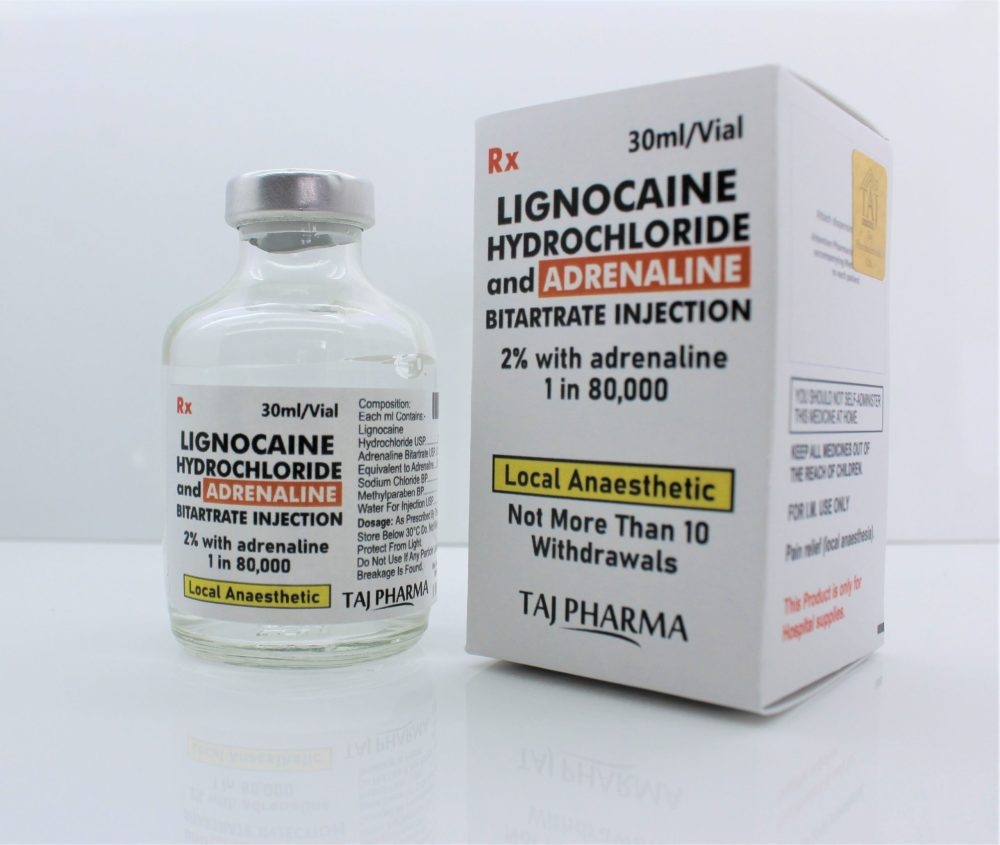
Lignocain 2%
Ask a doctor about a prescription for Lignocain 2%




How to use Lignocain 2%
PATIENT INFORMATION LEAFLET
Read the leaflet carefully before using the medicine
- Keep this leaflet, you may need to read it again.
- Ask your doctor or pharmacist if you need more information or advice.
- This medicine has been prescribed for you only. Do not pass it on to others, as it may harm them, even if their symptoms are the same as yours.
LIGNOCAIN 2%
injection solution
COMPOSITION:
1 ml of solution contains:
lidocaine hydrochloride (monohydrate) 20 mg
Excipients:
sodium chloride:
5.30 mg
sodium hydroxide (0.1 M solution)
0.04 ml
water for injections
up to 1.00 ml
*)
| Volume of injection solution in available packs: | 5 ml (ampoule, container) | 10 ml (container) | 20 ml (container) |
| Content of lidocaine hydrochloride (monohydrate) | 100 mg | 200 mg | 400 mg |
Marketing Authorisation Holder
Manufacturers
- B. Braun Melsungen AG Carl-Braun-Strasse 1 D-34212 Melsungen Germany
- B. Braun Melsungen AG Carl-Braun-Strasse 1 D-34212 Melsungen Germany
- B. Braun Melsungen AG Mistelweg 2 D-12357 Berlin Germany
Table of Contents of the Leaflet
- 1.What is Lignocain 2% and what is it used for
- 2. Before you useLignocain 2%
- 3. How to use Lignocain 2%
- 4. Possible side effects
- 5. Storing Lignocain 2%
- 6. Other information
1. What is Lignocain 2% and what is it used for
Pharmaceutical form
Injection solution
Packaging
Lignocain 2% is supplied in the following packaging:
- glass ampoules with a capacity of 5 ml
- packed in 10 pieces in cardboard boxes
- containers made of plastic material with a capacity of 5, 10, 20 ml - packed in 20 pieces in cardboard boxes
Therapeutic group
For local and conduction anesthesia
(2% solution is not suitable for intravenous regional anesthesia)
- for local anesthesia: infiltration, epidural (peridural), peripheral nerve blocks;
- for anesthesia of nerves and nerve plexuses outside the dura mater;
- for nerve anesthesia in dentistry.
As an antiarrhythmic agent
- in life-threatening ventricular arrhythmias: ventricular tachycardia or ventricular fibrillation and to prevent their occurrence in myocardial infarction, after invasive cardiology and cardiac surgery procedures;
- to prevent recurrences of ventricular fibrillation and ventricular tachycardia after defibrillation or cardioversion.
2. Before you use Lignocain 2%
- • Main contraindicationsAdministration of Lignocain 2% solution is contraindicated in the following conditions:
- hypersensitivity to local anesthetics of the amide group; possible use is allowed after determining a safe dose by the method of gradual dose increase, while maintaining all safety measures;
- atrioventricular blocks II or III degree, blocks of the bundle branches;
- heart automaticity failure.
- • Contraindications related to the use as an anestheticIntra-muscular injections should be avoided. 2% lidocaine solution should not be used to relieve pain in obstetrics. Also, attention should be paid to specific contraindications in the case of spinal (subarachnoid) and epidural (peridural) anesthesia, such as:
- uncompensated hypovolemia;
- coagulation disorders;
- increased intracranial pressure.
Spinal anesthesia should not be performed in young people and adults under 30 years of age due to the frequent occurrence of post-anesthetic headache in this age group.
Instructions
regarding
safety
in
epidural
(peridural)
and spinal anesthesia in conditions of thromboprophylaxis, see section "Precautions for use in local anesthesia”.
- • Contraindications related to the use as an antiarrhythmic agentLignocain 2% should not be used in the following cases:
- atrioventricular blocks II and III degree, blocks of the bundle branches;
- heart automaticity failure;
- acute heart failure (left ventricular ejection fraction less than 35%), unless ventricular arrhythmia is life-threatening;
- hypersensitivity to local anesthetics of the amide group;
- renal and hepatic failure.
Warnings and precautions
In patients treated with anticoagulant drugs (e.g. heparins), non-steroidal anti-inflammatory drugs or plasma substitutes, after injection of a local anesthetic, one should expect an increased risk of bleeding. Therefore, in the case of these patients, prior checking of the coagulation system is required (see also below).
In the case of acidosis, the binding of lidocaine to plasma proteins is decreased, which leads to an increase in the concentration of unbound lidocaine. In such situations, the effect of lidocaine may be enhanced.
- Precautions for use in local anesthesiaBefore starting each anesthesia procedure, it is necessary to ensure adequate intravascular volume replenishment and, if necessary, correct hypovolemia. During anesthesia of areas in the neck and head, patients are at greater risk of toxic effects of the drug on the central nervous system. Circulation in patients receiving the drug should be carefully monitored. All instruments and drugs necessary for life-saving, including artificial respiration, anticonvulsant drugs, and resuscitation equipment, must be available. Similarly, before administering epidural anesthesia, it is necessary to ensure access to complete resuscitation equipment, such as intubation equipment, oxygen administration, and emergency measures against toxic reactions. To avoid adverse effects, attention should be paid to the following recommendations:
- Establish intravenous access in patients at risk when doses exceeding the maximum recommended doses by more than 25% are used.
- Use the lowest possible doses.
- Do not routinely use vasoconstrictor drugs in combination with local anesthesia.
- Ensure proper patient positioning.
- Perform aspiration in two directions (rotate the needle!).
- Avoid injections in areas with inflammation, due to the possibility of increased systemic absorption and weaker effect.
- Inject the anesthetic slowly!
- Monitor blood pressure, pulse, and pupil width.
- Comply with all general and specific contraindications and interactions with other drugs. In patients treated with anticoagulant drugs (e.g. heparins), non-steroidal anti-inflammatory drugs, or plasma substitutes, accidental vascular puncture during the anesthesia procedure may cause serious complications in the form of bleeding; in such patients, one should also consider the increased overall risk of bleeding during injection of the local anesthetic. If necessary, coagulation parameters such as partial thromboplastin time (PTT) or activated partial thromboplastin time (aPTT) and Quick index should be measured, and platelet count should be determined. These tests should also be performed in patients who are to receive spinal or epidural anesthesia during prophylactic anticoagulation therapy with low-dose heparins. Local anesthesia should be performed with particular caution in patients receiving low molecular weight heparins (LMWH) as part of thromboembolic event prophylaxis.
Determination of bleeding time is necessary in patients taking non-steroidal anti-inflammatory drugs within five days immediately preceding spinal or epidural anesthesia.
- Precautions for use in antiarrhythmic treatmentDuring prolonged administration of lidocaine by the parenteral route, it is necessary to regularly monitor water balance, serum electrolyte levels, and acid-base balance.
Use with food and drinks
Food intake does not affect the efficacy of the drug.
Pregnancy or breastfeeding
There are insufficient data to assess the safety of lidocaine use during pregnancy.
Regarding antiarrhythmic use, lidocaine should be administered to pregnant women only in very important indications and in the smallest possible doses.
Regarding use in local nerve blockduring pregnancy, it should be noted that although this technique is associated with the lowest risk among various medical interventions, lidocaine should be administered only after careful analysis of potential benefits and risks, if there are no safer methods of treatment.
Epidural anesthesia (peridural) in obstetric applications is contraindicated in cases where significant bleeding can be expected or where the placenta is deeply embedded.
In rare cases, during childbirth, in which local anesthesia with lidocaine was used, newborns may experience symptoms of toxicity: bradycardia, atrioventricular block, and ventricular tachycardia.
It is not known whether lidocaine passes into breast milk. Therefore, the use of lidocaine during breastfeeding requires caution.
Driving and using machines
After using lidocaine in surgical, dental, or other procedures in which the drug was used on large areas of the body, the doctor must assess whether the patient is able to drive or operate machinery.
Using with other medicines
Caution should be exercised when administering lidocaine to patients taking sedative drugs that affect the central nervous system. There is antagonism between local anesthetics and sedative or hypnotic drugs (e.g. diazepam). The latter increase the convulsive threshold in the central nervous system. This should be taken into account when monitoring patients for signs of lidocaine toxicity.
Caution is also advised in patients treated with propranolol, diltiazem, verapamil, and norepinephrine. These drugs decrease lidocaine clearance and increase its concentration in plasma, contributing to the prolongation of the lidocaine elimination half-life. Therefore, the possibility of lidocaine accumulation should be considered.
Lidocaine should be administered with particular caution to patients taking cimetidine. Due to decreased liver perfusion and inhibition of liver microsomal enzymes, toxic concentrations of lidocaine in plasma may occur even when normal doses are used in intercostal nerve block.
Concomitant administration of lidocaine and aprindine may lead to the summation of adverse effects. Due to the similar chemical structure, the adverse effects of aprindine and lidocaine are similar.
Synergism between local anesthetics and centrally acting analgesic drugs, chloroform, ether, and thiopental, in terms of central depressive effects, has been reported.
Cardiac glycosides reduce the toxicity of lidocaine.
Lidocaine prolongs the effect of non-depolarizing muscle relaxants, especially succinylcholine.
Drugs that stimulate liver metabolism of drugs through microsomal enzyme induction, such as barbiturates (mainly phenobarbital) or phenytoin, increase lidocaine clearance from plasma, thereby reducing its efficacy.
In the case of concomitant administration of lidocaine and inhaled general anesthetics, depressive effects may be enhanced.
- Other interactions relevant during use in local anesthesiaLocal anesthetic effect is prolonged after administration in a mixture with a vasoconstrictor. Administration of ergot alkaloids, e.g. ergotamine, together with epinephrine, which may be present in a mixture with a local anesthetic, can cause significant hypotension. The combination of different local anesthetics can lead to the summation of effects on the cardiovascular and central nervous systems. The local anesthetic effect of lidocaine may be prolonged by the addition of small amounts of atropine. This is probably due to the decreased tissue permeability under the influence of atropine. Low doses of physostigmine may protect against the toxic effects of lidocaine.
- Other interactions relevant during use in antiarrhythmic treatmentIf lidocaine is administered together with other antiarrhythmic drugs, such as beta blockers or calcium channel blockers, the effect of atrioventricular and intraventricular conduction inhibition may be enhanced. Additional administration of epinephrine or norepinephrine may lead to significant enhancement of cardiac adverse effects.
3. How to use Lignocain 2%
Dosage and administration of the drug
Dosage
- Local anesthesiaAs a rule, the smallest possible dose should be administered, which ensures sufficient anesthesia. The dose should be individually adjusted to the patient's age and body weight, as well as to the circumstances of each case. When injecting into tissues characterized by significant systemic absorption, without concomitant administration of a vasoconstrictor, a single dose of lidocaine should not exceed 300 mg. If a vasoconstrictor is used in a mixture, a single dose should not exceed 500 mg. In elderly patients and children, the dose should be adjusted individually. In the following clinical applications, the recommended single doses of injection solution and active substance are:
In order to prolong anesthesia, lidocaine can be used in a mixture with a vasoconstrictor, e.g. epinephrine. It has been proven that the addition of epinephrine in a concentration of 1:100,000 to 1:200,000 is beneficial. Especially in dentistry, the use of local anesthesia in combination with a vasoconstrictor may be necessary. However, lidocaine in combination with epinephrine should only be used in facial anesthesia (teeth, oral cavity, jaws).
| Type of anesthesia/administration site | Lignocain 2% | mg of lidocaine hydrochloride (monohydrate) |
| Surface anesthesia | up to 15 ml | up to 300 mg |
| Infiltration anesthesia | up to 15 ml | up to 300 mg |
| Infiltration and conduction anesthesia in dentistry | up to 15 ml | up to 300 mg |
| Peripheral nerve block | up to 15 ml | up to 300 mg |
| Epidural anesthesia | up to 15 ml | up to 300 mg |
| Local infiltration anesthesia | up to 25 ml | up to 500 mg |
Lower concentrations of the anesthetic should be used in children. Doses should be calculated individually, taking into account the patient's age and body weight.
Lower doses should be used in patients in poor general health and with reduced protein binding capacity (e.g. due to renal or hepatic failure, cancer, or pregnancy).
In patients with renal failure, a shorter duration of local anesthesia has been observed. This effect can be attributed to accelerated systemic absorption due to acidosis or increased cardiac minute volume.
Patients with liver disease show reduced tolerance to amide-type local anesthetics due to decreased liver metabolism and reduced protein synthesis, resulting in lower binding of the anesthetic to proteins. In such cases, dose reduction is recommended.
A lower dose should also be used in patients showing clinical signs of heart failure or impulse generation and conduction disorders. In such patients, it is recommended to monitor cardiac function, also after the end of the local anesthesia effect. Regardless of this, the preferred method of anesthesia in such patients may be local nerve block.
In obstetric applications, the dose should be reduced by about one-third due to the changed anatomical characteristics in late pregnancy.
- Treatment of acute ventricular tachycardia or tachyarrhythmiaAdultsInitially 70 to 100 mg (1 to 1.5 mg/kg body weight) of monohydrate lidocaine hydrochloride, which corresponds to 3.5 to 5 ml (0.05 to 0.075 ml/kg body weight) of Lignocain 2% preparation, slowly intravenously.
The rate of administration should not exceed 25 mg/minute, which corresponds to 1.25 ml of Lignocain 2% preparation/minute.
If the therapeutic effect of the first dose is insufficient, a second dose, equal to one-third to half of the initial dose, can be administered after 10-15 minutes.
Within one hour, no more than 200 to 300 mg of monohydrate lidocaine hydrochloride (corresponding to 10 to 15 ml of Lignocain 2% preparation) can be administered.
To maintain a therapeutic concentration of lidocaine in plasma (1.5 – 5 mg/l), monohydrate lidocaine hydrochloride is administered by intravenous infusion at a rate of 20 to 50 micrograms/kg body weight/minute, which corresponds to 0.001 to 0.0025 ml of Lignocain 2% preparation/kg body weight/minute.
The infusion can be prepared by adding 1000 mg of monohydrate lidocaine hydrochloride (corresponding to 50 ml of Lignocain 2% preparation) to 500 ml of glucose or physiological saline solution.
A patient weighing 70 kg should receive 1 to 2 ml of this solution per minute, which corresponds to 2 to 4 mg of monohydrate lidocaine hydrochloride per minute.
The dose should be adjusted according to individual needs and therapeutic effect.
After prolonged infusion of lidocaine (more than 12 hours), accumulation should be expected due to the prolonged biological half-life of lidocaine, and the dose should be reduced accordingly.
The dose should also be reduced in patients with heart failure or liver disease, in patients taking drugs that enhance the effect of lidocaine (see section 4.5 Interactions), during pregnancy, and in patients over 60 years of age.
Renal failure does not require special dose adjustment, but patients in this group should be monitored for toxic effects caused by the accumulation of active metabolites.
Dose adjustment of antiarrhythmic drugs requires careful cardiac monitoring. Access to resuscitation equipment and the possibility of monitoring cardiac function on a monitor should be ensured. During therapy, cardiac function should be controlled at regular intervals, e.g. standard ECG once a month or long-term ECG once every three months. If necessary, exercise electrocardiography should also be performed. If one or more parameters indicate deterioration of cardiac function, e.g. prolongation of the QRS or QT interval by more than 25%, prolongation of the PQ interval by more than 50%, increase in QT above 500 ms, or an increase in the number and/or severity of arrhythmia episodes, a change in treatment is necessary.
Children
The safety and efficacy of lidocaine in children have not been established. The American Heart Association (American Heart Association) in its "Standards and Guidelines for Cardiopulmonary Resuscitation and Emergency Cardiovascular Care" from 1992 recommends an initial dose of 1 mg/kg body weight, and then - if necessary - an intravenous infusion of 20 to 50 micrograms/kg body weight/minute. To ensure a sufficiently high concentration of lidocaine in plasma, a second dose of 1 mg/kg body weight can be administered before infusion.
Special dosage recommendations
In critical cases and during long-term treatment, it is recommended to monitor the plasma concentration of lidocaine, maintaining it at a level of 3 (1.5 – 5) mg/l. Exact dosing should be determined individually for each patient.
Duration of treatment
Infusion should be discontinued immediately after stabilization of the heart rhythm or after the first signs of overdose appear.
Administration method
- Local anesthesiaDepending on the anesthetic procedure, the solution is administered by subcutaneous, subfascial, or epidural injection, injected into a limited tissue space (infiltration anesthesia) or administered locally by puncture appropriate to the given anatomical situation.
All anesthesia procedures should be performed by personnel qualified in the given anesthetic technique.
As a rule, in the case of continuous anesthesia, lower concentrations are recommended.
- Treatment of acute ventricular tachyarrhythmiaSlow intravenous injection or intravenous infusion after dilution in an appropriate auxiliary solution.
Lidocaine administration should be accompanied by constant ECG monitoring, blood pressure, and patient respiration. In the event of prolongation of the P-Q interval, widening of the QRS complex, or further widening of the previously widened QRS complex during lidocaine administration (which may be the first sign of relative overdose), or in the event of worsening of arrhythmia, lidocaine administration should be discontinued. In critical situations, if bradycardia is ruled out, lidocaine can be administered with continuous monitoring of heart rate.
Due to the relatively short duration of action of lidocaine, after injection, a continuous infusion should be used, if possible using an infusion pump.
When using preparations containing lidocaine, it should be taken into account that it has not been proven that treatment with class I antiarrhythmic drugs has an effect on prolonging life.
Warning:
In patients under anesthesia, central nervous system disorders may not manifest and sudden cardiac adverse effects may occur.
In case of overdose
Low, toxic doses of lidocaine cause central nervous system stimulation. High overdose, leading to high, toxic concentrations in plasma, causes central depression.
Two phases of lidocaine poisoning can be distinguished:
a)
Stimulation
Central nervous system:
Unpleasant sensation in the mouth, paresthesia of the tongue, anxiety, delirium, convulsions
Cardiovascular system:
Tachycardia, hypertension, hot flashes
b)
Depression
Central nervous system:
Coma, respiratory arrest
Cardiovascular system:
Unpalpable pulse, pallor, cardiac arrest
In the initial period of local anesthetic poisoning, patients mainly exhibit symptoms of stimulation: anxiety, dizziness, hearing and vision disturbances, tingling (mainly in the tongue and mouth), speech impairment (dysarthria). Body tremors or muscle twitching may be a sign of an impending convulsive seizure. Concentrations of lidocaine in plasma that do not cause convulsions may also cause drowsiness or have a sedative effect. During the progression of central nervous system poisoning, after the phase of convulsions, there is a growing disturbance of brainstem function in the form of respiratory depression and coma, and even death.
Sudden hypotension is often the first sign of lidocaine cardiotoxicity. Hypotension is mainly caused by the negative inotropic effect of lidocaine and the reduction of cardiac preload. However, these toxic effects are less dangerous than the adverse effects of a neurological nature.
The occurrence of neurological or cardiac symptoms requires immediate action
- Discontinue administration of the anesthetic.
- Ensure that the airways remain open. Provide oxygen ventilation (100% O2) - assisted or controlled - initially using a face mask, and then - if necessary - also by intubation. Oxygenation must be continued until all critical vital functions return to normal.
- Carefully monitor blood pressure, pulse, and pupil width. These measures should also be taken in the event of accidental total spinal anesthesia, which initially manifests as anxiety, whispering voice, and drowsiness, which can lead to loss of consciousness and respiratory arrest. Additionally, the following additional therapeutic measures should be taken:
- In the case of significant hypotension, the patient's head should be lowered and an alpha-sympathomimetic drug should be administered by slow intravenous injection (e.g. 10-20 drops of a 1 mg isoprenaline solution in 200 ml glucose solution). Additionally, a fluid (e.g. electrolyte solution) should be administered.
- In the case of increased vagal tone (bradycardia), 0.5-1 mg of atropine should be administered intravenously.
- In the case of convulsions, small doses of a short-acting barbiturate, such as thiopental (50-100 mg), or diazepam (5-10 mg), should be administered intravenously until control over the convulsions is achieved. If convulsions persist, thiopental (250 mg) and a short-acting muscle relaxant should be administered, intubation should be performed, and artificial ventilation with 100% oxygen should be provided. It should be noted that oxygen ventilation alone may be sufficient treatment after the first signs of convulsions appear.
- It is assumed that the principles of action in the event of cardiac arrest are known. In severe cases, it is recommended to contact a specialist in the field of anesthesiology and intensive care. The use of centrally acting analeptic drugs is contraindicated! There is no specific antidote. Lidocaine is not removed during dialysis.
4. Possible side effects
Possible side effects of lidocaine are largely the same as those of other amide-type local anesthetics. Systemic adverse effects, which can be expected at plasma concentrations exceeding 5-10 mg/l, are related to the details of the injection technique, pharmacokinetic or pharmacodynamic disorders. They manifest as both neurological and cardiac symptoms.
Blood pressure usually rises only slightly at lidocaine plasma concentrations used in standard clinical practice, which is the result of positive inotropic and chronotropic effects.
Sudden hypotension as a sign of cardiotoxicity may be the first sign of relative overdose of the drug.
Similar to other local anesthetics, the use of lidocaine cannot rule out the occurrence of malignant hyperthermia. In principle, the use of lidocaine is considered safe in patients with a history of malignant hyperthermia or susceptibility, although the occurrence of this complication has been reported in one patient who received epidural anesthesia using lidocaine.
After spinal anesthesia, transient lower limb and lower back pain often occur. Such pain may persist for up to 5 days and resolves spontaneously.
After central nerve blocks - mainly after spinal anesthesia - neurological complications, such as persistent paresthesia or lower limb paralysis and urinary incontinence (e.g. cauda equina syndrome), occur rarely.
In very rare cases, allergy to amide-type local anesthetics may manifest as urticaria, edema, bronchospasm, respiratory or circulatory disorders.
Proarrhythmic effects, manifesting as changes in the course or worsening of existing arrhythmia, can lead to serious cardiac function disorders, threatening possible cardiac arrest.
Local thrombophlebitis may occur as a result of prolonged infusion.
Reporting suspected adverse reactions
After the product has been placed on the market, it is important to report any suspected adverse reactions. This allows for continuous monitoring of the benefit-risk ratio of the product. Healthcare professionals should report any suspected adverse reactions via the Department of Adverse Reaction Monitoring of the Office for Registration of Medicinal Products, Medical Devices, and Biocidal Products:
Jerozolimskie Avenue 181C, 02-222 Warsaw
Phone: +48 22 49 21 301
Fax: +48 22 49 21 309
website: https://smz.ezdrowie.gov.pl
By reporting adverse reactions, more information can be collected on the safety of this drug.
5. Storing Lignocain 2%
Store at a temperature below 25°C.
Shelf life
Do not use after the expiry date stated on the packaging.
6. Other information
In order to obtain more detailed information, please contact the representative of the marketing authorization holder:
Poland
Aesculap Chifa Sp. z o.o. Tysiąclecia 14
64-300 Nowy Tomyśl phone: (0-61) 44 20 100
Date of leaflet preparation: 2023-04-17
- Country of registration
- Active substance
- Prescription requiredYes
- Manufacturer
- ImporterB. Braun Melsungen AG
- This information is for reference only and does not constitute medical advice. Always consult a licensed doctor before taking any medication. Oladoctor is not responsible for medical decisions based on this content.
- Alternatives to Lignocain 2%Dosage form: Gel, 0.5 g/100 gActive substance: lidocainePrescription not requiredDosage form: Aerosol, 96 mg/gActive substance: lidocaineManufacturer: Aflofarm Farmacja Polska Sp. z o.o.Prescription not requiredDosage form: Gel, 20 mg/gActive substance: lidocaineManufacturer: Chemische Fabrik Kreussler Co.GmbHPrescription not required
Alternatives to Lignocain 2% in other countries
The best alternatives with the same active ingredient and therapeutic effect.
Alternative to Lignocain 2% in Hiszpania
Alternative to Lignocain 2% in Ukraina
Online doctors for Lignocain 2%
Discuss dosage, side effects, interactions, contraindications, and prescription renewal for Lignocain 2% – subject to medical assessment and local rules.









Get updates and exclusive offers
Be the first to know about new services, marketplace updates, and subscriber-only promos.

