


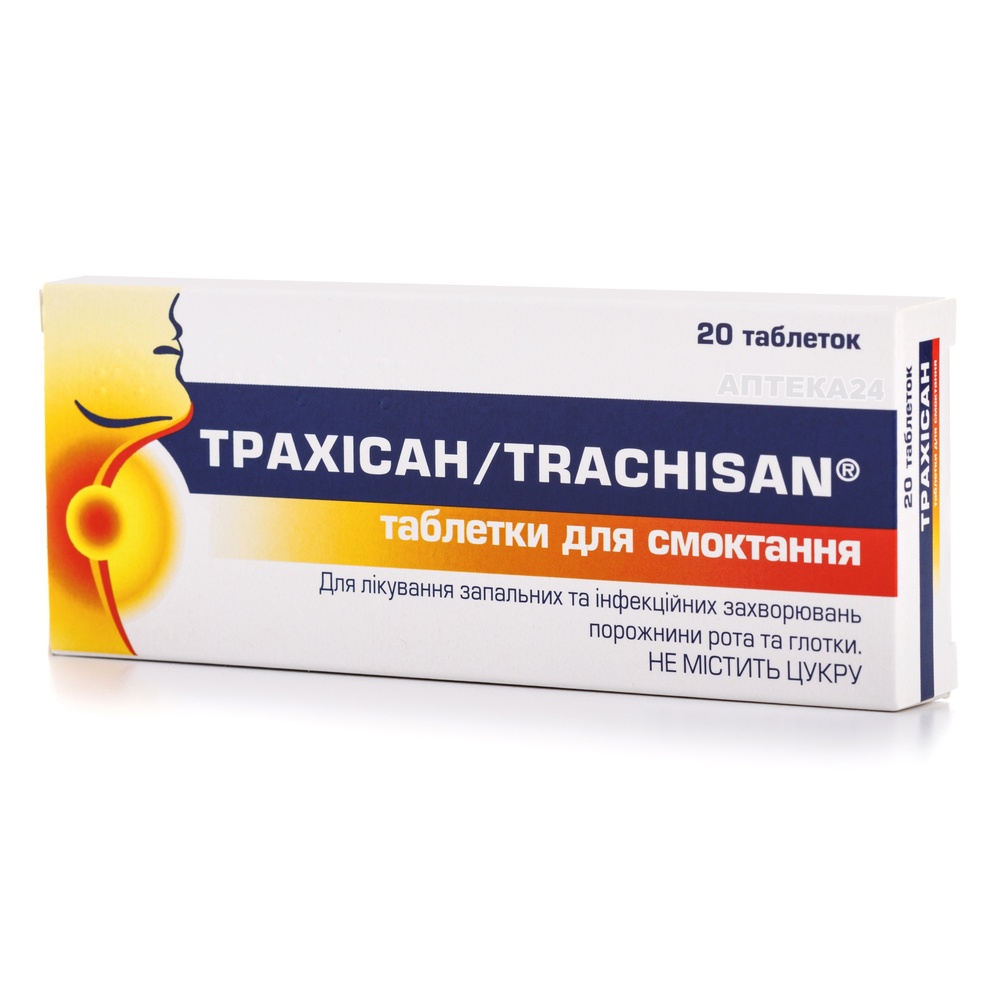
TRAHISAN
Zapytaj lekarza o receptę na TRAHISAN




Jak stosować TRAHISAN
INSTRUCTIONS FOR MEDICAL USE OF THE MEDICINAL PRODUCT GENTAMICIN-ZDOROVYE (GENTAMICIN-ZDOROVYE)
Composition
The active substance is gentamicin; 1 ml of the solution contains gentamicin sulfate in terms of gentamicin 40 mg; excipients: sodium metabisulfite (E 223), disodium edetate, water for injections.
Pharmaceutical Form
Solution for injections.
Main Physical and Chemical Properties
A clear colorless or slightly greenish-yellow solution.
Pharmacotherapeutic Group
Antibacterial agents for systemic use. Aminoglycosides. Gentamicin. ATC Code J01G B03.
Pharmacological Properties
Pharmacodynamics
Gentamicin is an antibiotic of the aminoglycoside group of the second generation with a broad spectrum of action. It exhibits bactericidal action. By actively penetrating the bacterial cell membrane, it irreversibly binds to the 30S subunit of bacterial ribosomes, preventing the formation of a complex of transport and matrix RNA, which disrupts protein synthesis of the pathogen.
Highly effective against various species of gram-positive and gram-negative microorganisms: Escherichia coli, Proteus spp. (indole-positive and indole-negative), Pseudomonas aeruginosa, Klebsiella spp., Enterobacter spp., Serratia spp., Citrobacter spp., Salmonella spp., Shigella spp., and Staphylococcus spp. (including penicillin- and methicillin-resistant strains).
Resistant to gentamicin are: Streptococcus pneumoniae, most other species of streptococci, enterococci, Treponema pallidum, and anaerobic microorganisms such as Bacteroides spp. or Clostridium spp.
Pharmacokinetics
Gentamicin is easily absorbed after parenteral administration, reaching Cmax in plasma within 30 minutes after the end of intravenous infusion and within 0.5-2 hours after intramuscular administration.
Therapeutic concentrations in the blood (not less than 6-10 μg/ml) are maintained for 6-8 hours.
During intravenous drip administration, the concentration of gentamicin in plasma blood during the first hours exceeds the concentration achieved after intramuscular administration of the drug. Binding to blood proteins is 20-30%. The volume of distribution is 0.25 l/kg.
In therapeutic concentrations, it is determined in kidney tissue, lungs, in pleural and peritoneal exudates. Normally, gentamicin poorly passes through the blood-brain barrier, but in meningitis, the concentration in cerebrospinal fluid increases.
Approximately 70% of gentamicin is excreted unchanged in the urine within a day through glomerular filtration. The half-life from plasma is 2-4 hours in adults with normal liver function, 2.5-4 hours in children, and 5-8 hours in newborns. With impaired renal excretory function, the concentration of gentamicin in the blood significantly increases, and the period of its half-life increases (up to 70 hours or more).
Clinical Characteristics
Indications
Given the limited therapeutic width of gentamicin, it should be used in cases where microorganisms are resistant to safer antibiotics.
Gentamicin is prescribed for the treatment of infections caused by susceptible pathogens, including:
- septicemia (including neonatal sepsis);
- complicated urogenital infectious diseases;
- infectious diseases of the lower respiratory tract;
- infectious diseases of the skin, bones, joints, soft tissues; infected burn wounds;
- infectious diseases of the central nervous system (including meningitis) in combination with beta-lactam antibiotics;
- infections of the abdominal cavity (including peritonitis).
Contraindications
Increased sensitivity to the components of the drug/aminoglycoside antibiotics, chronic renal failure with azotemia and uremia, neuritis of the auditory nerve, myasthenia, parkinsonism, botulism (gentamicin can cause disorders of neuromuscular transmission, which can lead to further weakening of skeletal muscles), old age, previous treatment with ototoxic drugs. The limitation to the use of the drug is acute renal failure.
Interaction with Other Medicinal Products and Other Types of Interactions
It is recommended to avoid simultaneous and/or sequential systemic or local use of other neurotoxic and/or nephrotoxic agents, such as cisplatin, cephaloridine, aminoglycoside antibiotics, polymyxin B, colistin, vancomycin.
Enhances (mutually) the effect of carbenicillin, benzylpenicillin, and cephalosporins; increases the toxicity of digoxin. When used in combination with bisphosphonates, the risk of developing hypocalcemia increases.
Potent diuretics (furosemide, ethacrynic acid) enhance ototoxicity and nephrotoxicity, muscle relaxants (succinylcholine, tubocurarine, decamethonium) - the possibility of respiratory function disorders due to neuromuscular blockade. When used in combination with inhalation anesthetics, opioid analgesics, magnesium sulfate, and transfusion of large amounts of blood with citrate preservatives, the risk of neuromuscular blockade, up to the development of apnea, increases.
The risk of kidney function impairment increases when gentamicin is used in combination with indomethacin, phenylbutazone, and other non-steroidal anti-inflammatory drugs that impair renal blood flow, as well as with quinidine, cyclophosphamide, cephalosporins (it is recommended to monitor kidney function), ganglionic blockers, verapamil, and polyglucin.
A decrease in the half-life is noted in patients with pronounced kidney function impairment when carbenicillin is used in combination with gentamicin.
Botulinum toxin increases the risk of toxicity due to enhanced neuromuscular blockade.
Concomitant use with oral anticoagulants may increase the hypoprothrombinemic effect.
An antagonistic effect may occur when gentamicin is administered simultaneously with neostigmine or pyridostigmine.
Features of Application
In connection with the broad spectrum of action, gentamicin can be prescribed for mixed infections, as well as in cases where the pathogen is not established, usually in combination with semi-synthetic penicillins (ampicillin, carbenicillin).
Rapid direct intravenous administration of the drug is not recommended.
During treatment with the drug, especially in large doses or for a long time, to avoid its toxicity and ensure clinical efficacy (especially in patients with impaired renal function), it is necessary to regularly perform blood tests and control glomerular filtration every 3 days (if this indicator decreases by 50%, the drug should be canceled). Regularly (1 or 2 times a week, and in patients who receive higher doses or are treated for more than 10 days, daily) it is necessary to monitor kidney function. It is recommended to conduct research on vestibular function or determine hearing loss at high frequencies 1-2 times a week. Symptoms of kidney function impairment or damage to the auditory or vestibular apparatus require discontinuation of gentamicin therapy or, in exceptional cases, correction of its dose. In individual cases, hearing impairments may occur after the end of treatment.
Gentamicin sulfate should be used with caution in patients with dehydration, botulism, parkinsonism, diabetes, medium otitis (including in the anamnesis), hypocalcemia, obesity, as well as in elderly patients and patients who have previously taken ototoxic drugs.
During treatment, it is necessary to consume a sufficient amount of fluid.
It is necessary to inform the doctor about the presence of the following symptoms: a feeling of any hearing loss, a feeling of ringing or noise in the ears, dizziness, coordination disorders, numbness, tingling of the skin, muscle twitching, convulsions at any time during treatment. This may indicate the development of neurological side effects.
In connection with the small clinical experience, it is not recommended to administer the entire daily dose of gentamicin in such conditions: burns over 20% of the body surface, cystic fibrosis, ascites, endocarditis, chronic renal failure with the use of hemodialysis, sepsis.
There is an increased risk of ototoxicity in patients with mutations in mitochondrial DNA (in particular, when replacing nucleotide 1555 A with G in the 12S rRNA gene), even if the levels of aminoglycosides in blood serum during treatment are within the recommended range. For such patients, alternative treatment options should be considered.
In patients with relevant mutations in their mother's anamnesis or deafness caused by aminoglycosides, it is necessary to consider the possibility of using alternative treatment methods or conducting genetic testing before using the drug.
Among aminoglycoside antibiotics, cross-hypersensitivity is possible.
On the background of treatment, resistance of microorganisms may develop. In this case, the drug should be canceled, and the sensitivity of microorganisms to other antibiotics should be investigated.
Sodium metabisulfite (E 223) can rarely cause hypersensitivity reactions and bronchospasm.
This medicinal product contains less than 1 mmol (23 mg)/dose of sodium, i.e., it is practically sodium-free.
Use During Pregnancy or Breastfeeding
The drug is contraindicated during pregnancy. When prescribing the drug during breastfeeding, breastfeeding should be stopped.
Ability to Affect the Speed of Reaction When Driving Vehicles or Operating Other Mechanisms
Data on the effect of gentamicin on the ability to drive a car or other mechanisms are absent. However, in some patients, the drug in high doses can cause balance disorders, accompanied by nausea and dizziness, so during therapy, it is recommended to refrain from engaging in potentially hazardous activities that require increased attention and speed of psychomotor reactions (including driving vehicles and mechanisms).
Method of Administration and Dosage
The drug is prescribed intramuscularly and intravenously.
The dose, method of administration, and intervals between administrations depend on the localization and severity of the infection, the patient's age, and kidney function. The dosage regimen is calculated based on the patient's body weight. When the clinical condition improves or side effects develop, the dose should be reduced.
Adults and children over 14 years old. Usually, the daily dose of the drug for patients with moderate/severe infection is 3 mg/kg of body weight intramuscularly, divided into 2-3 administrations. The maximum daily dose for adults is 5 mg/kg, divided into 3-4 administrations. The usual duration of treatment with the drug for all patients is 7-10 days.
In severe and complicated infections, the course of therapy can be extended if necessary. In such cases, it is recommended to monitor kidney function, hearing, and vestibular apparatus, since the toxicity of the drug manifests after its use for more than 10 days.
Calculation of body weight for which the drug should be prescribed. The dose should be calculated based on the actual body weight (ABW) if the patient does not have excess body weight (i.e., no more than 20% above the ideal body weight (IBW)). Given that gentamicin is poorly distributed in fatty tissue, if the patient has excess body weight, the dose should be calculated using the formula: IBW + 0.4 (ABW - IBW).
In case of impaired renal function, it is necessary to change the dosage regimen of the drug to ensure therapeutic adequacy of treatment. Whenever possible, it is necessary to control the concentration of gentamicin in blood serum, which 30-60 minutes after intramuscular administration should be 5-10 μg/ml.
Before prescribing gentamicin, it is necessary to determine the creatinine clearance. The initial single dose for patients with stable chronic renal failure is 1-1.5 mg/kg, and subsequent doses and intervals between administrations should be determined based on creatinine clearance.
| Creatinine Clearance, ml/min | All Subsequent Doses (% of Initial Dose) | Interval Between Administrations, hours |
|---|---|---|
| 70 | 100 | 8 |
| 40-69 | 100 | 12 |
| 30-39 | 50 | 8 |
| 20-29 | 50 | 12 |
| 15-19 | 50 | 16 |
| 10-14 | 50 | 24 |
| 5-9 | 50 | 36 |
Adult patients with bacterial infections who are on dialysis should be prescribed 1-1.5 mg/kg after each dialysis session. For peritoneal dialysis, 1 mg of gentamicin should be added to 2 liters of dialysis solution.
Children. Children under 3 years old should be prescribed gentamicin sulfate only for life-threatening indications.
Daily doses are: for newborns and children under 1 year - 2-5 mg/kg, for children from 1 to 5 years - 1.5-3 mg/kg, from 6 to 14 years - 3 mg/kg. The maximum daily dose for children of all age groups is 5 mg/kg. The drug should be administered 2-3 times a day for 7-10 days.
For intravenous administration, the single dose of the drug should be diluted with a solvent. The usual volume of the solvent (sterile isotonic sodium chloride solution or 5% glucose solution) for adults is 50-300 ml; for children, the volume of the solvent should be reduced accordingly. The concentration of gentamicin in the solution should not exceed 1 mg/ml (0.1%). The duration of intravenous infusion is 1-2 hours; administered at a rate of 60-80 drops/min. Intravenous infusions should be performed for 2-3 days, then switched to intramuscular administration.
Overdose
Symptoms: dizziness, nausea, vomiting, nephrotoxicity, ototoxicity, neuromuscular blockade with respiratory failure.
Treatment: intravenous administration of neostigmine, as well as 10% calcium chloride solution or 5% calcium gluconate solution. Before administering neostigmine intravenously, atropine should be administered intravenously in a dose of 0.5-0.7 mg, wait for an increase in pulse rate, and after 1.5-2 minutes, administer 1.5 mg of neostigmine intravenously. If the effect of this dose is insufficient, the same dose of neostigmine should be administered again (in case of bradycardia, additional injection of atropine should be performed). In severe cases of respiratory depression, artificial ventilation of the lungs is necessary. It can be removed using hemodialysis (more effective) and peritoneal dialysis.
Adverse Reactions
Ototoxicity (damage to the eighth pair of cranial nerves): may develop decreased sharpness/loss of hearing and damage to the vestibular apparatus. Manifested by dizziness or vertigo. Noise in the ears, irreversible hearing loss, deafness. Particular risk may cause prolonged treatment with gentamicin - 2-3 weeks.
Nephrotoxicity: the frequency and severity of kidney damage depend on the size of the single dose, the duration of treatment, and individual patient characteristics, the quality of therapy control, and the simultaneous use of other nephrotoxic drugs. Kidney damage is manifested by proteinuria, azotemia, oliguria, and, as a rule, has a reversible character. Also possible are interstitial nephritis, kidney failure (including acute), renal tubular necrosis, manifestations similar to Fanconi syndrome, in patients who received prolonged treatment with high doses.
From the nervous system: headache, confusion, drowsiness, peripheral neuropathy, muscle pain, joint pain, neuromuscular blockade, general weakness, convulsions, encephalopathy, depression, hallucinations, lethargy.
From the digestive tract: vomiting, increased levels of liver transaminases (ALT, AST), hyperbilirubinemia, nausea, increased salivation, loss of appetite/body weight, stomatitis, pseudomembranous colitis.
From the hematopoietic system: thrombocytopenia, granulocytopenia, anemia, leukopenia, purpura.
From metabolism: hypomagnesemia, hypokalemia, hypocalcemia.
From the immune system: hypersensitivity reactions, including skin itching/rash, urticaria, propassia, anaphylactic reactions (including decreased blood pressure, shortness of breath), Quincke's edema.
At the site of intramuscular administration, possible pain, atrophy/necrosis of subcutaneous tissue; with intravenous administration, the development of phlebitis and periphlebitis is possible.
Shelf Life
5 years.
Storage Conditions
Store in the original packaging at a temperature not exceeding 25 °C. Store in a place inaccessible to children.
Incompatibility
Pharmaceutically incompatible in one syringe or in one infusion system with other medicinal products (especially beta-lactam antibiotics, heparin, amphotericin).
Packaging
1 ml in ampoules No. 10 in a box, No. 5x2 in blisters in a box; 2 ml in ampoules No. 10 in a box, No. 5x2, No. 10 in a blister in a box.
Release Category
By prescription.
Manufacturer
Limited Liability Company "Pharmaceutical Company "Zdorovye"."
Location of the Manufacturer and Address of the Place of Its Activities
Ukraine, 61013, Kharkiv region, city of Kharkiv, Shevchenko street, 22.
- Kraj rejestracji
- Wymaga receptyNie
- Producent
- Te informacje mają charakter wyłącznie poglądowy i nie stanowią porady medycznej. Przed zastosowaniem jakiegokolwiek leku zawsze skonsultuj się z lekarzem. Oladoctor nie ponosi odpowiedzialności za decyzje medyczne podjęte na podstawie tych treści.
- Zamienniki TRAHISANPostać farmaceutyczna: lozenges, 12 lozenges in a blisterSubstancja czynna: variousProducent: Др. Тайсс Натурварен ГмбХBez receptyPostać farmaceutyczna: lozenges, 12 lozenges in a blisterSubstancja czynna: variousProducent: Др. Тайсс Натурварен ГмбХBez receptyPostać farmaceutyczna: lozenges, 12 lozenges in a blisterSubstancja czynna: variousProducent: Др. Тайсс Натурварен ГмбХBez recepty
Lekarze online w sprawie TRAHISAN
Konsultacja w sprawie dawkowania, działań niepożądanych, interakcji, przeciwwskazań i odnowienia recepty na TRAHISAN – decyzja należy do lekarza, zgodnie z lokalnymi przepisami.








Zapisz się na aktualizacje
Otrzymuj informacje o nowych usługach online, zmianach i ofertach dostępnych na Oladoctor w Europie.

