



ESLIPIMAD 600 mg Comprimidos

Revisión de receta online
Un médico revisará tu caso y determinará si la prescripción es médicamente apropiada.

Habla con un médico sobre este medicamento
Comenta tus síntomas y las opciones de tratamiento en una consulta online.



Cómo usar ESLIPIMAD 600 MG COMPRIMIDOS EFG
Contenido del prospecto
- Introducción
- Qué es Eslipimad y para qué se utiliza
- Qué necesita saber antes de empezar a tomar Eslipimad
- Cómo tomar Eslipimad
- Posibles efectos adversos
- Conservación de Eslipimad
- Contenido del envase e información adicional
Introducción
Prospecto: información para el usuario
Eslipimad 600 mg comprimidos EFG
eslicarbazepina acetato
Lea todo el prospecto detenidamente antes de empezar a tomar este medicamento, porque contiene información importante para usted.
- Conserve este prospecto, ya que puede tener que volver a leerlo.
- Si tiene alguna duda, consulte a su médico o farmacéutico.
- Este medicamento se le ha recetado solamente a usted, y no debe dárselo a otras personas, aunque tengan los mismos síntomas que usted, ya que puede perjudicarles.
- Si experimenta efectos adversos, consulte a su médico o farmacéutico, incluso si se trata de efectos adversos que no aparecen en este prospecto. Ver sección 4.
Contenido del prospecto:
- Qué es Eslipimad y para qué se utiliza
- Qué necesita saber antes de empezar a tomar Eslipimad
- Cómo tomar Eslipimad
- Posibles efectos adversos
- Conservación de Eslipimad
- Contenido del envase e información adicional
1. Qué es Eslipimad y para qué se utiliza
Acetato de eslicarbazepina pertenece a un grupo de medicamentos denominados antiepilépticos, utilizados para tratar la epilepsia, una enfermedad donde la persona afectada tiene convulsiones o crisis convulsivas repetidas.
Acetato de eslicarbazepina se utiliza en pacientes adultos que ya están tomando otros medicamentos antiepilépticos y que sufren convulsiones que afectan a una parte del cerebro (convulsiones parciales). Estas convulsiones pueden estar seguidas o no por una convulsión que afecte a todo el cerebro (generalización secundaria).
Su médico le ha indicado acetato de eslicarbazepina para reducir el número de convulsiones.

¿No estás seguro de si este medicamento es adecuado para ti?
Comenta tus síntomas y tratamiento con un médico online.
2. Qué necesita saber antes de empezar a tomar Eslipimad
No tome Eslipimad:
- si es alérgico al acetato de eslicarbazepina, a otros derivados de carboxamida (por ejemplo carbamazepina u oxcarbazepina, medicamentos utilizados para el tratamiento de la epilepsia),o a alguno de los demás componentes de este medicamento (incluidos en la sección 6);
- si sufre un tipo determinado de trastorno del ritmo cardiaco (bloqueo auriculoventricular (AV) de segundo o tercer grado).
Advertencias y precauciones
Consulte a su médico o farmacéutico antes de empezar a tomar acetato de eslicarbazepina.
Informe a su médico inmediatamente:
- si presenta ampollas o descamación de la piel y/o membranas mucosas, erupción, problemas para tragar o para respirar, hinchazón en los labios, rostro, párpados, garganta o lengua. Estos podrían ser signos de una reacción alérgica.
- si sufre confusión, empeoramiento de las convulsiones o disminución de la conciencia, que podrían ser signos de niveles sanguíneos bajos de sales.
Informe a su médico:
- si tiene problemas renales. Es posible que su médico deba ajustar la dosis. Este medicamento no se recomienda en pacientes con enfermedad renal grave.
- si tiene problemas hepáticos. Este medicamento no se recomienda en pacientes con problemas hepáticos graves.
- si usa cualquier medicamento que pueda provocar una anomalía en el ECG (electrocardiograma) denominada aumento del intervalo PR. Si no está seguro de que los medicamentos que está utilizando puedan provocar este efecto, coméntelo con su médico;
- si sufre alguna enfermedad del corazón como insuficiencia cardiaca o ataque cardiaco, o tiene cualquier alteración del ritmo cardíaco;
- si sufre convulsiones que comienzan con una descarga eléctrica extendida que afecta a ambos lados del cerebro.
Acetato de eslicarbazepina puede hacer que se sienta mareado y/o aturdido, particularmente al inicio del tratamiento. Tenga especial cuidado mientras esté tomando este medicamento a fin de evitar lesiones accidentales, tales como caídas.
En pacientes de origen étnico Chino Han o Tailandés, existe un riesgo de reacciones cutáneas graves asociadas con carbamazepina o compuestos químicamente relacionados. En consecuencia, su médico debe tomar las precauciones necesarias antes de iniciar eslicarbazepina en tales pacientes.
El uso de acetato de eslicarbazepina está asociado con anomalías en el ECG (electrocardiograma) denominadas aumento en el intervalo PR. Pueden ocurrir efectos secundarios asociados con esta anomalía en el ECG (por ejemplo, desmayos y ralentizado del ritmo cardiaco).
Se han comunicado trastornos óseos incluyendo osteopenia y osteoporosis (adelgazamiento de los huesos) y fracturas con medicamentos antiepilépticos relacionados estructuralmente como carbamazepina y oxcarbazepina. Hable con su médico o farmacéutico si está en tratamiento de larga duración con antiepilépticos, tiene historial de osteoporosis o toma esteroides. Un número bajo de personas tratadas con antiepilépticos ha tenido pensamientos de autolesión o suicidas. Si en cualquier momento ha tenido estos pensamientos al tomar acetato de eslicarbazepina, contacte a su médico inmediatamente.
Tome precauciones especiales con acetato de eslicarbazepina:
En la experiencia post comercialización, en pacientes tratados con acetato de eslicarbazepina, se han comunicado reacciones cutáneas graves y potencialmente mortales, incluyendo síndrome de Stevens-Johnson/ necrólisis epidérmica tóxica, reacción al medicamento con eosinofilia y síntomas sistémicos (DRESS). Si desarrolla una erupción grave u otro síntoma cutáneo (ver sección 4), deje de tomar acetato de eslicarbazepina y consulte a su médico o busque atención médica inmediatamente.
Niños
No debe administrarse acetato de eslicarbazepina a niños y adolescentes.
Otros medicamentos y Eslipimad
Informe a su médico o farmacéutico si está tomando, ha tomado recientemente o pudiera tener que tomar cualquier otro medicamento. Esta recomendación es para el caso de que alguno de ellos interfiera con el modo en que actúa acetato de eslicarbazepina, o de que acetato de eslicarbazepina interfiera con el efecto de tales medicamentos.
Informe a su médico si está tomando:
- fenitoína (un medicamento utilizado para el tratamiento de la epilepsia), ya que es posible que deba ajustar la dosis;
- carbamazepina (un medicamento utilizado para el tratamiento de la epilepsia), ya que es posible que le tenga que ajustar la dosis, y los siguientes efectos adversos de acetato de eslicarbazepina pueden ocurrir con mayor frecuencia: visión doble, coordinación anormal y mareos;
- anticonceptivos hormonales (tales como la píldora anticonceptiva) ya que acetato de eslicarbazepina puede disminuir la efectividad de los mismos;
- simvastatina (un medicamento utilizado para reducir los niveles de colesterol), ya que es posible que le tengan que ajustar la dosis;
- rosuvastatina (un medicamento utilizado para reducir los niveles de colesterol);
- Warfarina (un medicamento utilizado para diluir la sangre);
- antidepresivos tricíclicos, tales como amitriptilina;
- no tome oxcarbazepina (un medicamento utilizado para el tratamiento de la epilepsia) junto con acetato de eslicarbazepina, ya que se desconoce si es seguro tomar estos dos medicamentos juntos.
Ver la sección “Embarazo y lactancia” para obtener recomendaciones sobre anticoncepción.
Embarazo y lactancia
Si está embarazada o en periodo de lactancia, cree que podría estar embarazada o tiene intención de quedarse embarazada, consulte a su médico o farmacéutico antes de utilizar este medicamento.
No hay datos sobre el uso de acetato de eslicarbazepina en mujeres embarazadas. Las investigaciones han mostrado un aumento en el riesgo de defectos congénitos en los hijos de mujeres que toman medicamentos antiepilépticos. Por otra parte, la terapia antiepiléptica efectiva no debe interrumpirse, ya que el agravamiento de la enfermedad es perjudicial tanto para la madre como para el niño en gestación.
No dé el pecho mientras está tomando acetato de eslicarbazepina. Se desconoce si el fármaco pasa a la leche materna.
Acetato de eslicarbazepina puede disminuir la efectividad de los anticonceptivos hormonales tales como la píldora anticonceptiva. Se recomienda utilizar otras formas de anticoncepción segura y efectiva mientras tome este medicamento y hasta el final del ciclo menstrual en curso tras la suspensión del tratamiento.
Conducción y uso de máquinas
Este medicamento puede provocarle mareo, aturdimiento y afectar su visión, en particular al inicio del tratamiento. Si esto le ocurriera, no conduzca ni utilice ninguna herramienta ni máquina.
Este medicamento contiene sodio
Este medicamento contiene menos de 23 mg de sodio (1mmol) por comprimido; esto es, esencialmente “exento de sodio”.
3. Cómo tomar Eslipimad
Siga exactamente las instrucciones de administración de este medicamento indicadas por su médico. En caso de duda, consulte de nuevo a su médico o farmacéutico.
Uso en adultos
Dosis al inicio del tratamiento
400 mg una vez por día durante una o dos semanas, antes de aumentar a la dosis de mantenimiento. Su médico decidirá si se le administra esta dosis durante una o dos semanas.
Dosis de mantenimiento
La dosis de mantenimiento habitual es 800 mg una vez al día.
En función del modo en que responda a acetato de eslicarbazepina, la dosis puede incrementarse a 1.200 mg una vez al día. Si está tomando acetato de eslicarbazepina sólo, su médico puede considerar aumentarle la dosis a 1.600 mg una vez al día.
Uso en pacientes con problemas renales
Si tiene problemas renales, por lo general se le administrará una dosis más baja de acetato de eslicarbazepina. Su médico determinará la dosis correcta para usted. No se recomienda acetato de eslicarbazepina si tiene problemas renales graves.
Uso en pacientes de edad avanzada (mayores de 65 años)
Si usted es una persona mayor y está tomando acetato de eslicarbazepina en monoterapia, la dosis de 1.600 mg no es adecuada para usted.
Forma y vía de administración
- Administración vía oral. Trague el comprimido con un vaso de agua.
- Estos comprimidos pueden administrarse con o sin alimentos.
- Los comprimidos de 600 mg de acetato de eslicarbazepina pueden dividirse en dosis iguales.
Si toma más Eslipimad del que debe
Si accidentalmente toma más de este medicamento del que debe, puede sentirse o caminar inestablemente o tener debilidad muscular en un lado del cuerpo. Contacte a un médico o vaya inmediatamente a urgencias. Lleve el envase del medicamento con usted, para que el médico sepa qué ha tomado.
Si olvidó tomar Eslipimad
Si olvida tomar un comprimido, tómelo en cuanto lo recuerde y continúe de la manera habitual. No tome una dosis doble para compensar las dosis olvidadas.
Si interrumpe el tratamiento con Eslipimad
No suspenda súbitamente la administración de este medicamento. Si lo hace, corre el riesgo de sufrir más convulsiones. Su médico decidirá durante cuánto tiempo debe tomar acetato de eslicarbazepina. Si su médico decide suspenderle el tratamiento con este medicamento, por lo general se le reducirá gradualmente la dosis. Es importante que complete el tratamiento conforme a las instrucciones de su médico; en caso contrario, sus síntomas podrían empeorar.
Si tiene cualquier otra duda sobre el uso de este medicamento, pregunte a su médico o farmacéutico.

¿Has empezado a tomar el medicamento y tienes preguntas?
Comenta tus síntomas y tratamiento con un médico online.
4. Posibles efectos adversos
Al igual que todos los medicamentos, este medicamento puede producir efectos adversos, aunque no todas las personas los sufran. Es importante que esté al tanto de cuáles pueden ser estos efectos adversos.
Los siguientes efectos adversos pueden ser muy graves. Si aparecen, suspenda la administración de acetato de eslicarbazepina e informe a un médico o vaya a un hospital de inmediato, ya que podría necesitar tratamiento médico urgente:
- ampollas o descamación de la piel y/o membranas mucosas, erupción, problemas para tragar o para respirar, hinchazón de los labios, rostro, párpados, garganta o lengua. Estos podrían ser signos de una reacción alérgica.
Muy frecuentes(pueden afectar a más de 1 de cada 10 personas):
- Mareos o somnolencia.
Frecuentes(pueden afectar hasta 1 de cada 10 personas):
- sensación de inestabilidad, o de estar girando o flotando;
- náuseas o vómitos;
- dolor de cabeza;
- diarrea;
- visión doble o borrosa;
- Dificultad para concentrarse;
- sensación de cansancio o disminución de la energía;
- Temblor;
- Erupción cutánea;
- análisis de sangre que muestran niveles bajos de sodio en su sangre;
- disminución del apetito;
- dificultad para dormir;
- dificultad en la coordinación de movimientos (ataxia).
Poco frecuentes(pueden afectar hasta 1 de cada 100 personas):
- Torpeza de movimientos;
- Alergia;
- Estreñimiento;
- Convulsiones;
- glándula tiroides hipoactiva. Los síntomas incluyen disminución del nivel de hormonas tiroideas (detectada en los análisis de sangre), intolerancia al frío, aumento del tamaño de la lengua, uñas o cabello finos y quebradizos, y baja temperatura corporal;
- Problemas hepáticos
- presión arterial alta o incremento intenso de la presión arterial;
- presión arterial baja, o presión arterial disminuida al ponerse de pie;
- análisis de sangre que muestren que tiene niveles bajos de sales (incluyendo cloruro), o una reducción en la cantidad de glóbulos rojos;
- Deshidratación;
- cambios en los movimientos oculares, visión difusa u ojos rojos;
- Sufrir caídas;
- Quemadura térmica;
- Mala memoria u olvidos;
- llanto, sensación de depresión, nerviosismo o confusión, falta de interés o de emociones;
- incapacidad de hablar, escribir o entender el lenguaje hablado o escrito;
- Agitación;
- Trastorno de déficit de atención/hiperactividad;
- Irritabilidad;
- cambios del estado de ánimo o alucinaciones;
- dificultad para hablar;
- hemorragias nasales;
- dolor en el pecho;
- hormigueo o sensación de entumecimiento en cualquier parte del cuerpo;
- Migraña;
- Sensación de ardor;
- sensación anormal al tacto;
- alteraciones del olfato;
- zumbidos en los oídos;
- dificultad para oír;
- hinchazón de piernas y brazos;
- acidez, malestar de estómago, dolor abdominal, hinchazón y molestia abdominal o boca seca;
- Heces oscuras;
- inflamación de encías o dolor en los dientes;
- sudoración o piel seca;
- picor;
- cambios en la piel (por ejemplo enrojecimiento de la piel);
- pérdida del cabello;
- Infección en el tracto urinario;
- malestar general, debilidad o escalofríos;
- pérdida de peso;
- dolor muscular, dolor en extremidades, debilidad muscular;
- trastorno del metabolismo óseo;
- proteínas óseas aumentadas;
- enrojecimiento (sofoco), frío en las extremidades;
- latidos del corazón más lentos o irregulares;
- somnolencia extrema;
- sedación;
- alteración neurológica motora donde los músculos se contraen, provocando torsiones y movimientos repetitivos o posturas anormales. Entre los síntomas se incluyen temblores, dolor y calambres;
- toxicidad medicamentosa;
- ansiedad.
Frecuencia no conocida(la frecuencia no puede estimarse a partir de los datos disponibles):
- Reducción de las plaquetas que aumenta el riesgo de sangrado o hematomas;
- Dolor intenso en la espalda o estómago (causado por la inflamación del páncreas);
- Reducción de los glóbulos blancos que hace más probable las infecciones.
- Máculas rojizas o manchas circulares a menudo con ampollas centrales en el tronco, descamación de la piel, úlceras en la boca, garganta, nariz, genitales y ojos, ojos enrojecidos e inflamados y que pueden estar precedidos de fiebre y/o síntomas similares a la gripe (Síndrome de Stevens-Johnson/ necrólisis epidérmica tóxica);
- Inicialmente síntomas parecidos a la gripe, erupción en la cara seguida por erupción generalizada, temperatura corporal elevada, elevaciones de las enzimas hepáticas, anomalías sanguíneas (eosinofilia), ganglios linfáticos agrandados y otras afecciones del cuerpo (reacción al medicamento con eosinofilia y síntomas sistémicos que también se conoce como DRESS o síndrome de hipersensibilidad a los medicamentos);
- Reacción alérgica grave que causa hinchazón de la cara, la garganta, las manos, los pies, los tobillos o la parte inferior de las piernas.;
- Urticaria (erupción cutánea con picor).
Comunicación de efectos adversos
Si experimenta cualquier tipo de efecto adverso, consulte a su médico o farmacéutico, incluso si se trata de posibles efectos adversos que no aparecen en este prospecto. También puede comunicarlos directamente a través del Sistema Español de Farmacovigilancia de medicamentos de Uso Humano: https://www.notificaram.es. Mediante la comunicación de efectos adversos usted puede contribuir a proporcionar más información sobre la seguridad de este medicamento.
5. Conservación de Eslipimad
Mantener este medicamento fuera de la vista y del alcance de los niños.
No utilice este medicamento después de la fecha de caducidad que aparece en el cartón blíster o frasco. La fecha de caducidad es el último día del mes que se indica.
Este medicamento no requiere condiciones especiales de conservación.
Los medicamentos no se deben tirar por los desagües ni a la basura. Deposite los envases y los medicamentos que no necesita en el Punto SIGRE de la farmacia. En caso de duda, pregunte a su farmacéutico cómo deshacerse de los envases y de los medicamentos que ya no necesita. De esta forma, ayudará a proteger el medio ambiente.
6. Contenido del envase e información adicional
Composición de Eslipimad
El principio activo es acetato de eslicarbazepina. Cada comprimido contiene 600 mg de acetato de eslicarbazepina.
Los demás componentes son carboximetilalmidón sódico de patata (Tipo A), hipromelosa (Methocel K100 premium LVCR), estearato de magnesio.
Aspecto del producto y contenido del envase
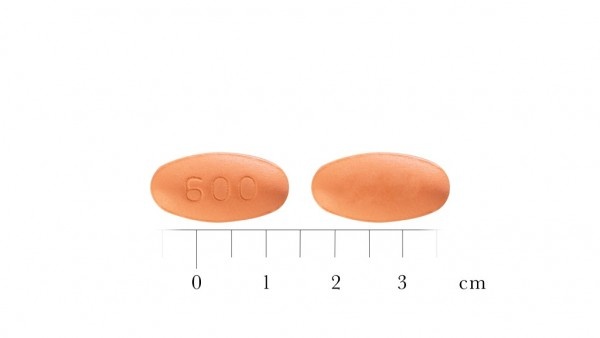
Eslipimad 600 mg comprimidos: comprimidos oblongos, blancos a blanquecinos, con la leyenda “S3” en un lado y ranurados en el otro lado. El comprimido puede dividirse en dosis iguales.
Blísteres de Alu-PVC de 7, 10, 14, 20, 28, 30, 40, 42, 50, 56, 60, 70, 72, 80, 84, 90 y 100 comprimidos.
Puede que solamente estén comercializados algunos tamaños de envase.
Titular de la Autorización de Comercialización:
Adamed Laboratorios, S.L.U.
C/ de las Rosas de Aravaca, 31 - 2ª planta
28023 Madrid
España
Responsable de la fabricación:
PSI Supply NV
Axxes Business Park,
Guldensporenpark 22, Bloque C,
9820 Merelbeke,
Bélgica
Este medicamento está autorizado en los Estados Miembros de la EEA bajo los siguientes nombres:
Portugal: Acetato de eslicarbazepina Jubilant
España: Eslipimad 200 mg comprimidos EFG
Eslipimad 400 mg comprimidos EFG
Eslipimad 600 mg comprimidos EFG
Eslipimad 800 mg comprimidos EFG
Este prospecto fue revisado por última vez en Junio 2021
Otras fuentes de información
La información detallada y actualizada de este medicamento está disponible en la página Web de la Agencia Española de Medicamentos y Productos Sanitarios (AEMPS) http://www.aemps.gob.es
- País de registro
- Forma farmacéuticaCOMPRIMIDO, 600 mg
- Código ATCN03AF04
- Principio activo
- Requiere recetaSí
- Fabricante
- Esta información es de carácter general y no sustituye la consulta con un profesional sanitario.
- Alternativas a ESLIPIMAD 600 MG COMPRIMIDOS EFGForma farmacéutica: COMPRIMIDO, 200 mgPrincipio activo: eslicarbazepineFabricante: Accord Healthcare S.L.U.Requiere recetaForma farmacéutica: COMPRIMIDO, 800 mgPrincipio activo: eslicarbazepineFabricante: Accord Healthcare S.L.U.Requiere recetaForma farmacéutica: COMPRIMIDO, 600 mgPrincipio activo: eslicarbazepineFabricante: Laboratorios Alter S.A.Requiere receta
Médicos online para ESLIPIMAD 600 MG COMPRIMIDOS EFG
Comenta la dosis, los posibles efectos secundarios, interacciones, contraindicaciones o la revisión de receta de ESLIPIMAD 600 MG COMPRIMIDOS EFG, sujeto a valoración médica y a la normativa local.



Obtén una receta de ESLIPIMAD 600 MG COMPRIMIDOS EFG online
Rellena un formulario de 2 minutos
Cuéntanos tus síntomas, historial y el medicamento que necesitas.
Elige un médico o nosotros te asignamos uno
Escoge un especialista o te conectamos con el próximo médico disponible.
El médico revisa tu caso
Normalmente en 30 minutos. Puede hacerte preguntas adicionales por chat.
Recógela en cualquier farmacia
Receta electrónica enviada a tu correo, válida en toda España.
Preguntas frecuentes
ESLIPIMAD 600 MG COMPRIMIDOS EFG requiere receta en España. Puedes confirmarlo con un médico online según tu caso.
El principio activo de ESLIPIMAD 600 MG COMPRIMIDOS EFG es eslicarbazepine. Esta información ayuda a identificar medicamentos con la misma composición pero con diferentes nombres comerciales.
ESLIPIMAD 600 MG COMPRIMIDOS EFG es fabricado por Adamed Laboratorios S.L.U.. La marca y el envase pueden variar según el distribuidor.
Los Médicos de familia, Psiquiatras, Dermatólogos, Cardiólogos, Endocrinólogos, Gastroenterólogos, Neumólogos, Nefrólogos, Reumatólogos, Hematólogos, Infectólogos, Alergólogos, Geriatras, Pediatras, Oncólogos pueden valorar la prescripción de ESLIPIMAD 600 MG COMPRIMIDOS EFG cuando esté clínicamente indicado. Puedes reservar una videoconsulta para comentar tu caso y las opciones de tratamiento.
España cuenta con una infraestructura sanitaria bien desarrollada en ciudades principales como Madrid, Barcelona, Valencia y Sevilla. Las farmacias están ampliamente disponibles y operan bajo estrictas regulaciones, garantizando el acceso a medicamentos con receta.
Puedes comprar ESLIPIMAD 600 MG COMPRIMIDOS EFG en Madrid, Barcelona, Sevilla o Valencia en cualquier farmacia local con una receta válida.
Para obtener una receta, puedes utilizar Oladoctor:
Otros medicamentos con el mismo principio activo (eslicarbazepine) incluyen ARUPSAN 200 MG COMPRIMIDOS EFG, ARUPSAN 800 MG COMPRIMIDOS EFG, BIXCAR 600 MG COMPRIMIDOS EFG. Pueden tener diferentes nombres comerciales o formulaciones, pero contienen el mismo componente terapéutico. Consulta siempre con un médico antes de cambiar o iniciar un nuevo medicamento.
