






Cómo usar DEXKETOPROFENO CINFA 25 MG COMPRIMIDOS RECUBIERTOS CON PELICULA EFG
Traducción generada por IA
Este contenido ha sido traducido automáticamente y se ofrece solo con fines informativos. No sustituye la consulta con un profesional sanitario.
Ver originalContenido del prospecto
Introducción
Prospecto: información para el usuario
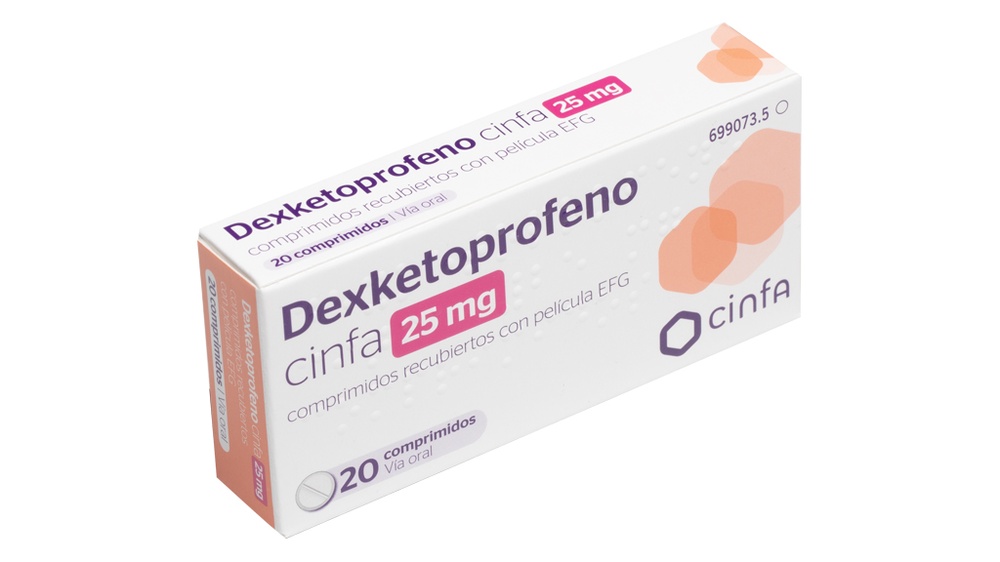
Dexketoprofeno cinfa 25 mg comprimidos recubiertos con película EFG
dexketoprofeno trometamol
Lea todo el prospecto detenidamente antes de empezar a tomar este medicamento, porque contiene información importante para usted.
- Conserve este prospecto, ya que puede tener que volver a leerlo.
- Si tiene alguna duda, consulte a su médico o farmacéutico.
- Este medicamento se le ha recetado solamente a usted, y no debe dárselo a otras personas aunque tengan los mismos síntomas que usted, ya que puede perjudicarles.
- Si experimenta efectos adversos, consulte a su médico o farmacéutico, incluso si se trata de efectos adversos que no aparecen en este prospecto. Ver sección 4.
Contenido del prospecto
- Qué es Dexketoprofeno cinfa y para qué se utiliza
- Qué necesita saber antes de empezar a tomar Dexketoprofeno cinfa
- Cómo tomar Dexketoprofeno cinfa
- Posibles efectos adversos
- Conservación de Dexketoprofeno cinfa
- Contenido del envase e información adicional
1. Qué es dexketoprofeno cinfa y para qué se utiliza
Dexketoprofeno es un analgésico perteneciente al grupo de medicamentos denominados antiinflamatorios no esteroideos (AINEs). Se utiliza para tratar el dolor de intensidad leve o moderada, tal como dolor de tipo muscular o de las articulaciones, dolor menstrual (dismenorrea), dolor dental.

2. Qué necesita saber antes de empezar a tomar dexketoprofeno cinfa
No tome Dexketoprofeno cinfa:
- Si es alérgico a dexketoprofeno trometamol o a alguno de los demás componentes de este medicamento (incluidos en la sección 6);
- Si es alérgico al ácido acetilsalicílico o a otro medicamento antiinflamatorio no esteroideo;
- Si tiene asma o ha sufrido ataques de asma, rinitis alérgica aguda (un período corto de inflamación de la mucosa de la nariz), pólipos nasales (formaciones carnosas en el interior de la nariz debido a la alergia), urticaria (erupción en la piel), angioedema (hinchazón de la cara, ojos, labios o lengua, o dificultad para respirar) o sibilancias en el pecho tras haber tomado ácido acetilsalicílico u otros antiinflamatorios no esteroideos;
- Si ha sufrido reacciones fotoalérgicas o fototóxicas (forma especial de enrojecimiento o de quemaduras de la piel expuesta a la luz solar) durante la toma de ketoprofeno (un antiinflamatorios no esteroideo) o fibratos (medicamentos usados para reducir los niveles de grasas en sangre);
- Si tiene úlcera péptica, hemorragia de estómago o de intestino o si ha sufrido en el pasado hemorragia, ulceración o perforación de estómago o de intestino;
- Si tiene problemas digestivos crónicos ( por ejemplo, indigestión, ardor de estómago);
- Si ha sufrido en el pasado hemorragia de estómago o de intestino o perforación, debido al uso previo de antiinflamatorios no esteroideos (AINEs) utilizados para el dolor;
- Si tiene enfermedad inflamatoria crónica del intestino (enfermedad de Crohn o colitis ulcerosa);
- Si tiene insuficiencia cardiaca grave, insuficiencia renal moderada a grave o insuficiencia hepática grave;
- Si tiene trastornos hemorrágicos o trastornos de la coagulación de la sangre;
- Si está gravemente deshidratado (ha perdido mucho líquido corporal) debido a vómitos, diarrea o consumo insuficiente de líquidos;
- Si está en el tercer trimestre de embarazo o dando el pecho;
Advertencias y precauciones
Consulte a su médico o farmacéutico antes de empezar a tomar Dexketoprofeno cinfa:
- Si es alérgico o ha tenido problemas de alergia en el pasado;
- Si tiene enfermedades del riñón, del hígado o del corazón (hipertensión y/o insuficiencia cardiaca), o retención de líquidos o ha sufrido alguna de estas enfermedades en el pasado;
- Si está tomando diuréticos o tiene una hidratación insuficiente y un volumen sanguíneo reducido debido a una pérdida excesiva de líquidos (por ejemplo, por orinar en exceso, diarrea o vómitos);
- Si tiene problemas cardiacos, antecedentes de ataques cerebrales, o piensa que podría tener riesgo de sufrir estos trastornos (por ejemplo, tiene la tensión arterial alta, sufre diabetes, tiene aumentado el colesterol, o es fumador) debe consultar este tratamiento con su médico o farmacéutico. Los medicamentos como Dexketoprofeno cinfa se pueden asociar con un pequeño aumento del riesgo de sufrir ataques cardiacos (“infartos de miocardio”) o cerebrales (“accidente cerebrovascular”). Este riesgo es más probable que ocurra cuando se emplean dosis altas y tratamientos prolongados. No exceda la dosis ni la duración del tratamiento recomendados;
- Si es paciente de edad avanzada puede sufrir una mayor incidencia de efectos adversos (ver sección 4).
Si estos ocurren, consulte a su médico inmediatamente;
- Si es una mujer con problemas de fertilidad (dexketoprofeno puede disminuir su fertilidad por lo que no debe tomarlo si está planificando quedarse embarazada o si se está sometiendo a estudios de fertilidad);
- Si sufre un trastorno en la producción de sangre y células sanguíneas;
- Si tiene lupus eritematoso sistémico o enfermedad mixta del tejido conectivo (enfermedades del sistema inmunitario que afectan al tejido conectivo);
- Si sufre o ha sufrido en el pasado enfermedad inflamatoria crónica del intestino (colitis ulcerosa, enfermedad de Crohn);
- Si sufre o ha sufrido en el pasado trastornos estomacales o intestinales;
- Si tiene una infección; ver el encabezado «Infecciones» más adelante;
- Si está tomando otros medicamentos que aumentan el riesgo de úlcera péptica o sangrado, por ejemplo, corticosteroides orales, algunos antidepresivos (del tipo ISRS, Inhibidores Selectivos de la Recaptación de Serotonina), agentes que previenen la formación de coágulos como el ácido acetilsalicílico (aspirina) o anticoagulantes tipo warfarina. En estos casos, consulte a su médico antes de tomar dexketoprofeno: podría ser que su médico le recetase un medicamento adicional para proteger su estómago (por ejemplo, misoprostol u otros medicamentos que bloquean la producción de ácido gástrico).
- Si sufre asma, combinado con rinitis o sinusitis crónica, y/o pólipos nasales ya que tiene mayor riesgo de tener alergia al ácido acetilsalicílico y/o a los AINEs que el resto de la población. La administración de este medicamento puede provocar ataques de asma o broncoespasmo, particularmente en pacientes alérgicos al ácido acetilsalicílico o a los AINEs.
Infecciones
Dexketoprofeno puede ocultar los signos de una infección, como fiebre y dolor. Por consiguiente, es posible que este medicamento retrase el tratamiento adecuado de la infección, lo que puede aumentar el riesgo de complicaciones. Esto se ha observado en la neumonía provocada por bacterias y en las infecciones bacterianas de la piel relacionadas con la varicela. Si toma este medicamento mientras tiene una infección y los síntomas de la infección persisten o empeoran, consulte a un médico sin demora. Durante la varicela es recomendable evitar el uso de este medicamento.
Niños y adolescentes
Dexketoprofeno no se ha estudiado en niños ni adolescentes. Por lo tanto, la seguridad y eficacia no han sido establecidas y el medicamento no debe emplearse en niños ni adolescentes.
Otros medicamentos y Dexketoprofeno cinfa
Informe a su médico o farmacéutico si está tomando, ha tomado recientemente o pudiera tener que tomar cualquier otro medicamento, incluso los adquiridos sin receta. Hay algunos medicamentos que no deben tomarse conjuntamente y otros medicamentos que pueden necesitar un cambio de dosis si se toman conjuntamente.
Informe siempre a su médico, dentista o farmacéutico si, además de dexketoprofeno, está tomando alguno de los medicamentos siguientes:
Asociaciones no recomendadas:
- Ácido acetilsalicílico, corticosteroides y otros antiinflamatorios;
- Warfarina, heparina y otros medicamentos utilizados para prevenir la formación de coágulos;
- Litio, utilizado para tratar algunas alteraciones del estado de ánimo;
- Metotrexato (medicamento para el cáncer e inmunosupresor), utilizado a dosis altas de 15 mg/semana;
- Hidantoínas y fenitoína, utilizados para la epilepsia;
- Sulfametoxazol, utilizado para las infecciones bacterianas.
Asociaciones que requieren precaución:
- Inhibidores de la ECA, diuréticos y antagonistas de la angiotensina II, utilizados para el control de la tensión arterial elevada y trastornos cardiacos;
- Pentoxifilina y oxpentifilina, utilizados para tratar úlceras venosas crónicas;
- Zidovudina, utilizada para tratar infecciones virales;
- Antibióticos aminoglucósidos, usados para el tratamiento de infecciones bacterianas;
- Sulfonilureas (p.ej clorpropamida y glibenclamida), utilizados para la diabetes;
- Metotrexato, utilizado a dosis bajas, menos de 15mg/semana.
Asociaciones a tener en cuenta:
- Quinolonas (por ejemplo, ciprofloxacino, levofloxacino) utilizados para infecciones bacterianas;
- Ciclosporina o tacrolimus, utilizados para tratar enfermedades del sistema inmunitario y en trasplantes de órganos;
- Estreptoquinasa y otros medicamentos trombolíticos y fibrinolíticos; es decir, medicamentos utilizados para deshacer coágulos;
- Probenecid, utilizado para la gota;
- Digoxina, utilizado en el tratamiento de la insuficiencia cardiaca crónica;
- Mifepristona, utilizado como abortivo (para la interrupción del embarazo);
- Antidepresivos del tipo Inhibidores Selectivos de la Recaptación de Serotonina (ISRS);
- Antiagregantes plaquetarios utilizados para reducir la agregación plaquetaria y la formación de coágulos;
- Betabloqueantes, utilizados para la presión arterial elevada y trastornos cardíacos;
- Tenofovir, deferasirox, pemetrexed.
Si tiene cualquier duda sobre la toma de otros medicamentos con dexketoprofeno, consulte a su médico o farmacéutico.
Toma de Dexketoprofeno cinfa con alimentos y bebidas
Tome los comprimidos con una cantidad de agua adecuada. Tome los comprimidos con comida, ya que esto ayuda a disminuir el riesgo de sufrir efectos adversos en el estómago o intestino. Sin embargo, en caso de dolor agudo, tome los comprimidos con el estómago vacío; es decir, por lo menos 30 minutos antes de las comidas, ya que esto facilita que el medicamento actúe un poco más rápidamente.
Embarazo, lactancia y fertilidad
Si está embarazada o en periodo de lactancia, cree que podría estar embarazada o tiene intención de quedarse embarazada, consulte a su médico o farmacéutico antes de tomar este medicamento.
No tome dexketoprofeno durante la lactancia.
No tome dexketoprofeno si se encuentra en los últimos 3 meses de embarazo, ya que podría perjudicar al feto o provocar problemas durante el parto. Puede provocar problemas renales y cardíacos a su feto. Puede afectar a su predisposición y la de su bebé a sangrar y retrasar o alargar el parto más de lo esperado. No debe tomar dexketoprofeno durante los 6 primeros meses de embarazo a no ser que sea claramente necesario y como le indique su médico. Si necesita tratamiento durante este período o mientras trata de quedarse embarazada, deberá tomar la dosis mínima durante el menor tiempo posible. A partir de la semana 20 de embarazo, dexketoprofeno puede provocar problemas renales a su feto si se toma durante más de unos días, lo que puede provocar unos niveles bajos del líquido amniótico que rodea al bebé (oligohidramnios) o al estrechamiento de un vaso sanguíneo (ductus arterioso) del corazón del bebé. Si necesita tratamiento durante un período superior a unos días, su médico podría recomendar controles adicionales.
No se recomienda el uso de dexketoprofeno mientras se está intentando concebir o mientras se está estudiando un problema de infertilidad.
Con respecto a los efectos potenciales en la fertilidad femenina, ver también sección 2, “Advertencias y precauciones”.
Conducción y uso de máquinas
Dexketoprofeno puede afectar ligeramente su habilidad para conducir y para usar máquinas, dado que puede provocar somnolencia, mareo o visión borrosa como efectos adversos al tratamiento. Si nota estos efectos, no utilice máquinas ni conduzca hasta que estos síntomas desaparezcan. Solicite consejo a su médico.
Dexketoprofeno cinfa contiene sodio
Este medicamento contiene menos de 1 mmol de sodio (23 mg) por comprimido; esto es, esencialmente “exento de sodio”.
3. Cómo tomar Dexketoprofeno cinfa
Siga exactamente las instrucciones de administración de este medicamento indicadas por su médico o farmacéutico. En caso de duda, consulte de nuevo a su médico o farmacéutico.
La dosis de dexketoprofeno que necesite puede variar, dependiendo del tipo, intensidad y duración del dolor. Su médico le indicará cuántos comprimidos debe tomar al día y durante cuánto tiempo.
Se debe utilizar la dosis eficaz más baja durante el menor tiempo necesario para aliviar los síntomas. Si tiene una infección, consulte sin demora a un médico si los síntomas (como fiebre y dolor) persisten o empeoran (ver sección 2).
En general, la dosis recomendada es 1 comprimido (25 mg de dexketoprofeno) cada 8 horas, sin sobrepasar los 3 comprimidos al día (75 mg).
Si usted es un paciente de edad avanzada o sufre alguna enfermedad del riñón o del hígado se recomienda iniciar la terapia con un máximo de 2 comprimidos al día (50 mg).
En los pacientes de edad avanzada esta dosis inicial puede incrementarse posteriormente de acuerdo con la dosis recomendada general (75 mg de dexketoprofeno) si dexketoprofeno ha sido bien tolerado.
Si su dolor es intenso y necesita un alivio rápido tome los comprimidos con el estómago vacío (por lo menos 30 minutos antes de la comida) ya que se absorberán más fácilmente (ver sección 2 “Toma de Dexketoprofeno cinfa con alimentos y bebidas”).
El comprimido se puede partir en dosis iguales.
Uso en niños y adolescentes
Este medicamento no se debe usar en niños y adolescentes (menores de 18 años).
Si toma másDexketoprofeno cinfadel que debe
Si ha tomado demasiado medicamento, informe inmediatamente a su médico o farmacéutico o vaya al servicio de urgencias de su hospital más cercano. Por favor, recuerde llevar siempre con usted el estuche de la medicación o este prospecto.
En caso de sobredosis o ingestión accidental consulte inmediatamente a su médico o farmacéutico o llame al Servicio de Información Toxicológica, teléfono: 91562 04 20, indicando el medicamento y la cantidad ingerida.
Si olvidó tomar Dexketoprofeno cinfa
No tome una dosis doble para compensar las dosis olvidadas. Tome la siguiente dosis cuando proceda (de acuerdo con la sección 3 “Cómo tomar Dexketoprofeno cinfa”).
Si tiene cualquier otra duda sobre el uso de este medicamento, pregunte a su médico o farmacéutico.

4. Posibles efectos adversos
Al igual que todos los medicamentos, este medicamento puede producir efectos adversos, aunque no todas las personas los sufran.
Los posibles efectos adversos se detallan a continuación de acuerdo con su frecuencia.
Efectos adversos frecuentes(puede afectar hasta 1 de cada 10 personas):
Náuseas y/o vómitos, principalmente dolor en el cuadrante abdominal superior, diarrea, trastornos digestivos (dispepsia).
Efectos adversos poco frecuentes(puede afectar hasta 1 de cada 100 personas):
Sensación rotatoria (vértigo), mareos, somnolencia, trastornos del sueño, nerviosismo, dolor de cabeza, palpitaciones, sofocos, inflamación de la pared del estómago (gastritis), estreñimiento, sequedad de boca, flatulencia, erupción en la piel, fatiga, dolor, sensación febril y escalofríos, malestar general.
Efectos adversos raros(puede afectar hasta 1 de cada 1.000 personas):
Úlcera péptica, perforación de úlcera péptica o sangrado (que puede manifestarse con vómitos de sangre o deposiciones negras), desmayo, tensión arterial elevada, respiración lenta, retención de líquidos e hinchazón periférica (por ejemplo, hinchazón de tobillos), edema de laringe, pérdida de apetito (anorexia), sensación anormal, erupción pruriginosa, acné, aumento de la sudoración, dolor lumbar, emisión frecuente de orina, alteraciones menstruales, alteraciones prostáticas, pruebas de función hepática anormales (análisis de sangre), daño de las células hepáticas (hepatitis), insuficiencia renal aguda.
Muy raros(puede afectar hasta 1 de cada 10.000 personas):
Reacción anafiláctica (reacción de hipersensibilidad que también puede llevar al colapso), úlceras en piel, boca, ojos y zonas genitales (síndrome de Stevens Johnson y síndrome de Lyell), hinchazón de la cara o hinchazón de los labios y la garganta (angioedema), dificultad en la respiración debido al estrechamiento de las vías respiratorias (broncoespasmo), falta de aire, taquicardia, tensión arterial baja, inflamación de páncreas, visión borrosa, zumbidos en los oídos (tinnitus), piel sensible, sensibilidad a la luz, picor, problemas de riñón. Disminución del número de glóbulos blancos (neutropenia), disminución del número de plaquetas (trombocitopenia).
Informe a su médico inmediatamente si nota algún efecto adverso de tipo gastrointestinal al inicio del tratamiento (por ejemplo, dolor o ardor de estómago o sangrado), si previamente ha sufrido alguno de estos efectos adversos debido a un tratamiento prolongado con antiinflamatorios, y especialmente si usted es paciente de edad avanzada.
Deje de tomar inmediatamente Dexketoprofeno cinfa si nota la aparición de una erupción en la piel o alguna lesión dentro de la boca o en los genitales, o cualquier otro signo de alergia.
Durante el tratamiento con antinflamatorios no esteroideos, se han notificado casos de retención de líquidos e hinchazón (especialmente en tobillos y piernas), aumento de la presión sanguínea e insuficiencia cardiaca.
Los medicamentos como Dexketoprofeno cinfa pueden asociarse con un pequeño aumento de riesgo de sufrir un ataque cardiaco (“infarto de miocardio”) o un accidente cerebrovascular (“ictus”).
En pacientes con trastornos del sistema inmune que afectan al tejido conectivo (lupus eritematoso sistémico o enfermedad mixta del tejido conectivo), los medicamentos antiinflamatorios pueden raramente causar fiebre, dolor de cabeza y rigidez de nuca.
Los efectos adversos más comúnmente observados son de tipo gastrointestinal. Pueden producirse úlceras pépticas, perforación o sangrado gastrointestinal, a veces mortal, especialmente en pacientes de edad avanzada.
Tras la administración se han notificado náuseas, vómitos, diarrea, flatulencia, estreñimiento, dispepsia, dolor abdominal, malena, hematemesis, estomatitis ulcerativa, empeoramiento de colitis y enfermedad de Crohn. Menos frecuentemente, se ha observado inflamación de la pared del estómago (gastritis).
Al igual que con otros AINEs, pueden aparecer reacciones hematológicas (púrpura, anemia aplásica y hemolítica, y más raramente agranulocitosis e hipoplasia medular).
Comunicación de efectos adversos
Si experimenta cualquier tipo de efecto adverso, consulte a su médico o farmacéutico, incluso si se trata de posibles efectos adversos que no aparecen en este prospecto. También puede comunicarlos directamente a través del Sistema Español de Farmacovigilancia de Medicamentos de Uso Humano: https://www.notificaram.es. Mediante la comunicación de efectos adversos usted puede contribuir a proporcionar más información sobre la seguridad de este medicamento.
5. Conservación de Dexketoprofeno cinfa
Mantener este medicamento fuera de la vista y del alcance de los niños.
No utilice este medicamento después de la fecha de caducidad que aparece en el envase y en el blíster después de “CAD”. La fecha de caducidad es el último día del mes que se indica.
No conservar a temperatura superior a 30°C. Conservar en el embalaje original para protegerlo de la luz.
Los medicamentos no se deben tirar por los desagües ni a la basura. Deposite los envases y los medicamentos que no necesita en el Punto SIGRE de la farmacia. Pregunte a su farmacéutico cómo deshacerse de los envases y de los medicamentos que ya no necesita. De esta forma, ayudará a proteger el medio ambiente.
6. Contenido del envase e información adicional
Composición de Dexketoprofeno cinfa
El principio activo es dexketoprofeno trometamol (36,9 mg) equivalente a 25 mg de dexketoprofeno.
Los demás componentes son: almidón de maíz, celulosa microcristalina, carboximetilalmidón sódico (tipo A) (de patata), diestearato de glicerol y Opadry Y-1-7000 que contiene hipromelosa, dióxido de titanio (E-171), macrogol 400.
Aspecto del producto y contenido del envase
Comprimidos recubiertos blancos, biconvexos y cilíndricos, ranurados y marcados con DT2 en un lado.
Se presenta en blísteres de PVC-PVDC/ALU. Cada envase contiene 20, 50 o 500 (envase clínico) comprimidos.
Puede que solamente estén comercializados algunos tamaños de envases.
Titular de la autorización de comercialización y responsable de la fabricación
Laboratorios Cinfa, S.A
Carretera Olaz-Chipi, 10. Polígono Industrial Areta
31620 Huarte,Navarra–
España
Fecha de la última revisión de este prospecto:junio 2025
La información detallada de este medicamento está disponible en la página web de la Agencia Española de Medicamentos y Productos Sanitarios (AEMPS) http://www.aemps.gob.es/
Puede acceder a información detallada y actualizada sobre este medicamento escaneando con su teléfono móvil (smartphone) el código QR incluido en el prospecto y el cartonaje. También puede acceder a esta información en la siguiente dirección de internet: https://cima.aemps.es/cima/dochtml/p/77839/P_77839.html
Código QR a: https://cima.aemps.es/cima/dochtml/p/77839/P_77839.html
-

- País de registro
- Forma farmacéuticaCOMPRIMIDO, 25 mg
- Código ATCM01AE17
- Precio medio en farmacia4 EUR
- Principio activo
- Requiere recetaSí
- Fabricante
- Esta información es de carácter general y no sustituye la consulta con un profesional sanitario.
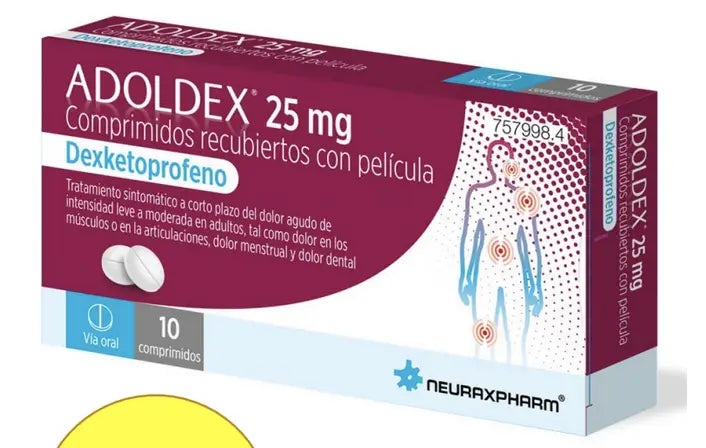
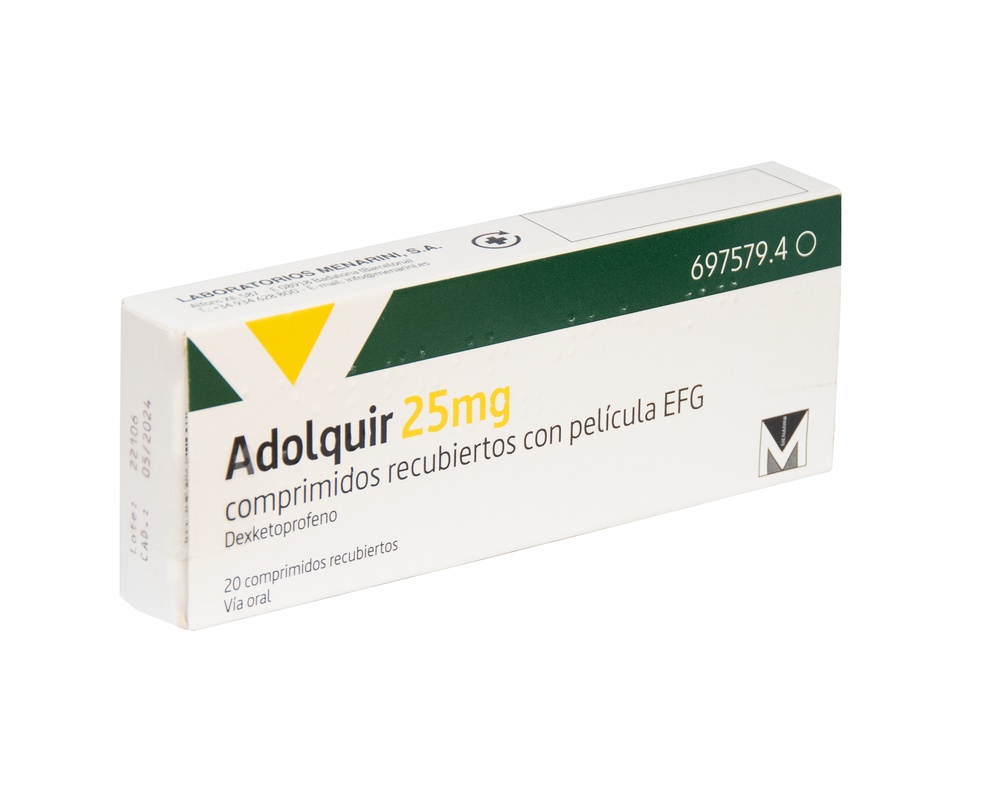
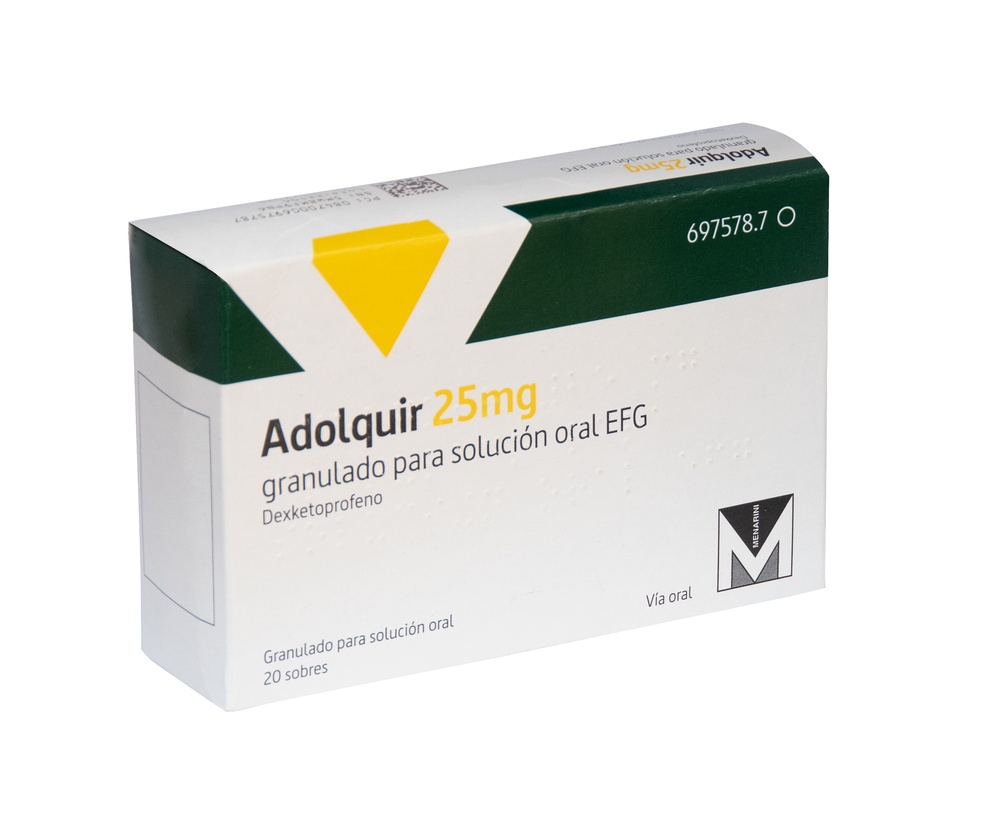
- Alternativas a DEXKETOPROFENO CINFA 25 MG COMPRIMIDOS RECUBIERTOS CON PELICULA EFGForma farmacéutica: COMPRIMIDO, 25 mgPrincipio activo: DexketoprofenoFabricante: Neuraxpharm Spain S.L.No requiere recetaForma farmacéutica: COMPRIMIDO, 25 mgPrincipio activo: DexketoprofenoFabricante: Laboratorios Menarini S.A.Requiere recetaForma farmacéutica: SOLUCIÓN/SUSPENSIÓN ORAL, 25 mgPrincipio activo: DexketoprofenoFabricante: Laboratorios Menarini S.A.Requiere receta
Médicos online para DEXKETOPROFENO CINFA 25 MG COMPRIMIDOS RECUBIERTOS CON PELICULA EFG
Comenta la dosis, los posibles efectos secundarios, interacciones, contraindicaciones o la revisión de receta de DEXKETOPROFENO CINFA 25 MG COMPRIMIDOS RECUBIERTOS CON PELICULA EFG, sujeto a valoración médica y a la normativa local.









Obtén una receta de DEXKETOPROFENO CINFA 25 MG COMPRIMIDOS RECUBIERTOS CON PELICULA EFG online
Rellena un formulario de 2 minutos
Cuéntanos tus síntomas, historial y el medicamento que necesitas.
Elige un médico o nosotros te asignamos uno
Escoge un especialista o te conectamos con el próximo médico disponible.
El médico revisa tu caso
Normalmente en 30 minutos. Puede hacerte preguntas adicionales por chat.
Recógela en cualquier farmacia
Receta electrónica enviada a tu correo, válida en toda España.
Preguntas frecuentes
DEXKETOPROFENO CINFA 25 MG COMPRIMIDOS RECUBIERTOS CON PELICULA EFG requires receta en España. Puedes confirmarlo con un médico online según tu caso.
El principio activo de DEXKETOPROFENO CINFA 25 MG COMPRIMIDOS RECUBIERTOS CON PELICULA EFG es Dexketoprofeno. Esta información ayuda a identificar medicamentos con la misma composición pero con diferentes nombres comerciales.
El precio medio en farmacia de DEXKETOPROFENO CINFA 25 MG COMPRIMIDOS RECUBIERTOS CON PELICULA EFG es de aproximadamente 4 EUR. Puede variar según el fabricante y la forma farmacéutica.
DEXKETOPROFENO CINFA 25 MG COMPRIMIDOS RECUBIERTOS CON PELICULA EFG es fabricado por Laboratorios Cinfa S.A.. La marca y el envase pueden variar según el distribuidor.
Los Médicos de familia, Psiquiatras, Dermatólogos, Cardiólogos, Endocrinólogos, Gastroenterólogos, Neumólogos, Nefrólogos, Reumatólogos, Hematólogos, Infectólogos, Alergólogos, Geriatras, Pediatras, Oncólogos pueden valorar la prescripción de DEXKETOPROFENO CINFA 25 MG COMPRIMIDOS RECUBIERTOS CON PELICULA EFG cuando esté clínicamente indicado. Puedes reservar una videoconsulta para comentar tu caso y las opciones de tratamiento.
España cuenta con una infraestructura sanitaria bien desarrollada en ciudades principales como Madrid, Barcelona, Valencia y Sevilla. Las farmacias están ampliamente disponibles y operan bajo estrictas regulaciones, garantizando el acceso a medicamentos con receta.
Puedes comprar DEXKETOPROFENO CINFA 25 MG COMPRIMIDOS RECUBIERTOS CON PELICULA EFG en Madrid, Barcelona, Sevilla o Valencia en cualquier farmacia local con una receta válida.
Para obtener una receta, puedes utilizar Oladoctor:
Otros medicamentos con el mismo principio activo (Dexketoprofeno) incluyen ADOLDEX 25 MG COMPRIMIDOS RECUBIERTOS CON PELICULA, ADOLQUIR 25 MG COMPRIMIDOS RECUBIERTOS CON PELICULA EFG, ADOLQUIR 25 MG GRANULADO PARA SOLUCION ORAL EFG. Pueden tener diferentes nombres comerciales o formulaciones, pero contienen el mismo componente terapéutico. Consulta siempre con un médico antes de cambiar o iniciar un nuevo medicamento.
