Background pattern
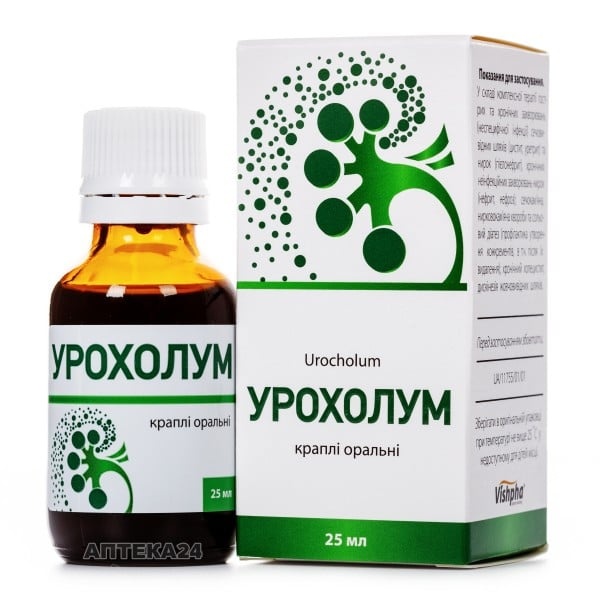
UROHOLUM

UROHOLUM

Ask a doctor about a prescription for UROHOLUM

This page is for general information. Consult a doctor for personal advice. Call emergency services if symptoms are severe.
About the medicine

How to use UROHOLUM

INSTRUCTIONS for medical use of the medicinal product Pipzol 5, Pipzol 10, Pipzol 15, Pipzol 30 (Ripzol 5, Pipzol 10, Pipzol 15, Pipzol 30)

Composition

The active substance is aripiprazole; 1 tablet contains aripiprazole 5 mg or 10 mg, or 15 mg, or 30 mg; Excipients: lactose monohydrate, microcrystalline cellulose, hydroxypropylcellulose, corn starch, crospovidone, colloidal silicon dioxide, magnesium stearate, dyes: indigocarmine (E 132) (for 5 mg); yellow iron oxide (E 172) (for 15 mg); red iron oxide (E 172) (for 10 mg and 30 mg).

Pharmaceutical form

Tablets.

Main physical and chemical properties

· 5 mg tablets: rectangular tablets with rounded edges, blue in color with inclusions, with embossing "250" on one side and smooth on the other;
· 10 mg tablets: rectangular tablets with rounded edges, pink in color with inclusions, with embossing "252" on one side and smooth on the other;
· 15 mg tablets: round tablets of yellow color with inclusions, with beveled edges, with embossing "253" on one side and smooth on the other;
· 30 mg tablets: round tablets of pink color with inclusions, with beveled edges, with embossing "L 255" on one side and smooth on the other.

Pharmacotherapeutic group

Antipsychotic agents (neuroleptics). Aripiprazole.
ATC code N05A X12.

Pharmacological properties

Pharmacodynamics

The therapeutic effect of aripiprazole in schizophrenia is due to the combination of partial agonistic activity with respect to D2 dopamine and 5HT1a serotonin receptors and antagonistic activity with respect to 5HT2 serotonin receptors.
Aripiprazole has high affinity in vitro to D2 and D3 dopamine receptors, 5HT1a and 5HT2a serotonin receptors, and moderate affinity to D4 dopamine, 5HT2c and 5HT7 serotonin receptors, alpha 1-adrenergic receptors, and H1 histamine receptors. Aripiprazole is also characterized by moderate affinity to serotonin reuptake sites and lack of affinity for muscarinic receptors. In animal experiments, aripiprazole showed antagonism to dopaminergic hyperactivity and agonism to dopaminergic hypoactivity. The interaction with dopamine and serotonin receptors can explain some of the clinical effects of aripiprazole.

Clinical efficacy

Schizophrenia
It is known that aripiprazole is effective in maintaining clinical improvement during continued therapy in adult patients who showed an initial response to treatment.
Manic episodes in bipolar disorder I
Aripiprazole has demonstrated greater efficacy than placebo in reducing manic symptoms over 3 weeks.

Pharmacokinetics

Absorption

Aripiprazole is well absorbed, and peak plasma concentration occurs within 3-5 hours after administration. Aripiprazole undergoes minimal presystemic metabolism. The absolute bioavailability of the tablet form is 87%. Food with high fat content does not affect the pharmacokinetic properties of aripiprazole.

Distribution

Aripiprazole is widely distributed in body tissues. The volume of distribution is 4.9 l/kg, indicating extensive extravascular distribution. At therapeutic concentrations, more than 99% of aripiprazole and dehydroaripiprazole are bound to plasma proteins, mainly albumin.

Metabolism

Aripiprazole is actively metabolized in the liver, primarily through three pathways of biotransformation: dehydrogenation, hydroxylation, and N-dealkylation. Based on in vitro studies, the enzymes CYP3A4 and CYP2D6, which are responsible for the dehydrogenation and hydroxylation of aripiprazole, and N-dealkylation, are catalyzed by the enzyme CYP3A4. Aripiprazole is the dominant substance in the large circle of blood circulation. In the steady state, dehydroaripiprazole, an active metabolite, accounts for about 40% of the AUC of aripiprazole in plasma.

Elimination

The mean elimination half-life of aripiprazole is approximately 75 hours in individuals with active CYP2D6 metabolism and approximately 146 hours in individuals with poor CYP2D6 metabolism.
The total clearance of aripiprazole is 0.7 ml/min/kg, and it occurs mainly in the liver. After a single oral dose of aripiprazole, approximately 27% is excreted in the urine and approximately 60% in the feces. Less than 1% of unchanged aripiprazole is excreted in the urine, and approximately 18% of the dose is excreted in the feces in unchanged form.

Clinical characteristics

Indications

Treatment of schizophrenia in adults.
Treatment of moderate and severe manic episodes in bipolar disorder I, as well as for the prevention of new manic episodes in adults who have previously experienced manic episodes and responded to aripiprazole treatment.

Contraindications

Hypersensitivity to aripiprazole or any other component of the drug.

Interaction with other medicinal products and other forms of interaction

Due to antagonism to α1-adrenergic receptors, aripiprazole may enhance the effect of certain antihypertensive drugs.
Since aripiprazole affects the central nervous system (CNS), caution should be exercised when taking alcohol or drugs that affect the CNS, due to possible cross-reactions, such as sedative effects (see section "Adverse reactions").

Potential impact of other medicinal products on the effect of aripiprazole

The inhibitor of gastric acid secretion, the H2 histamine receptor antagonist famotidine, reduces the rate of aripiprazole absorption, but this effect is not considered clinically significant.
Aripiprazole is metabolized by several pathways involving the enzymes CYP2D6 and CYP3A4, but not CYP1A. Therefore, smokers do not need to adjust the dose.

Special warnings and precautions for use

When treating with neuroleptics

Improvement in the patient's clinical condition may take from several days to several weeks. During this period, careful monitoring of the patient's condition is necessary.

Suicidal tendencies

The emergence of suicidal behavior is inherent in patients with psychotic disorders and mood disorders, and in some cases, it has been observed soon after the start of neuroleptic treatment or switching from one neuroleptic to another, including treatment with aripiprazole (see section "Adverse reactions"). Neuroleptic treatment should be accompanied by careful monitoring of patients who belong to the group of increased risk.

Cardiovascular disorders

Aripiprazole should be used with caution in patients with a history of cardiovascular diseases (myocardial infarction or ischemic heart disease, heart failure, or conduction disorders), cerebrovascular disorders, conditions that predispose patients to hypotension (dehydration, hypovolemia, or the use of antihypertensive drugs) or hypertension, including progressive or malignant hypertension.

Posology and method of administration

Adults

Schizophrenia: the recommended initial dose is 10 or 15 mg/day, with a maintenance dose of 15 mg/day. This dose should be taken once a day, regardless of food intake. The drug is effective in the dose range of 10 to 30 mg/day. Increasing the efficacy at daily doses above 15 mg has not been demonstrated, although some patients may benefit from a higher dose.
The maximum daily dose should not exceed 30 mg.

Special patient groups

Liver dysfunction
Patients with mild or moderate liver dysfunction do not require dose adjustment. For patients with severe liver dysfunction, there is insufficient data to provide recommendations. For such patients, dosing should be done with caution. The maximum daily dose of 30 mg for patients with severe liver dysfunction should be used with caution (see section "Pharmacological properties").

Overdose

Symptoms.
In adult patients, cases of intentional or accidental acute overdose of aripiprazole have been reported, with doses up to 1260 mg, without a fatal outcome. Potentially significant medical symptoms observed included lethargy, increased blood pressure, somnolence, tachycardia, nausea, vomiting, and diarrhea.

Adverse reactions

Brief overview of the safety profile.
The most common adverse reactions were akathisia and nausea. Each of these symptoms occurred in more than 3% of patients taking aripiprazole orally.

System organ classFrequentInfrequentFrequency unknown
Blood and lymphatic system disordersLeukopenia, neutropenia, thrombocytopenia
Immune system disordersAllergic reactions (e.g., anaphylactic reactions; angioedema, including tongue edema; tongue swelling, facial swelling, pruritus, or urticaria)
Endocrine system disordersHyperprolactinemiaDiabetic hyperosmolar coma, diabetic ketoacidosis
Metabolic and nutritional disordersDiabetesHyperglycemiaHyponatremia, anorexia, weight loss, weight gain
Psychiatric disordersInsomnia, restlessness, agitationDepression, hypersexualitySuicide attempts, suicidal thoughts, and completed suicide (see section "Special warnings and precautions for use"), pathological gambling, impulse control disorders, compulsive eating, uncontrollable urge to buy, periomenia, aggression, agitation, nervousness
Nervous system disordersAkathisia, extrapyramidal disorders, tremor, headache, sedative effect, somnolence, dizzinessLate dyskinesia, dystoniaMalignant neuroleptic syndrome (MNS), grand mal seizures, serotonin syndrome, speech disorders
Eye disordersBlurred visionDiplopiaOculogyric crisis
Cardiac disordersTachycardiaSudden death, ventricular tachycardia, QT interval prolongation, ventricular arrhythmia, cardiac arrest, bradycardia
Vascular disordersOrthostatic hypotensionVenous thromboembolism (including pulmonary embolism and deep vein thrombosis), hypertension, syncope
Respiratory, thoracic, and mediastinal disordersHiccupAspiration pneumonia, laryngospasm, oropharyngeal spasm
Gastrointestinal disordersConstipation, dyspepsia, nausea, excessive salivation, vomitingPancreatitis, dysphagia, diarrhea, discomfort in the gastrointestinal tract
Hepatobiliary disordersLiver failure, hepatitis, jaundice, increased alanine aminotransferase (ALT), increased aspartate aminotransferase (AST), increased gamma-glutamyltransferase (GGT), increased alkaline phosphatase
Skin and subcutaneous tissue disordersRash, photosensitivity reactions, alopecia, increased sweating
Musculoskeletal and connective tissue disordersRhabdomyolysis, myalgia, muscle stiffness
Renal and urinary disordersUrinary incontinence, urinary retention
Pregnancy, puerperium, and perinatal conditionsDrug withdrawal syndrome in newborns (see section "Use during pregnancy or breastfeeding")
Genital and breast disordersPriapism
General disorders and administration site conditionsFatigueTemperature regulation disorders (e.g., hypothermia, pyrexia), chest pain, peripheral edema
Laboratory and other testsIncreased blood glucose, increased glycosylated hemoglobin, glucose fluctuations, increased creatine phosphokinase

Shelf life

3 years.

Storage conditions

Store in the original packaging in a place inaccessible to children at a temperature not exceeding 25 °C.

Packaging

10 tablets in one blister pack. One blister pack in a cardboard box.

Release category

By prescription.

Manufacturer

Alembic Pharmaceuticals Limited.

Manufacturer's location and address

Panelav, PO Tajpura, Taluka Halol, Panchmahal, Gujarat, IN - 389350, India.

Alternatives to UROHOLUM in other countries

The best alternatives with the same active ingredient and therapeutic effect.

Alternative to UROHOLUM in Poland

Dosage form: Capsules, 6 mg lyophilized lysate of Escherichia coli
Marketing authorisation holder (MAH): OMEDICAMED Unipessoal Lda
Prescription required
Dosage form: Capsules, 6 mg lyophilized lysate of Escherichia coli
Manufacturer: Flavine Pharma France
Prescription required
Dosage form: Tablets, 300 mg + 300 mg
Prescription not required

Alternative to UROHOLUM in Spain

Dosage form: TABLET, 425.25 mg - 519.75 mg
Prescription not required
Dosage form: CAPSULE, 36 mg
Prescription not required
Dosage form: CAPSULE, 250 mg
Active substance: acetohydroxamic acid
Prescription required
Dosage form: CAPSULE, 125 mg
Active substance: acetohydroxamic acid
Prescription required
Dosage form: TABLET, 60 mg
Active substance: dapoxetine
Prescription required
Dosage form: TABLET, 30 mg
Active substance: dapoxetine
Prescription required

Online doctors for UROHOLUM

Discuss dosage, side effects, interactions, contraindications, and prescription renewal for UROHOLUM – subject to medical assessment and local rules.


0.0(2)
Doctor

Marianna Neshta

Endocrinology24 years of experience

Marianna Neshta is a medical doctor specialising in endocrinology and ultrasound diagnostics. She provides online consultations for adults, focusing on the diagnosis, treatment, and long-term management of endocrine disorders. Her approach includes personalised care plans, analysis of lab results and ultrasound scans, and evidence-based treatment.

Key areas of expertise:

  • Type 1 and Type 2 diabetes – diagnosis, therapy adjustment, CGM interpretation, and prevention of chronic complications
  • Obesity – treatment using both medication and lifestyle strategies, including modern GLP-1 medications and tailored follow-up plans
  • Thyroid disorders – ultrasound assessment, treatment planning, and management during pregnancy
  • Male hypogonadism – age-related or hormonal, including diagnostics and therapy
  • Metabolic syndrome, prediabetes, lipid disorders – risk assessment, lifestyle recommendations, and medical treatment
  • Calcium metabolism disorders – diagnosis and management of osteoporosis, hyperparathyroidism, and hypoparathyroidism
Dr Neshta applies current clinical guidelines and diagnostic tools, offering medical support adapted to each patient’s individual needs — all in an accessible online format.
CameraBook a video appointment
€45
December 2017:00
December 2017:45
December 2717:00
December 2717:45
January 317:00
More times
0.0(1)
Doctor

Khrystyna Habrykevych

Gastroenterology6 years of experience

Dr Khrystyna Habrykevych is a gastroenterologist providing online consultations for adults with digestive and abdominal health concerns. She helps patients understand the causes of their symptoms, interpret test results, and choose appropriate next steps – whether it’s further investigation, treatment, or lifestyle adjustments.

Common reasons for consultation include:

  • abdominal pain, cramps, discomfort, painful bowel movements
  • heartburn, acid reflux, burping, bitter taste in the mouth
  • bloating, excessive gas, nausea or vomiting
  • diarrhoea, constipation, difficulty passing stool
  • unexplained changes in weight or appetite
  • concern about gut health or long-term digestive issues
  • changes in lab results, questions about test interpretation
  • digestive system cancer screening and prevention
  • general digestive check-ups and health assessments
Dr Habrykevych follows evidence-based medical standards and adapts each consultation to the patient’s individual situation. The online format allows for timely medical support without the need for an in-person visit.
CameraBook a video appointment
€60
December 2106:00
December 2806:00
January 406:00
January 1106:00
More times
0.0(1)
Doctor

Sergei Nalkin

Neurology11 years of experience

Dr. Sergei Nalkin, PhD, is a neurologist, specialising in sports medicine and rehabilitation. He provides expert care for patients with neurological, musculoskeletal, and post-traumatic conditions, focusing on functional recovery and long-term symptom relief.

Dr. Nalkin offers consultations and treatment for:

  • Neurological disorders including migraines, tension headaches, and peripheral neuropathies.
  • Rehabilitation after stroke, brain injury, and spinal cord trauma.
  • Chronic pain syndromes and musculoskeletal dysfunctions.
  • Sports-related injuries: prevention, treatment, and recovery planning.
  • Coordination and movement disorders affecting mobility and balance.
  • Custom rehabilitation programmes for neurological and orthopedic conditions.

With a personalised, evidence-based approach, Dr. Nalkin helps patients restore physical function, reduce pain, and improve quality of life through targeted therapy and long-term support.

CameraBook a video appointment
€55
December 2113:00
December 2113:40
December 2114:20
December 2115:00
December 2813:00
More times
0.0(0)
Doctor

Liudmyla Boichuk

Family medicine10 years of experience

Dr Liudmyla Boichuk is a family medicine doctor providing diagnosis and treatment for a wide range of acute and chronic conditions in adults and children. She works with respiratory, cardiovascular and digestive system disorders and has extensive experience caring for patients with multiple coexisting conditions, where coordinated, whole-person management is essential.

She treats adults with respiratory illnesses such as pneumonia, COPD and bronchial asthma, as well as cardiovascular conditions including hypertension and ischaemic heart disease. Her practice also covers gastrointestinal complaints and chronic comorbidities that require careful, structured medical supervision.

Dr Boichuk provides care for children from birth, including acute respiratory viral infections, infectious diseases, pneumonia, bronchitis, bronchial obstruction syndromes and allergic reactions. She offers clear, evidence-based guidance to parents and ensures safe follow-up throughout the child’s recovery.

Her work also includes developing personalised immunisation plans and supporting families with long-term preventive care.

Known for her structured clinical approach and clear communication, Dr Liudmyla Boichuk offers patients of all ages comprehensive, reliable and evidence-based medical care.

CameraBook a video appointment
€55
December 2113:30
December 2813:30
January 413:30
January 1113:30
More times
5.0(2)
Doctor

Svetlana Kolomeeva

Cardiology17 years of experience

Dr. Svetlana Kolomeeva is a general practitioner and internal medicine doctor providing online consultations for adults. She helps patients manage acute symptoms, chronic conditions, and preventive care. Her clinical focus includes cardiovascular health, hypertension control, and managing symptoms like fatigue, weakness, sleep issues, and overall low energy.

Patients commonly seek her help for:

  • High blood pressure, headaches, dizziness, swelling, palpitations.
  • Diagnosis and management of hypertension, arrhythmias, and tachycardia.
  • Metabolic syndrome, excess weight, high cholesterol.
  • Chronic fatigue, insomnia, poor concentration, anxiety.
  • Respiratory symptoms: colds, flu, sore throat, cough, fever.
  • Digestive issues: heartburn, bloating, constipation, IBS symptoms.
  • Chronic conditions: diabetes, thyroid disorders.
  • Interpretation of lab tests and medical reports, therapy adjustment.
  • Second opinion and decision-making support.
  • Cardiovascular disease prevention and metabolic risk reduction.
  • Long-term follow-up and dynamic health monitoring.

Dr Kolomeeva combines clinical expertise with personalised care. She clearly explains diagnoses, guides patients through symptoms and treatment options, and provides actionable plans. Her consultations are designed not only to address current complaints but also to stabilise chronic conditions and prevent future complications. She supports patients through every stage of care – from first symptoms to ongoing health management.

CameraBook a video appointment
€50
December 2209:00
December 2210:05
December 2211:10
December 2212:15
December 2213:20
More times
5.0(10)
Doctor

Nataliia Bessolitsyna

Rheumatology25 years of experience

Dr. Nataliia Bessolitsyna is a rheumatologist with extensive clinical experience. She provides online consultations focused on the diagnosis, treatment, and long-term management of joint diseases and systemic autoimmune disorders, following international clinical guidelines and evidence-based medicine.

You can consult Dr. Bessolitsyna about:

  • Joint pain — acute, chronic, or recurring pain.
  • Inflammatory arthritis: rheumatoid arthritis, psoriatic arthritis, polyarthritis, gouty arthritis.
  • Degenerative joint conditions: osteoarthritis, knee and hip arthritis (gonarthrosis, coxarthrosis), nodal polyosteoarthritis.
  • Periarthritis and spondyloarthritis.
  • Spinal inflammation: ankylosing spondylitis (Bechterew’s disease).
  • Systemic autoimmune diseases: lupus, scleroderma, systemic vasculitis.
  • Osteoporosis and bone fragility.

Dr. Bessolitsyna offers a personalised and structured approach — helping patients identify causes of joint pain, interpret test results, and follow tailored treatment plans. Her consultations focus on early diagnosis, symptom control, complication prevention, and improving long-term quality of life.

With remote access to specialist care, patients can receive expert rheumatology support wherever they are.

CameraBook a video appointment
€45
December 2220:30
December 2316:00
December 2420:45
December 2920:30
December 3016:00
More times
0.0(1)
Doctor

Anna Kondratiuk

Psychiatry13 years of experience

Dr Anna Kondratiuk is a psychiatrist and psychotherapist with over 13 years of clinical experience in both inpatient and outpatient settings. She provides online consultations for adults, offering a balanced approach that combines evidence-based pharmacological treatment with psychotherapy.

Main areas of support:

  • Depression and burnout
  • Anxiety, panic attacks, phobias
  • Post-traumatic stress disorder (PTSD)
  • Psychosomatic symptoms and sleep disturbances
  • Health anxiety (hypochondria)
  • Mental health support in chronic physical illness
  • Adjustment disorders and low self-esteem
Dr Kondratiuk focuses on creating a safe and respectful therapeutic environment where patients feel heard and supported. Her goal is to help each person achieve lasting improvements in their mental well-being.
CameraBook a video appointment
€110
December 2307:30
December 2308:05
December 2308:40
December 2309:15
December 2316:00
More times
5.0(123)
Doctor

Taisiia Proida

Psychiatry6 years of experience

Dr. Taisiia Proida is a psychiatrist and cognitive behavioural therapist (CBT), and a member of the European Psychiatric Association. She offers online consultations for adults aged 18 and over, combining evidence-based medicine with an individualised approach to mental health care.

She specialises in consultations and ongoing support for a wide range of mental health concerns, including:

  • Mood disorders: depression, bipolar disorder, postpartum depression.
  • Anxiety disorders: generalised anxiety, OCD, panic attacks, phobias.
  • Post-traumatic stress disorder (PTSD) and complex PTSD.
  • Attention deficit hyperactivity disorder (ADHD) and autism spectrum disorder (ASD).
  • Personality disorders and emotional instability.
  • Cyclothymia and mood fluctuations.
  • Schizophrenia spectrum and related conditions.

Dr. Proida combines clinical expertise with an empathetic approach, offering structured support based on evidence-based practices. Her work integrates CBT techniques with medical management, with a focus on anxiety and depressive disorders.

She works with clients from different countries and cultural backgrounds, adapting her communication style and recommendations to individual needs. With experience in international clinical trials (Pfizer, Merck), she values clarity, trust, and collaborative partnership in patient care.

CameraBook a video appointment
€120
December 3013:00
January 213:00
More times
0.0(3)
Doctor

Alexandra Alexandrova

General medicine8 years of experience

Dr Alexandra Alexandrova is a licensed general medicine doctor in Spain, specialising in trichology, nutrition, and aesthetic medicine. She offers online consultations for adults, combining a therapeutic approach with personalised care for hair, scalp, and overall health.

Areas of expertise:

  • Hair loss in women and men, postpartum hair loss, androgenetic and telogen effluvium.
  • Scalp conditions: seborrheic dermatitis, psoriasis, scalp irritation, dandruff.
  • Chronic conditions: hypertension, diabetes, metabolic disorders.
  • Online trichology consultation: customised treatment plans, nutritional support, hair growth stimulation.
  • Hair loss prevention: hormonal imbalance, stress factors, haircare strategies.
  • Routine health check-ups, prevention of cardiovascular and metabolic diseases.
  • Personalised nutritional advice to improve hair strength, skin health, and hormonal balance.
  • Aesthetic medicine: non-invasive strategies to enhance skin quality, tone, and metabolic wellness.

Dr Alexandrova follows an evidence-based and holistic approach: online consultations with a therapist and trichologist on Oladoctor provide professional support for hair, scalp, and overall health — all from the comfort of your home.

CameraBook a video appointment
€59
January 809:00
January 809:30
January 810:00
January 810:30
January 811:00
More times

Get updates and exclusive offers

Be the first to know about new services, marketplace updates, and subscriber-only promos.

Follow us on social media
FacebookInstagram
Logo
Oladoctor
Find a doctor
Doctors by specialty
Services
Choose language
© 2025 Oladoctor. All rights reserved.
VisaMastercardStripe