Background pattern
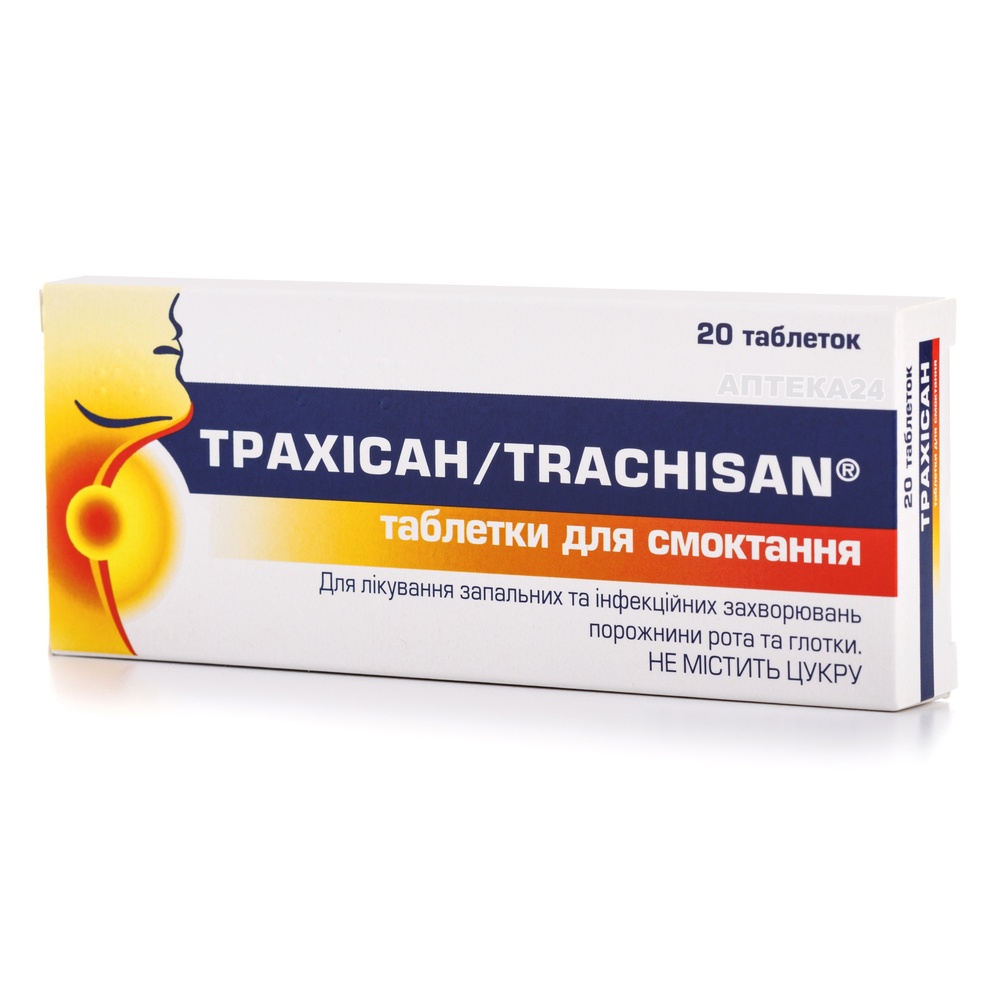
TRAHISAN

TRAHISAN

Ask a doctor about a prescription for TRAHISAN
0.0(0)
Doctor

Tomasz Grzelewski

Dermatology20 years of experience

Dr Tomasz Grzelewski is an MD, PhD specialist in allergy, paediatrics, general practice and sports medicine, with a clinical focus on dermatology, endocrinology, allergology and sports-related health. He has more than 20 years of clinical experience and completed his medical training at the Medical University of Łódź, where he defended his PhD thesis with distinction. His doctoral research was recognised by the Polish Society of Allergology for its innovative contribution to the field. Throughout his career, he has gained extensive expertise in diagnosing and managing a wide range of allergic and paediatric conditions, including modern allergen desensitisation techniques.

For five years, Dr Grzelewski served as the Head of two paediatric departments in Poland, managing complex clinical cases and leading multidisciplinary teams. He also worked in medical centres in the United Kingdom, gaining experience across both primary care and specialist environments. With over a decade of telemedicine experience, he has provided online consultations across Europe and is valued for his clear, structured and evidence-based medical guidance.

Dr Grzelewski is actively involved in clinical programmes focused on modern anti-allergic therapies. As a Principal Investigator, he leads research projects on sublingual and oral allergen desensitisation, supporting evidence-based progress in allergy treatment for both children and adults.

In addition to his background in allergology and paediatrics, he completed dermatology studies through the Cambridge Education Group (Royal College of Physicians of Ireland) and a Clinical Endocrinology course at Harvard Medical School. This advanced training enhances his ability to manage skin manifestations of allergies, atopic conditions, urticaria, endocrine-related symptoms and complex immunological reactions.

Patients commonly seek his care for:

  • seasonal and perennial allergies
  • allergic rhinitis and chronic nasal symptoms
  • asthma and breathing difficulties
  • food and medication allergies
  • urticaria, atopic dermatitis and skin reactions
  • recurrent infections in children
  • sports-related health questions
  • general family medicine concerns
Dr Tomasz Grzelewski is known for his clear communication style, structured medical approach and ability to explain treatment options in a concise and accessible way. His multidisciplinary background across allergy, paediatrics, dermatology and endocrinology allows him to provide safe, up-to-date and comprehensive care for patients of all ages.
CameraBook a video appointment
€80
December 2011:00
December 2011:25
December 2011:50
December 2012:15
December 2012:40
More times
This page is for general information. Consult a doctor for personal advice. Call emergency services if symptoms are severe.
About the medicine

How to use TRAHISAN

INSTRUCTIONS FOR MEDICAL USE OF THE MEDICINAL PRODUCT GENTAMICIN-ZDOROVYE (GENTAMICIN-ZDOROVYE)

Composition

The active substance is gentamicin; 1 ml of the solution contains gentamicin sulfate in terms of gentamicin 40 mg; excipients: sodium metabisulfite (E 223), disodium edetate, water for injections.

Pharmaceutical Form

Solution for injections.

Main Physical and Chemical Properties

A clear colorless or slightly greenish-yellow solution.

Pharmacotherapeutic Group

Antibacterial agents for systemic use. Aminoglycosides. Gentamicin. ATC Code J01G B03.

Pharmacological Properties

Pharmacodynamics

Gentamicin is an antibiotic of the aminoglycoside group of the second generation with a broad spectrum of action. It exhibits bactericidal action. By actively penetrating the bacterial cell membrane, it irreversibly binds to the 30S subunit of bacterial ribosomes, preventing the formation of a complex of transport and matrix RNA, which disrupts protein synthesis of the pathogen.

Highly effective against various species of gram-positive and gram-negative microorganisms: Escherichia coli, Proteus spp. (indole-positive and indole-negative), Pseudomonas aeruginosa, Klebsiella spp., Enterobacter spp., Serratia spp., Citrobacter spp., Salmonella spp., Shigella spp., and Staphylococcus spp. (including penicillin- and methicillin-resistant strains).

Resistant to gentamicin are: Streptococcus pneumoniae, most other species of streptococci, enterococci, Treponema pallidum, and anaerobic microorganisms such as Bacteroides spp. or Clostridium spp.

Pharmacokinetics

Gentamicin is easily absorbed after parenteral administration, reaching Cmax in plasma within 30 minutes after the end of intravenous infusion and within 0.5-2 hours after intramuscular administration.

Therapeutic concentrations in the blood (not less than 6-10 μg/ml) are maintained for 6-8 hours.

During intravenous drip administration, the concentration of gentamicin in plasma blood during the first hours exceeds the concentration achieved after intramuscular administration of the drug. Binding to blood proteins is 20-30%. The volume of distribution is 0.25 l/kg.

In therapeutic concentrations, it is determined in kidney tissue, lungs, in pleural and peritoneal exudates. Normally, gentamicin poorly passes through the blood-brain barrier, but in meningitis, the concentration in cerebrospinal fluid increases.

Approximately 70% of gentamicin is excreted unchanged in the urine within a day through glomerular filtration. The half-life from plasma is 2-4 hours in adults with normal liver function, 2.5-4 hours in children, and 5-8 hours in newborns. With impaired renal excretory function, the concentration of gentamicin in the blood significantly increases, and the period of its half-life increases (up to 70 hours or more).

Clinical Characteristics

Indications

Given the limited therapeutic width of gentamicin, it should be used in cases where microorganisms are resistant to safer antibiotics.

Gentamicin is prescribed for the treatment of infections caused by susceptible pathogens, including:

  • septicemia (including neonatal sepsis);
  • complicated urogenital infectious diseases;
  • infectious diseases of the lower respiratory tract;
  • infectious diseases of the skin, bones, joints, soft tissues; infected burn wounds;
  • infectious diseases of the central nervous system (including meningitis) in combination with beta-lactam antibiotics;
  • infections of the abdominal cavity (including peritonitis).
Contraindications

Increased sensitivity to the components of the drug/aminoglycoside antibiotics, chronic renal failure with azotemia and uremia, neuritis of the auditory nerve, myasthenia, parkinsonism, botulism (gentamicin can cause disorders of neuromuscular transmission, which can lead to further weakening of skeletal muscles), old age, previous treatment with ototoxic drugs. The limitation to the use of the drug is acute renal failure.

Interaction with Other Medicinal Products and Other Types of Interactions

It is recommended to avoid simultaneous and/or sequential systemic or local use of other neurotoxic and/or nephrotoxic agents, such as cisplatin, cephaloridine, aminoglycoside antibiotics, polymyxin B, colistin, vancomycin.

Enhances (mutually) the effect of carbenicillin, benzylpenicillin, and cephalosporins; increases the toxicity of digoxin. When used in combination with bisphosphonates, the risk of developing hypocalcemia increases.

Potent diuretics (furosemide, ethacrynic acid) enhance ototoxicity and nephrotoxicity, muscle relaxants (succinylcholine, tubocurarine, decamethonium) - the possibility of respiratory function disorders due to neuromuscular blockade. When used in combination with inhalation anesthetics, opioid analgesics, magnesium sulfate, and transfusion of large amounts of blood with citrate preservatives, the risk of neuromuscular blockade, up to the development of apnea, increases.

The risk of kidney function impairment increases when gentamicin is used in combination with indomethacin, phenylbutazone, and other non-steroidal anti-inflammatory drugs that impair renal blood flow, as well as with quinidine, cyclophosphamide, cephalosporins (it is recommended to monitor kidney function), ganglionic blockers, verapamil, and polyglucin.

A decrease in the half-life is noted in patients with pronounced kidney function impairment when carbenicillin is used in combination with gentamicin.

Botulinum toxin increases the risk of toxicity due to enhanced neuromuscular blockade.

Concomitant use with oral anticoagulants may increase the hypoprothrombinemic effect.

An antagonistic effect may occur when gentamicin is administered simultaneously with neostigmine or pyridostigmine.

Features of Application

In connection with the broad spectrum of action, gentamicin can be prescribed for mixed infections, as well as in cases where the pathogen is not established, usually in combination with semi-synthetic penicillins (ampicillin, carbenicillin).

Rapid direct intravenous administration of the drug is not recommended.

During treatment with the drug, especially in large doses or for a long time, to avoid its toxicity and ensure clinical efficacy (especially in patients with impaired renal function), it is necessary to regularly perform blood tests and control glomerular filtration every 3 days (if this indicator decreases by 50%, the drug should be canceled). Regularly (1 or 2 times a week, and in patients who receive higher doses or are treated for more than 10 days, daily) it is necessary to monitor kidney function. It is recommended to conduct research on vestibular function or determine hearing loss at high frequencies 1-2 times a week. Symptoms of kidney function impairment or damage to the auditory or vestibular apparatus require discontinuation of gentamicin therapy or, in exceptional cases, correction of its dose. In individual cases, hearing impairments may occur after the end of treatment.

Gentamicin sulfate should be used with caution in patients with dehydration, botulism, parkinsonism, diabetes, medium otitis (including in the anamnesis), hypocalcemia, obesity, as well as in elderly patients and patients who have previously taken ototoxic drugs.

During treatment, it is necessary to consume a sufficient amount of fluid.

It is necessary to inform the doctor about the presence of the following symptoms: a feeling of any hearing loss, a feeling of ringing or noise in the ears, dizziness, coordination disorders, numbness, tingling of the skin, muscle twitching, convulsions at any time during treatment. This may indicate the development of neurological side effects.

In connection with the small clinical experience, it is not recommended to administer the entire daily dose of gentamicin in such conditions: burns over 20% of the body surface, cystic fibrosis, ascites, endocarditis, chronic renal failure with the use of hemodialysis, sepsis.

There is an increased risk of ototoxicity in patients with mutations in mitochondrial DNA (in particular, when replacing nucleotide 1555 A with G in the 12S rRNA gene), even if the levels of aminoglycosides in blood serum during treatment are within the recommended range. For such patients, alternative treatment options should be considered.

In patients with relevant mutations in their mother's anamnesis or deafness caused by aminoglycosides, it is necessary to consider the possibility of using alternative treatment methods or conducting genetic testing before using the drug.

Among aminoglycoside antibiotics, cross-hypersensitivity is possible.

On the background of treatment, resistance of microorganisms may develop. In this case, the drug should be canceled, and the sensitivity of microorganisms to other antibiotics should be investigated.

Sodium metabisulfite (E 223) can rarely cause hypersensitivity reactions and bronchospasm.

This medicinal product contains less than 1 mmol (23 mg)/dose of sodium, i.e., it is practically sodium-free.

Use During Pregnancy or Breastfeeding

The drug is contraindicated during pregnancy. When prescribing the drug during breastfeeding, breastfeeding should be stopped.

Ability to Affect the Speed of Reaction When Driving Vehicles or Operating Other Mechanisms

Data on the effect of gentamicin on the ability to drive a car or other mechanisms are absent. However, in some patients, the drug in high doses can cause balance disorders, accompanied by nausea and dizziness, so during therapy, it is recommended to refrain from engaging in potentially hazardous activities that require increased attention and speed of psychomotor reactions (including driving vehicles and mechanisms).

Method of Administration and Dosage

The drug is prescribed intramuscularly and intravenously.

The dose, method of administration, and intervals between administrations depend on the localization and severity of the infection, the patient's age, and kidney function. The dosage regimen is calculated based on the patient's body weight. When the clinical condition improves or side effects develop, the dose should be reduced.

Adults and children over 14 years old. Usually, the daily dose of the drug for patients with moderate/severe infection is 3 mg/kg of body weight intramuscularly, divided into 2-3 administrations. The maximum daily dose for adults is 5 mg/kg, divided into 3-4 administrations. The usual duration of treatment with the drug for all patients is 7-10 days.

In severe and complicated infections, the course of therapy can be extended if necessary. In such cases, it is recommended to monitor kidney function, hearing, and vestibular apparatus, since the toxicity of the drug manifests after its use for more than 10 days.

Calculation of body weight for which the drug should be prescribed. The dose should be calculated based on the actual body weight (ABW) if the patient does not have excess body weight (i.e., no more than 20% above the ideal body weight (IBW)). Given that gentamicin is poorly distributed in fatty tissue, if the patient has excess body weight, the dose should be calculated using the formula: IBW + 0.4 (ABW - IBW).

In case of impaired renal function, it is necessary to change the dosage regimen of the drug to ensure therapeutic adequacy of treatment. Whenever possible, it is necessary to control the concentration of gentamicin in blood serum, which 30-60 minutes after intramuscular administration should be 5-10 μg/ml.

Before prescribing gentamicin, it is necessary to determine the creatinine clearance. The initial single dose for patients with stable chronic renal failure is 1-1.5 mg/kg, and subsequent doses and intervals between administrations should be determined based on creatinine clearance.

Creatinine Clearance, ml/minAll Subsequent Doses (% of Initial Dose)Interval Between Administrations, hours
701008
40-6910012
30-39508
20-295012
15-195016
10-145024
5-95036

Adult patients with bacterial infections who are on dialysis should be prescribed 1-1.5 mg/kg after each dialysis session. For peritoneal dialysis, 1 mg of gentamicin should be added to 2 liters of dialysis solution.

Children. Children under 3 years old should be prescribed gentamicin sulfate only for life-threatening indications.

Daily doses are: for newborns and children under 1 year - 2-5 mg/kg, for children from 1 to 5 years - 1.5-3 mg/kg, from 6 to 14 years - 3 mg/kg. The maximum daily dose for children of all age groups is 5 mg/kg. The drug should be administered 2-3 times a day for 7-10 days.

For intravenous administration, the single dose of the drug should be diluted with a solvent. The usual volume of the solvent (sterile isotonic sodium chloride solution or 5% glucose solution) for adults is 50-300 ml; for children, the volume of the solvent should be reduced accordingly. The concentration of gentamicin in the solution should not exceed 1 mg/ml (0.1%). The duration of intravenous infusion is 1-2 hours; administered at a rate of 60-80 drops/min. Intravenous infusions should be performed for 2-3 days, then switched to intramuscular administration.

Overdose

Symptoms: dizziness, nausea, vomiting, nephrotoxicity, ototoxicity, neuromuscular blockade with respiratory failure.

Treatment: intravenous administration of neostigmine, as well as 10% calcium chloride solution or 5% calcium gluconate solution. Before administering neostigmine intravenously, atropine should be administered intravenously in a dose of 0.5-0.7 mg, wait for an increase in pulse rate, and after 1.5-2 minutes, administer 1.5 mg of neostigmine intravenously. If the effect of this dose is insufficient, the same dose of neostigmine should be administered again (in case of bradycardia, additional injection of atropine should be performed). In severe cases of respiratory depression, artificial ventilation of the lungs is necessary. It can be removed using hemodialysis (more effective) and peritoneal dialysis.

Adverse Reactions

Ototoxicity (damage to the eighth pair of cranial nerves): may develop decreased sharpness/loss of hearing and damage to the vestibular apparatus. Manifested by dizziness or vertigo. Noise in the ears, irreversible hearing loss, deafness. Particular risk may cause prolonged treatment with gentamicin - 2-3 weeks.

Nephrotoxicity: the frequency and severity of kidney damage depend on the size of the single dose, the duration of treatment, and individual patient characteristics, the quality of therapy control, and the simultaneous use of other nephrotoxic drugs. Kidney damage is manifested by proteinuria, azotemia, oliguria, and, as a rule, has a reversible character. Also possible are interstitial nephritis, kidney failure (including acute), renal tubular necrosis, manifestations similar to Fanconi syndrome, in patients who received prolonged treatment with high doses.

From the nervous system: headache, confusion, drowsiness, peripheral neuropathy, muscle pain, joint pain, neuromuscular blockade, general weakness, convulsions, encephalopathy, depression, hallucinations, lethargy.

From the digestive tract: vomiting, increased levels of liver transaminases (ALT, AST), hyperbilirubinemia, nausea, increased salivation, loss of appetite/body weight, stomatitis, pseudomembranous colitis.

From the hematopoietic system: thrombocytopenia, granulocytopenia, anemia, leukopenia, purpura.

From metabolism: hypomagnesemia, hypokalemia, hypocalcemia.

From the immune system: hypersensitivity reactions, including skin itching/rash, urticaria, propassia, anaphylactic reactions (including decreased blood pressure, shortness of breath), Quincke's edema.

At the site of intramuscular administration, possible pain, atrophy/necrosis of subcutaneous tissue; with intravenous administration, the development of phlebitis and periphlebitis is possible.

Shelf Life

5 years.

Storage Conditions

Store in the original packaging at a temperature not exceeding 25 °C. Store in a place inaccessible to children.

Incompatibility

Pharmaceutically incompatible in one syringe or in one infusion system with other medicinal products (especially beta-lactam antibiotics, heparin, amphotericin).

Packaging

1 ml in ampoules No. 10 in a box, No. 5x2 in blisters in a box; 2 ml in ampoules No. 10 in a box, No. 5x2, No. 10 in a blister in a box.

Release Category

By prescription.

Manufacturer

Limited Liability Company "Pharmaceutical Company "Zdorovye"."

Location of the Manufacturer and Address of the Place of Its Activities

Ukraine, 61013, Kharkiv region, city of Kharkiv, Shevchenko street, 22.

Online doctors for TRAHISAN

Discuss dosage, side effects, interactions, contraindications, and prescription renewal for TRAHISAN – subject to medical assessment and local rules.

0.0(0)
Doctor

Tomasz Grzelewski

Dermatology20 years of experience

Dr Tomasz Grzelewski is an MD, PhD specialist in allergy, paediatrics, general practice and sports medicine, with a clinical focus on dermatology, endocrinology, allergology and sports-related health. He has more than 20 years of clinical experience and completed his medical training at the Medical University of Łódź, where he defended his PhD thesis with distinction. His doctoral research was recognised by the Polish Society of Allergology for its innovative contribution to the field. Throughout his career, he has gained extensive expertise in diagnosing and managing a wide range of allergic and paediatric conditions, including modern allergen desensitisation techniques.

For five years, Dr Grzelewski served as the Head of two paediatric departments in Poland, managing complex clinical cases and leading multidisciplinary teams. He also worked in medical centres in the United Kingdom, gaining experience across both primary care and specialist environments. With over a decade of telemedicine experience, he has provided online consultations across Europe and is valued for his clear, structured and evidence-based medical guidance.

Dr Grzelewski is actively involved in clinical programmes focused on modern anti-allergic therapies. As a Principal Investigator, he leads research projects on sublingual and oral allergen desensitisation, supporting evidence-based progress in allergy treatment for both children and adults.

In addition to his background in allergology and paediatrics, he completed dermatology studies through the Cambridge Education Group (Royal College of Physicians of Ireland) and a Clinical Endocrinology course at Harvard Medical School. This advanced training enhances his ability to manage skin manifestations of allergies, atopic conditions, urticaria, endocrine-related symptoms and complex immunological reactions.

Patients commonly seek his care for:

  • seasonal and perennial allergies
  • allergic rhinitis and chronic nasal symptoms
  • asthma and breathing difficulties
  • food and medication allergies
  • urticaria, atopic dermatitis and skin reactions
  • recurrent infections in children
  • sports-related health questions
  • general family medicine concerns
Dr Tomasz Grzelewski is known for his clear communication style, structured medical approach and ability to explain treatment options in a concise and accessible way. His multidisciplinary background across allergy, paediatrics, dermatology and endocrinology allows him to provide safe, up-to-date and comprehensive care for patients of all ages.
CameraBook a video appointment
€80
December 2011:00
December 2011:25
December 2011:50
December 2012:15
December 2012:40
More times
0.0(0)
Doctor

Katia Benko

Pediatrics9 years of experience

Dr Katia Benko is a paediatrician with over 9 years of clinical experience and international training. She completed her medical education and residency in Argentina and is fully licensed to practise in Spain. Her work spans newborns, children and adolescents, with a focus on whole-person care that integrates physical, emotional and developmental health.

Areas of expertise:

  • online consultations for newborns, children and teens
  • evaluation and treatment of acute symptoms: fever, cough, infections, bronchiolitis, earache, etc.
  • long-term care for chronic paediatric conditions
  • preventive care at every stage of growth and development
  • child wellness visits and routine health check-ups
  • vaccination guidance according to standard and special schedules
  • assessment of neurodevelopment in infants and toddlers
  • feeding concerns: picky eating, food refusal, healthy habits, eating disorders
  • parental support in everyday health, emotional wellbeing and prevention
  • guidance for teenagers on healthy habits, self-care and risk prevention
Dr Benko sees paediatrics as a space for partnership with families – not only to treat illness, but to guide each child’s health journey with clarity, empathy and trust. Her goal is for every family to feel supported in making confident, informed decisions for their child’s wellbeing.
CameraBook a video appointment
€59
December 2011:30
December 2012:00
December 2012:30
December 2013:00
December 2013:30
More times
5.0(17)
Doctor

Jonathan Marshall Ben Ami

Family medicine8 years of experience

Dr. Jonathan Marshall Ben Ami is a licensed family medicine doctor in Spain. He provides comprehensive care for adults and children, combining general medicine with emergency care expertise to address both acute and chronic health concerns.

Dr. Ben Ami offers expert diagnosis, treatment, and follow-up for:

  • Respiratory infections (cold, flu, bronchitis, pneumonia).
  • ENT conditions such as sinusitis, ear infections, and tonsillitis.
  • Digestive issues including gastritis, acid reflux, and irritable bowel syndrome (IBS).
  • Urinary tract infections and other common infections.
  • Management of chronic diseases: high blood pressure, diabetes, thyroid disorders.
  • Acute conditions requiring urgent medical attention.
  • Headaches, migraines, and minor injuries.
  • Wound care, health check-ups, and ongoing prescriptions.

With a patient-focused and evidence-based approach, Dr. Ben Ami supports individuals at all stages of life — offering clear medical guidance, timely interventions, and continuity of care.

CameraBook a video appointment
€55
December 2015:30
December 2016:15
December 2017:00
December 2113:00
December 2113:45
More times
5.0(3)
Doctor

Anastasiia Hladkykh

Psychiatry14 years of experience

Dr Anastasiia Hladkykh is a physician-psychotherapist and psychologist with over 14 years of experience working with individuals struggling with various types of addictions and their families. She provides online consultations for adults, combining medical knowledge with deep psychological support and practical tools.

Key areas of expertise:

  • Addiction treatment: alcohol and drug dependence, gambling addiction, compulsive behaviours, codependent relationships.
  • Support for families of addicted individuals, behavioural correction within the family system, guidance for maintaining remission.
  • Mental health: depression, bipolar disorder, obsessive-compulsive disorder (OCD), anxiety disorders, phobias, PTSD, generalised anxiety, emotional trauma, and the psychological impact of loss or emigration.
  • Psychoeducation: explaining complex mental health concepts in simple language, helping patients and their families understand diagnoses and treatment steps.
Therapeutic approach:
  • Client-centred, straightforward, and empathetic – focused on practical outcomes and emotional stabilisation.
  • Prescribes medications when needed, but always aims to minimise unnecessary pharmaceutical use.
  • Certified in multiple evidence-based methods: CBT, NLP (Master Practitioner), Ericksonian hypnosis, symbol drama, art therapy, and systemic therapy.
  • Each consultation results in a clear, structured plan – patients leave knowing exactly what to do next.
Experience and background:
  • Member of the German association Gesundheitpraktikerin and the NGO “Mit dem Sonne in jedem Herzen.”
  • More than 18 publications in international peer-reviewed journals, translated into several languages.
  • Volunteer work with Ukrainian refugees and military personnel at the University Clinic of Regensburg.
CameraBook a video appointment
€130
December 2016:00
December 2016:45
December 2017:30
December 2018:15
December 2416:00
More times
0.0(2)
Doctor

Marianna Neshta

Endocrinology24 years of experience

Marianna Neshta is a medical doctor specialising in endocrinology and ultrasound diagnostics. She provides online consultations for adults, focusing on the diagnosis, treatment, and long-term management of endocrine disorders. Her approach includes personalised care plans, analysis of lab results and ultrasound scans, and evidence-based treatment.

Key areas of expertise:

  • Type 1 and Type 2 diabetes – diagnosis, therapy adjustment, CGM interpretation, and prevention of chronic complications
  • Obesity – treatment using both medication and lifestyle strategies, including modern GLP-1 medications and tailored follow-up plans
  • Thyroid disorders – ultrasound assessment, treatment planning, and management during pregnancy
  • Male hypogonadism – age-related or hormonal, including diagnostics and therapy
  • Metabolic syndrome, prediabetes, lipid disorders – risk assessment, lifestyle recommendations, and medical treatment
  • Calcium metabolism disorders – diagnosis and management of osteoporosis, hyperparathyroidism, and hypoparathyroidism
Dr Neshta applies current clinical guidelines and diagnostic tools, offering medical support adapted to each patient’s individual needs — all in an accessible online format.
CameraBook a video appointment
€45
December 2017:00
December 2017:45
December 2717:00
December 2717:45
January 317:00
More times
0.0(1)
Doctor

Khrystyna Habrykevych

Gastroenterology6 years of experience

Dr Khrystyna Habrykevych is a gastroenterologist providing online consultations for adults with digestive and abdominal health concerns. She helps patients understand the causes of their symptoms, interpret test results, and choose appropriate next steps – whether it’s further investigation, treatment, or lifestyle adjustments.

Common reasons for consultation include:

  • abdominal pain, cramps, discomfort, painful bowel movements
  • heartburn, acid reflux, burping, bitter taste in the mouth
  • bloating, excessive gas, nausea or vomiting
  • diarrhoea, constipation, difficulty passing stool
  • unexplained changes in weight or appetite
  • concern about gut health or long-term digestive issues
  • changes in lab results, questions about test interpretation
  • digestive system cancer screening and prevention
  • general digestive check-ups and health assessments
Dr Habrykevych follows evidence-based medical standards and adapts each consultation to the patient’s individual situation. The online format allows for timely medical support without the need for an in-person visit.
CameraBook a video appointment
€60
December 2106:00
December 2806:00
January 406:00
January 1106:00
January 1806:00
More times
0.0(1)
Doctor

Maryna Kuznetsova

Cardiology16 years of experience

Dr Marina Kuznetsova is an internal medicine doctor and cardiologist with a PhD in medicine. She provides online consultations for adults with chronic and acute conditions, with a strong focus on cardiovascular health. Her approach is based on current clinical guidelines and evidence-based treatment strategies.

Areas of expertise:

  • dyslipidaemia and lipid metabolism disorders
  • prevention and management of atherosclerosis
  • blood pressure monitoring and antihypertensive therapy
  • arrhythmias: diagnosis, follow-up, and treatment adjustment
  • cardiovascular care and recovery support after Covid-19
Dr Kuznetsova helps patients manage cardiovascular risk factors, optimise long-term treatment, and gain clarity in complex health situations – all through accessible and structured online care.
CameraBook a video appointment
€50
December 2107:00
December 2107:50
December 2214:00
December 2214:50
December 2215:40
More times
0.0(0)
Doctor

Nataliia Lifantieva

Cardiology21 years of experience

Dr. Nataliia Lifantieva is a cardiologist and cardiac electrophysiologist with extensive experience in the diagnosis and treatment of arrhythmias. She offers online consultations for patients with chronic cardiovascular conditions, including medication management and post-operative follow-up.

Main areas of expertise:

  • Diagnosis and treatment of arrhythmias: extrasystole, atrial fibrillation and flutter, supraventricular and ventricular tachycardia
  • Conduction disorders: AV blocks, sinoatrial block, bradyarrhythmias
  • ECG and Holter monitor interpretation, including data from smartwatches
  • Evaluation for interventional treatment: stenting, bypass surgery, valve replacement
  • Anticoagulant management (e.g., warfarin, DOACs) based on kidney function and clinical context
  • Perioperative advice on anticoagulant/antiplatelet therapy before dental procedures
CameraBook a video appointment
€85
December 2108:00
December 2108:55
December 2109:50
December 2110:45
December 2111:40
More times
0.0(0)
Doctor

Karim BenHarbi

General medicine8 years of experience

Dr. Karim Ben Harbi is a licensed general practitioner based in Italy. He provides online consultations for adults and children, combining international clinical experience with evidence-based medicine. His care approach is focused on accurate diagnosis, preventive care, and personalised health guidance.

Dr. Ben Harbi received his medical degree from Sapienza University in Rome. His training included hands-on experience in diverse settings — tropical medicine, rural healthcare, and urban outpatient practice. He also conducted clinical research in microbiology, exploring the role of the gut microbiome in chronic gastrointestinal issues.

You can consult Dr. Ben Harbi for:

  • General health concerns, prevention, and primary care.
  • Hypertension, type 1 and type 2 diabetes, metabolic issues.
  • Cold, cough, flu, respiratory infections, sore throat, fever.
  • Chronic digestive issues: bloating, gastritis, IBS, microbiome imbalance.
  • Skin rashes, mild allergic reactions, basic dermatological complaints.
  • Medication guidance, treatment adjustments, prescription review.
  • Paediatric concerns — fever, infections, general well-being.
  • Lifestyle optimisation: stress, sleep, weight, and diet counselling.

Dr. Ben Harbi offers reliable, accessible medical support through online consultations, helping patients make informed decisions about their health with a clear, structured, and compassionate approach.

CameraBook a video appointment
€79
December 2111:00
December 2111:30
December 2112:00
December 2112:30
December 2113:00
More times
0.0(0)
Doctor

Eteri Tabeshadze

Cardiology32 years of experience

Dr. Eteri Tabeshadze is a cardiologist with the highest qualification category and over 32 years of clinical experience. She also practises functional diagnostics, offering a comprehensive approach to cardiovascular care. Dr. Tabeshadze provides online consultations for adults with a wide range of heart-related conditions, from preventive screenings to acute and chronic disease management.

Areas of expertise include:

  • Diagnosis and treatment of hypertension, coronary artery disease, and chronic heart failure
  • Management of arrhythmias and conduction disorders, including paroxysmal events
  • Emergency care: myocardial infarction, acute left ventricular failure, acute pulmonary heart disease
  • Post-thromboembolism care and evaluation of cardiomyopathies
  • Treatment of vegetative dysfunction and autonomic disorders
  • Interpretation of cardiovascular tests: ECG, Holter monitoring, ambulatory blood pressure monitoring (ABPM), echocardiography (including transesophageal echo), stress echocardiography, exercise testing (VEM, treadmill test)
Dr. Tabeshadze combines extensive diagnostic experience with personalised care. She helps patients understand their cardiovascular health, navigate symptoms and diagnoses, and create tailored treatment plans to improve quality of life and reduce long-term risks.
CameraBook a video appointment
€50
December 2111:00
December 2112:00
December 2113:00
December 2114:00
December 2115:00
More times

Get updates and exclusive offers

Be the first to know about new services, marketplace updates, and subscriber-only promos.

Follow us on social media
FacebookInstagram
Logo
Oladoctor
Find a doctor
Doctors by specialty
Services
Choose language
© 2025 Oladoctor. All rights reserved.
VisaMastercardStripe