Background pattern

MENOVAZIN

Ask a doctor about a prescription for MENOVAZIN

5.0(102)
Doctor

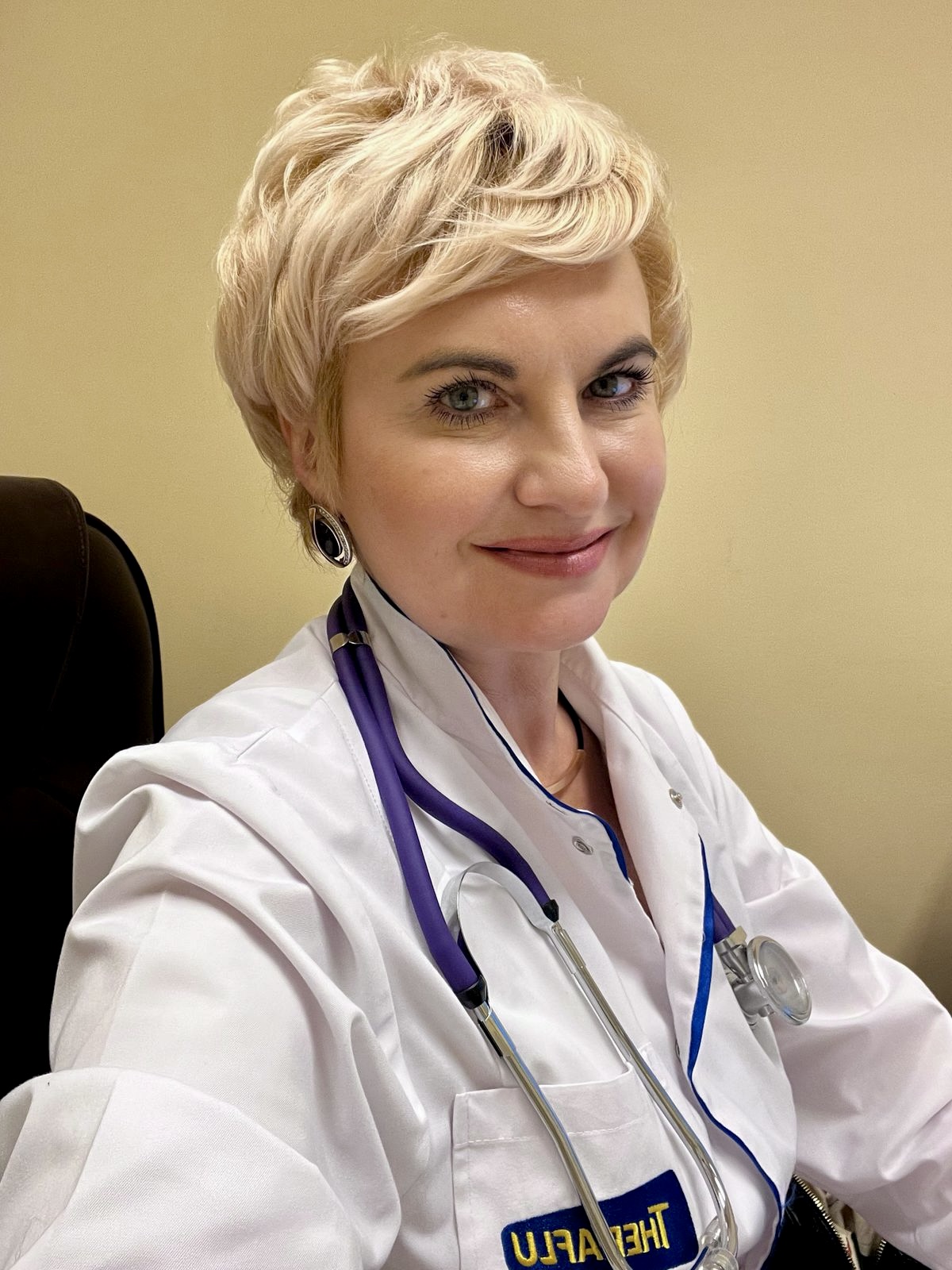
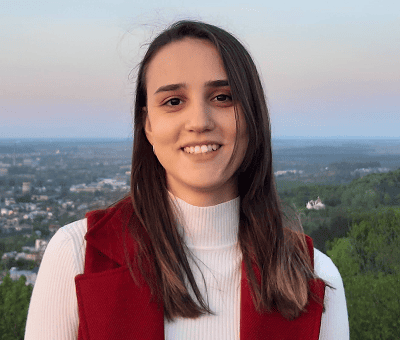
Alina Tsurkan

Family medicine12 years of experience

Dr. Alina Tsurkan is a licensed family medicine physician based in Portugal, offering online consultations for adults and children. She provides professional primary care, with a focus on prevention, accurate diagnosis, and long-term management of acute and chronic conditions.

Dr. Tsurkan supports patients with a wide range of health issues, including:

  • Respiratory infections: cold, flu, bronchitis, pneumonia, and lingering coughs.
  • ENT conditions: sinusitis, tonsillitis, otitis (ear infections), sore throat, allergic rhinitis.
  • Eye conditions: allergic or infectious conjunctivitis, red eyes, irritation.
  • Digestive issues: acid reflux (GERD), gastritis, irritable bowel syndrome (IBS), constipation, bloating, nausea.
  • Urinary and reproductive health: urinary tract infections (UTIs), cystitis, prevention of recurrent infections.
  • Chronic diseases: hypertension, elevated cholesterol, weight management.
  • Neurological complaints: headaches, migraines, sleep disturbances, fatigue, general weakness.
  • Children’s health: fever, infections, digestive issues, follow-ups, vaccination guidance.

She also provides:

  • IMT medical certificates for driving licence exchange in Portugal.
  • Personalised preventive care and wellness consultations.
  • Interpretation of test results and medical reports.
  • Follow-up care and medication review.
  • Support in managing multiple coexisting conditions.
  • Remote prescription management and medical documentation.

Dr. Tsurkan’s approach is evidence-based and holistic. She works closely with each patient to develop an individualised care plan that addresses both symptoms and root causes. Her goal is to empower patients to take control of their health and maintain well-being through lifestyle adjustments, routine check-ups, and early intervention.

CameraBook a video appointment
€55
Today10:50
Today14:00
Today14:40
Today15:20
December 2211:00
More times
This page is for general information. Consult a doctor for personal advice. Call emergency services if symptoms are severe.
About the medicine

How to use MENOVAZIN

INSTRUCTIONS FOR MEDICAL USE OF THE MEDICINAL PRODUCT DOXEPIN-ZN (DOXEPIN-ZN)

Composition

active substance: doxepin hydrochloride; 1 hard capsule contains doxepin hydrochloride in terms of doxepin 25 mg; excipients: pre-gelatinized starch (granulated), magnesium stearate, sodium lauryl sulfate, gelatin, quinoline yellow (E 104), erythrosine (E 127), titanium dioxide (E 171).

Pharmaceutical Form

Hard capsules.

Main Physico-Chemical Properties

Hard gelatin capsules No. 3 with a white body and a yellow cap with hemispherical ends. The contents of the capsules are a powder of almost white color.

Pharmacotherapeutic Group

Antidepressants. Non-selective inhibitors of neuronal monoamine reuptake.

ATC Code N06A A12.

Pharmacological Properties

Pharmacodynamics

Doxepin hydrochloride belongs to the group of tricyclic antidepressants (TCAs). The antidepressant effect is combined with anxiolytic and sedative effects.

Doxepin hydrochloride inhibits the reuptake of biogenic amines (norepinephrine and serotonin) in synaptic structures. It also has antihistamine, anticholinergic, and alpha-1 adrenergic blocking effects. It does not cause euphoria or psychomotor stimulation.

Pharmacokinetics

Doxepin hydrochloride is well absorbed from the gastrointestinal tract, quickly (within 2-4 hours after administration) reaching maximum concentration in serum. A stable therapeutic concentration in the blood is achieved approximately 2 weeks after the start of treatment.

Doxepin hydrochloride is metabolized in the liver, mainly by demethylation with the formation of the main active metabolite - desmethyldoxepin (nordoxepin). The binding of doxepin and its metabolites to plasma proteins is about 76%. The volume of distribution is approximately 20 L/kg. The half-life of doxepin is 8-24 hours, and the main active metabolite is 33-80 hours. Doxepin hydrochloride passes through the placenta and the blood-brain barrier and enters breast milk.

Clinical Characteristics

Indications
  • Neurotic disorders with symptoms of depression or anxiety.
  • Organic neuroses associated with insomnia.
  • Depressive and anxiety states in alcoholism.
  • Depression and anxiety states associated with somatic disorders and diseases.
  • Depression accompanied by fear and anxiety in the background of psychoses, including involutional depression and the depressive phase of bipolar disorders.
Contraindications
  • Increased sensitivity to doxepin, TCA, or any of the excipients;
  • manic state;
  • severe liver dysfunction;
  • breastfeeding period;
  • glaucoma;
  • tendency to urine retention;
  • concomitant use with monoamine oxidase inhibitors (MAOIs) or use of the latter within two weeks before starting doxepin therapy.

Interaction with Other Medicinal Products and Other Types of Interactions

Drugs metabolized by CYP2D6: the biochemical activity of the metabolizing enzyme isoform of cytochrome P450 (CYP) 2D6 (debrisoquine hydroxylase) is reduced in a subgroup of the Caucasian population (approximately 7-10% of Caucasians are so-called "slow metabolizers"); there is no reliable assessment of the prevalence of reduced activity of the CYP2D6 isoform among Asian, African, and other populations. "Slow metabolizers" have a higher than expected plasma concentration of TCA when using standard doses. Depending on the fraction of the drug metabolized by CYP2D6, the increase in plasma concentration may be small or quite significant (8-fold increase in TCA AUC in plasma).

In addition, certain drugs inhibit the activity of this isoform and make "normal metabolizers" similar to "slow metabolizers". A stable dose of TCA for a patient may become suddenly toxic when using one of these inhibiting drugs as concomitant therapy. Drugs that inhibit CYP2D6 include those that are not metabolized by the enzyme (quinidine, cimetidine) and many that are substrates for CYP2D6 (many other antidepressants, phenothiazines, and antiarrhythmic drugs of type 1C propafenone and flecainide). Although all selective serotonin reuptake inhibitors (SSRIs), such as citalopram, escitalopram, fluoxetine, sertraline, and paroxetine, inhibit CYP2D6, they may differ in the degree of inhibition. The degree of SSRI-TCA interaction may cause clinical problems and will depend on the degree of inhibition and the pharmacokinetics of the involved SSRIs. Nevertheless, caution should be exercised when concomitantly using TCA with any of the SSRIs, as well as when switching from one class to another. It is especially important that before starting TCA treatment in a patient who is stopping fluoxetine, sufficient time should pass, taking into account the long half-life of the active substance and its active metabolite (at least 5 weeks may be required).

Concomitant use of TCA with drugs that may inhibit CYP2D6 may require lower doses than those usually prescribed for TCA or another drug. In addition, whenever one of these other drugs is withdrawn from combination therapy, it may be necessary to increase the dose of TCA. It is desirable to monitor TCA levels in plasma blood whenever TCA is planned to be used in combination with another drug that is known to be a CYP2D6 inhibitor.

Doxepin is primarily metabolized by CYP2D6 (and CYP1A2 and CYP3A4 as secondary isoforms). Inhibitors or substrates of CYP2D6 (i.e., quinidine, SSRIs) may increase the plasma concentration of doxepin when used concomitantly. The degree of interaction depends on the variability of the effect on CYP2D6. The clinical significance of this interaction with doxepin has not been systematically evaluated.

MAOIs: serious side effects and even death have been reported after concomitant use of certain drugs with MAOIs. Therefore, the use of MAOIs should be stopped at least two weeks before the cautious start of therapy with the medicinal product. The exact duration may vary and depends on the specific MAOI used, the duration of its administration, and the dose.

Serotoninergic drugs, such as buprenorphine, when used concomitantly with doxepin, may increase the risk of developing serotonin syndrome, a potentially life-threatening condition (see the "Special Instructions" section).

Cimetidine: it has been reported that cimetidine causes clinically significant fluctuations in steady-state concentrations of various TCAs in serum. Serious anticholinergic symptoms (i.e., severe dry mouth, urine retention, and blurred vision) have been associated with increased TCA levels in serum at the start of cimetidine therapy. In addition, higher than expected TCA levels have been observed in patients already taking cimetidine. In patients who have been reported to respond well to TCA therapy and are receiving concomitant cimetidine therapy, it has been reported that stopping cimetidine decreases established steady-state TCA levels in serum and worsens their therapeutic effect.

Alcohol: it should be noted that alcohol consumption may increase the risk associated with any intentional or unintentional overdose of the medicinal product. This is especially important for patients who may abuse alcohol.

Tolazamide: a case of severe hypoglycemia has been reported in a patient with type II diabetes who received tolazamide (1 g/day) 11 days after adding doxepin (75 mg/day).

Special Instructions

Patients with concomitant diseases or patients taking other medicinal products should be given a single-dose regimen. This also applies to patients who are taking drugs with anticholinergic effects.

Elderly patients should also be given this dosing regimen and with caution, adjusting it. These patients are prone to developing side effects such as anxiety, confusion, and orthostatic hypotension. Therefore, the initial dose should be prescribed with caution and under close monitoring of the patient's condition and their response to the drug. For the corresponding clinical effect, half the dose of doxepin may be sufficient.

Patients should be warned that during treatment, drowsiness may occur, and alcohol consumption may enhance the effect of the drug.

In the event of worsening symptoms of psychosis or manic episodes during treatment with doxepin, it may be necessary to reduce the dose of doxepin or add drugs from the group of tranquilizers (neuroleptics) to the treatment regimen.

Although doxepin has less effect on the vascular system than other TCAs, it should be used with caution in patients with severe cardiovascular diseases (heart block, cardiac arrhythmia, and recently suffered myocardial infarction).

Doxepin should be used with caution in patients with liver, kidney dysfunction, and patients with a history of epileptic seizures.

Serotonin Syndrome

Concomitant use of doxepin and other serotoninergic agents, such as buprenorphine, may lead to serotonin syndrome, a potentially life-threatening condition (see the "Interaction with Other Medicinal Products and Other Types of Interactions" section).

Suicidal/Suicidal Thoughts or Clinical Worsening

In patients with pronounced depression, there is a risk of suicidal thoughts and actions, which may persist until significant remission is achieved. Since improvement may not occur within the first few weeks of treatment or even more, patients require close monitoring until their condition improves. It is known from general clinical practice that the risk of suicidal thoughts or actions may increase at the early stages of treatment.

In other psychiatric conditions for which doxepin is prescribed, there is also an increased risk of suicidal events. In addition, these conditions may be comorbid with major depressive disorder. Therefore, the precautions taken when treating major depressive disorder should be taken when treating patients with other mental disorders.

Close monitoring is necessary throughout treatment for patients with suicidal thoughts or attempts in their history or with a significant level of suicidal thinking before starting treatment.

Close monitoring of patients, especially high-risk groups, should be combined with the appointment of appropriate medicinal products, especially at the early stages, with subsequent dose adjustment if necessary. Patients (and those caring for them) should be informed about the need to monitor for the occurrence of any clinical worsening, suicidal behavior, thoughts, or unusual changes in behavior and to seek medical help immediately if these symptoms occur.

A meta-analysis of placebo-controlled studies using antidepressants in adult patients with mental disorders showed an increased risk of suicidal behavior in patients under 25 years of age compared to placebo.

In patients with moderate prostatic hyperplasia, urinary retention may worsen.

Use During Pregnancy or Breastfeeding

Reproductive function studies in animals have not revealed adverse effects on the fetus; adequate and well-controlled studies in pregnant women have not been conducted. Therefore, the medicinal product can be used in pregnant women only when the expected benefit to the mother outweighs the potential risk to the fetus.

Doxepin-ZN passes into breast milk, so breastfeeding should be stopped during treatment with the medicinal product.

Ability to Affect Reaction Speed When Driving or Operating Other Mechanisms

During treatment with doxepin, it is not allowed to drive vehicles or work with complex mechanisms that require concentration of attention, as doxepin may cause drowsiness and increase the reaction time.

Method of Administration and Dosage

Administer orally. The dose of the medicinal product should be selected individually, depending on the severity of symptoms and the therapeutic effect.

The dose of doxepin is 30-300 mg per day. A dose of up to 100 mg can be administered as a single dose or divided. Doses exceeding 100 mg should be administered in 3 doses. The maximum single dose is 100 mg (usually administered before bedtime).

For moderate or severe symptoms, the usual initial dose is 75 mg per day.

In most patients, this dose is satisfactory. For severe forms of the disease, the daily dose can be increased to 300 mg (in 3 doses).

In patients with insomnia, the total dose should be distributed so that the highest dose is administered in the evening. In cases where insomnia is reported as a side effect, this dosing regimen can also be used, or the dose should be reduced.

After achieving a satisfactory therapeutic effect, the dose of the medicinal product should be adjusted to the minimum maintenance dose.

Relief of anxiety symptoms when taking doxepin is achieved earlier than the antidepressant effect. The antidepressant effect manifests within 2-3 weeks of treatment.

Elderly patients with moderate symptoms of the disease are recommended to take half the usual recommended dose of doxepin (10-50 mg per day). Satisfactory clinical effects were achieved after administration of doxepin at a dose of 30-50 mg per day. The dose of the medicinal product should be adjusted individually, depending on the patient's clinical response.

Patients with liver dysfunction should have their doses reduced.

Children

The safety and efficacy of doxepin in children have not been established.

Overdose

Symptoms: drowsiness, vision disturbances, stupor, dry mouth.

If such symptoms occur, the administration of the medicinal product should be stopped, and the patient should be examined.

If necessary, supportive therapy should be prescribed.

In cases of severe overdose, the following may be possible: drowsiness, respiratory depression, decreased/increased blood pressure, coma, seizures, arrhythmia, tachycardia, urine retention (urinary bladder atony), decreased peristalsis (functional intestinal obstruction), hyperthermia (or hypothermia), dilated pupils, hyperactive reflexes.

There have been reports of fatal cases of doxepin overdose when used alone or in combination with other medicinal products or alcohol.

Treatment: discontinuation of the medicinal product, gastric lavage, artificial ventilation of the lungs, monitoring of the cardiovascular system, administration of sedatives. If necessary, intravenous administration of physostigmine salicylate 1-3 mg. In cases of seizures, standard anticonvulsant therapy may be necessary. However, barbiturates may enhance respiratory depression. Hemodialysis and forced diuresis are ineffective.

Side Effects

Doxepin-ZN is generally well tolerated. Most side effects are mild, they are observed at the beginning of treatment, and they disappear during further administration of the medicinal product or when reducing its dose if necessary. Some side effects listed below are not specific to doxepin but should be considered due to the similarity of its pharmacological properties with other tricyclic agents.

From the Nervous System and Mental Disorders

Very often: drowsiness.

Rarely: headache, dizziness, insomnia, nightmares, confusion, disorientation, agitation, numbness or paresthesia, tremor (usually of moderate severity). When using high doses (especially in elderly patients), extrapyramidal symptoms, including late dyskinesia, may occur.

Rarely: hallucinations, ataxia (usually if several central nervous system-acting drugs are used), convulsions (in patients prone to seizures, which may be caused by brain damage or alcohol and drug use).

Unknown: suicidal thoughts and behavior.

From the Organs of Vision

Very rarely: vision disturbances (blurred vision).

From the Organs of Hearing

Rarely: tinnitus.

From the Vascular System

Rarely: orthostatic hypotension, facial hyperemia.

From the Cardiovascular System

Very rarely: tachycardia, ECG disturbances (QRS complex prolongation, PR interval prolongation).

From the Immune System

Rarely: allergic reactions, including skin rashes, facial edema, increased photosensitivity, itching, urticaria.

During treatment with TCAs, exacerbation of bronchial asthma is possible.

From the Skin and Subcutaneous Tissue

Rarely: increased sweating, skin allergic reactions mentioned above.

Very rarely: alopecia.

From the Blood and Lymphatic System

Rarely: eosinophilia and bone marrow dysfunction with symptoms such as agranulocytosis, leukopenia, thrombocytopenia, purpura, and hemolytic anemia.

From the Gastrointestinal Tract

Very often: dryness of the mucous membranes of the mouth and nose, constipation.

Rarely: nausea, vomiting, dyspepsia, taste disturbances, diarrhea, anorexia, aphthous stomatitis.

From the Endocrine System

Rarely: disturbances of antidiuretic hormone secretion, gynecomastia, breast enlargement, galactorrhea in women.

Very rarely: increased or decreased libido, testicular edema, increased or decreased blood glucose levels.

From the Kidneys and Urinary System

Rarely: urinary retention (in men, where this disturbance is a consequence of prostatic hyperplasia, complaints may worsen).

From the Hepatobiliary System

Rarely: jaundice.

General Disorders

Very often: fatigue, weakness, weight gain, chills, hyperpyrexia (in patients taking chlorpromazine concomitantly).

Withdrawal of Doxepin

When suddenly stopping TCA, withdrawal symptoms may occur in newborns whose mothers took TCA during the third trimester, including respiratory depression, convulsions, and hyperreflexia.

Reporting of Side Effects

Reporting side effects after the registration of the medicinal product is important. This allows monitoring the benefit/risk ratio of using this medicinal product. Medical and pharmaceutical workers, as well as patients or their authorized representatives, should report all cases of suspected side effects and lack of efficacy of the medicinal product through the Automated Information System for Pharmacovigilance at: https://aisf.dec.gov.ua.

Shelf Life

2 years.

Storage Conditions

Store in the original packaging at a temperature not exceeding 25 °C.

Store in a place inaccessible to children.

Packaging

10 capsules in a blister pack; 3 blister packs in a cardboard box.

Release Category

By prescription.

Manufacturer

Limited Liability Company "Kharkiv Pharmaceutical Enterprise "Zdorovya Narodu"."

Location of the Manufacturer and Address of the Place of Its Activities

Ukraine, 61002, Kharkiv region, city of Kharkiv, Kulykivska street, building 41.

Alternatives to MENOVAZIN in other countries

The best alternatives with the same active ingredient and therapeutic effect.

Alternative to MENOVAZIN in Poland

Dosage form: Cream, 100 mg/g
Manufacturer: Medis, d.o.o.
Prescription not required
Dosage form: Ointment, (100 mg + 10 mg + 5 mg + 5 mg)/g

Alternative to MENOVAZIN in Spain

Dosage form: GEL, 10 g; 3 g; 6 g; 3 g/ 100 g
Active substance: various
Prescription not required
Dosage form: TOPICAL SOLUTION, 100 mg / 25 mg / 10 mg
Active substance: various
Prescription not required
Dosage form: CREAM, 20 mg / 100 mg / 10 mg / 50 mg / 20 mg
Active substance: various
Prescription not required
Dosage form: GEL, 500 mg/g
Prescription not required
Dosage form: TOPICAL SOLUTION, 10 g
Active substance: various
Prescription not required
Dosage form: GEL, 20 mg/g + 2 mg/g + 3 mg/g
Active substance: various
Manufacturer: Laboratorio Stada S.L.
Prescription required

Online doctors for MENOVAZIN

Discuss dosage, side effects, interactions, contraindications, and prescription renewal for MENOVAZIN – subject to medical assessment and local rules.


5.0(102)
Doctor

Alina Tsurkan

Family medicine12 years of experience

Dr. Alina Tsurkan is a licensed family medicine physician based in Portugal, offering online consultations for adults and children. She provides professional primary care, with a focus on prevention, accurate diagnosis, and long-term management of acute and chronic conditions.

Dr. Tsurkan supports patients with a wide range of health issues, including:

  • Respiratory infections: cold, flu, bronchitis, pneumonia, and lingering coughs.
  • ENT conditions: sinusitis, tonsillitis, otitis (ear infections), sore throat, allergic rhinitis.
  • Eye conditions: allergic or infectious conjunctivitis, red eyes, irritation.
  • Digestive issues: acid reflux (GERD), gastritis, irritable bowel syndrome (IBS), constipation, bloating, nausea.
  • Urinary and reproductive health: urinary tract infections (UTIs), cystitis, prevention of recurrent infections.
  • Chronic diseases: hypertension, elevated cholesterol, weight management.
  • Neurological complaints: headaches, migraines, sleep disturbances, fatigue, general weakness.
  • Children’s health: fever, infections, digestive issues, follow-ups, vaccination guidance.

She also provides:

  • IMT medical certificates for driving licence exchange in Portugal.
  • Personalised preventive care and wellness consultations.
  • Interpretation of test results and medical reports.
  • Follow-up care and medication review.
  • Support in managing multiple coexisting conditions.
  • Remote prescription management and medical documentation.

Dr. Tsurkan’s approach is evidence-based and holistic. She works closely with each patient to develop an individualised care plan that addresses both symptoms and root causes. Her goal is to empower patients to take control of their health and maintain well-being through lifestyle adjustments, routine check-ups, and early intervention.

CameraBook a video appointment
€55
Today10:50
Today14:00
Today14:40
Today15:20
December 2211:00
More times
5.0(8)
Doctor

Iryna Reznychenko

Gynecology25 years of experience

Dr Iryna Reznychenko is an obstetrician-gynaecologist, paediatric gynaecologist, and certified lactation consultant. She provides online consultations for women at all stages of life – from adolescence to menopause. Her work combines medical care for gynaecological conditions with dedicated support for breastfeeding challenges, both physical and emotional.

Areas of expertise:

  • interpretation of test results and personalised treatment planning
  • menstrual irregularities, PCOS, endometriosis
  • abnormal uterine bleeding, endometrial hyperplasia, cervical dysplasia
  • care during perimenopause and menopause, hormonal balance, cancer prevention
  • breastfeeding issues: nipple pain, cracked skin, blocked ducts, low milk supply
  • support during the postpartum and lactation period
Dr Reznychenko offers a clear, attentive and professional approach. Her consultations help prevent minor discomforts from developing into more serious concerns – all in a convenient online format.
CameraBook a video appointment
€50
Today10:50
Today11:40
Today12:30
Today13:20
Today20:00
More times
0.0(0)
Doctor

Andreea Mateescu

Pediatrics7 years of experience

Dr Andreea Mateescu is a board-certified paediatrician with 7 years of clinical experience. She graduated from Carol Davila University of Medicine and Pharmacy in Bucharest, Romania, and completed her paediatric residency at INSMC Alessandrescu-Rusescu. She also holds additional training in general ultrasound diagnostics.

Dr Mateescu focuses on providing high-quality, evidence-based medical care for children, with a strong emphasis on prevention, healthy development, and long-term wellbeing. She believes that clear, empathetic communication with both children and parents is essential for building trust and ensuring effective care.

Online consultations with Dr Mateescu are suitable for:

  • preventive check-ups and monitoring of growth and development;
  • vaccination planning, including personalised and catch-up schedules;
  • assessment of psychomotor, emotional, and physical development;
  • diagnosis and management of acute and chronic paediatric conditions;
  • nutritional guidance for infants and children, including formula selection when medically indicated;
  • care for children with complex or rare conditions;
  • practical guidance and ongoing support for parents.
Dr Mateescu works with patience, empathy, and professionalism, ensuring that each child receives attentive, individualised care. Her goal is to support healthy, balanced development while helping parents feel confident and well-informed at every stage of their child’s care.
CameraBook a video appointment
€60
Today10:50
Today11:15
Today11:40
Today12:05
Today12:30
More times
0.0(0)
Doctor

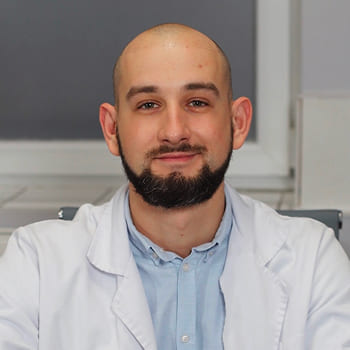
Hocine Lokchiri

General medicine20 years of experience

Dr. Hocine Lokchiri is a French consultant with over 20 years of experience in General and Emergency Medicine. He works with adults and children, helping patients with urgent symptoms, infections, sudden health changes and everyday medical concerns that require timely evaluation. His background includes clinical practice in France, Switzerland and the United Arab Emirates, which allows him to navigate different healthcare systems and manage a wide range of conditions with confidence. Patients value his calm, structured approach, clear explanations and evidence-based decision-making.

Online consultations with Dr. Lokchiri are suitable for many situations when someone needs quick medical guidance, reassurance or a clear next step. Common reasons for booking include:

  • fever, chills, fatigue and viral symptoms
  • cough, sore throat, nasal congestion, breathing discomfort
  • bronchitis and mild asthma flare-ups
  • nausea, diarrhoea, abdominal pain, digestive infections
  • rashes, allergic reactions, redness, insect bites
  • muscle or joint pain, mild injuries, sprains
  • headache, dizziness, migraine symptoms
  • stress-related symptoms, sleep disturbances
  • questions about test results and treatment plans
  • management of chronic conditions in stable phases
Many patients reach out when symptoms appear suddenly and cause concern, when a child becomes unwell unexpectedly, when a rash changes or spreads, or when it’s unclear whether an in-person examination is necessary. His emergency medicine background is particularly valuable online, helping patients understand risk levels, identify warning signs and choose safe next steps.

Some situations are not suitable for online care. If a patient has loss of consciousness, severe chest pain, uncontrolled bleeding, seizures, major trauma or symptoms suggesting a stroke or heart attack, he will advise seeking immediate local emergency services. This improves safety and ensures patients receive the right level of care.

Dr. Lokchiri’s professional training includes:

  • Advanced Trauma Life Support (ATLS)
  • Basic and Advanced Cardiac Life Support (BLS/ACLS)
  • Pediatric Advanced Life Support (PALS)
  • Prehospital Trauma Life Support (PHTLS)
  • eFAST and critical care transthoracic echocardiography
  • aviation medicine
He is an active member of several professional organisations, including the French Society of Emergency Medicine (SFMU), the French Association for Emergency Physicians (AMUF) and the Swiss Society of Emergency and Rescue Medicine (SGNOR). In consultations, he works with clarity and precision, helping patients understand their symptoms, possible risks and the safest treatment options.
CameraBook a video appointment
€58
Today11:00
December 2007:00
December 2008:00
December 2108:00
December 2109:00
More times
0.0(0)
Doctor

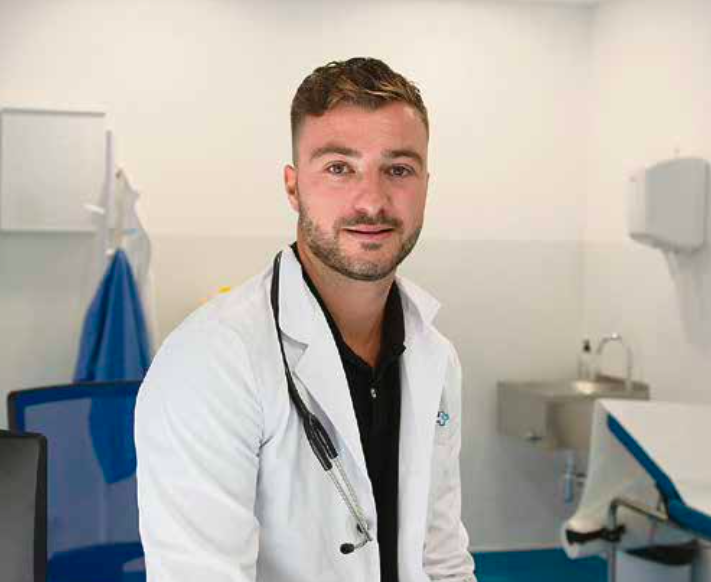
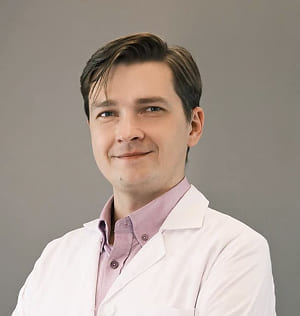
Tomasz Grzelewski

Dermatology20 years of experience

Dr Tomasz Grzelewski is an MD, PhD specialist in allergy, paediatrics, general practice and sports medicine, with a clinical focus on dermatology, endocrinology, allergology and sports-related health. He has more than 20 years of clinical experience and completed his medical training at the Medical University of Łódź, where he defended his PhD thesis with distinction. His doctoral research was recognised by the Polish Society of Allergology for its innovative contribution to the field. Throughout his career, he has gained extensive expertise in diagnosing and managing a wide range of allergic and paediatric conditions, including modern allergen desensitisation techniques.

For five years, Dr Grzelewski served as the Head of two paediatric departments in Poland, managing complex clinical cases and leading multidisciplinary teams. He also worked in medical centres in the United Kingdom, gaining experience across both primary care and specialist environments. With over a decade of telemedicine experience, he has provided online consultations across Europe and is valued for his clear, structured and evidence-based medical guidance.

Dr Grzelewski is actively involved in clinical programmes focused on modern anti-allergic therapies. As a Principal Investigator, he leads research projects on sublingual and oral allergen desensitisation, supporting evidence-based progress in allergy treatment for both children and adults.

In addition to his background in allergology and paediatrics, he completed dermatology studies through the Cambridge Education Group (Royal College of Physicians of Ireland) and a Clinical Endocrinology course at Harvard Medical School. This advanced training enhances his ability to manage skin manifestations of allergies, atopic conditions, urticaria, endocrine-related symptoms and complex immunological reactions.

Patients commonly seek his care for:

  • seasonal and perennial allergies
  • allergic rhinitis and chronic nasal symptoms
  • asthma and breathing difficulties
  • food and medication allergies
  • urticaria, atopic dermatitis and skin reactions
  • recurrent infections in children
  • sports-related health questions
  • general family medicine concerns
Dr Tomasz Grzelewski is known for his clear communication style, structured medical approach and ability to explain treatment options in a concise and accessible way. His multidisciplinary background across allergy, paediatrics, dermatology and endocrinology allows him to provide safe, up-to-date and comprehensive care for patients of all ages.
CameraBook a video appointment
€80
Today11:00
Today11:25
Today11:50
Today12:15
Today12:40
More times
5.0(4)
Doctor

Salome Akhvlediani

Pediatrics11 years of experience

Dr Salome Akhvlediani is a paediatrician providing online consultations for children of all ages. She supports families with preventive care, diagnosis, and long-term management of both acute and chronic conditions.

Her areas of focus include:

  • Fever, infections, cough, sore throat, and digestive issues.
  • Preventive care – vaccinations, regular check-ups, and health monitoring.
  • Allergies, asthma, and skin conditions.
  • Nutritional advice and healthy development support.
  • Sleep difficulties, fatigue, and behavioural concerns.
  • Ongoing care for chronic or complex health conditions.
  • Guidance for parents and follow-up after medical treatment.

Dr Akhvlediani combines professional care with a warm, attentive approach – helping children stay healthy and supporting parents at every stage of their child’s growth.

CameraBook a video appointment
€45
Today11:50
Today12:30
Today13:10
Today13:50
Today14:30
More times
5.0(10)
Doctor

Tetiana Fursenko

Otolaryngology (ENT)4 years of experience

Dr. Tetiana Fursenko is an ENT (ear, nose, and throat) specialist offering online consultations for both adults and children. She focuses on diagnosing and treating conditions of the upper respiratory tract using evidence-based medical guidelines and personalised treatment plans.

Common concerns addressed during consultation:

  • Nasal congestion, runny nose, sinusitis, rhinitis, and hay fever.
  • Ear pain, otitis (middle ear infections), earwax buildup, hearing loss.
  • Sore throat, tonsillitis, pharyngitis, chronic throat irritation.
  • Hoarseness, loss of voice, laryngitis.
  • Allergic rhinitis, sneezing, nasal itching, seasonal allergies.
  • Snoring, mouth breathing, enlarged adenoids.
  • Frequent colds, lingering post-viral symptoms.
  • Foreign objects in the ear or nose.
  • ENT-related check-ups and chronic condition follow-up.

Dr. Fursenko helps patients manage symptoms early, avoid complications, and receive timely treatment. Online ENT consultations are a convenient way to access care for both urgent and recurring conditions — from anywhere.

CameraBook a video appointment
€65
Today11:50
Today12:50
Today13:50
Today14:50
Today15:50
More times
5.0(2)
Doctor

Lina Travkina

Family medicine12 years of experience

Dr. Lina Travkina is a licensed family and preventive medicine doctor based in Italy. She provides online consultations for adults and children, supporting patients across all stages of care – from acute symptom management to long-term health monitoring and prevention.

Areas of medical care include:

  • Respiratory conditions: colds, flu, acute and chronic bronchitis, mild to moderate pneumonia, bronchial asthma.
  • ENT and eye conditions: sinusitis, tonsillitis, pharyngitis, otitis, infectious and allergic conjunctivitis.
  • Digestive issues: gastritis, acid reflux (GERD), IBS, dyspepsia, bloating, constipation, diarrhoea, functional bowel symptoms, intestinal infections.
  • Urological and infectious diseases: acute and recurrent cystitis, bladder and kidney infections, prevention of recurrent UTIs, asymptomatic bacteriuria.
  • Chronic conditions: hypertension, diabetes, hypercholesterolemia, metabolic syndrome, thyroid disorders, excess weight.
  • Neurological and general symptoms: headache, migraine, dizziness, fatigue, sleep disturbances, reduced concentration, anxiety, asthenia.
  • Chronic pain support: back, neck, joint, and muscle pain, tension syndromes, pain associated with osteochondrosis and chronic conditions.

Additional care areas:

  • Preventive consultations and check-up planning.
  • Medical advice and follow-up consultations.
  • Test interpretation and diagnostic guidance.
  • Structured support for undiagnosed complaints.
  • Second opinion on diagnoses and treatment plans.
  • Nutritional and lifestyle support for vitamin deficiencies, anaemia, metabolic issues.
  • Post-operative recovery support and pain management.
  • Preconception counselling and postpartum support.
  • Immunity support and strategies to reduce frequency of infections.

Dr. Travkina combines evidence-based medicine with an attentive, personalised approach. Her consultations focus not only on treatment, but also on prevention, recovery, and long-term wellbeing.

If during the consultation it becomes clear that your case requires in-person assessment or specialised care outside of her scope, the session will be terminated and the payment fully refunded.

CameraBook a video appointment
€70
Today14:00
Today14:45
Today15:30
Today16:15
December 2415:00
More times
0.0(4)
Doctor

Karina Travkina

Otolaryngology (ENT)16 years of experience

Dr Karina Travkina is an ENT specialist providing online consultations for adults with acute and chronic conditions affecting the ears, nose and throat. She takes a structured and personalised approach to each consultation, beginning with a thorough review of symptoms and medical history, followed by diagnostic interpretation and a tailored treatment plan.

Common reasons for consultation include:

  • chronic pharyngitis and recurrent tonsillitis
  • allergic, vasomotor and medication-induced rhinitis
  • sinusitis, nasal obstruction, and postnasal drip
  • nosebleeds, earwax build-up, or foreign bodies in the ear, nose, or throat
  • Eustachian tube dysfunction and related complaints
Dr Travkina follows evidence-based guidelines and ensures patients receive clear explanations and follow-up recommendations. Whether you need help with ENT symptoms, clarification of test results, or guidance on next steps – she offers expert medical advice in a convenient online format.
CameraBook a video appointment
€64
Today15:00
Today15:30
Today16:00
Today16:30
Today17:00
More times
0.0(0)
Doctor

Katia Benko

Pediatrics9 years of experience

Dr Katia Benko is a paediatrician with over 9 years of clinical experience and international training. She completed her medical education and residency in Argentina and is fully licensed to practise in Spain. Her work spans newborns, children and adolescents, with a focus on whole-person care that integrates physical, emotional and developmental health.

Areas of expertise:

  • online consultations for newborns, children and teens
  • evaluation and treatment of acute symptoms: fever, cough, infections, bronchiolitis, earache, etc.
  • long-term care for chronic paediatric conditions
  • preventive care at every stage of growth and development
  • child wellness visits and routine health check-ups
  • vaccination guidance according to standard and special schedules
  • assessment of neurodevelopment in infants and toddlers
  • feeding concerns: picky eating, food refusal, healthy habits, eating disorders
  • parental support in everyday health, emotional wellbeing and prevention
  • guidance for teenagers on healthy habits, self-care and risk prevention
Dr Benko sees paediatrics as a space for partnership with families – not only to treat illness, but to guide each child’s health journey with clarity, empathy and trust. Her goal is for every family to feel supported in making confident, informed decisions for their child’s wellbeing.
CameraBook a video appointment
€59
Today15:00
Today15:30
Today16:00
Today16:30
December 2011:30
More times

Get updates and exclusive offers

Be the first to know about new services, marketplace updates, and subscriber-only promos.

Follow us on social media
FacebookInstagram
Logo
Oladoctor
Find a doctor
Doctors by specialty
Services
Choose language
© 2025 Oladoctor. All rights reserved.
VisaMastercardStripe