


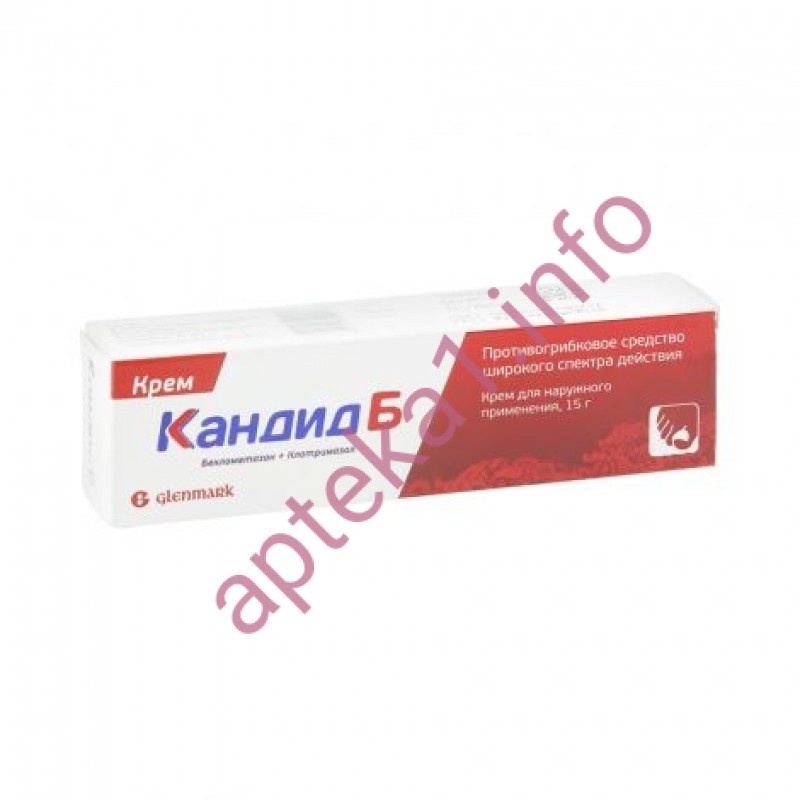
KANDID-B
Ask a doctor about a prescription for KANDID-B




How to use KANDID-B
INSTRUCTIONS FOR MEDICAL USE OF THE MEDICINAL PRODUCT FREEFLO®ENEMA
Composition:
active substances: sodium dihydrogen phosphate dihydrate, sodium hydrogen phosphate dodecahydrate;
1 dose (118 ml), which is administered, contains: sodium dihydrogen phosphate dihydrate 21.4 g, sodium hydrogen phosphate dodecahydrate 9.4 g;
excipients: benzalkonium chloride, disodium edetate, purified water.
Pharmaceutical Form
Rectal solution.
Main Physico-Chemical Properties
clear colorless solution.
Pharmacotherapeutic Group
Laxatives. Enemas. Combinations. ATC Code A06A G20.
Pharmacological Properties
Pharmacodynamics
The medicinal product, when administered rectally, acts as a saline laxative. The accumulation of fluid in the lower part of the intestine causes filling and contributes to peristalsis and motility of the intestine, causing evacuation of only the rectum, sigmoid colon, and part or all of the descending colon.
Pharmacokinetics
Absorption in the colon is minimal, but it has been reported that in approximately 25% of individuals with normal kidney function after oral administration of bowel preparations containing sodium phosphate, asymptomatic hyperphosphatemia with an excess of normal phosphorus levels by 2-3 times was observed. Under normal conditions, the strongest absorption of phosphorus is observed in the small intestine, to which rectally administered preparations do not penetrate.
Clinical Characteristics
Indications
Episodic constipation.
Cases that require cleansing of the large intestine, for example, before and after surgical intervention on the large intestine, during and after childbirth, before proctoscopy, sigmoidoscopy, or colonoscopy, as well as before X-ray examination of the large intestine.
Contraindications
Increased sensitivity to the active substances or to any other substance that is part of the medicinal product.
States in which the ability to absorb or decrease the ability to evacuate is increased, for example, when there is intestinal obstruction or decreased peristalsis:
- suspected intestinal obstruction;
- paralytic intestinal obstruction;
- anorectal stenosis;
- atresia / narrowing / incomplete opening of the anus;
- narrowing of the rectum;
- enlargement of the colon (megacolon);
- Hirschsprung's disease;
- ileostomy.
Undiagnosed pathology of the gastrointestinal tract, for example:
- symptoms indicating appendicitis, perforation / damage or intestinal obstruction; active inflammatory disease of the large intestine (e.g., Crohn's disease or ulcerative colitis);
- undetected rectal bleeding.
Stagnant and symptomatic heart failure.
Dehydration.
Childhood.
Renal failure of moderate or severe degree.
Uncontrolled arterial hypertension.
Do not use simultaneously with other medicinal products containing sodium phosphate.
Interaction with Other Medicinal Products and Other Types of Interactions
Use with caution in patients who are taking calcium channel blockers, diuretics, lithium preparations, or other preparations that can cause dehydration or affect electrolyte levels, as there is a risk of developing hyperphosphatemia, hypocalcemia, hypokalemia, hypernatremic dehydration, and acidosis.
Do not use simultaneously with other medicinal products containing sodium phosphate (see section "Contraindications").
Since hypernatremia is associated with a low level of lithium, the simultaneous use of the medicinal product and lithium therapy may cause a decrease in the level of lithium in the blood serum and a decrease in its effectiveness.
Special Warnings and Precautions for Use
Do not use the medicinal product without a doctor's prescription if there is nausea, vomiting, or abdominal pain.
In case of bowel movements after taking this medicinal product, it is necessary to drink plenty of fluids to prevent dehydration, especially in diseases that can lead to dehydration, or when taking medicinal products that can reduce the rate of glomerular filtration, such as diuretics, angiotensin-converting enzyme inhibitors (ACE inhibitors, e.g., enalapril, ramipril, lisinopril), angiotensin receptor blockers (ARBs, e.g., losartan, candesartan, eprosartan, irbesartan, olmesartan, telmisartan, valsartan), or nonsteroidal anti-inflammatory drugs (NSAIDs).
Since the medicinal product contains sodium phosphates, there is a risk of increased concentrations of sodium and phosphate, as well as decreased concentrations of calcium and potassium in the blood serum, which can lead to hypernatremia, hyperphosphatemia, hypocalcemia, and hypokalemia with clinical signs similar to tetany and renal failure.
Electrolyte imbalance is especially dangerous for children who suffer from megacolon or any other disease in which fluid retention is observed, and for patients with concomitant diseases.
For this reason, the medicinal product should be prescribed with caution to elderly or exhausted patients; patients being treated with lithium preparations; patients with ascites, heart disease, changes in the rectal mucosa (ulcers, cracks), colostomy, who use diuretics or other medicinal products that affect electrolyte balance, preparations that can prolong the QT interval (e.g., amiodarone, arsenic trioxide, astemizole, azithromycin, erythromycin, clarithromycin, chlorpromazine, cisapride, citalopram, domperidone, terfenadine, procainamide), or patients with existing electrolyte imbalance, such as hypocalcemia, hypokalemia, hyperphosphatemia, or hypernatremia. Use with caution in patients who are taking preparations that affect renal perfusion, kidney function, or hydration. In case of suspected electrolyte imbalance and a history of hypophosphatemia in patients, monitoring of electrolyte levels before and after administration of the preparation is necessary.
The medicinal product should be used with caution in patients with impaired renal function and only if the benefit of use outweighs the risk of hyperphosphatemia.
Repeated and prolonged use of the medicinal product is not recommended, as it can cause habituation. Introduction of more than one enema within 24 hours can be harmful. If there are no doctor's instructions, the medicinal product should not be used for more than 6 days in a row.
Before using the medicinal product, it is necessary to familiarize yourself with the instructions for medical use, in particular with the rules for its administration (see section "Method of Administration and Dosage"). The tip of the bottle should not be inserted into the rectum if it has not been previously lubricated with petroleum jelly. Patients should be warned to stop administration in case of feeling resistance, as efforts during administration can cause local damage. Rectal bleeding after administration of the medicinal product may indicate a serious condition. In this case, further administration of the medicinal product should be stopped immediately, and a doctor should be consulted.
Usually, bowel movements occur approximately 5 minutes after administration of the medicinal product, so retention of the enema for more than 5 minutes is not recommended. If after administration of the medicinal product bowel movements do not occur or if the retention time lasts more than 10 minutes, serious side effects may occur. In this case, further administration of the medicinal product should be stopped, and a doctor should be consulted, who will decide on the appointment of laboratory tests to detect possible deviations in electrolyte levels and minimize the risk of developing severe hyperphosphatemia.
This medicinal product contains 80 mg of benzalkonium chloride per dose (118 ml), which can cause irritation and skin reactions.
"Freeflo enema" is a solution for rectal administration.
DO NOT SWALLOW.
Use During Pregnancy or Breastfeeding
Pregnancy
There are no relevant data on the risk of congenital malformations or other fetotoxic effects caused by the use of the medicinal product "Freeflo enema" during pregnancy.
The medicinal product should be used only on the advice of a doctor during childbirth or after it.
Breastfeeding
Sodium phosphate may penetrate into breast milk. It is recommended to express breast milk for 24 hours after administration of the enema and not to use it for feeding the child.
Ability to Affect the Speed of Reaction When Driving Vehicles or Operating Other Mechanisms
There is no direct effect of the medicinal product "Freeflo enema" on the ability to drive vehicles or work with other mechanisms, but considering the specifics of the medicinal product, it is necessary to be near the toilet after its administration.
Method of Administration and Dosage
| The medicinal product is intended only for rectal administration. Before administration, the tip of the bottle must be lubricated with petroleum jelly! |
It is necessary to follow the recommendations below if the doctor did not give other instructions.
Adults and Elderly Patients
Use 1 bottle (dose administered - 118 ml) no more than 1 time per day or as prescribed by the doctor.
Patients with Renal Insufficiency
Do not use in patients with clinically significant renal impairment.
The preparation should be used with caution in patients with impaired renal function and only if the benefit of use outweighs the risk of hyperphosphatemia (see section "Special Warnings and Precautions for Use").
Patients with Hepatic Insufficiency
For patients with hepatic insufficiency, there is no need to adjust the dose.
Procedure for Enema
- Before administration of the enema, remove the protective induction membrane located under the tip of the bottle.
- Remove the protective cap from the tip of the bottle.
- Lubricate the tip of the bottle with petroleum jelly.
- Lie on your left side, bending both legs at the knees.
- With constant pressure, carefully insert the tip of the bottle into the rectum so that it is directed towards the navel.
- Squeeze the bottle until almost all of its contents have passed into the intestine.
- Stop administration if you feel any resistance. Forced administration can cause harm.
- Carefully remove the tip from the rectum. Some liquid may leak from the bottle.
- Stay in the same position until you feel a strong urge to evacuate the intestine (usually within 2-5 minutes).
- After use, put the bottle back in the cardboard packaging for disposal.
If there is no urge to defecate within the specified time, you should consult a doctor.
The preparation should be used only to provide short-term relief for episodic constipation.
Children
Do not use in pediatric practice.
Overdose
There have been fatal cases when an enema containing sodium phosphate was used in excessive doses or for a long time in children or in patients with intestinal obstruction.
In case of overdose or prolonged use, hyperphosphatemia, hypocalcemia, hypernatremia, hypernatremic dehydration, hypokalemia, hypovolemia, acidosis, and tetany may occur.
Recovery from toxic effects is usually achieved by rehydration. Treatment of electrolyte imbalance may require immediate medical intervention using the appropriate electrolyte and replacement fluid therapy.
Side Effects
Usually, the medicinal product is well tolerated if used according to the indications. However, rare cases of adverse events that could be associated with the use of the medicinal product "Freeflo enema" have been reported. In some cases, adverse events may occur with incorrect use of the enema.
Side effects that occurred during the use of the medicinal product are listed below by organ systems and frequency of occurrence: very often (> 1/10), often (> 1/100 and < 1/10), uncommon (> 1/1000 and < 1/100), rare (> 1/10000 and < 1/1000), very rare (< 1/10000), frequency unknown (cannot be established based on available data).
Immune System Disorders
Very rare: hypersensitivity reactions (e.g., urticaria).
Skin and Subcutaneous Tissue Disorders
Very rare: blisters, itching, burning.
Metabolic Disorders
Very rare: dehydration, hyperphosphatemia, hypocalcemia, hypokalemia, hypernatremia, metabolic acidosis.
Frequency unknown: tetany.
Gastrointestinal Disorders
Very rare: nausea, vomiting, abdominal pain, bloating, diarrhea, abdominal pain, anal discomfort, proctalgia.
General Disorders and Administration Site Reactions
Very rare: irritation of the anus, pain, burning, chills.
Investigations
Frequency unknown: temporary increase in blood phosphorus levels.
In case of any adverse reactions, treatment should be stopped, and a doctor should be consulted.
Reporting of Suspected Side Effects
Reporting of side effects after registration of the medicinal product is important. This allows monitoring of the benefit/risk ratio of the use of this medicinal product. Medical and pharmaceutical workers, as well as patients or their authorized representatives, should report all cases of suspected side effects and lack of efficacy of the medicinal product through the Automated Information System for Pharmacovigilance at: https://aisf.dec.gov.ua.
Shelf Life
2 years.
Storage Conditions
Store in the original packaging at a temperature not exceeding 25 ºC. Do not freeze.
Store in a place inaccessible to children.
Packaging
133 ml in a bottle with an induction membrane, tip, and cap. 1 bottle in a cardboard package.
Release Category
Without a prescription.
Manufacturer
KUSUM HEALTHCARE PVT LTD.
Manufacturer's Location and Address of its Activities
SP-289 (A), RIICO Industrial area, Chopanki, Bhiwadi, Dist. Alwar (Rajasthan), India.
- Country of registration
- Active substance
- Prescription requiredYes
- Manufacturer
- This information is for reference only and does not constitute medical advice. Always consult a licensed doctor before taking any medication. Oladoctor is not responsible for medical decisions based on this content.
- Alternatives to KANDID-BDosage form: solution, 1% 15 or 35 mlActive substance: bifonazoleManufacturer: мібе ГмбХ АрцнайміттельPrescription not requiredDosage form: gel, 10 mg/g in 15 g tubeActive substance: bifonazolePrescription not requiredDosage form: cream, 20mg/g in 15g or 30g tubeActive substance: ketoconazoleManufacturer: КУСУМ ХЕЛТХКЕР ПВТ ЛТДPrescription not required
Alternatives to KANDID-B in other countries
The best alternatives with the same active ingredient and therapeutic effect.
Alternative to KANDID-B in Poland
Alternative to KANDID-B in Spain
Online doctors for KANDID-B
Discuss dosage, side effects, interactions, contraindications, and prescription renewal for KANDID-B – subject to medical assessment and local rules.


Get updates and exclusive offers
Be the first to know about new services, marketplace updates, and subscriber-only promos.

