


OLMESARTAN/HYDROCHLOROTHIAZIDE TEVA 40 mg/12.5 mg FILM-COATED TABLETS



How to use OLMESARTAN/HYDROCHLOROTHIAZIDE TEVA 40 mg/12.5 mg FILM-COATED TABLETS
Translated with AI
This page provides general information and does not replace a doctor’s consultation. Always consult a doctor before taking any medication. Seek urgent medical care if symptoms are severe.
Show originalContents of the leaflet
- Introduction
- What Olmesartan/Hydrochlorothiazide Teva is and what it is used for
- What you need to know before you take Olmesartan/Hydrochlorothiazide Teva
- How to take Olmesartan/Hydrochlorothiazide Teva
- Possible Adverse Effects
- Storage of Olmesartan/Hydrochlorothiazide Teva
- Package Contents and Additional Information
Introduction
Package Leaflet:information for the user
Olmesartan/Hydrochlorothiazide Teva 40 mg/12.5 mg film-coated tablets EFG
Olmesartan medoxomil/hydrochlorothiazide
Read all of this leaflet carefully before you start taking this medicine,because it contains important information for you.
- Keep this leaflet, as you may need to read it again.
- If you have any further questions, ask your doctor or pharmacist.
- This medicine has been prescribed for you only. Do not pass it on to others. It may harm them, even if their signs of illness are the same as yours.
- If you get any side effects, talk to your doctor or pharmacist. This includes any possible side effects not listed in this leaflet. See section 4.
Contents of the pack
- What Olmesartan/Hydrochlorothiazide Teva is and what it is used for
- What you need to know before you take Olmesartan/Hydrochlorothiazide Teva
- How to take Olmesartan/Hydrochlorothiazide Teva
- Possible side effects
- Storage of Olmesartan/Hydrochlorothiazide Teva
- Contents of the pack and other information
1. What Olmesartan/Hydrochlorothiazide Teva is and what it is used for
This medicine contains two active substances, olmesartan medoxomil and hydrochlorothiazide, which are used to treat high blood pressure (hypertension):
- Olmesartan medoxomil belongs to a group of medicines called angiotensin II receptor antagonists. It lowers blood pressure by relaxing blood vessels.
- Hydrochlorothiazide belongs to a group of medicines called thiazide diuretics. It lowers blood pressure by helping the kidneys to remove excess fluid from the body, increasing urine production.
This medicine is given to you only if treatment with olmesartan medoxomil alone has not controlled your blood pressure sufficiently. The combination of the two active substances in this medicine helps to lower blood pressure more than either substance alone.
You may already be taking medicines to treat high blood pressure, but your doctor may think it is necessary for you to take this medicine to lower it further.
High blood pressure can be controlled with medicines such as this. Your doctor has probably also advised you to make some changes to your lifestyle to help lower your blood pressure (e.g. lose weight, stop smoking, reduce alcohol consumption and reduce the amount of salt in your diet). Your doctor may have also advised you to take regular exercise, such as walking or swimming. It is important to follow your doctor's advice.

2. What you need to know before you take Olmesartan/Hydrochlorothiazide Teva
Do not take Olmesartan/Hydrochlorothiazide Teva:
- if you are allergic to olmesartan medoxomil or hydrochlorothiazide, or to any of the other ingredients of this medicine (listed in section 6) or to sulphonamides.
- if you are more than 3 months pregnant (It is also better to avoid this medicine at the start of pregnancy - see section Pregnancy).
- if you have low potassium or sodium levels, high calcium or uric acid levels in your blood (with symptoms of gout or kidney stones), which do not improve with treatment.
- if you have diabetes or kidney problems and are being treated with a medicine containing aliskiren.
- if you have kidney problems.
- if you have moderate or severe liver problems, or yellowing of the skin and eyes (jaundice), or problems with the drainage of bile from the gallbladder (bile duct obstruction, e.g. due to gallstones).
If you think any of these apply to you, or if you are unsure, do not take the tablets. Talk to your doctor and follow their advice.
Warnings and precautions
Talk to your doctor before you start taking this medicine.
Before taking the tablets tell your doctorif you are taking any of the following medicines used to treat high blood pressure (hypertension):
- a medicine called an angiotensin-converting enzyme inhibitor (ACE inhibitor) (e.g. enalapril, lisinopril, ramipril), especially if you have kidney problems related to diabetes.
- aliskiren.
Your doctor may want to check your kidney function, blood pressure and levels of electrolytes (e.g. potassium) in your blood at regular intervals.
See also the information under the heading “Do not take Olmesartan/Hydrochlorothiazide Teva”.
Before taking the tablets, tell your doctorif you have any of the following health problems:
- Liver disease.
- Heart failure or problems with your heart valves or heart muscle.
- Vomiting (nausea) or diarrhoea, which is severe or lasts for several days.
- Treatment with high doses of medicines that increase urine production (diuretics), or if you are on a low salt diet.
- Problems with your adrenal glands (e.g. primary hyperaldosteronism).
- Diabetes.
- Lupus erythematosus (an autoimmune disease).
- Allergy or asthma.
- If you have had skin cancer or if you develop an unexpected skin lesion during treatment. Treatment with hydrochlorothiazide, particularly long-term use at high doses, may increase the risk of some types of skin and lip cancer (non-melanoma skin cancer). Protect your skin from sun exposure and UV rays while taking this medicine.
- If you have had respiratory or lung problems (e.g. inflammation or fluid in the lungs) after taking hydrochlorothiazide in the past. If you experience shortness of breath or severe difficulty breathing after taking this medicine, seek medical attention immediately.
- Kidney transplant.
Tell your doctor if you experience any of the following symptoms:
- severe, persistent diarrhoea that causes significant weight loss. Your doctor will assess your symptoms and decide how to proceed with your blood pressure treatment.
- decreased vision or eye pain. These could be symptoms of fluid accumulation in the vascular layer of the eye (choroidal effusion) or increased pressure in the eye, and can occur from a few hours to a few weeks after taking this medicine. This can lead to permanent vision impairment if not treated.
Your doctor may want to see you more often and perform some tests if you have any of these problems.
Talk to your doctor if you experience abdominal pain, nausea, vomiting or diarrhoea after taking this medicine. Your doctor will decide on the treatment to follow. Do not stop taking this medicine on your own.
This medicine may cause an increase in blood fat and uric acid levels (which can cause gout - painful swelling of the joints). Your doctor will probably want to perform a blood test from time to time to monitor these possible changes.
A change in blood levels of certain chemicals called electrolytes may occur. Your doctor will probably want to perform a blood test from time to time to monitor this possible change. Some signs of electrolyte changes are: thirst, dry mouth, muscle pain or cramps, tired muscles, low blood pressure (hypotension), feeling of weakness, slowness, tiredness, drowsiness or restlessness, nausea, vomiting, decreased need to urinate, rapid heartbeat. Tell your doctor if you notice any of these symptoms.
As with any other medicine that lowers blood pressure, an excessive drop in blood pressure in patients with impaired blood flow to the heart or brain may cause a heart attack or stroke. Therefore, your doctor will carefully monitor your blood pressure.
If you are going to have parathyroid function tests, you must stop taking this medicine before these tests are performed.
You must inform your doctor if you are pregnant or think you might be pregnant. This medicine is not recommended during pregnancy, and must not be taken if you are more than 3 months pregnant, as it may cause serious harm to your baby if taken after this time (see section Pregnancy).
Children and adolescents
This medicine is not recommended for children and adolescents under 18 years of age.
Other medicines and Olmesartan/Hydrochlorothiazide Teva
Tell your doctor or pharmacist if you are taking, have recently taken or might take any other medicines.
In particular, tell your doctor or pharmacist if you are taking any of the following medicines:
- other medicines to lower blood pressure (antihypertensives), as they may increase the effect of this medicine.
- your doctor may need to change your dose and/or take other precautions:
- if you are taking an angiotensin-converting enzyme inhibitor (ACE inhibitor) or aliskiren (see also the information under the headings “Do not take Olmesartan/Hydrochlorothiazide Teva” and “Warnings and precautions”).
- medicines that may alter potassium levels in the blood if taken at the same time as this medicine. These include:
- potassium supplements (as well as salt substitutes that contain potassium).
- medicines that increase urine production (diuretics).
- heparin (to thin the blood).
- laxatives.
- corticosteroids.
- adrenocorticotropic hormone (ACTH).
- carbenoxolone (a medicine to treat mouth and stomach ulcers).
- sodium penicillin G (an antibiotic also known as benzylpenicillin sodium).
- certain painkillers such as aspirin or salicylates.
- Lithium (a medicine used to treat mood changes and some types of depression) - if taken at the same time as this medicine, its toxicity may increase. If you have to take lithium, your doctor will measure lithium levels in your blood.
- non-steroidal anti-inflammatory medicines (NSAIDs) (medicines used to relieve pain, swelling and other symptoms of inflammation, including arthritis), taken at the same time as this medicine, may increase the risk of kidney problems and reduce the effect of olmesartan/hydrochlorothiazide.
- medicines that induce sleep, sedatives and antidepressants, used with this medicine, may cause a sudden drop in blood pressure when standing up.
- certain medicines such as baclofen and tubocurarine, used as muscle relaxants.
- amifostine and other medicines used to treat cancer, such as cyclophosphamide or methotrexate.
- cholestyramine and colestipol, medicines to lower blood fat levels.
- colesevelam hydrochloride, a medicine that lowers blood cholesterol levels, as it may reduce the effect of this medicine. Your doctor may advise you to take Olmesartan/Hydrochlorothiazide Teva at least 4 hours before colesevelam hydrochloride.
- anticholinergic medicines, such as atropine and biperiden.
- medicines such as thioridazine, chlorpromazine, levomepromazine, trifluperazine, cyanemazine, sulpiride, amisulpride, pimozide, sultopride, tiapride, droperidol or haloperidol, used to treat certain psychiatric disorders.
- certain medicines such as quinidine, hydroquinidine, disopyramide, amiodarone, sotalol or digitalis, used to treat heart problems.
- medicines such as mizolastine, pentamidine, terfenadine, dofetilide, ibutilide or erythromycin injections, which can change heart rhythm.
- oral antidiabetic medicines, such as metformin, or insulin, used to lower blood sugar levels.
- beta-blockers and diazoxide, medicines used to treat high blood pressure or low blood sugar levels, respectively, as this medicine may increase the blood sugar-raising effect of these medicines.
- methyldopa, a medicine used to treat high blood pressure.
- medicines such as noradrenaline, used to increase blood pressure and decrease heart rate.
- difemanil, used to treat slow heart rate or reduce sweating.
- medicines such as probenecid, sulfinpyrazone and allopurinol, used to treat gout.
- calcium supplements.
- amantadine, an antiviral medicine.
- cyclosporin, a medicine used to prevent organ transplant rejection.
- antibiotics of the tetracycline group, or sparfloxacin.
- amphotericin, a medicine used to treat fungal infections.
- certain antacids, used to treat stomach acid excess, such as aluminium and magnesium hydroxide, as they may slightly reduce the effect of this medicine.
- cisapride, used to increase food movement in the stomach and intestines.
- halofantrine, used to treat malaria.
Taking Olmesartan/Hydrochlorothiazide Teva with food, drinks and alcohol
Olmesartan/Hydrochlorothiazide Teva can be taken with or without food.
Be careful when drinking alcohol while taking this medicine, as some people feel weak or dizzy. If this happens to you, do not drink any alcohol, including wine, beer or alcohol-containing refreshments.
Black patients
As with other similar medicines, the blood pressure-lowering effect of olmesartan/hydrochlorothiazide is somewhat smaller in black patients.
Pregnancy and breast-feeding
If you are pregnant or breast-feeding, think you may be pregnant or are planning to have a baby, ask your doctor for advice before taking this medicine.
Pregnancy
You must tell your doctor if you are pregnant (or think you might be). Your doctor will normally advise you to stop taking this medicine before you become pregnant or as soon as you know you are pregnant, and will advise you to take another medicine instead of Olmesartan/Hydrochlorothiazide Teva. This medicine is not recommended during pregnancy, and must not be taken if you are more than 3 months pregnant, as it may cause serious harm to your baby if taken after this time.
Breast-feeding
Tell your doctor if you are breast-feeding or will start breast-feeding. This medicine is not recommended during breast-feeding, and your doctor will choose another treatment for you if you want to breast-feed.
Driving and using machines
You may feel drowsy or dizzy while taking this medicine for high blood pressure. If this happens, do not drive or use machines until the symptoms have gone away. Talk to your doctor.
Use in athletes
Athletes are informed that this medicine contains a component (hydrochlorothiazide) that may result in a positive doping test.
Olmesartan/Hydrochlorothiazide Teva contains lactose and orange yellow S
Lactose: If your doctor has told you that you have an intolerance to some sugars, contact them before taking this medicine.
Orange yellow S: May cause allergic reactions.
3. How to take Olmesartan/Hydrochlorothiazide Teva
Take this medicine exactly as your doctor has told you. If you are not sure, ask your doctor or pharmacist.
The recommended doseis one Olmesartan/Hydrochlorothiazide Teva 40 mg/12.5 mg tablet per day. If your blood pressure is not controlled sufficiently, your doctor may change your dose to one Olmesartan/Hydrochlorothiazide Teva 40 mg/25 mg tablet per day.
Swallow the tablet with water. Do not chew, crush or break it. If possible, take your dose at the same time each day, e.g. at breakfast time. It is important that you continue to take this medicine until your doctor tells you to stop.
If you take more Olmesartan/Hydrochlorothiazide Teva than you should
If you take more tablets than you should, or if a child accidentally takes some, contact your doctor or go to the nearest hospital emergency department immediately and take the medicine pack with you.
In case of overdose or accidental ingestion, consult your doctor, pharmacist or call the Toxicology Information Service, telephone 91 562 04 20, indicating the medicine and the amount taken.
If you forget to take Olmesartan/Hydrochlorothiazide Teva
If you forget to take a dose, take your normal dose the next day. Do nottake a double dose to make up for forgotten doses.
If you stop taking Olmesartan/Hydrochlorothiazide Teva
It is important to continue taking this medicine, unless your doctor tells you to stop.
If you have any further questions on the use of this medicine, ask your doctor or pharmacist.

4. Possible Adverse Effects
Like all medicines, this medicine can cause adverse effects, although not all people suffer from them.
However, the following adverse effects can be serious:
- In rare cases, allergic reactions may occur that can affect the whole body, with inflammation of the face, mouth, and/or larynx, along with itching and skin rash. If this happens to you, stop taking Olmesartan/Hydrochlorothiazide Teva and consult your doctor immediately.
- This medicine may cause a pronounced drop in blood pressure, in susceptible patients or as a result of an allergic reaction. Dizziness or fainting may occur infrequently. If this happens to you, stop taking Olmesartan/Hydrochlorothiazide Teva, consult your doctor immediately, and remain lying down in a horizontal position.
- Unknown frequency: if you experience yellowing of the whites of the eyes, dark urine, itching of the skin, even if you started treatment with this medicine a long time ago, contact your doctor immediatelyso that they can assess your symptoms and decide how to continue with blood pressure treatment.
This medicine is a combination of two active ingredients. The following information, first, describes the adverse effects reported so far with the combination of olmesartan medoxomil and hydrochlorothiazide (in addition to those already mentioned) and, second, the known adverse effects of the two active ingredients separately.
These are other known adverse effects so far with olmesartan/hydrochlorothiazide:
If these adverse effects occur, they are often mild and it is not necessary to interrupt treatment.
Common adverse effects (may affect up to 1 in 10 people):
Dizziness, weakness, headache, fatigue, chest pain, swelling of ankles, feet, legs, hands, or arms.
Uncommon adverse effects (may affect up to 1 in 100 people):
Somnolence, rapid and intense heartbeat (palpitations), rash, eczema, vertigo, cough, indigestion, abdominal pain, nausea, vomiting, diarrhea, muscle cramps, and muscle pain, joint pain, back pain, erection problems in men, blood in urine.
Some changes in blood tests have also been observed infrequently, including:
Increased levels of fat in the blood, increased urea or uric acid in the blood, increased creatinine, increased or decreased potassium levels in the blood, increased calcium levels in the blood, increased blood sugar, increased liver function test values. Your doctor will monitor you with a blood test and tell you if you need to take any action.
Rare adverse effects (may affect up to 1 in 1,000 people):
Feeling of discomfort, altered consciousness, skin lumps (hives), acute kidney failure.
Some changes in blood test results have also been observed rarely, including:
Increased blood urea nitrogen, decreased hemoglobin and hematocrit values. Your doctor will monitor you with a blood test and tell you if you need to take any action.
Additional adverse effects reported with the use of olmesartan medoxomil or hydrochlorothiazide alone, but not with the combination of olmesartan/hydrochlorothiazide or at a higher frequency:
Olmesartan medoxomil:
Common adverse effects (may affect up to 1 in 10 people):
Bronchitis, cough, nasal congestion or secretion, sore throat, abdominal pain, indigestion, diarrhea, nausea, gastroenteritis, joint or bone pain, back pain, blood in urine, urinary tract infection, flu-like symptoms, pain.
Some changes in blood test results have also been observed frequently, including:
Increased levels of fat in the blood, increased urea or uric acid in the blood, increased liver or muscle function test values.
Uncommon adverse effects (may affect up to 1 in 100 people):
Rapid allergic reactions that can affect the whole body and cause breathing problems, as well as a rapid drop in blood pressure that can lead to fainting (anaphylactic reactions), facial inflammation, angina (chest pain or discomfort, known as angina pectoris), feeling of discomfort, allergic skin rash, itching, exanthema (skin rash), skin lumps (hives).
Some changes in blood test results have also been observed infrequently, including:
Reduction in the number of a type of blood cell called platelets (thrombocytopenia).
Rare adverse effects (may affect up to 1 in 1,000 people):
Worsening of kidney function, lack of energy.
Intestinal angioedema: intestinal inflammation that manifests with symptoms such as abdominal pain, nausea, vomiting, and diarrhea.
Some changes in blood test results have also been observed rarely, including:
Increased potassium levels in the blood.
Hydrochlorothiazide:
Very common adverse effects (may affect more than 1 in 10 people):
Changes in blood tests, including: increased fat and uric acid levels in the blood.
Common adverse effects (may affect up to 1 in 10 people):
Feeling of confusion, abdominal pain, stomach discomfort, feeling of bloating, diarrhea, nausea, vomiting, constipation, glucose excretion in urine.
Some changes in blood test results have also been observed, including:
Increased creatinine, urea, calcium, and blood sugar levels, decreased chloride, potassium, magnesium, and sodium levels in the blood. Increased serum amylase (hyperamylasemia).
Uncommon adverse effects (may affect up to 1 in 100 people):
Decreased or loss of appetite, severe breathing difficulties, anaphylactic skin reactions (hypersensitivity reactions), worsening of pre-existing myopia, erythema, skin reactions due to light sensitivity, itching, purple spots or patches on the skin due to small hemorrhages (purpura), skin lumps (hives).
Rare adverse effects (may affect up to 1 in 1,000 people):
Inflammation and pain of the salivary glands, decreased number of white blood cells, decreased number of platelets in the blood, anemia, bone marrow damage, restlessness, feeling "depressed" or depressed, sleep problems, loss of interest (apathy), tingling and numbness, seizures (convulsions), yellowish perception of objects when looking at them, blurred vision, dry eyes, irregular heartbeat, inflammation of blood vessels, blood clots (thrombosis or embolism), lung inflammation, fluid accumulation in the lungs, pancreatitis, jaundice, infection in the gallbladder, symptoms of lupus erythematosus (such as skin rash, joint pain, and cold hands and feet), allergic skin reactions, skin peeling and blisters, non-infectious kidney inflammation (interstitial nephritis), fever, muscle weakness (which can sometimes cause movement disorders).
Very rare adverse effects (may affect up to 1 in 10,000 people):
Electrolyte imbalance that can cause an abnormally low level of chloride in the blood (hypochloremic alkalosis), intestinal obstruction (paralytic ileus).
Acute respiratory distress (signs include severe respiratory distress, fever, weakness, and confusion).
Unknown adverse effects (frequency cannot be estimated from available data):
Skin and lip cancer (non-melanoma skin cancer).
Decreased vision or eye pain due to high pressure (possible signs of fluid accumulation in the vascular layer of the eye (choroidal effusion) or acute angle-closure glaucoma).
Reporting of Adverse Effects
If you experience any type of adverse effect, consult your doctor or pharmacist, even if it is a possible adverse effect that is not listed in this prospectus. You can also report them directly through the Spanish Pharmacovigilance System for Human Use Medicines: https://www.notificaram.es. By reporting adverse effects, you can contribute to providing more information on the safety of this medicine.
5. Storage of Olmesartan/Hydrochlorothiazide Teva
Keep this medicine out of sight and reach of children.
This medicine does not require special storage conditions.
Do not use this medicine after the expiration date that appears on the box or blister after CAD. The expiration date is the last day of the month indicated.
Medicines should not be thrown away through wastewater or household waste. Deposit the packaging and medicines you no longer need in the SIGRE  point at the pharmacy. In case of doubt, ask your pharmacist how to dispose of the packaging and medicines you no longer need. This way, you will help protect the environment.
6. Package Contents and Additional Information
Composition of Olmesartan/Hydrochlorothiazide Teva
- The active ingredients are olmesartan medoxomil and hydrochlorothiazide. Each tablet contains 40 mg of olmesartan medoxomil and 12.5 mg of hydrochlorothiazide.
- The other ingredients are:
Core of the tablet:Lactose monohydrate, low-substituted hydroxypropylcellulose, hydroxypropylcellulose, microcrystalline cellulose Type 102, magnesium stearate
Coating of the tablet:Opadry II Orange 33G23991 which contains: hypromellose 6cP, titanium dioxide (E171), lactose monohydrate, macrogol 3350, triacetin (E1518), yellow iron oxide (E172), red iron oxide (E172), orange yellow S (E110)
Appearance of the Product and Package Contents
Olmesartan/Hydrochlorothiazide Teva 40 mg/12.5 mg are film-coated orange, oval, biconvex tablets, 15 x 7 mm in size, with OH 41 engraved on one side.
Package Sizes
Blister packs (Al-Al): 14, 28, 30, 56, 98 film-coated tablets.
Calendar blister packs (Al-Al): 28 film-coated tablets.
Only some package sizes may be marketed.
Marketing Authorization Holder and Manufacturer
Marketing Authorization Holder
Teva B.V.
Swensweg 5,
2031GA Haarlem
Netherlands
Manufacturer
Actavis Ltd.
BLB016, Bulebel Industrial Estate
Zejtun ZTN 3000
Malta
You can request more information about this medicine by contacting the local representative of the marketing authorization holder:
Teva Pharma S.L.U.
C/ Anabel Segura, 11, Edificio Albatros B, 1ª planta
28108 Alcobendas, Madrid (Spain)
Date of the last revision of this prospectus:December 2021
Detailed information about this medicine is available on the website of the Spanish Agency for Medicines and Health Products (AEMPS) (http://www.aemps.gob.es/)
You can access detailed and updated information about this medicine by scanning the QR code included in the packaging with your mobile phone (smartphone). You can also access this information at the following internet address: https://cima.aemps.es/cima/dochtml/p/86788/P_86788.html
QR Code + URL
- Country of registration
- Average pharmacy price20.18 EUR
- Active substance
- Prescription requiredYes
- Manufacturer
- This information is for reference only and does not constitute medical advice. Always consult a doctor before taking any medication. Oladoctor is not responsible for medical decisions based on this content.
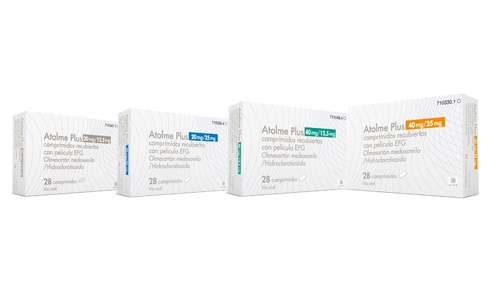
- Alternatives to OLMESARTAN/HYDROCHLOROTHIAZIDE TEVA 40 mg/12.5 mg FILM-COATED TABLETSDosage form: TABLET, 20 mg/12.5 mgActive substance: olmesartan medoxomil and diureticsManufacturer: Laboratorios Alter S.A.Prescription requiredDosage form: TABLET, 20mg/25mgActive substance: olmesartan medoxomil and diureticsManufacturer: Laboratorios Alter S.A.Prescription requiredDosage form: TABLET, 40mg/12.5mgActive substance: olmesartan medoxomil and diureticsManufacturer: Laboratorios Alter S.A.Prescription required
Online doctors for OLMESARTAN/HYDROCHLOROTHIAZIDE TEVA 40 mg/12.5 mg FILM-COATED TABLETS
Discuss questions about OLMESARTAN/HYDROCHLOROTHIAZIDE TEVA 40 mg/12.5 mg FILM-COATED TABLETS, including use, safety considerations and prescription review, subject to medical assessment and local regulations.







Frequently Asked Questions
