


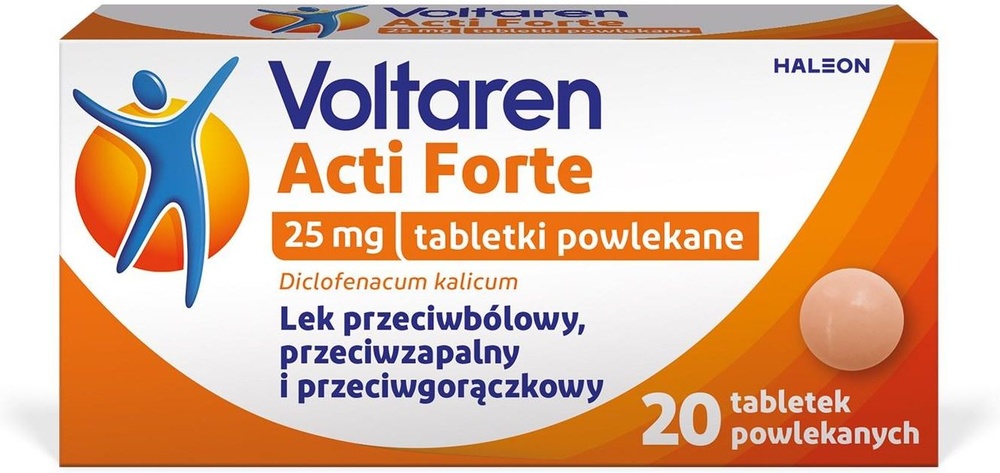
Voltaren
Ask a doctor about a prescription for Voltaren




How to use Voltaren
Package Leaflet: Information for the User
Voltaren 50 mg Gastro-Resistant Tablets
Diclofenac Sodium
Read the package leaflet carefully before taking the medicine, as it contains important information for the patient.
- Keep this leaflet, you may need to read it again.
- If you have any further questions, ask your doctor or pharmacist.
- This medicine has been prescribed for you only. Do not pass it on to others. It may harm them, even if their symptoms are the same as yours.
- If you experience any side effects, including those not listed in this leaflet, please inform your doctor or pharmacist. See section 4.
Table of Contents of the Leaflet
- 1. What is Voltaren and what is it used for
- 2. Important information before taking Voltaren
- 3. How to take Voltaren
- 4. Possible side effects
- 5. How to store Voltaren
- 6. Contents of the pack and other information
1. What is Voltaren and what is it used for
Voltaren contains diclofenac sodium, which belongs to a group of non-steroidal anti-inflammatory drugs (NSAIDs) with anti-rheumatic, anti-inflammatory, analgesic, and antipyretic properties. The mechanism of action of Voltaren involves the inhibition of prostaglandin biosynthesis, which plays a key role in the pathogenesis of inflammation, pain, and fever.
Voltaren is used to treat:
- Inflammatory or degenerative forms of rheumatic diseases: rheumatoid arthritis, juvenile rheumatoid arthritis (Still's disease), ankylosing spondylitis, osteoarthritis, psoriatic arthritis, spondyloarthritis, and other painful conditions associated with spinal changes, rheumatoid arthritis.
- Acute attacks of gout.
- Pain caused by post-traumatic and post-operative inflammatory conditions and swelling, e.g., after dental or orthopedic surgery.
- Painful and inflammatory conditions in gynecology, e.g., primary dysmenorrhea or adnexitis.
- As an adjunctive treatment for severe, painful infections of the ear, nose, or throat, e.g., pharyngitis and tonsillitis. According to general therapeutic principles, in the case of the above-mentioned diseases, causal treatment should be applied first. Fever, as the only symptom, is not an indication for the use of Voltaren.
Control Tests During Voltaren Treatment
In patients with diagnosed heart disease or significant risk factors for heart disease, the doctor will periodically assess the patient's need for symptomatic treatment and their response to the medicine, especially if treatment lasts longer than 4 weeks.
During treatment, regular blood tests should be performed in case of any liver function disorders, kidney function disorders, and blood count abnormalities.
Both liver function (transaminase levels), kidney function (creatinine levels), and blood cell count (white and red blood cell count and platelet count) should be monitored. The doctor will take into account the results of blood tests when deciding to discontinue Voltaren treatment or change the dose.
2. Important Information Before Taking Voltaren
When Not to Take Voltaren:
Like other non-steroidal anti-inflammatory drugs (NSAIDs), Voltaren should not be used in people who may experience an asthma attack, hives, or acute rhinitis after taking acetylsalicylic acid or other prostaglandin synthesis inhibitors.
Inform your doctor about the presence of these diseases.
Warnings and Precautions
Before taking Voltaren, discuss with your doctor:
Before taking diclofenac, inform your doctor
The medicine contains less than 1 mmol (23 mg) of sodium per tablet, which means it is considered "sodium-free".
The risk of side effects can be minimized by using the medicine in the smallest effective dose and for no longer than necessary.
Use the smallest dose of Voltaren that relieves pain and/or inflammation and use it for the shortest duration necessary to minimize the risk of side effects.
If at any time during Voltaren treatment the patient experiences symptoms indicating heart or blood vessel problems, such as chest pain, shortness of breath, weakness, or slurred speech, they should immediately contact their doctor or hospital emergency department.
Diclofenac may transiently inhibit platelet aggregation.
Before taking Voltaren, tell your doctor if you have recently undergone or are scheduled to undergo stomach or intestinal surgery, as Voltaren may sometimes cause delayed wound healing after surgical procedures.
Children and Adolescents
The medicine should not be used in children and adolescents under 14 years of age.
Elderly Patients (65 years and older)
Elderly patients may be more sensitive to the effects of the medicine than other adults. Follow the instructions in the leaflet and take the medicine as directed by your doctor, using the smallest effective dose and reporting any side effects that occur during treatment to your doctor.
Voltaren and Other Medicines
Tell your doctor about all medicines you are currently taking or plan to take.
Inform Your Doctor Especially About the Following Medicines:
- - Lithium or antidepressant medicines (Selective Serotonin Reuptake Inhibitors)
- - Digoxin - a medicine used to treat heart conditions
- - Diuretics - medicines that increase urine production
- - Angiotensin-converting enzyme inhibitors, beta-blockers - a group of medicines used to treat high blood pressure and heart failure
- - Non-steroidal anti-inflammatory drugs (e.g., acetylsalicylic acid or ibuprofen) and corticosteroids (a group of medicines used to alleviate inflammatory conditions)
- - Anticoagulant and antiplatelet medicines
- - Oral hypoglycemic medicines (except insulin)
- - Methotrexate - a medicine used to treat certain cancers or rheumatoid arthritis
- - Cyclosporin and tacrolimus - medicines used in organ transplantation
- - Trimethoprim - a medicine used to prevent or treat urinary tract infections
- - Quinolone antibacterials - medicines used to treat infections
- - Cholestyramine and colestipol - medicines used to lower cholesterol levels
- - Voriconazole - a medicine used to treat fungal infections
- - Phenytoin - a medicine used to treat seizures
Taking Voltaren with Food and Drink
Swallow the tablets whole with water, preferably before meals.
Pregnancy, Breast-Feeding, and Fertility
If you are pregnant or breast-feeding, think you may be pregnant, or plan to have a child, consult your doctor before taking this medicine.
In pregnancy, during the first two trimesters, Voltaren should not be used unless absolutely necessary.
As with other non-steroidal anti-inflammatory drugs, the use of Voltaren in the last 3 months of pregnancy is contraindicated, as it may cause serious harm to the fetus or adversely affect the course of labor.
Voltaren should not be used in breast-feeding women, as it may have adverse effects on the infant.
Your doctor will discuss the potential risks of taking Voltaren during pregnancy and breast-feeding with you.
Taking Voltaren may make it more difficult to become pregnant. If you plan to become pregnant or are having trouble becoming pregnant, inform your doctor.
Driving and Using Machines
The effect of Voltaren on the ability to drive or use machines is unlikely.
Voltaren Contains Lactose
Voltaren gastro-resistant tablets contain lactose. If you have been told that you have an intolerance to some sugars, contact your doctor before taking this medicine.
3. How to Take Voltaren
Always take this medicine exactly as your doctor has told you. If you are not sure, check with your doctor or pharmacist.
Do not exceed the recommended dose. If you are taking Voltaren gastro-resistant tablets for more than a few weeks, you should have regular medical check-ups to exclude the occurrence of unnoticed side effects.
The general recommendation is for the doctor to adjust the dose individually for each patient and use the smallest effective dose for the shortest possible duration.
If you feel that the effect of Voltaren is too strong or too weak, consult your doctor.
Adults
The recommended initial daily dose is 100 mg to 150 mg.
In milder cases and for chronic treatment, a dose of 75 mg to 100 mg per day is considered sufficient.
The total daily dose should be divided into 2 to 3 doses. To alleviate nighttime pain and morning stiffness, treatment with tablets during the day can be supplemented with a suppository before bedtime (without exceeding the maximum daily dose of 150 mg).
In primary dysmenorrhea, the daily dose will be determined individually by the doctor. It usually ranges from 50 mg to 150 mg. Initially, 50 mg to 100 mg should be administered, and if necessary, the dose can be increased over several menstrual cycles to a maximum of 200 mg per day. Treatment should be started when the first symptoms appear and continued for a few days, depending on their severity.
Other Indications for Use
Voltaren 50 mg gastro-resistant tablets are not recommended for use in children and adolescents.
Diagnosed Cardiovascular Disease or Significant Cardiovascular Risk Factors
Patients with diagnosed cardiovascular disease or significant risk factors for cardiovascular events should be treated with diclofenac only after careful consideration and only with doses ≤100 mg per day if treatment lasts longer than 4 weeks.
Kidney Function Disorders
Voltaren is contraindicated in patients with kidney failure.
No special studies have been conducted in patients with kidney function disorders, so no specific dosage recommendations can be made. Caution is recommended when administering Voltaren to patients with mild to moderate kidney function disorders.
Liver Function Disorders
Voltaren is contraindicated in patients with liver failure.
No special studies have been conducted in patients with liver function disorders, so no specific dosage recommendations can be made. Caution is recommended when administering Voltaren to patients with mild to moderate liver function disorders.
Method of Administration
Swallow the tablets whole with water, preferably before meals. Do not divide or chew the tablets.
How Long to Take Voltaren
Always take Voltaren exactly as your doctor has told you.
If you are taking Voltaren for a long time, regularly contact your doctor to ensure that no side effects have occurred.
If you are unsure how long to take Voltaren, consult your doctor or pharmacist.
Taking a Higher Dose of Voltaren Than Recommended
Overdose of Voltaren may not cause characteristic symptoms, but the following may occur: vomiting, gastrointestinal bleeding, diarrhea, dizziness, tinnitus, or convulsions.
In the case of significant poisoning, acute kidney failure and liver damage may occur.
If you have taken more tablets than recommended, contact your doctor, pharmacist, or hospital emergency department immediately.
Missing a Dose of Voltaren
If you miss a dose, take it as soon as you remember. However, if more than half of the time has passed between doses, do not take the missed dose and take the next dose at the scheduled time. Do not take a double dose to make up for the missed dose.
4. Possible Side Effects
Like all medicines, Voltaren can cause side effects, although not everybody gets them.
The frequency of side effects is estimated as follows: very common (≥1/10); common (≥1/100 to <1>The following side effects include those reported with Voltaren gastro-resistant tablets as well as those observed with other forms of diclofenac, used for short or long periods.
Side Effects:
Common
- headache, dizziness,
- nausea, vomiting, diarrhea, indigestion, abdominal pain, bloating, decreased appetite,
- increased transaminase levels,
- rash.
Uncommon
- myocardial infarction, heart failure, palpitations, chest pain.
Rare
- hypersensitivity, anaphylactic and pseudo-anaphylactic reactions (including sudden drop in blood pressure and shock),
- drowsiness,
- asthma (including shortness of breath),
- gastritis, gastrointestinal bleeding, hematemesis, melena,
- peptic ulcer (with or without bleeding and perforation),
- hepatitis, jaundice, liver function disorders,
- urticaria,
- edema.
Very Rare
- thrombocytopenia (decreased platelet count), leukopenia (decreased white blood cell count), anemia (including hemolytic and aplastic anemia), agranulocytosis (decreased granulocyte count),
- angioedema (including facial edema),
- disorientation, depression, insomnia, nightmares, irritability, psychotic disorders,
- paresthesia, memory disorders, convulsions, anxiety, tremors, aseptic meningitis, taste disorders, cerebrovascular accident,
- visual disturbances, blurred vision, diplopia,
- tinnitus, hearing disorders,
- hypertension, vasculitis,
- pneumonitis,
- ulcerative colitis (including bloody colitis and exacerbation of ulcerative colitis and Crohn's disease), constipation, oral mucosal inflammation (including ulcerative stomatitis), glossitis, esophageal disorders, intestinal stricture, pancreatitis,
- fulminant hepatitis, liver necrosis, liver failure,
- bullous rash, eczema, purpura, photosensitivity reaction, erythema multiforme, Stevens-Johnson syndrome, toxic epidermal necrolysis (Lyell's syndrome), exfoliative dermatitis, alopecia, photosensitivity, lichen planus, Henoch-Schönlein purpura, pruritus,
- acute kidney failure, hematuria, proteinuria, nephrotic syndrome, interstitial nephritis, renal papillary necrosis.
Not Known
- concomitant occurrence of chest pain and allergic reactions (Kounis syndrome symptoms).
Taking medicines like Voltaren may be associated with a small increased risk of heart attack (myocardial infarction) or stroke.
In some people, during Voltaren treatment, other side effects may occur. If any of the side effects get worse or if you experience any side effects not listed in this leaflet, tell your doctor or pharmacist.
If You Experience Any of the Following, Stop Taking Voltaren and Inform Your Doctor:
- discomfort in the stomach, heartburn, or pain in the upper abdomen
- vomiting blood, blood in stool, blood in urine
- skin problems such as rash or itching
- shortness of breath or difficulty breathing
- yellowing of the skin or whites of the eyes
- prolonged sore throat or high fever
- swelling of the face, feet, or ankles
- severe migraine
- chest pain accompanied by coughing
- mild painful abdominal cramps and tenderness, starting soon after the initiation of Voltaren treatment, followed by rectal bleeding or bloody diarrhea, usually within 24 hours of abdominal pain onset (frequency not known - cannot be estimated from the available data)
- chest pain, which may be a symptom of a potentially serious allergic reaction called Kounis syndrome.
Some Side Effects Can Be Serious
These uncommon side effects may occur in 1-10 patients per 1000, especially with high daily doses (150 mg) and long-term treatment
- sudden, crushing chest pain (symptoms of myocardial infarction or heart attack).
- shortness of breath, difficulty breathing while lying down, swelling of the feet or ankles (symptoms of heart failure
If you are taking Voltaren for more than a few weeks, regularly contact your doctor to ensure that no side effects have occurred.
Reporting Side Effects
Reporting suspected adverse reactions
If you experience any side effects, including those not listed in this leaflet, tell your doctor or pharmacist. Adverse reactions can be reported directly to the Department of Drug Safety Monitoring, Office for Registration of Medicinal Products, Medical Devices, and Biocidal Products,
Aleje Jerozolimskie 181, 02-222 Warsaw
Phone: +48 22 49 21 301
Fax: +48 22 49 21 309
e-mail: [email protected]
By reporting side effects, you can help provide more information on the safety of this medicine.
5. How to Store Voltaren
Keep out of the sight and reach of children.
Do not use this medicine after the expiry date stated on the carton and blister.
Store below 30°C.
6. Contents of the Pack and Other Information
What Voltaren Contains
- -The active substance of Voltaren is diclofenac sodium. One Voltaren gastro-resistant tablet contains 50 mg of diclofenac sodium.
- -The other ingredients are: colloidal anhydrous silica, microcrystalline cellulose, lactose monohydrate, magnesium stearate, maize starch, povidone, sodium carboxymethylcellulose. The coating contains: hypromellose, macrogol, hydroxyethyl cellulose, methacrylic acid-ethyl acrylate copolymer, macrogol 8000, anti-caking agent, titanium dioxide (E 171), yellow iron oxide (E 172), red iron oxide (E 172).
What Voltaren Looks Like and Contents of the Pack
One pack contains 2 blisters of 10 gastro-resistant tablets each.
Marketing Authorization Holder
Novartis Poland Sp. z o.o.
Marynarska 15
02-674 Warsaw
phone: +48 22 37 54 888
Importer
Novartis Pharma GmbH
Roonstrasse 25
90429 Nürnberg
Germany
Novartis Farmacéutica S.A.
Gran Via de les Corts Catalanes, 764
08013 Barcelona
Spain
Novartis Poland Sp. z o.o.
Marynarska 15
02-674 Warsaw
Date of Last Revision of the Leaflet: 04/2022
- Country of registration
- Active substance
- Prescription requiredYes
- Manufacturer
- ImporterNovartis Farmaceutica S.A. Novartis Pharma GmbH Novartis Poland Sp. z o.o.
- This information is for reference only and does not constitute medical advice. Always consult a licensed doctor before taking any medication. Oladoctor is not responsible for medical decisions based on this content.
- Alternatives to VoltarenDosage form: Solution, 25 mg/mlActive substance: diclofenacManufacturer: IBSA Farmaceutici Italia S.r.l.Prescription requiredDosage form: Solution, 50 mg/mlActive substance: diclofenacManufacturer: IBSA Farmaceutici Italia S.r.l.Prescription requiredDosage form: Solution, 75 mg/mlActive substance: diclofenacManufacturer: IBSA Farmaceutici Italia S.r.l.Prescription required
Alternatives to Voltaren in other countries
The best alternatives with the same active ingredient and therapeutic effect.
Alternative to Voltaren in Ukraine
Alternative to Voltaren in Spain
Online doctors for Voltaren
Discuss dosage, side effects, interactions, contraindications, and prescription renewal for Voltaren – subject to medical assessment and local rules.

Get updates and exclusive offers
Be the first to know about new services, marketplace updates, and subscriber-only promos.

