



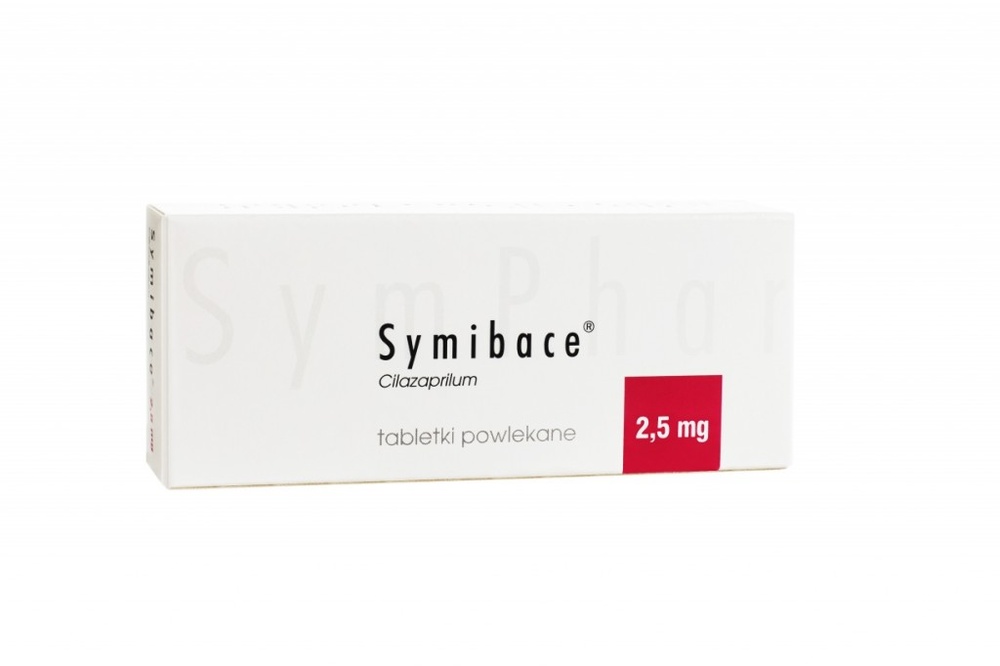
SYMIBACE 2.5 mg Tablets

Prescription review online
A doctor will review your case and decide whether a prescription is medically appropriate.

Talk to a doctor about this medicine
Discuss your symptoms and possible next steps in a quick online consultation.



How to use Simibace
Contents of the leaflet
- Package Leaflet: Information for the User
- Important information before taking Symibace
- How to take Symibace
- Possible side effects
- How to store Symibace
- Contents of the pack and other information
Package Leaflet: Information for the User
Symibace, 2.5 mg, coated tablets
Symibace, 5 mg, coated tablets
Cilazapril
Read the package leaflet carefully before taking the medicine, as it contains important information for the patient.
- Keep this leaflet, you may need to read it again.
- If you have any further questions, ask your doctor or pharmacist.
- This medicine has been prescribed for you only. Do not pass it on to others. It may harm them, even if their symptoms are the same as yours.
- If you experience any side effects, including those not listed in this leaflet, please inform your doctor or pharmacist. See section 4.
Table of Contents of the Package Leaflet
- 1. What is Symibace and what is it used for
- 2. Important information before taking Symibace
- 3. How to take Symibace
- 4. Possible side effects
- 5. How to store Symibace
- 6. Contents of the pack and other information
1.
What is Symibace and what is it used for
Symibace belongs to a group of medicines called angiotensin-converting enzyme inhibitors (ACE inhibitors).
Symibace is used in adults to treat:
- high blood pressure (hypertension),
- chronic (long-term) heart failure.
The action of the medicine is based on relaxing and widening the blood vessels. This helps to lower blood pressure and makes it easier for the heart to pump blood in patients with chronic heart failure.
Your doctor may also prescribe other medicines to be taken with Symibace.
2. Important information before taking Symibace
When not to take Symibace:
the risk of angioedema (rapid swelling of tissues under the skin, such as the throat) may increase;
- after the third month of pregnancy (it is also recommended to avoid taking Symibace during early pregnancy - see section 2 "Pregnancy and breastfeeding").
Warnings and precautions
Before taking Symibace, discuss with your doctor or pharmacist:
- angiotensin receptor blockers (ARBs) (e.g., valsartan, telmisartan, irbesartan), especially if you have kidney problems related to diabetes,
- aliskiren.
Your doctor may monitor your kidney function, blood pressure, and electrolyte levels (e.g., potassium) at regular intervals. See also section "When not to take Symibace".
If any of the above situations apply to you or if you have any doubts before taking Symibace, consult your doctor or pharmacist.
You should inform your doctor if you suspect or plan to become pregnant. It is not recommended to take Symibace during early pregnancy and it must not be taken after the third month of pregnancy, as it may seriously harm the baby (see section 2 "Pregnancy and breastfeeding").
Children and adolescents
Symibace is not recommended for use in children under 18 years of age.
Symibace and other medicines
Tell your doctor or pharmacist about all the medicines you are taking now or have recently taken, including those obtained without a prescription and herbal medicines. This is because Symibace may affect the action of other medicines. Some medicines may also affect the action of Symibace.
If you are taking any of the following medicines, the risk of angioedema may increase:
- racecadotril, a medicine used to treat diarrhea;
- medicines used to prevent transplant rejection and to treat cancer (e.g., temsirolimus, sirolimus, everolimus);
- wildagliptin, a medicine used to treat diabetes.
In particular, inform your doctor or pharmacist if you are currently taking or have taken or plan to take:
- diuretics - see section "High blood pressure (hypertension)" in section 3 "How to take Symibace";
- non-steroidal anti-inflammatory drugs (NSAIDs), including acetylsalicylic acid, indomethacin, and ibuprofen;
- insulin or other diabetes medicines;
- lithium (used to treat depression);
- corticosteroids (such as hydrocortisone, prednisolone, and dexamethasone) or other medicines that suppress the immune system;
- potassium supplements (including salt substitutes), potassium-sparing diuretics, and other medicines that increase potassium levels in the blood (e.g., trimethoprim and co-trimoxazole, used to treat bacterial infections; cyclosporin, an immunosuppressant used to prevent transplant rejection, and heparin, a medicine used to thin the blood to prevent clots);
- aldosterone antagonists;
- sympathomimetics;
- anesthetics, opioids;
- tricyclic antidepressants, antipsychotics;
- gold compounds (used to treat rheumatoid arthritis).
Your doctor may need to adjust the dose and/or take other precautions. If you are taking an angiotensin receptor blocker (ARB) or aliskiren (see also the information under the heading "When not to take Symibace" and "Warnings and precautions").
Taking Symibace with food and drink
Inform your doctor or pharmacist if you are taking potassium supplements.
Pregnancy and breastfeeding
If you are pregnant or breastfeeding, think you may be pregnant, or are planning to have a baby, ask your doctor or pharmacist for advice before taking this medicine.
Pregnancy
Your doctor will usually advise you to stop taking Symibace before planned pregnancy or as soon as you know you are pregnant, and will advise you to take a different medicine instead of Symibace. Symibace is not recommended during early pregnancy and must not be taken after the third month of pregnancy, as it may seriously harm the baby.
Breastfeeding
Symibace is not recommended during breastfeeding, and your doctor may choose an alternative treatment if you want to start breastfeeding, especially in newborns or premature babies.
Driving and using machines
While taking Symibace, you may experience dizziness. This is more likely to happen at the start of treatment. If you feel dizzy, do not drive, use tools, or operate machinery.
Symibace contains lactose and sodium
Symibace contains lactose monohydrate, a type of sugar. If you have been diagnosed with intolerance to some sugars, contact your doctor before taking the medicine.
Symibace contains less than 1 mmol (23 mg) of sodium per tablet, which means it is essentially "sodium-free".

Not sure if this medicine is right for you?
Discuss your symptoms and treatment with a doctor online.
3. How to take Symibace
Always take this medicine exactly as your doctor has told you. If you are not sure, ask your doctor or pharmacist.
Recommended dose:
- Take one Symibace tablet daily.
- Swallow the tablet with water.
- The time of taking Symibace does not matter. However, take the tablet at the same time every day.
- Symibace can be taken before or after a meal.
High blood pressure (hypertension):
- The usual initial dose is 1 mg per day.
- Your doctor will increase the dose until blood pressure control is achieved - the usual maintenance dose is between 2.5 mg and 5 mg per day.
- Your doctor may prescribe a lower dose for patients with kidney problems or in elderly patients.
- If you are taking diuretics, your doctor may advise you to stop taking them about 3 days before starting Symibace. The usual initial dose of Symibace is then 0.5 mg per day. Your doctor will then increase the dose until blood pressure control is achieved.
Chronic heart failure:
- The usual initial dose is 0.5 mg once daily.
- In elderly patients, your doctor will probably start treatment with a dose of 0.5 mg per day.
- If you have kidney or liver disease, your doctor may start treatment with a lower dose than usual.
- Your doctor will probably increase the dose to at least 1 mg per day, depending on your response to treatment.
- The usual maximum dose is 5 mg once daily.
Taking a higher dose of Symibace than recommended
If you take more Symibace than you should, contact your doctor or go to the nearest hospital immediately. Take the medicine pack with you. The following symptoms may occur: dizziness or feeling of "emptiness" in the head, shallow breathing, cold and sweaty skin, inability to move or speak, and slow heart rate.
Missing a dose of Symibace
If you forget to take a dose, skip the missed dose. Then take the next dose at the usual time. Do not take a double dose to make up for the missed dose. Take the next dose as usual.
Stopping treatment with Symibace
Treatment of high blood pressure and heart failure is long-term and stopping treatment should be discussed with your doctor. Stopping or ending treatment may cause an increase in blood pressure or a return of symptoms in the case of heart failure treatment.
If you have any further questions about taking Symibace, ask your doctor or pharmacist.
4. Possible side effects
Like all medicines, Symibace can cause side effects, although not everybody gets them.
Severe side effects:
If you experience a severe reaction called angioedema, stop taking Symibace and contact your doctor or go to the emergency department of your nearest hospital immediately. Symptoms include:
- sudden swelling of the face, throat, lips, or mouth. This swelling can cause difficulty breathing or swallowing.
Blood disorders reported during treatment with ACE inhibitors:
- low red blood cell count (anemia). Symptoms include feeling tired, pale skin, fast or irregular heartbeat (palpitations), and shortness of breath;
- low white blood cell count. Symptoms include increased risk of infection, such as mouth, gum, throat, and lung infections;
- low platelet count. Symptoms include easy bruising and bleeding from the nose.
Other possible side effects:
Common side effects(may affect up to 1 in 10 people):
- dizziness,
- cough,
- nausea,
- feeling tired,
- headache.
Uncommon side effects(may affect up to 1 in 100 people):
- low blood pressure. This can cause weakness, dizziness, feeling of "emptiness" in the head, which can lead to blurred vision and fainting. Excessive lowering of blood pressure in some patients may increase the risk of heart attack or stroke,
- fast heartbeat,
- feeling weak,
- chest pain, palpitations,
- breathing difficulties, including shortness of breath and tightness in the chest,
- runny or blocked nose and sneezing (rhinitis),
- dryness or swelling of the mouth,
- loss of appetite,
- change in taste,
- diarrhea and vomiting,
- skin rash (which can be severe),
- muscle cramps or muscle or joint pain,
- impotence,
- increased sweating,
- flushing,
- sleep disturbances.
Rare side effects(may affect up to 1 in 1,000 people):
- low red blood cell count, low white blood cell count, or low platelet count, found in blood tests (anemia, neutropenia, agranulocytosis, and thrombocytopenia),
- severe allergic reaction (anaphylaxis),
- brain hypoperfusion, transient ischemic attack, ischemic stroke (may occur if blood pressure is too low),
- myocardial infarction (may occur if blood pressure is too low),
- arrhythmias,
- interstitial lung disease,
- systemic lupus erythematosus-like reactions,
- tingling or numbness of hands or feet,
- wheezing,
- feeling of fullness or pulsating pain behind the nose, cheeks, and eyes (sinusitis),
- tongue pain,
- pancreatitis. Symptoms include severe abdominal pain radiating to the back,
- changes in kidney or liver function (shown in blood and urine tests),
- low sodium levels in the blood,
- high potassium levels in the blood,
- liver disorders, such as hepatitis or liver damage,
- severe skin reactions, including blistering or peeling of the skin,
- increased sensitivity to light,
- hair loss (which may be temporary),
- loosening or separation of the nail from the nail bed,
- breast enlargement, also in men.
Reporting side effects
If you experience any side effects, including those not listed in this leaflet, please inform your doctor or pharmacist. Side effects can be reported directly to the Department of Drug Safety, Office for Registration of Medicinal Products, Medical Devices, and Biocidal Products, Al. Jerozolimskie 181C, 02-222 Warsaw, Tel.: +48 22 49 21 301, Fax: +48 22 49 21 309, website: https://smz.ezdrowie.gov.pl.
Side effects can also be reported to the marketing authorization holder.
By reporting side effects, you can help provide more information on the safety of this medicine.

Started taking the medicine and have questions?
Discuss your symptoms and treatment with a doctor online.
5. How to store Symibace
Keep this medicine out of the sight and reach of children.
Do not use this medicine after the expiry date stated on the blister and outer packaging after: EXP. The expiry date refers to the last day of the month.
Do not store above 25°C.
Medicines should not be disposed of via wastewater or household waste. Ask your pharmacist how to dispose of medicines no longer required. This will help protect the environment.
6. Contents of the pack and other information
What Symibace contains
- The active substance of Symibace is cilazapril. One coated tablet contains 2.5 mg or 5 mg of cilazapril as cilazapril monohydrate.
- The other ingredients are:
Core: lactose monohydrate, cornstarch, hypromellose 3cp, talc, sodium stearyl fumarate.
Coating: Opadry brown 03B26857: hypromellose 6cp, talc, titanium dioxide (E171), macrogol 400, iron oxide red (E172).
What Symibace looks like and contents of the pack
2.5 mg: brown, oval, coated tablets with a score line on one side.
5 mg:
brown, oval, coated tablets with a score line on one side, with the engraving "C5" on one side.
The tablets can be divided into two equal parts.
Packaging
Symibace 2.5 mg is available in packs containing 28 coated tablets (4 blisters x 7 tablets)
Symibace 5 mg is available in packs containing 28 coated tablets (4 blisters x 7 tablets)
Marketing authorization holder
Symphar Sp. z o.o.
ul. Koszykowa 65
00-667 Warsaw
Manufacturer
Symphar Sp. z o.o.
ul. Chełmżyńska 249
04-458 Warsaw
DDSA Pharmaceuticals Limited
84 Pembroke Road
W8 6NX London
United Kingdom
This medicinal product is authorized in the Member States of the European Economic Area under the following names:
PL:
Symibace
Date of last revision of the leaflet:December 2020
- Country of registration
- Dosage formTablets, 2.5 mg
- ATC codeC09AA08
- Active substance
- Prescription requiredNo
- Manufacturer
- ImporterSymphar Sp. z o.o.
- This information is for reference only and does not constitute medical advice. Always consult a doctor before taking any medication. Oladoctor is not responsible for medical decisions based on this content.
- Alternatives to SimibaceDosage form: Tablets, 1 mgActive substance: cilazaprilManufacturer: Krka, d.d., Novo mestoPrescription requiredDosage form: Tablets, 2.5 mgActive substance: cilazaprilManufacturer: Krka, d.d., Novo mestoPrescription requiredDosage form: Tablets, 5 mgActive substance: cilazaprilManufacturer: Krka, d.d., Novo mestoPrescription required
Online doctors for Simibace
Discuss questions about Simibace, including use, safety considerations and prescription review, subject to medical assessment and local regulations.
Get Simibace Prescription Online
Fill in a 2-min form
Tell us your symptoms, history, and what medicine you're requesting.
Pick a doctor or let us assign
Choose a specialist or we'll match you with the next available doctor.
Doctor reviews your case
Usually within 30 minutes. They may ask follow-up questions via chat.
Collect from any pharmacy
Electronic prescription sent to your email — valid across Spain.
Frequently Asked Questions
Simibace does not require a prescription in Poland. You can check with a doctor online whether this medicine may be appropriate for your situation.
The active ingredient in Simibace is cilazapril. This information helps identify medicines with the same composition but different brand names.
Simibace is manufactured by Symphar Sp. z o.o.. Pharmacy brands and packaging may differ depending on the distributor.
Doctors such as Family doctors, Psychiatrists, Dermatologists, Cardiologists, Endocrinologists, Gastroenterologists, Pulmonologists, Nephrologists, Rheumatologists, Hematologists, Infectious disease physicians, Allergists, Geriatricians, Paediatricians, Oncologists may assess whether Simibace is appropriate, depending on your situation and local regulations. You can book an online consultation to discuss your symptoms and possible next steps.
Spain has a well-developed healthcare infrastructure across major cities such as Madrid, Barcelona, Valencia, and Seville. Pharmacies are widely available and operate under strict regulations, ensuring access to prescribed medications.
You can buy Simibace in Madrid, Barcelona, Seville, or Valencia at any local pharmacy with a valid prescription.
To obtain a prescription, you can use Oladoctor:
Other medicines with the same active substance (cilazapril) include Cazaprol, Cazaprol, Cazaprol. These may have different brand names or formulations but contain the same therapeutic ingredient. Always consult a doctor before switching or starting a new medicine.
