



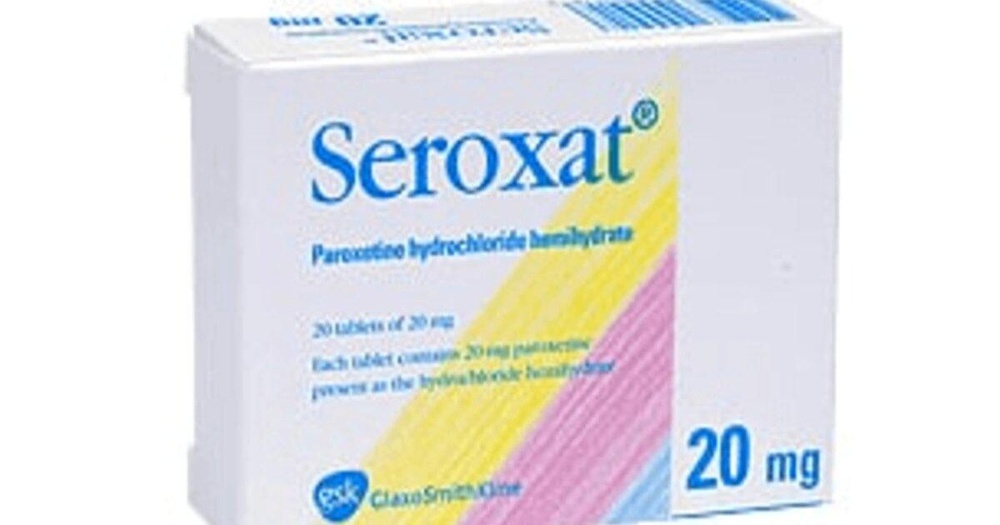
SEROXAT 20 mg Tablets

Prescription review online
A doctor will review your case and decide whether a prescription is medically appropriate.

Talk to a doctor about this medicine
Discuss your symptoms and possible next steps in a quick online consultation.



How to use Seroxat
Contents of the leaflet
- Leaflet attached to the packaging: patient information
- Warning! Keep the leaflet! Information on the immediate packaging in a foreign language.
- Seroxat, 20 mg, coated tablets
- What is Seroxat and what is it used for
- Important information before taking Seroxat
- When not to take Seroxat:
- Warnings and precautions
- Before starting Seroxat, the patient should discuss the following with their doctor or pharmacist:
- Children and adolescents under 18 years old
- Seroxat should not be used in children and adolescents under 18 years old.
- Suicidal thoughts and worsening of depression or anxiety disorder
- Important side effects seen with Seroxat
- Seroxat and other medicines
- The patient should tell their doctor or pharmacist about all medicines they are currently taking or
- Seroxat with food, drink, and alcohol
- Pregnancy, breastfeeding, and fertility
- The patient should make sure that their midwife or doctor knows that they are taking Seroxat.
- Driving and using machines
- Seroxat contains sodium
- How to take Seroxat
- Dose Number of tablets to take
- The tablets should be taken in the morning, with food.
- Swallow the tablets with water.
- Do not chew.
- Elderly patients
- Patients with liver or kidney disease
- Taking more Seroxat than prescribed
- Missing a dose of Seroxat
- What to do if there is no improvement
- Stopping Seroxat
- The patient should not stop taking Seroxat unless their doctor advises them to do so.
- Even if the patient experiences withdrawal symptoms, it is still possible to stop taking Seroxat.
- Possible withdrawal symptoms after stopping treatment
- Common side effects (occurring in up to 1 in 10 patients):
- Uncommon side effects (occurring in up to 1 in 100 patients):
- If the patient is concerned about withdrawal symptoms after stopping Seroxat, they should contact their doctor.
- Other possible side effects during treatment
- Very common side effects (occurring in more than 1 in 10 patients):
- Common side effects (occurring in up to 1 in 10 patients):
- Uncommon side effects (occurring in up to 1 in 100 patients):
- Rare side effects (occurring in up to 1 in 1000 patients):
- Very rare side effects (occurring in up to 1 in 10,000 patients):
- Reporting side effects
- How to store Seroxat
- Contents of the packaging and other information
Leaflet attached to the packaging: patient information
Warning! Keep the leaflet! Information on the immediate packaging in a foreign language.

Not sure if this medicine is right for you?
Discuss your symptoms and treatment with a doctor online.
Seroxat, 20 mg, coated tablets
Paroxetine
You should carefully read the contents of the leaflet before taking the medicine, as it contains important information for the patient.
- You should keep this leaflet so that you can read it again if you need to.
- If you have any doubts, you should consult your doctor or pharmacist.
- This medicine has been prescribed specifically for you. Do not pass it on to others. The medicine may harm another person, even if their symptoms are the same as yours.
- If the patient experiences any side effects, including any side effects not listed in this leaflet, they should tell their doctor or pharmacist. See section 4.
Table of contents of the leaflet
- 1. What is Seroxat and what is it used for
- 2. Important information before taking Seroxat
- 3. How to take Seroxat
- 4. Possible side effects
- 5. How to store Seroxat
- 6. Contents of the packaging and other information
1. What is Seroxat and what is it used for
Seroxat is used to treat depression and/or anxiety disorders in adults.
Anxiety disorders for which Seroxat is used include: obsessive-compulsive disorder (recurring, obsessive thoughts with uncontrolled behavior), panic disorder (panic attacks, including those caused by agoraphobia, which is a fear of open spaces), social phobia (fear or avoidance of social situations), post-traumatic stress disorder (anxiety caused by a traumatic event), generalized anxiety disorder (generalized feeling of anxiety or nervousness).
Seroxat belongs to a group of medicines called selective serotonin reuptake inhibitors (SSRIs). It is not fully understood how Seroxat and other SSRIs work, but they may increase the level of serotonin in the brain. Proper treatment of depression and anxiety disorders is important for the patient to feel better.

Started taking the medicine and have questions?
Discuss your symptoms and treatment with a doctor online.
2. Important information before taking Seroxat
When not to take Seroxat:
- if the patient is taking monoamine oxidase inhibitor medicines(MAOIs, including moclobemide and methylene blue) or has taken them in the last two weeks. The doctor will advise the patient on how to start taking Seroxat after stopping MAOIs.
- if the patient is taking antipsychotic medicines, such as thioridazine or pimozide.
- if the patient is allergicto paroxetine or any of the other ingredients of this medicine (listed in section 6). If any of the above situations apply to the patient, they should contact their doctor before taking Seroxat.
Warnings and precautions
Before starting Seroxat, the patient should discuss the following with their doctor or pharmacist:
- Is the patient taking any other medicines (see Seroxat and other medicineslater in the leaflet)?
- Is the patient taking tamoxifen for breast cancer? Seroxat may reduce the effectiveness of tamoxifen, and the doctor may recommend a different antidepressant.
- Does the patient have kidney, liver, or heart problems?
- Does the patient have abnormal heart rhythm (ECG) known as QT prolongation?
- Has the patient or their family members had QT prolongation, heart disease such as heart failure, low heart rate, or low potassium or magnesium levels?
- Does the patient have epilepsy or has the patient had seizures in the past?
- Has the patient ever had episodes of mania (excessive activity or racing thoughts)?
- Is the patient receiving electroconvulsive therapy?
- Has the patient had bleeding or is the patient taking other medicines that may increase the risk of bleeding (including anticoagulants such as warfarin, antipsychotics such as perphenazine or clozapine, tricyclic antidepressants, or non-steroidal anti-inflammatory drugs (NSAIDs) such as aspirin, ibuprofen, celecoxib, etodolac, diclofenac, or meloxicam)?
- Does the patient have diabetes?
- Is the patient on a low-sodium diet?
- Does the patient have glaucoma (increased pressure in the eye)?
- Is the patient pregnant or planning to become pregnant (see Pregnancy, breastfeeding, and fertilitylater in the leaflet)?
- Is the patient under 18 years old (see Children and adolescents under 18 years oldlater in the leaflet)?
If the answer is YES to any of the above questionsand the patient has not yet consulted their doctor, they should consult their doctor againand ask how to take Seroxat.
Children and adolescents under 18 years old
Seroxat should not be used in children and adolescents under 18 years old.
Patients under 18 years old are at increased risk of side effects such as suicidal attempts, suicidal thoughts, and hostility (especially aggression, rebellious behavior, and signs of anger) when taking Seroxat. If the doctor has prescribed Seroxat to a patient under 18 years old and there are concerns, the patient should consult their doctor. If these symptoms occur or worsen while taking Seroxat, the patient should inform their doctor. Additionally, there is currently no data on the long-term safety of Seroxat regarding growth, maturation, and cognitive and behavioral development in this age group.
In studies of Seroxat in patients under 18 years old, common side effects that occurred with a frequency of less than 1 in 10 were: increased suicidal thoughts and attempts, intentional self-injury, hostility, aggressive behavior, or unfriendly behavior, loss of appetite, tremors, abnormal sweating, excessive activity (excess energy), restlessness, emotional instability (including tearfulness and mood changes), and unusual bruising or bleeding (such as nosebleeds).
These studies also showed that such symptoms occurred, although less frequently, in children and adolescents taking placebo (sugar pills) instead of Seroxat.
Some patients under 18 years old in these studies experienced withdrawal symptoms when stopping Seroxat. These symptoms were very similar to those observed in adults after stopping Seroxat (see section 3). Additionally, in patients under 18 years old, the following also occurred frequently (with a frequency of less than 1 in 10): abdominal pain, feeling irritable, and emotional instability (including tearfulness, mood changes, self-injury, suicidal thoughts, and attempts).
Suicidal thoughts and worsening of depression or anxiety disorder
In patients with depression and/or anxiety disorders, suicidal thoughts or self-harm thoughts may sometimes occur. They may be more frequent at the start of antidepressant treatment, as it may take some time, usually about two weeks, for the medicines to start working, and sometimes even longer.
For the patient, such thoughts may occur more frequently:
- if the patient has had suicidal thoughts or self-harm thoughts before.
- if the patient is a young adult. Clinical studies have shown an increased risk of suicidal behavior in adults (under 25 years old) with mental disorders who were treated with antidepressants. If suicidal thoughts or self-harm thoughts occur at any time, the patient should contact their doctor or the nearest emergency department immediately. It may be helpful to inform a relative or friend about the patient's depression or anxiety disorder and ask them to read this leaflet. The patient may ask them to tell them if they notice that the depression or anxiety disorder is getting worse or if there are worrying changes in their behavior.
Important side effects seen with Seroxat
In some patients taking Seroxat, a condition called akathisia may develop.
They will feel anxious and unable to sit or stand still. In other patients, a condition called serotonin syndrome or neuroleptic malignant syndrome may develop, in which patients have some or all of the following symptoms: feeling highly agitated or irritated, feeling confused, feeling anxious, feeling hot, sweating, shaking, chills, hallucinations (seeing or hearing strange things), muscle stiffness, sudden muscle contractions, or rapid heartbeat. The symptoms may worsen, leading to loss of consciousness. If the patient notices any of these symptoms, they should contact their doctor. More information about these or other side effects of Seroxat can be found in section 4.
Medicines like Seroxat (SSRIs) may cause sexual function disorders (see section 4). In some cases, these symptoms have persisted after stopping treatment.
Seroxat and other medicines
Some medicines may affect the action of Seroxat or increase the risk of side effects. Seroxat may also affect the action of other medicines. These medicines include:
- monoamine oxidase inhibitors(MAOIs, including moclobemide and methylene blue) - see section When not to take Seroxat;
- medicines known to affect the heart's electrical activity (e.g., antipsychotic medicines thioridazine or pimozide) - see section When not to take Seroxat;
- aspirin, ibuprofen, or other non-steroidal anti-inflammatory drugs (NSAIDs) such as celecoxib, etodolac, diclofenac, or meloxicam, used to treat pain and inflammation;
- tramadol, buprenorphine, and pethidine, pain relief medicines;
- buprenorphine in combination with naloxone, used for opioid dependence substitution treatment;
- triptans, such as sumatriptan, used to treat migraines;
- other antidepressant medicines, called SSRIs and tricyclic antidepressants, such as clomipramine, nortriptyline, and desipramine;
- dietary supplementcalled tryptophan;
- mivacurium and suxamethonium (used for general anesthesia);
- medicines such as lithium, risperidone, perphenazine, or clozapine (called antipsychotic medicines) used to treat certain mental disorders;
- fentanyl, a medicine used during anesthesiaand to treat chronic pain;
- the combination of fosamprenavir and ritonavir, which is used to treat HIV infections;
- St. John's Wort used as a depression aid;
- phenobarbital, phenytoin, sodium valproate, or carbamazepine used to treat seizures or epilepsy;
- atomoxetine, which is used to treat attention deficit hyperactivity disorder (ADHD);
- procyclidine, used to treat Parkinson's disease;
- warfarin or other medicines (called anticoagulants) used to thin the blood;
- propafenone, flecainide, and medicines used to treat irregular heartbeat;
- metoprolol, a beta-blocker used to treat high blood pressure and heart problems;
- pravastatin, used to treat high cholesterol;
- rifampicin, used to treat tuberculosis;
- linezolid, an antibiotic;
- tamoxifen, which is used to treat breast cancer.
If the patient is currently taking or has recently taken any of these medicinesand has not yet discussed this with their doctor, they should contact their doctor againand ask how to proceed. The dose of the medicine may need to be changed or a different medicine may be needed.
The patient should tell their doctor or pharmacist about all medicines they are currently taking or
have recently taken, as well as any medicines they plan to take, including those that are available without a prescription.
Seroxat with food, drink, and alcohol
The patient should not drink alcohol while taking Seroxat. Alcohol may increase the symptoms of the disease or side effects. Taking Seroxat in the morning, with food, reduces the likelihood of nausea.
Pregnancy, breastfeeding, and fertility
If the patient is pregnant or breastfeeding, thinks they may be pregnant, or plans to have a baby, they should ask their doctor or pharmacist for advice before taking this medicine.
There have been reports suggesting that children whose mothers took Seroxat during the first few months of pregnancy have had congenital defects, in particular heart defects. In the general population, about 1 in 100 children is born with a heart defect. This number increases to 2 in 100 children if the mother takes Seroxat. The doctor will discuss with the patient whether it is better for them to change the medicine during pregnancy or to gradually stop taking Seroxat. In some cases, the doctor may also suggest that it is better for the patient to continue taking Seroxat.
The patient should make sure that their midwife or doctor knows that they are taking Seroxat.
Taking Seroxat at the end of pregnancy may increase the risk of serious bleeding from the vagina, occurring shortly after delivery, especially if the patient has a history of bleeding disorders. If the patient is taking Seroxat, they should inform their doctor or midwife so that they can provide appropriate advice. Medicines like Seroxat, when taken during pregnancy, especially in the last few months, may increase the risk of a condition in the newborn called persistent pulmonary hypertension of the newborn (PPHN).
In PPHN, the blood pressure in the blood vessels between the heart and lungs of the baby is too high. If the patient takes Seroxat during the last 3 months of pregnancy, the newborn may also experience other symptoms, usually within the first 24 hours after birth. These include:
- breathing difficulties;
- bluish skin or unstable body temperature;
- bluish lips;
- vomiting or difficulty feeding;
- lethargy, difficulty sleeping, or increased crying;
- stiff or floppy muscles;
- tremors, jitteriness, or seizures;
- increased reflexes. If the baby experiences any of these symptoms after birth or if there are concerns about the baby's health, the patient should contact their doctor or midwife for advice.
Seroxat may pass into breast milk in very small amounts. If the patient is taking Seroxat, they should consult their doctor before breastfeeding. The doctor and patient can decide together whether to breastfeed while taking Seroxat.
In animal studies, paroxetine has been shown to reduce sperm quality. This could theoretically affect fertility, but the effect on human fertility has not been determined.
Driving and using machines
Possible side effects of Seroxat include dizziness, disorientation, drowsiness, and vision disturbances. If the patient experiences any of these side effects, they should not drive or operate machinery.
Seroxat contains sodium
This medicine contains less than 1 mmol (23 mg) of sodium per tablet, which means it is essentially "sodium-free".
3. How to take Seroxat
This medicine should always be taken as directed by the doctor. If the patient is unsure, they should consult their doctor or pharmacist.
It may happen that taking one tablet does not provide the full recommended dose of the medicine. The following table shows how many Seroxat tablets the patient should take for each dose.
Dose Number of tablets to take
10 mg
half a tablet
20 mg
one tablet
30 mg
one and a half tablets
40 mg
two tablets
50 mg
two and a half tablets
60 mg
three tablets
The usual doses for different conditions are listed below.
| Initial dose | Recommended daily dose | Maximum daily dose | |
| Depression | 20 mg | 20 mg | 50 mg |
| Obsessive-compulsive disorder | 20 mg | 40 mg | 60 mg |
| Panic disorder | 10 mg | 40 mg | 60 mg |
| Social phobia | 20 mg | 20 mg | 50 mg |
| Post-traumatic stress disorder | 20 mg | 20 mg | 50 mg |
| Generalized anxiety disorder | 20 mg | 20 mg | 50 mg |
The doctor will advise the patient on the initial dose of Seroxat. Most patients start to feel better after a few weeks. If the patient does not feel better after this time, they should consult their doctor. The doctor may decide to gradually increase the dose by 10 mg until the maximum daily dose is reached.
The tablets should be taken in the morning, with food.
Swallow the tablets with water.
Do not chew.
The doctor will discuss with the patient how long they should take the tablets. The treatment may last for several months or even longer.
Elderly patients
The maximum dose for patients over 65 years old is 40 mg per day.
Patients with liver or kidney disease
For patients with liver disease or severe kidney disease, the doctor may recommend a lower dose of Seroxat than usual.
Taking more Seroxat than prescribed
The patient should never take more tablets than prescribed by their doctor. If the patient (or someone else) has taken too many Seroxat tablets, they should immediately inform their doctor or contact the nearest emergency department. They should show them the packaging of the tablets.
As a result of overdosing on Seroxat, the patient may experience symptoms described in section 4: Possible side effectsor the following symptoms: fever, involuntary muscle contractions.
Missing a dose of Seroxat
The medicine should be taken at the same time every day.
If the patient misses a dose and remembers before going to bed, they should take it immediately. The next day, they should take the dose as usual.
If the patient remembers in the night or the next day that they missed a dose, they should not take the missed dose. The patient may experience withdrawal symptoms, but they should resolve quickly after taking the next dose at the usual time.
The patient should not take a double dose to make up for the missed dose.
What to do if there is no improvement
Seroxat does not relieve symptoms immediately- all antidepressant medicines take some time to start working. Some patients start to feel better after a few weeks, and others later. Some patients taking antidepressants feel worse before they start to feel better. If the patient does not feel better after a few weeks of treatment, they should consult their doctor for advice. The doctor should recommend that the patient have a follow-up visit after a few weeks of starting to take the medicine for the first time. The patient should inform their doctor if they have not started to feel better.
Stopping Seroxat
The patient should not stop taking Seroxat unless their doctor advises them to do so.
When stopping Seroxat, the doctor will help the patient to gradually reduce the dose over a few weeks or months - this should reduce the risk of withdrawal symptoms. One way to do this is to gradually reduce the dose of Seroxat by 10 mg per week. In most patients, withdrawal symptoms are mild and resolve on their own within two weeks. In some patients, however, symptoms may be more severe or may last longer.
If the patient experiences withdrawal symptoms after stopping Seroxat, the doctor may decide that the patient should stop taking the medicine more slowly. If the symptoms are severe during the withdrawal of Seroxat, the patient should contact their doctor. The doctor may recommend restarting the tablets and stopping them more slowly.
Even if the patient experiences withdrawal symptoms, it is still possible to stop taking Seroxat.
Possible withdrawal symptoms after stopping treatment
Studies have shown that 3 in 10 patients notice one or more withdrawal symptoms when stopping Seroxat. Some of these symptoms occur more frequently than others.
Common side effects (occurring in up to 1 in 10 patients):
- dizziness, unsteadiness, or difficulty maintaining balance;
- feeling of tingling, burning, or (less commonly) electric shock sensations, including in the head, and ringing, buzzing, whistling, or other persistent noises in the ears (tinnitus);
- sleep disturbances (vivid dreams, nightmares, insomnia);
- feeling anxious;
- headaches.
Uncommon side effects (occurring in up to 1 in 100 patients):
- nausea;
- sweating (including night sweats);
- feeling restless or agitated;
- tremors;
- feeling disoriented;
- diarrhea (loose stools);
- emotional instability or irritability;
- vision disturbances;
- palpitations or rapid heartbeat.
If the patient is concerned about withdrawal symptoms after stopping Seroxat, they should contact their doctor.
Other possible side effects during treatment
Very common side effects (occurring in more than 1 in 10 patients):
- nausea. Taking Seroxat in the morning, with food, reduces the likelihood of nausea;
- change in sexual desire or sexual function. For example, lack of orgasm, or in men, erectile dysfunction and ejaculatory disturbance.
Common side effects (occurring in up to 1 in 10 patients):
- increased cholesterol levels in the blood;
- loss of appetite;
- sleep disturbances (insomnia) or feeling drowsy;
- abnormal dreams (nightmares);
- dizziness or tremors;
- headache;
- difficulty concentrating;
- feeling agitated;
- feeling excessively weak;
- vision disturbances;
- yawning, dry mouth;
- diarrhea or constipation;
- vomiting;
- weight gain;
- sweating.
Uncommon side effects (occurring in up to 1 in 100 patients):
- temporary increase or decrease in blood pressure, which may cause dizziness or fainting when changing position quickly;
- rapid heartbeat;
- difficulty moving, stiffness, tremors, or abnormal movements of the mouth and tongue;
- pupil dilation;
- rash;
- itching;
- feeling disoriented;
- hallucinations (seeing or hearing strange things);
- inability to urinate (urinary retention) or involuntary, uncontrollable urination (urinary incontinence);
- in patients with diabetes, Seroxat may affect blood sugar control. The patient should discuss this with their doctor to adjust the dose of insulin or diabetes medicines.
Rare side effects (occurring in up to 1 in 1000 patients):
- abnormal milk production in the breasts of men and women;
- slow heartbeat;
- liver function disorders shown in blood tests;
- panic attacks;
- excessive activity or racing thoughts (mania);
- feeling uncertain about one's own existence (depersonalization);
- feeling anxious;
- irresistible urge to move the legs (restless legs syndrome);
- joint or muscle pain;
- increased levels of a hormone called prolactin in the blood;
- menstrual disorders (including heavy or irregular bleeding, intermenstrual bleeding, and absence or delay of menstruation).
Very rare side effects (occurring in up to 1 in 10,000 patients):
- a skin rash called erythema multiforme, which may be accompanied by blisters and looks like small targets (a dark spot in the center surrounded by a lighter ring with a dark ring around the edge);
- a widespread skin rash with blisters and peeling, especially around the mouth, nose, eyes, and genitals (Stevens-Johnson syndrome);
- a widespread skin rash with blisters and peeling of large areas of skin (toxic epidermal necrolysis);
- liver function disorders that cause yellowing of the skin or the whites of the eyes;
- a condition called syndrome of inappropriate antidiuretic hormone secretion (SIADH), in which the body retains too much water and the sodium levels become too low. Patients with SIADH may have symptoms of severe illness or may not show any symptoms.
- fluid retention or water retention (which may cause swelling of the hands or feet);
- sensitivity to light;
- painful, persistent erection of the penis;
- decreased platelet count.
Side effects with unknown frequency(frequency cannot be estimated from available data)
- inflammation of the colon (causing diarrhea)
- grinding of the teeth.
Some patients taking Seroxat may experience ringing, buzzing, whistling, or other persistent noises in the ears (tinnitus) when taking the medicine.
Patients taking this type of medicine have been observed to have an increased risk of bone fractures.
Reporting side effects
If the patient experiences any side effects, including any side effects not listed in this leaflet, they should tell their doctor or pharmacist. Side effects can be reported directly to the Department of Drug Safety, Urząd Rejestracji Produktów Leczniczych, Wyrobów Medycznych i Produktów Biobójczych, Al. Jerozolimskie 181C, 02-222 Warszawa, tel.: + 48 22 49 21 301, fax: + 48 22 49 21 309, website: https://smz.ezdrowie.gov.pl.
By reporting side effects, more information can be collected on the safety of this medicine.
5. How to store Seroxat
The medicine should be stored out of sight and reach of children.
The patient should not use this medicine after the expiry date stated on the packaging. The expiry date refers to the last day of the month.
The patient should not store the medicine above 30°C.
The patient should store the medicine in its original packaging to protect it from light.
If the patient is taking half-tablets, they should be careful to store them in the medicine packaging.
Medicines should not be disposed of via wastewater or household waste. The patient should ask their pharmacist how to dispose of medicines that are no longer needed. This will help protect the environment.
6. Contents of the packaging and other information
What Seroxat contains
The active substance of Seroxat is paroxetine (20 mg) in the form of paroxetine hydrochloride hemihydrate.
Other ingredients of the medicine are:
Tablet core: calcium hydrogen phosphate dihydrate, magnesium stearate, sodium carboxymethylcellulose (type A).
Tablet coating: Opadry White YS-1R-7003: hypromellose, titanium dioxide (E 171), macrogol 400, polysorbate 80.
What Seroxat looks like and contents of the pack
Seroxat, 20 mg, coated tablets - white, oval, biconvex, coated tablets with "20" engraved on one side and a score line on the other side.
Each pack of Seroxat, 20 mg, coated tablets contains 30 tablets in blisters.
For more detailed information, the patient should contact the marketing authorization holder or parallel importer.
Marketing authorization holder in Romania, the country of export:
GLAXOSMITHKLINE (IRELAND) LIMITED
12 Riverwalk, Citywest Business Campus, Dublin 24, Ireland
Manufacturer:
Delpharm Poznań Spółka Akcyjna, ul. Grunwaldzka 189, 60-322 Poznań, Poland
Parallel importer:
InPharm Sp. z o.o., ul. Strumykowa 28/11, 03-138 Warszawa
Repackaged by:
InPharm Sp. z o.o. Services sp. k., ul. Chełmżyńska 249, 04-458 Warszawa
Marketing authorization number in Romania, the country of export:601/2008/02
Parallel import authorization number:130/11
This medicine is authorized in the Member States of the European Economic Area under the following names:
It may be helpful for the patient to contact a support group or patient organization, where they can find out more about their condition. The doctor can provide more detailed information.
Date of leaflet approval: 27.02.2023
[Information about trademark]
| Austria, Belgium, Cyprus, Czech Republic, Denmark, Estonia, Finland, Greece, Spain, Netherlands, Iceland, Ireland, Lithuania, Luxembourg, Latvia, Malta, Germany, Norway, Poland, Portugal, Slovakia, Slovenia, Sweden, United Kingdom (Northern Ireland), Italy | Seroxat |
| France | Deroxat |
- Country of registration
- Dosage formTablets, 20 mg
- ATC codeN06AB05
- Active substance
- Prescription requiredYes
- Marketing authorisation holder (MAH)GlaxoSmithKline (Ireland) Limited
- This information is for reference only and does not constitute medical advice. Always consult a doctor before taking any medication. Oladoctor is not responsible for medical decisions based on this content.
- Alternatives to SeroxatDosage form: Tablets, 20 mgActive substance: paroxetinePrescription requiredDosage form: Tablets, 20 mgActive substance: paroxetinePrescription requiredDosage form: Tablets, 20 mgActive substance: paroxetinePrescription required
Online doctors for Seroxat
Discuss questions about Seroxat, including use, safety considerations and prescription review, subject to medical assessment and local regulations.




Get Seroxat Prescription Online
Fill in a 2-min form
Tell us your symptoms, history, and what medicine you're requesting.
Pick a doctor or let us assign
Choose a specialist or we'll match you with the next available doctor.
Doctor reviews your case
Usually within 30 minutes. They may ask follow-up questions via chat.
Collect from any pharmacy
Electronic prescription sent to your email — valid across Spain.
Frequently Asked Questions
Seroxat requires a prescription in Poland. You can check with a doctor online whether this medicine may be appropriate for your situation.
The active ingredient in Seroxat is paroxetine. This information helps identify medicines with the same composition but different brand names.
Seroxat is manufactured by GlaxoSmithKline (Ireland) Limited. Pharmacy brands and packaging may differ depending on the distributor.
Doctors such as Family doctors, Psychiatrists, Dermatologists, Cardiologists, Endocrinologists, Gastroenterologists, Pulmonologists, Nephrologists, Rheumatologists, Hematologists, Infectious disease physicians, Allergists, Geriatricians, Paediatricians, Oncologists may assess whether Seroxat is appropriate, depending on your situation and local regulations. You can book an online consultation to discuss your symptoms and possible next steps.
Spain has a well-developed healthcare infrastructure across major cities such as Madrid, Barcelona, Valencia, and Seville. Pharmacies are widely available and operate under strict regulations, ensuring access to prescribed medications.
You can buy Seroxat in Madrid, Barcelona, Seville, or Valencia at any local pharmacy with a valid prescription.
To obtain a prescription, you can use Oladoctor:
Other medicines with the same active substance (paroxetine) include Arketis tabletki 20 mg, Parogen, Paroxetine Aurovitas. These may have different brand names or formulations but contain the same therapeutic ingredient. Always consult a doctor before switching or starting a new medicine.
