





How to use Lumobri
Package Leaflet: Information for the Patient
Lumobry, 0.25 mg/mL, Eye Drops, Solution
Brimonidine Tartrate
Read the package leaflet carefully before using the medicine, as it contains important information for the patient.
- This leaflet should be kept, so that it can be read again if necessary.
- In case of any doubts, the doctor, pharmacist, or nurse should be consulted.
- This medicine has been prescribed specifically for one person. It should not be given to others. The medicine may harm another person, even if the symptoms of their illness are the same.
- If the patient experiences any side effects, including any side effects not listed in this leaflet, they should inform their doctor, pharmacist, or nurse. See section 4.
Table of Contents of the Leaflet
- 1. What is Lumobry and what is it used for
- 2. Important information before using Lumobry
- 3. How to use Lumobry
- 4. Possible side effects
- 5. How to store Lumobry
- 6. Contents of the pack and other information
1. What is Lumobry and what is it used for
Lumobry is used for the eye (eyes). The medicine contains brimonidine tartrate as the active substance, which reduces eye redness by constricting small blood vessels in the conjunctiva (the white part of the eye).
Indications for Use
Lumobry is used for the temporary, symptomatic relief of isolated eye redness resulting from minor, non-infectious eye irritation in adults.
2. Important information before using Lumobry
When not to use Lumobry:
- if the patient is allergic to brimonidine or any of the other ingredients of this medicine (listed in section 6)
- in children under 2 years of age
This medicine should not be used if any of the above situations apply to the patient. In case of any doubts, the doctor or pharmacist should be consulted before using Lumobry.
Warnings and Precautions
If the doctor can determine the cause of eye redness (e.g., allergic reaction, dry eye syndrome), appropriate measures will be taken.
The reduction of eye redness should occur within 5-15 minutes. However, if after using Lumobry the redness worsens or persists for more than 3 days (72 hours), the use of this medicine should be stopped and a doctor or pharmacist should be consulted immediately.
The use of this medicine should be stopped and a doctor or pharmacist should be consulted immediately if eye irritation, eye infection, eye pain, changes in vision, persistent redness, eye injury, or sensitivity to light occur.
There is a risk of brimonidine absorption into the bloodstream if Lumobry is used for longer than recommended by the doctor or if the inner corner of the eye is not compressed after administration. This may cause dizziness and drowsiness, as well as cardiovascular problems, especially if the patient has untreated heart disease, cerebral or cardiac vessel constriction, Raynaud's syndrome, low blood pressure when standing up, or Buerger's disease.
Children and Adolescents
Lumobry should not be used in children and adolescents.
Lumobry and other medicines
The doctor should be informed about all medicines currently being taken or recently taken by the patient, as well as any medicines planned to be taken.
If Lumobry is used for longer than recommended by the doctor or if the inner corner of the eye is not compressed after administration, brimonidine may be absorbed into the bloodstream. This may affect the action of other medicines taken by the patient. The doctor should be informed about the use of:
medicines used to treat increased intraocular pressure. Lumobry may lower intraocular pressure and may enhance the effect of these medicines,
antidepressant medicines (monoamine oxidase inhibitors (MAOIs) or tricyclic antidepressants),
medicines that lower blood pressure,
alcohol, barbiturates, opioid painkillers, sedatives, or anesthetics.
Eye drops containing brimonidine may also lower intraocular pressure. The doctor or pharmacist should be informed if the patient is using medicines for glaucoma (increased intraocular pressure), as Lumobry may enhance the effect of these medicines.
Pregnancy, Breast-feeding, and Fertility
If the patient is pregnant or breast-feeding, thinks they may be pregnant, or plans to have a child, they should consult their doctor or pharmacist before using this medicine.
Driving and Using Machines
Lumobry may affect the ability to drive and use machines. Like all eye medicines, it may cause temporary blurred vision, which may impair the ability to drive or use machines, especially at night or in low light. If such disturbances occur, the patient should wait until the symptoms resolve before driving or using machines.
Lumobry contains Benzalkonium Chloride
The medicine contains 0.0034 mg of benzalkonium chloride in each drop, which corresponds to 0.1 mg/mL.
Benzalkonium chloride may be absorbed by soft contact lenses and change their color. Before using the medicine, contact lenses should be removed and put back 15 minutes after administration.
Benzalkonium chloride may cause eye irritation, especially if the patient has dry eye or corneal disorders (the transparent layer at the front of the eye). If the patient experiences unusual sensations inside the eye, stinging, or eye pain after using this medicine, they should consult their doctor.
3. How to use Lumobry
This medicine should always be used as directed by the doctor. In case of doubts, the doctor or pharmacist should be consulted. The medicine should not be used for longer than recommended by the doctor.
The medicine should be used for the eye (eyes).
Lumobry should not be used at the same time as other eye medicines. If the patient is using other eye medicines, a 15-minute interval should be maintained between administrations.
Hands should be washed.
Contact lenses should be removed before using the medicine (see section 2, Lumobry contains Benzalkonium Chloride).
The bottle cap should be pressed while turning and then removed.
The head should be tilted back and the lower eyelid gently pulled down to create a small pocket between the eyelid and the eye.
The bottle should be turned upside down and squeezed until one drop is released into the eye.
One drop should be administered into the affected eye (eyes) every 6-8 hours, but no more than four times a day. The tip of the dosing container should not touch the eye or surrounding structures to avoid contamination.
After administering Lumobry to the affected eye (eyes), the inner corner of the eye (eyes) should be compressed near the nose and the eyelids closed for 2 minutes.
The cap should be put back on and the bottle closed tightly after use.
Hands should be washed after using the medicine.
The reduction of eye redness should occur within 5-15 minutes. If the condition worsens or persists for more than 72 hours, the use of this medicine should be stopped and a doctor or pharmacist should be consulted.
Using more Lumobry eye drops than recommended
If the patient has used too much Lumobry eye drops or has accidentally ingested them, the following symptoms may occur: low blood pressure, weakness, vomiting, lethargy, sedation, slow or irregular heart rate, excessive pupil constriction, breathing difficulties or lack of breathing, decreased muscle tone, low body temperature, or seizures.
In case of overdose symptoms, the patient should consult their doctor or go to the hospital as soon as possible.
Missing a dose of Lumobry
A double dose should not be used to make up for a missed dose.
In case of further questions about using this medicine, the doctor or pharmacist should be consulted.
4. Possible side effects
Like all medicines, Lumobry can cause side effects, although not everybody gets them.
Common side effects(may affect up to 1 in 10 people) :
- Eye redness
- Pain at the administration site.
Uncommon side effects(may affect up to 1 in 100 people) :
- Dry eye
- Sensitivity to light
- Eye discharge
- Eye irritation
- Eye pain
- Foreign body sensation in the eyes
- Irritation, burning, or itching at the administration site
- Headache
- Palpitations
- Muscle tremors
- Lymphocytosis, monocytosis (high levels of lymphocytes or monocytes in the blood)
- Nasal discomfort
- Hypotension (low blood pressure).
Reporting side effects
If side effects occur, including any side effects not listed in this leaflet, the doctor or pharmacist should be informed. Side effects can be reported directly to the Department of Pharmacovigilance of the Office for Registration of Medicinal Products, Medical Devices, and Biocidal Products
Al. Jerozolimskie 181C
02-222 Warsaw
Phone: +48 22 49 21 301
Fax: +48 22 49 21 309
Website: https://smz.ezdrowie.gov.pl
Side effects can also be reported to the marketing authorization holder.
5. How to store Lumobry
Do not store above 25°C.
Discard 4 months after first opening the bottle.
The medicine should be kept out of sight and reach of children.
Do not use this medicine after the expiry date stated on the carton, label, or bottle after "EXP". The expiry date refers to the last day of the month.
Medicines should not be disposed of via wastewater or household waste. The pharmacist should be asked how to dispose of unused medicines. This will help protect the environment.
6. Contents of the pack and other information
What Lumobry contains
- The active substance is brimonidine tartrate
- The other ingredients are: glycerol (E422), borax (E285), boric acid (E284), potassium chloride (E508), calcium chloride dihydrate, sodium chloride, benzalkonium chloride, sodium hydroxide (E524), hydrochloric acid (E507), water for injections.
What Lumobry looks like and contents of the pack
Lumobry is a clear, colorless to slightly yellowish, sterile eye drop solution for local use in the eye.
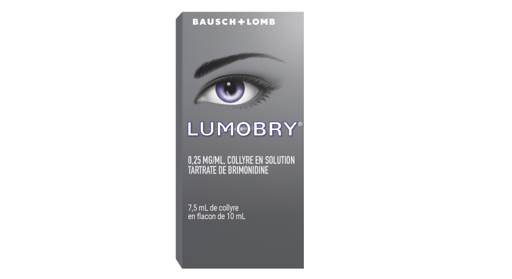
Lumobry is available in a 10 mL LDPE bottle filled with 7.5 mL of solution, in a carton. The bottle is equipped with an LLDPE dropper and a two-part PP/HDPE child-resistant cap.
Marketing Authorization Holder
Bausch + Lomb Ireland Limited
3013 Lake Drive
Citywest Business Campus
Dublin 24, D24 PPT3
Ireland
email: [email protected]
Importer:
Bausch + Lomb Ireland Limited
3013 Lake Drive
Citywest Business Campus
Dublin 24, D24 PPT3
Ireland
Date of last revision of the leaflet:June 2025
- Country of registration
- Active substance
- Prescription requiredYes
- ImporterBausch + Lomb Ireland limited
- This information is for reference only and does not constitute medical advice. Always consult a licensed doctor before taking any medication. Oladoctor is not responsible for medical decisions based on this content.
- Alternatives to LumobriDosage form: Drops, (1 mg + 0.33 mg)/mlActive substance: naphazoline, combinationsManufacturer: Warszawskie Zakłady Farmaceutyczne POLFA S.A.Prescription requiredDosage form: Drops, (0.05 mg + 0.2 mg)/mlActive substance: naphazoline, combinationsManufacturer: Excelvision Laboratoires TheaPrescription not requiredDosage form: Drops, (0.5 mg + 0.4 mg)/mlActive substance: tetryzoline, combinationsPrescription required
Alternatives to Lumobri in other countries
The best alternatives with the same active ingredient and therapeutic effect.
Alternative to Lumobri in Spain
Online doctors for Lumobri
Discuss dosage, side effects, interactions, contraindications, and prescription renewal for Lumobri – subject to medical assessment and local rules.

Get updates and exclusive offers
Be the first to know about new services, marketplace updates, and subscriber-only promos.

