Background pattern
Litocid

Litocid

Ask a doctor about a prescription for Litocid

This page is for general information. Consult a doctor for personal advice. Call emergency services if symptoms are severe.
About the medicine

How to use Litocid

PATIENT INFORMATION LEAFLET: USER INFORMATION

LITOCID ®

(Potassium Citrate)
680 mg, tablets with modified release

Read the leaflet carefully before taking the medicine, as it contains important information for the patient.

  • Keep this leaflet, you may need to read it again.
  • If you have any further questions, ask your doctor or pharmacist.
  • This medicine has been prescribed for you only. Do not pass it on to others. It may harm them, even if their symptoms are the same as yours.
  • If you experience any side effects, including those not listed in this leaflet, tell your doctor or pharmacist. See section 4.

Table of contents of the leaflet

  • 1. What is Litocid and what is it used for
  • 2. Important information before taking Litocid
  • 3. How to take Litocid
  • 4. Possible side effects
  • 5. How to store Litocid
  • 6. Contents of the pack and other information

1. What is Litocid and what is it used for

The active substance in Litocid is potassium citrate. The form of the medicine causes slow release of the active substance. Citrates are known as a group of chemical compounds that act as inhibitors of kidney stone formation, which includes calcium. This is possible due to the reduction of urine saturation with calcium stone-forming salts. Citrates slow down the growth of calcium oxalate and calcium phosphate crystals and alkalize the urine. The medicine is absorbed from the gastrointestinal tract in 90% of the administered dose. Taking the medicine before or after meals does not have a significant effect on its bioavailability. When taken orally, citrates are largely metabolized, mainly in the intestinal wall. A small portion (from 1 to 10%) of the standard therapeutic dose of citrates administered passes into the bloodstream and is then excreted in the urine. The dicarboxylates produced by the metabolism of citrates are an alkalizing factor that causes the release of the rate of endogenous citrate utilization in the tricarboxylic acid cycle and increases their excretion by the kidneys. A single dose of potassium citrate in a slow-release form causes an increase in citrate excretion within 1 to 10 hours after its ingestion (there is, however, a large individual variability). The indication for the use of Litocid is:

  • calcium kidney stones in patients with low citrate excretion in the urine,
  • distal renal tubular acidosis, metabolic acidosis in chronic renal failure, without significant reduction of daily urine output and without hyperkalemia,
  • potassium deficiency in the body,
  • other pathological conditions requiring chronic urine alkalization.

2. Important information before taking Litocid

When not to take Litocid

Do not take Litocid in the following cases:

  • hyperkalemia (elevated potassium levels in the blood),
  • local and generalized hemostasis disorders (including blood coagulation disorders, vascular diseases),
  • urinary tract infections,
  • alkalosis, especially metabolic,
  • phosphate-ammonium-magnesium stones and mixed forms of kidney stones with a predominance of phosphate-ammonium-magnesium, especially with concomitant urinary tract infection,
  • chronic renal failure (glomerular filtration rate less than 0.7 ml/kg/min), especially in moderate to terminal stages,
  • gastritis and duodenitis, as well as active peptic ulcer disease, gastrointestinal bleeding,
  • diseases in which the passage of the tablet through the gastrointestinal tract is slowed down, such as delayed gastric emptying, esophageal compression, intestinal obstruction or narrowing, as well as in the case of anticholinergic treatment,
  • planned surgical procedure within the next 2 days, especially those associated with a high risk of significant blood loss.

Warnings and precautions

Be particularly cautious when taking Litocid, as breaking or chewing the tablet accelerates the release of the medicine and may intensify its potential irritating effect on the stomach wall. Due to this, it is recommended to swallow the tablets whole and drink a large amount of fluid. During treatment, it is recommended to monitor the acidity of the urine. Measurements should be performed in freshly collected urine 3-4 times a day (the most important is the morning measurement) - it is recommended to maintain the urine pH in the range of 6.5-7.0. Based on the results obtained, the dose of the medicine should be adjusted in consultation with a doctor. At the same time, the presence of urinary tract infections, which may prevent a proper assessment of the effect of citrates on urine pH, should be excluded. One of the ways to control the need for the medicine may also be the measurement of daily citrate excretion in the urine, the recommended excretion value is above 500 mg/day (or concentration in urine higher than 350 mg/l - important when urine excretion is less than 1.5 l/day). Taking doses of the medicine that cause citrate excretion in the urine in an amount exceeding 1200 mg/day does not bring significant benefits. The most important thing for treatment and prevention of kidney stones is taking the medicine in the evening (before sleep) and in the morning (after waking up). Litocid should be one of the elements of the therapeutic scheme developed by the doctor, including care for the excretion of the appropriate amount of urine, dietary recommendations, cyclic urine and blood tests. It should be remembered that in most of the indicated cases, the medicine should be used for a long time, even many years. Uncontrolled, even short-term (1-2 days), interruption of treatment (without consulting a doctor) may cancel the positive effects of long-term therapy and cause a relapse or exacerbation of kidney stone symptoms. Do not take higher doses than recommended. Consult a doctor also if the above symptoms have occurred in the past.

Litocid with food, drinks, and alcohol

Taking the medicine immediately after a meal may alleviate potential gastrointestinal irritation. During the use of the medicine, do not drink alcoholic beverages.

Litocid in patients with renal or hepatic impairment

In patients with mild renal impairment or a tendency to higher potassium levels in the blood, treatment should be carried out under the supervision of a nephrologist. It is necessary to monitor the levels of creatinine and potassium in the blood and possibly limit the consumption of foods rich in potassium (tomatoes, oranges, fruit compotes).

Pregnancy, breastfeeding, and fertility

If you are pregnant or breastfeeding, think you may be pregnant, or plan to have a child, ask your doctor or pharmacist for advice before taking this medicine. The safety of using the medicine during pregnancy and breastfeeding has not been sufficiently documented. Treatment may be continued only under the control of a gynecologist and nephrologist. The daily dose should be determined anew based on tests.

Driving and using machines

The medicine, when used as recommended, does not affect the ability to drive vehicles and operate machines.

Litocid and other medicines

Tell your doctor or pharmacist about all the medicines you are taking now or have recently taken, as well as any medicines you plan to take. Potassium citrate should not be administered with aluminum and magnesium hydroxide, eplerenone (selective aldosterone blocker), and methenamine. Consult a doctor when taking Litocid with potassium-sparing diuretics, opioids, ephedrine (a component of cough syrup), and pseudoephedrine (a component of tablets for colds and cough syrups), anticoagulants, macrolide antibiotics, tricyclic antidepressants, medicines that alkalize or acidify the urine (e.g., Phytolysin, Citropepsin, Alugastrin). Additionally, due to the increased risk of hyperkalemia, special caution should be exercised when taking Litocid with ACE inhibitors and angiotensin II receptor antagonists.

3. How to take Litocid

Always take this medicine exactly as your doctor or pharmacist has told you. If you are not sure, ask your doctor or pharmacist. In adults with average body weight, treatment should be started with oral administration 3 times a day, 2 tablets (50 mg/kg body weight) at regular intervals (on average every 8 hours). The maximum dose, individually for each patient, is determined based on urine pH and/or the amount of citrate excreted in the urine.

Use in children

There is no proper indication for the use of Litocid in children.

Taking a higher dose of Litocid than recommended

The minimum toxic dose has not been established. Potassium salts administered to patients with normally functioning kidneys usually show minimal toxicity. Nausea, vomiting, weakness, numbness of limbs, pallor, hypotension, muscle cramps, and arrhythmias (heart rhythm disorders) may occur. Low doses of potassium salts can be toxic to patients with renal failure. In these patients, metabolic alkalosis (alkalosis) may also occur. Overdose of potassium citrate may lead to hyperkalemia. Symptomatic treatment is recommended, depending on the disorders found by the doctor, as well as drinking more water than usual within the next 12-24 hours. If the medicine has been taken no more than half an hour ago, an attempt should be made to induce vomiting. In case of signs of bleeding, the administration of drugs that strengthen blood vessels and vitamin K is helpful. Symptoms of gastrointestinal irritation should be alleviated using drugs that create a protective barrier on the surface of the gastric mucosa (e.g., preparations containing sucralfate) or possibly drugs that block H receptors (e.g., preparations containing ranitidine). Great caution should be exercised when considering the use of other medicines that alkalize the stomach contents. Mild alkalosis can be treated (in outpatient settings) using vitamin C and/or cranberry juice, after consulting a nephrologist. If you have taken more than the recommended dose of the medicine, seek medical attention immediately.

Missing a dose of Litocid

Take the missed dose as soon as possible, unless it is already time for the next dose. Do not take a double dose to make up for the missed dose.

4. Possible side effects

Like all medicines, Litocid can cause side effects, although not everybody gets them. The frequency of possible side effects listed below is defined as follows:

  • very common: (occurring in more than 1 in 10 people);
  • common: (occurring in 1 to 10 people in 100);
  • uncommon: (occurring in 1 to 10 people in 1,000);
  • rare: (occurring in 1 to 10 people in 10,000);
  • very rare: (occurring in less than 1 in 10,000 people);
  • not known: (frequency cannot be estimated from the available data).

General disorders and administration site conditions
Very rare: upper gastrointestinal irritation (especially when taken on an empty stomach and without drinking water) - vomiting, nausea, heartburn, feeling of fullness in the right upper quadrant.
Vascular disorders
Worsening of venous insufficiency of the lower limbs, manifestation or worsening of symptoms of bleeding disorders.
Respiratory, thoracic, and mediastinal disorders
In people with a tendency to hyperventilation (most often expressed as rapid and deep breathing), it is possible to intensify the resulting clinical symptoms (e.g., dizziness, fainting). If the described symptoms occur during the use of the preparation, the medicine should be discontinued and medical attention should be sought immediately. In some people, during the use of Litocid, other side effects may occur.

Reporting side effects

If you experience any side effects, including those not listed in this leaflet, tell your doctor or pharmacist, or nurse. Side effects can be reported directly to the Department of Monitoring of Adverse Reactions to Medicinal Products of the Office for Registration of Medicinal Products, Medical Devices, and Biocidal Products: Al. Jerozolimskie 181C, 02-222 Warsaw, tel.: +48 22 49-21-301; fax: +48 22 49-21-309, e-mail: [email protected]. Side effects can also be reported to the marketing authorization holder. By reporting side effects, you can help provide more information on the safety of this medicine.

5. How to store Litocid

Keep the medicine out of the sight and reach of children. Store in a temperature below 25°C. Store in the original packaging to protect from moisture. Do not use this medicine after the expiry date stated on the carton and blister pack. The expiry date refers to the last day of the month. Medicines should not be disposed of via wastewater or household waste. Ask your pharmacist how to dispose of medicines no longer required. This will help protect the environment.

6. Contents of the pack and other information

What Litocid contains

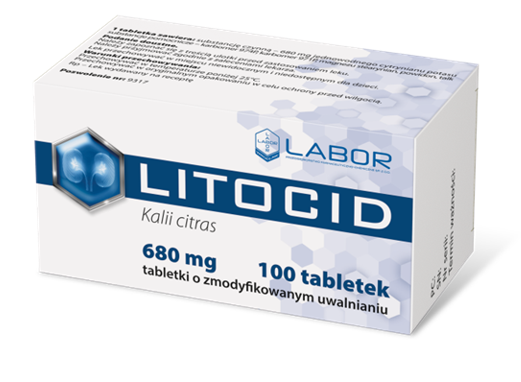
The active substance is potassium citrate. The other ingredients are carbomer 974 P, carbomer 971 P, magnesium stearate, povidone, talc.

What Litocid looks like and contents of the pack

White, round, biconvex tablet. Available packaging: HDPE or LDPE container with a PE cap containing a desiccant, in a cardboard box, containing 100 tablets and a patient information leaflet.

Marketing authorization holder and manufacturer

LABOR Pharmaceutical-Chemical Company Ltd. ul. Długosza 49, 51-162 Wrocław, tel.: +48 71 325 30 85, fax: +48 71 326 14 57, e-mail: [email protected]

Date of leaflet approval:

Alternatives to Litocid in other countries

The best alternatives with the same active ingredient and therapeutic effect.

Alternative to Litocid in Ukraine

Dosage form: erva, 100 g em embalagens
Manufacturer: PrAT "Liktravi
Prescription not required
Dosage form: erva, 50 g em embalagens
Manufacturer: PrAT "Liktravi
Prescription not required
Dosage form: erva, 50 g ou 100 g em embalagens
Manufacturer: AT "Lubnifarm
Prescription not required
Dosage form: erva, 50 g em um pacote
Manufacturer: TOV "Ternofarm
Prescription not required
Dosage form: erva, 50 g em embalagens
Prescription not required
Dosage form: comprimidos, 20 comprimidos efervescentes
Prescription not required

Alternative to Litocid in Espanha

Dosage form: COMPRIMIDO DE LIBERTAÇÃO MODIFICADA, 1080 mg
Prescription required

Online doctors for Litocid

Discuss dosage, side effects, interactions, contraindications, and prescription renewal for Litocid – subject to medical assessment and local rules.

5.0(20)
Doctor

Farouk Laafif

Psychiatry3 years of experience

Dr. Farouk Laafif is a psychiatrist providing online consultations for adults and adolescents facing emotional or mental health challenges. His clinical approach integrates psychopharmacology with psychotherapy, with a strong focus on the connection between mental and physical well-being.

He offers compassionate, evidence-based support for individuals dealing with:

  • depression and anxiety disorders
  • bipolar affective disorder
  • schizophrenia and other psychotic conditions
  • psychosomatic symptoms and chronic stress
  • treatment planning and medication adjustment
Dr. Laafif combines scientific expertise with human empathy, helping patients restore emotional balance, improve daily functioning, and regain confidence in their recovery journey.
CameraBook a video appointment
€110
Today16:30
Today17:15
Today18:00
Today18:45
December 1909:30
More times
0.0(0)
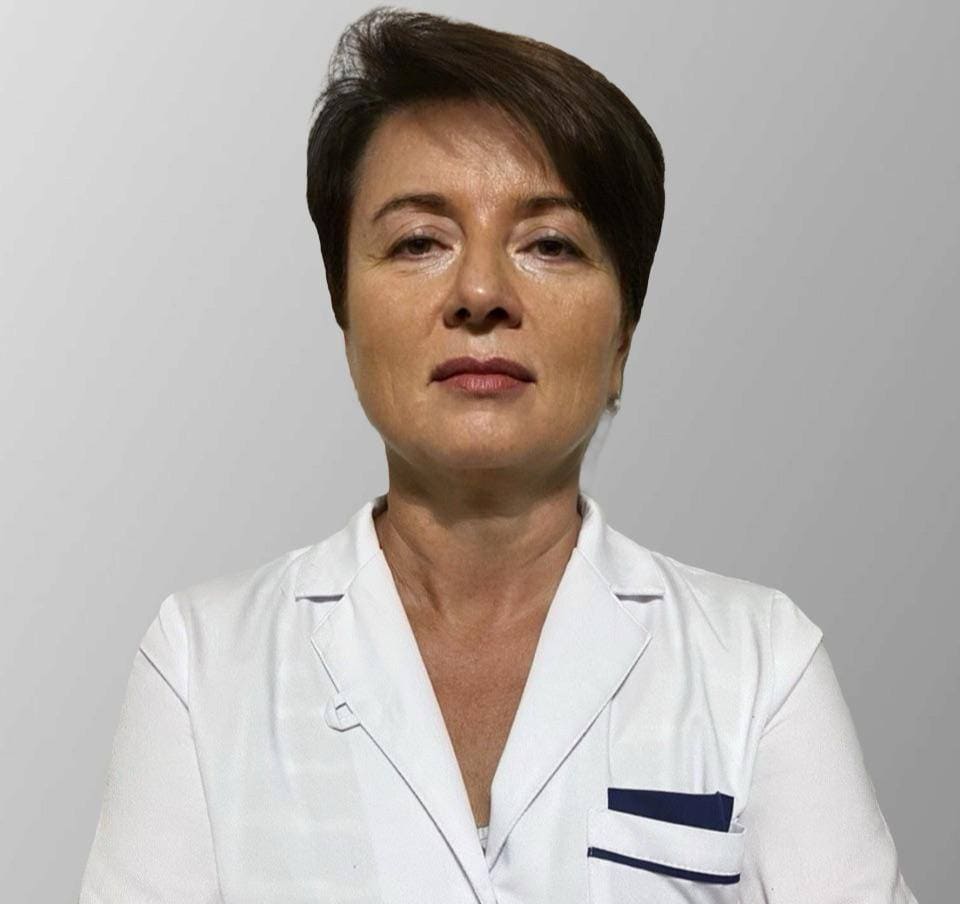
Doctor

Tetiana Fedoryshyn

General medicine29 years of experience

Dr Tetiana Fedoryshyn is a senior general practitioner, certified nutritionist, and psychologist with over 29 years of clinical experience. She combines classical internal medicine with modern approaches in lifestyle medicine, functional nutrition, and emotional health support.

Her focus is on helping patients regain health through deep understanding of symptoms, personalised nutrition plans, and evidence-based correction of deficiencies, stress-related conditions, and metabolic imbalances. Dr Fedoryshyn works with adults experiencing chronic conditions, fatigue, hormonal disruption, and post-stress exhaustion.

She integrates medical analysis, psychological insight, and real-life behaviour change tools to offer treatment plans tailored to each patient’s biochemistry, mental state, and lifestyle.

Main areas of practice:

  • Chronic condition management and medical counselling
  • Weight loss programmes based on metabolic profiling
  • Diagnosis and treatment of micronutrient deficiencies
  • Recovery from stress, burnout, and hormonal imbalances
  • Emotional support and psychosomatic symptom care
Her approach is never one-size-fits-all – each consultation begins with a deep dive into your unique health history, test results, and emotional landscape. Consultations are available in Ukrainian, Polish, and Russian.
CameraBook a video appointment
€65
Today18:00
Today18:25
Today18:50
Today19:15
Today19:40
More times
5.0(4)
Doctor

Roman Raevskii

General medicine6 years of experience

Dr. Roman Raevskii is a licensed general practitioner in Spain, offering online medical consultations with a strong focus on prevention, early diagnosis, and personalized care. He combines evidence-based clinical expertise with a patient-centered approach to deliver comprehensive support.

Dr. Raevskii provides medical care in the following areas:

  • Diagnosis and management of common conditions: hypertension, diabetes, respiratory and digestive disorders.
  • Oncological consultations: early cancer detection, risk evaluation, and treatment navigation.
  • Supportive care for oncology patients – pain control, symptom relief, and side effect management.
  • Preventive medicine and health screenings.
  • Development of tailored treatment plans based on clinical guidelines.

With a patient-centred approach, Dr. Raevskii helps individuals manage both chronic illnesses and complex oncological cases. His consultations are guided by current medical standards and adapted to each patient’s needs.

CameraBook a video appointment
€50
December 1909:00
December 1909:45
December 1910:30
December 1911:15
December 1912:00
More times
0.0(0)
Doctor

Eteri Tabeshadze

Cardiology32 years of experience

Dr. Eteri Tabeshadze is a cardiologist with the highest qualification category and over 32 years of clinical experience. She also practises functional diagnostics, offering a comprehensive approach to cardiovascular care. Dr. Tabeshadze provides online consultations for adults with a wide range of heart-related conditions, from preventive screenings to acute and chronic disease management.

Areas of expertise include:

  • Diagnosis and treatment of hypertension, coronary artery disease, and chronic heart failure
  • Management of arrhythmias and conduction disorders, including paroxysmal events
  • Emergency care: myocardial infarction, acute left ventricular failure, acute pulmonary heart disease
  • Post-thromboembolism care and evaluation of cardiomyopathies
  • Treatment of vegetative dysfunction and autonomic disorders
  • Interpretation of cardiovascular tests: ECG, Holter monitoring, ambulatory blood pressure monitoring (ABPM), echocardiography (including transesophageal echo), stress echocardiography, exercise testing (VEM, treadmill test)
Dr. Tabeshadze combines extensive diagnostic experience with personalised care. She helps patients understand their cardiovascular health, navigate symptoms and diagnoses, and create tailored treatment plans to improve quality of life and reduce long-term risks.
CameraBook a video appointment
€50
December 1911:10
December 1912:10
December 1913:10
December 1914:10
December 1915:10
More times
5.0(15)
Doctor

Giorgi Eremeishvili

Urology21 years of experience

Giorgi Eremeishvili is a top-category urologist, a Candidate of Medical Sciences, and a licensed physician in Spain. He provides expert assistance in the diagnosis and treatment of a wide range of urological conditions in both men and women, employing a comprehensive approach and evidence-based principles.

Key areas of expertise:

  • Erectile dysfunction, decreased libido, premature ejaculation.
  • Male infertility: comprehensive diagnosis and modern treatment methods.
  • Prostate gland diseases: acute and chronic prostatitis, prostatic adenoma (benign prostatic hyperplasia), prostate cancer.
  • Inflammatory diseases of the genitourinary system: acute and chronic cystitis, pyelonephritis, epididymitis, orchitis, urethritis.
  • Sexually transmitted infections (STIs): chlamydia, ureaplasmosis, mycoplasmosis, gardnerellosis, candidiasis, herpetic infections, HPV, CMV, trichomoniasis, and others.
  • Urination disorders: urinary retention, frequent urination, urinary incontinence, overactive bladder, neurogenic bladder.
  • Neoplasms: cysts, tumors of the kidneys, bladder, testicles, prostate gland (including prostate cancer).
  • Surgical interventions: determining indications and selecting optimal minimally invasive methods.

Dr. Eremeishvili applies an integrated approach to each case. This includes thorough preoperative preparation, postoperative observation, and regular dynamic follow-up during the treatment process to achieve the best possible outcomes. All diagnostic and therapeutic recommendations are based on current evidence-based medicine and comply with the recommendations of the European Association of Urology, guaranteeing high-quality and effective care.

If you are seeking qualified assistance in diagnosing or treating urological conditions, book an online consultation with Dr. Giorgi Eremeishvili. Get expert support, accurate diagnosis, and a personalized treatment plan from the comfort of your home.

CameraBook a video appointment
€60
December 1912:40
December 2012:00
December 2012:40
December 2112:00
December 2112:40
More times
5.0(25)
Doctor

Anna Biriukova

General medicine5 years of experience

Dr Anna Biriukova is an internal medicine doctor with clinical experience in cardiology, endocrinology, and gastroenterology. She provides online consultations for adults, offering expert medical support for heart health, hormonal balance, digestive issues, and general internal medicine.

Cardiology – Diagnosis and treatment of:

  • High blood pressure, blood pressure fluctuations, and cardiovascular risk prevention.
  • Chest pain, shortness of breath, arrhythmias (tachycardia, bradycardia, palpitations).
  • Leg swelling, chronic fatigue, reduced exercise tolerance.
  • EKG interpretation, lipid profile evaluation, cardiovascular risk assessment (heart attack, stroke).
  • Post-COVID-19 cardiac monitoring and care.
Endocrinology – Diabetes, thyroid, metabolism:
  • Diagnosis and management of type 1 and type 2 diabetes, and prediabetes.
  • Individual treatment plans including oral medications and insulin therapy.
  • GLP-1 therapy– modern pharmacological treatment for weight management and diabetes control, including drug selection, monitoring, and safety follow-up.
  • Thyroid disorders – hypothyroidism, hyperthyroidism, autoimmune thyroid diseases (Hashimoto’s, Graves’ disease).
  • Metabolic syndrome – obesity, lipid disorders, insulin resistance.
Gastroenterology – Digestive health:
  • Abdominal pain, nausea, heartburn, gastroesophageal reflux (GERD).
  • Stomach and intestinal conditions: gastritis, irritable bowel syndrome (IBS), indigestion.
  • Management of chronic digestive disorders and interpretation of tests (endoscopy, ultrasound, labs).
General internal medicine and preventive care:
  • Respiratory infections – cough, colds, bronchitis.
  • Lab test analysis, therapy adjustments, medication management.
  • Adult vaccinations – planning, contraindications assessment.
  • Cancer prevention – screening strategies and risk assessment.
  • Holistic approach – symptom relief, complication prevention, and quality of life improvement.
Dr Biriukova combines internal medicine with specialist insight, offering clear explanations, personalised treatment plans, and comprehensive care tailored to each patient.
CameraBook a video appointment
€60
December 1913:00
December 1913:50
December 1914:40
December 1915:30
December 1916:20
More times
0.0(1)
Doctor

Maryna Kuznetsova

Cardiology16 years of experience

Dr Marina Kuznetsova is an internal medicine doctor and cardiologist with a PhD in medicine. She provides online consultations for adults with chronic and acute conditions, with a strong focus on cardiovascular health. Her approach is based on current clinical guidelines and evidence-based treatment strategies.

Areas of expertise:

  • dyslipidaemia and lipid metabolism disorders
  • prevention and management of atherosclerosis
  • blood pressure monitoring and antihypertensive therapy
  • arrhythmias: diagnosis, follow-up, and treatment adjustment
  • cardiovascular care and recovery support after Covid-19
Dr Kuznetsova helps patients manage cardiovascular risk factors, optimise long-term treatment, and gain clarity in complex health situations – all through accessible and structured online care.
CameraBook a video appointment
€50
December 1914:00
December 1914:50
December 1915:40
December 1916:30
December 1917:20
More times
0.0(0)
Doctor

Katia Benko

Pediatrics9 years of experience

Dr Katia Benko is a paediatrician with over 9 years of clinical experience and international training. She completed her medical education and residency in Argentina and is fully licensed to practise in Spain. Her work spans newborns, children and adolescents, with a focus on whole-person care that integrates physical, emotional and developmental health.

Areas of expertise:

  • online consultations for newborns, children and teens
  • evaluation and treatment of acute symptoms: fever, cough, infections, bronchiolitis, earache, etc.
  • long-term care for chronic paediatric conditions
  • preventive care at every stage of growth and development
  • child wellness visits and routine health check-ups
  • vaccination guidance according to standard and special schedules
  • assessment of neurodevelopment in infants and toddlers
  • feeding concerns: picky eating, food refusal, healthy habits, eating disorders
  • parental support in everyday health, emotional wellbeing and prevention
  • guidance for teenagers on healthy habits, self-care and risk prevention
Dr Benko sees paediatrics as a space for partnership with families – not only to treat illness, but to guide each child’s health journey with clarity, empathy and trust. Her goal is for every family to feel supported in making confident, informed decisions for their child’s wellbeing.
CameraBook a video appointment
€59
December 1915:00
December 1915:30
December 1916:00
December 1916:30
December 2011:30
More times
0.0(0)
Doctor

Antonio Cayatte

General medicine43 years of experience

Dr Antonio Cayatte is a physician in General and Acute Medicine with over 30 years of experience across clinical care, medical research, and education. He offers online consultations for adults with a wide range of symptoms, both acute and chronic.

His clinical background includes:

  • assessment of sudden or unclear symptoms
  • ongoing care for chronic conditions
  • follow-up after hospital discharge
  • interpretation of test results
  • medical support while abroad
Dr Cayatte earned his degree from the University of Lisbon and taught internal medicine at Boston University School of Medicine. He holds active medical registrations in both Portugal and the UK and is a Fellow of the American Heart Association.

Consultations are available in English and Portuguese. Patients value his clarity, professionalism, and balanced approach to evidence-based care.

CameraBook a video appointment
€60
December 1915:00
December 1915:30
December 1916:00
December 1916:30
December 1917:00
More times
5.0(2)
Doctor

Oleksandr Babushkin

Orthopedics and traumatology17 years of experience

Dr Oleksandr Babushkin is an orthopaedic and trauma specialist providing online consultations for adults with joint, muscle, and spine-related concerns. He helps patients accurately assess symptoms, manage chronic and acute musculoskeletal conditions, and build effective recovery strategies through evidence-based care.

Online consultations include:

  • Evaluation of musculoskeletal symptoms: acute or chronic pain, stiffness, and reduced mobility.
  • Diagnosis and treatment advice for joint pain (knees, hips, shoulders, elbows), back and neck pain.
  • Support for conditions such as osteoarthritis, bursitis, tendinitis, and nerve compression syndromes.
  • Guidance after injuries: strains, sprains, bruises, suspected fractures, and overuse injuries.
  • Recovery support following orthopaedic surgery or trauma.
  • Monitoring treatment progress and adjusting therapy based on your symptoms and test results.

You can book a consultation if you experience:

  • Joint pain, limited mobility, or cracking sounds during movement.
  • Back or neck pain, especially with prolonged sitting or physical activity.
  • Chronic discomfort that affects your daily life or sleep.
  • Need for post-surgical follow-up or rehabilitation planning.

Dr Babushkin combines his expertise in orthopaedics and trauma care with a personalised, structured approach — helping patients regain mobility, reduce pain, and improve quality of life.

CameraBook a video appointment
€50
December 1919:00
December 2014:00
December 2014:55
December 2015:50
December 2115:00
More times

Get updates and exclusive offers

Be the first to know about new services, marketplace updates, and subscriber-only promos.

Follow us on social media
FacebookInstagram
Logo
Oladoctor
Find a doctor
Doctors by specialty
Services
Choose language
© 2025 Oladoctor. All rights reserved.
VisaMastercardStripe